The Anatomy of a Flawless Kitchen Design
Designing a kitchen is one of the most exciting yet challenging endeavors in home improvement. As the undisputed heart of the home, the kitchen must strike a delicate balance between high-level functionality and inviting aesthetic appeal. Unfortunately, many homeowners and enthusiastic decorators fall into common traps that compromise both the utility and the beauty of the space. Understanding these common kitchen decor mistakes is the first crucial step toward creating a culinary environment that not only looks like it belongs in a premium design magazine but also supports your daily cooking and gathering routines seamlessly.
When we embark on a kitchen renovation or a simple decorative refresh, it is incredibly easy to get swept up in the allure of trendy finishes, striking cabinet colors, and high-end appliances. However, the foundational elements of interior design—scale, proportion, lighting, and spatial flow—are what truly dictate the success of the room. A kitchen can feature the most exquisite marble countertops and custom-milled cabinetry, but if the lighting casts harsh shadows over your prep areas, or if the layout forces you to walk awkward distances between the sink and the stove, the design has fundamentally failed. In this comprehensive guide, we will dissect the most prevalent decorative and structural missteps in kitchen design, offering actionable, elegant solutions to ensure your space is perfectly optimized.
Mistake 1: Ignoring the Importance of Layered Lighting
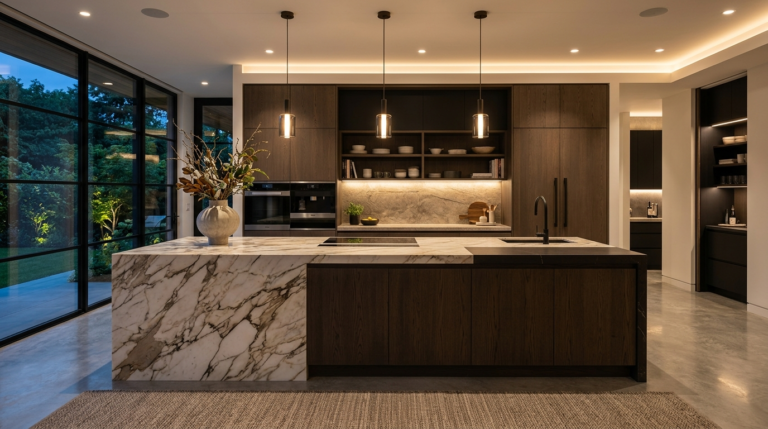
Perhaps the most frequent and impactful error in kitchen design is relying solely on a single source of overhead lighting. A single flush-mount fixture or a solitary row of recessed lights is entirely insufficient for a room that demands precision, safety, and ambiance. When lighting is treated as an afterthought, kitchens often feel sterile, unwelcoming, or frustratingly dim in the areas where you need illumination the most. The solution lies in the art of layered lighting, a technique that masterfully combines ambient, task, and accent lighting to create a dynamic and versatile environment.
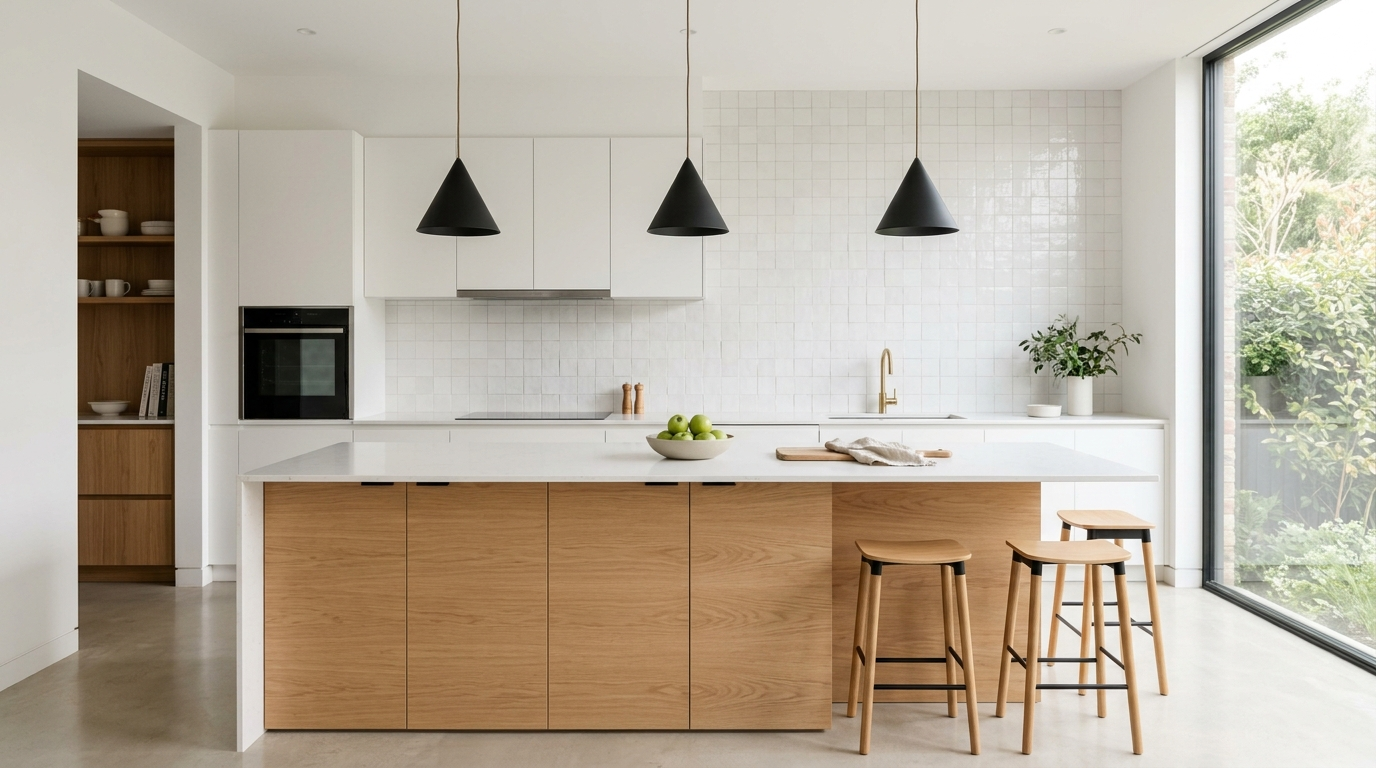
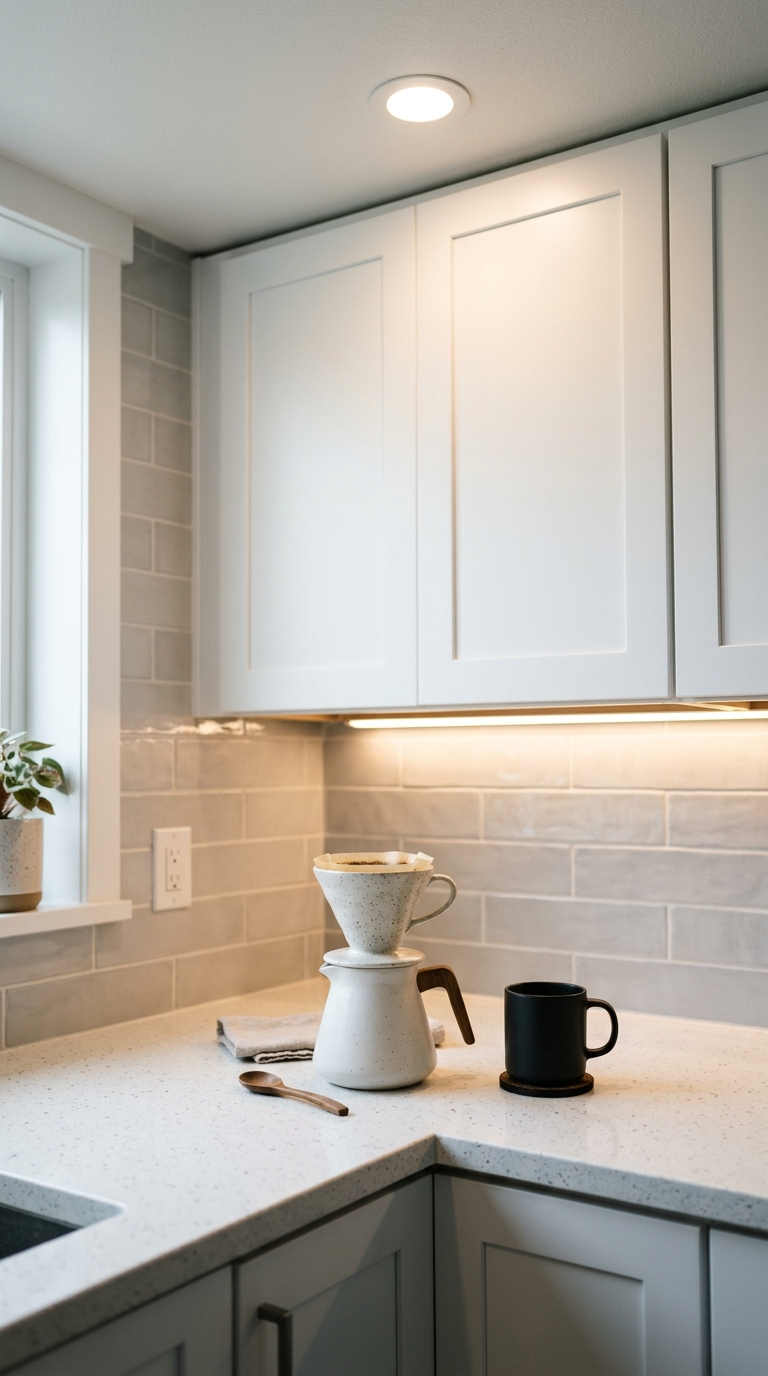
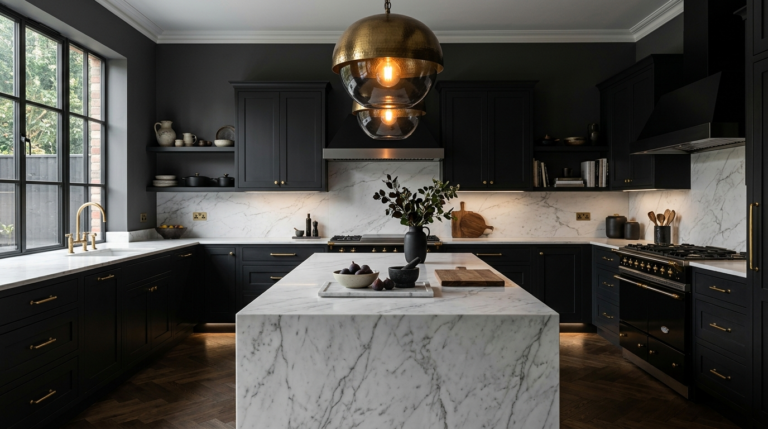
Ambient lighting acts as the foundational layer, providing overall illumination. This is typically achieved through strategically placed recessed lighting or a large central fixture. However, the magic happens when you introduce task lighting. Under-cabinet LED strips or puck lights are absolutely essential for banishing shadows from your countertops, ensuring you have a bright, clear view while chopping vegetables or reading recipes. Finally, accent lighting adds depth and character. Consider beautiful pendant lights suspended over the kitchen island, or interior cabinet lighting to showcase your favorite ceramic dinnerware. By implementing dimmer switches across all these layers, you grant yourself the ability to transition the mood of the kitchen from a bright, energetic workspace during the day to a soft, intimate dining space in the evening.
Mistake 2: Disrupting the Functional Workflow Triangle
While modern kitchen layouts have evolved significantly, the fundamental concept of the kitchen work triangle remains incredibly relevant. This invisible geometric line connects the three primary work areas: the sink, the refrigerator, and the stove. A major design mistake occurs when the flow between these three points is obstructed by a poorly placed island, a cramped walkway, or an illogical appliance layout. If you have to walk around a massive, immovable obstacle just to carry a pot of water from the sink to the stove, your kitchen will continually cause subconscious frustration.
To avoid this mistake, meticulously plan the distance between these key stations. The ideal workflow allows for a seamless, unobstructed pivot or a short step between them. If you are integrating a kitchen island, ensure that there is a minimum of 42 to 48 inches of clearance on all sides to allow for comfortable passage, even when appliance doors are fully open. Furthermore, consider the placement of secondary zones, such as a dedicated coffee station or a baking nook. These specialized areas should be situated outside the primary work triangle so that family members can pour a cup of coffee or grab a snack without interrupting the primary cook’s flow.
Mistake 3: Sacrificing Practical Storage for Aesthetic Trends
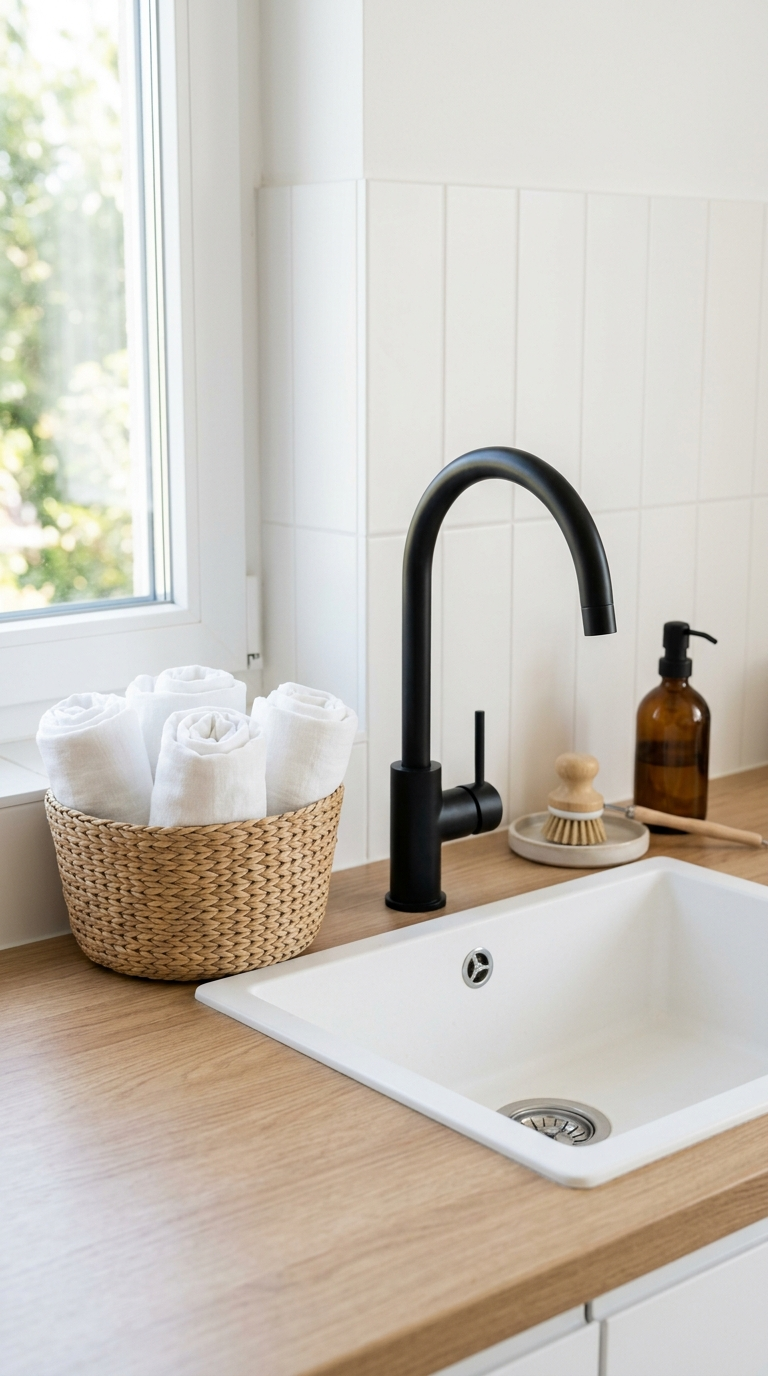
The minimalist aesthetic is incredibly popular, often characterized by vast expanses of empty walls, open shelving, and hidden appliances. However, a common pitfall is embracing this look to the extreme, thereby sacrificing essential storage space. Open shelving is beautiful for displaying curated collections of artisan bowls and cascading greenery, but it is entirely impractical for storing mismatched plastic containers, bulky small appliances, and everyday pantry staples. When functional storage is overlooked, the pristine minimalist design quickly devolves into cluttered, stressful chaos across your countertops.
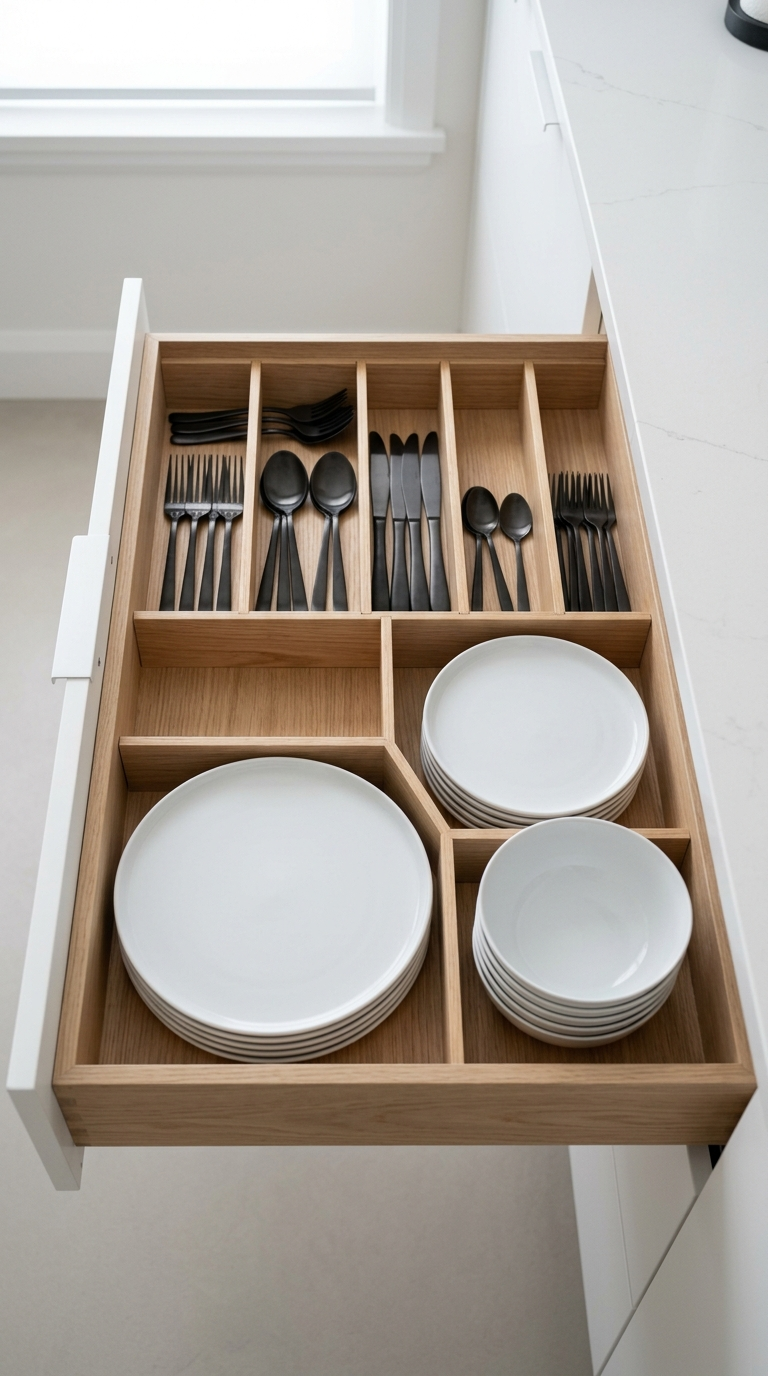
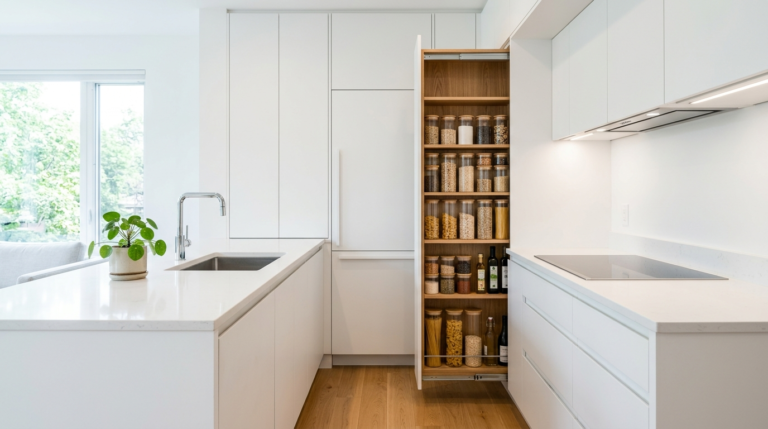
The key to successful kitchen storage is a hybrid approach. Incorporate deep, soft-close drawers for heavy pots, pans, and everyday dishware, as drawers offer superior ergonomic access compared to deep base cabinets where items get lost in the back. Utilize ceiling-height upper cabinets to maximize vertical space, reserving the uppermost shelves for seasonal or rarely used items. If you love the look of open shelving, limit it to a single statement wall or a small section near the sink or coffee station, keeping the majority of your utilitarian items neatly concealed behind beautifully crafted, solid cabinet doors. Thoughtful internal organizers, such as built-in spice racks, utensil dividers, and pull-out pantry tallboys, are the invisible heroes of a beautifully organized kitchen.
Mistake 4: Choosing the Wrong Rug or Floor Covering
Introducing textiles into the kitchen via rugs or runners is an excellent way to inject color, texture, and warmth into a space heavily dominated by hard surfaces like stone, wood, and metal. Yet, many people make the mistake of selecting rugs made from delicate, difficult-to-clean materials, or they choose sizes that are entirely disproportionate to the space. A fluffy, high-pile rug might look luxurious, but placing it in front of the sink or stove is a recipe for disaster given the inevitable spills, splatters, and heavy foot traffic.
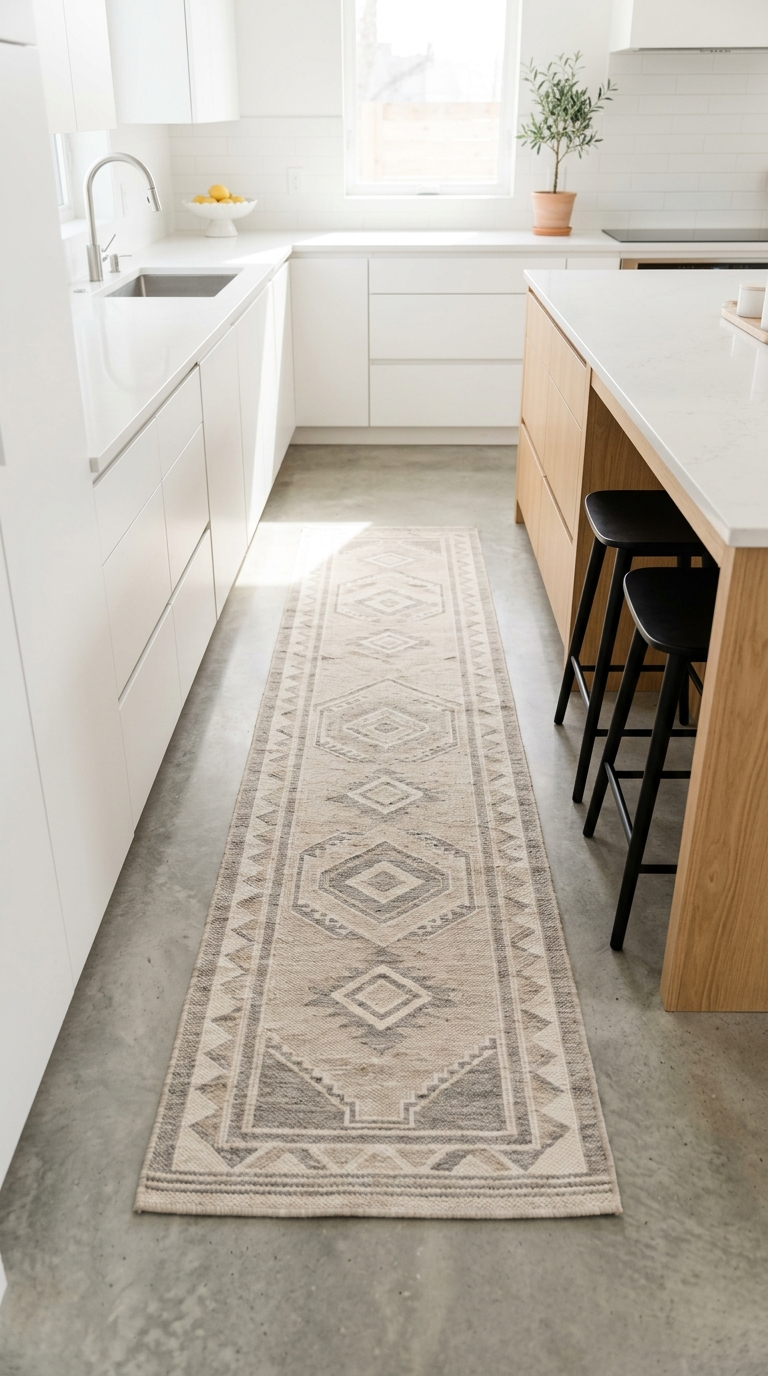
When selecting a rug for the kitchen, durability and washability must be your guiding principles. Opt for flat-weave rugs, vintage-inspired washable options, or even high-quality indoor/outdoor rugs that can withstand vigorous cleaning. In terms of placement, a long runner positioned between the island and the perimeter cabinetry creates a beautiful visual pathway while providing a comfortable cushion underfoot during long prep sessions. Ensure the rug is firmly secured with a high-quality, non-slip rug pad to prevent dangerous trips and falls. If you have an eat-in kitchen or dining nook, ensure the rug beneath the table extends at least 24 to 36 inches beyond the edges of the table, allowing chairs to be pulled out comfortably without catching on the edge of the carpet.
Mistake 5: Neglecting the Backsplash as a Focal Point
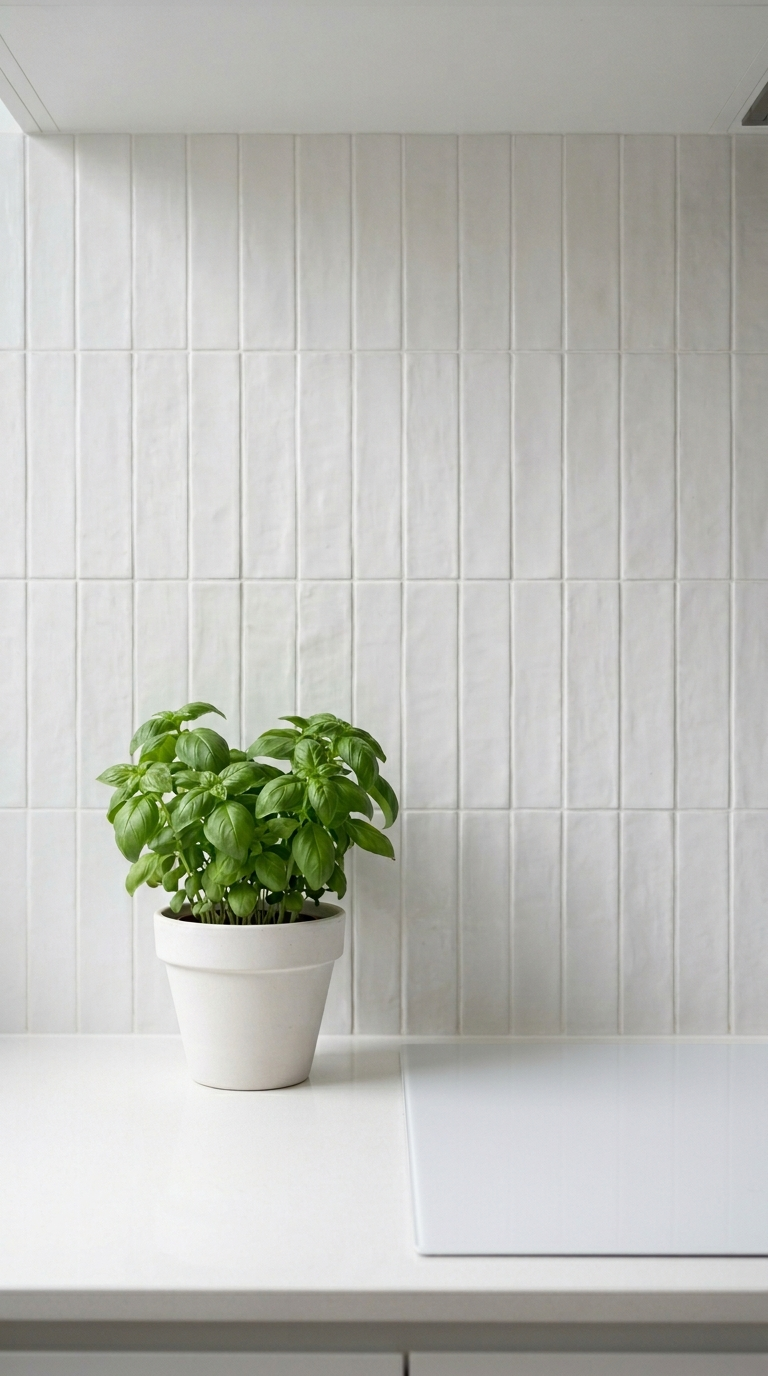
The final mistake often seen in otherwise stunning kitchens is treating the backsplash as a purely utilitarian element rather than a powerful design opportunity. A standard, short, four-inch return of the countertop material extending up the wall, while functional for preventing water damage, often looks dated and truncates the visual height of the room. The space between your countertops and upper cabinets is prime real estate for injecting personality, texture, and sophisticated style into your kitchen design.
Instead of playing it too safe, consider taking your backsplash tile all the way up to the ceiling, especially around windows or behind a beautiful statement range hood. This vertical continuation of material draws the eye upward, making the ceilings appear significantly higher and lending a custom, high-end architectural feel to the space. Whether you choose classic, handmade subway tiles with their subtle, organic imperfections, a dramatic slab of heavily veined marble, or a vibrant, intricately patterned Moroccan tile, ensure the backsplash harmonizes with your cabinetry and countertops while still establishing its own distinct presence. By treating the backsplash as an integral part of the artistic composition of the room, you finalize a kitchen design that is cohesive, visually engaging, and flawlessly executed.
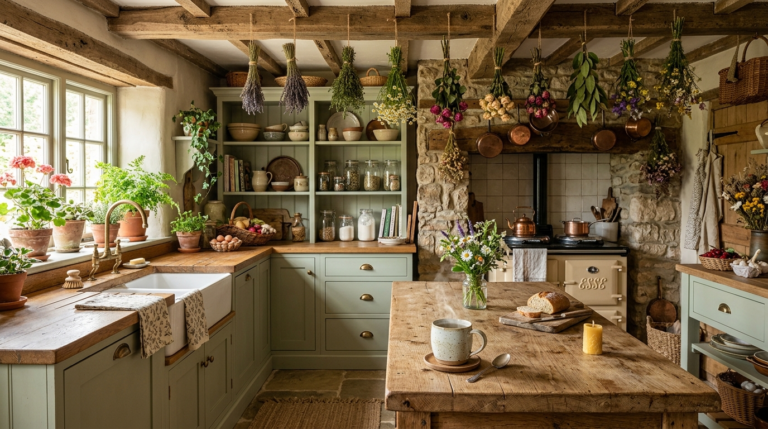
Explore 15 captivating black and dark kitchen ideas that combine sophistication with functionality. Learn how to incorporate dramatic colors, premium materials, and smart lighting to create a kitchen you’ll love for years. Perfect for those seeking a bold statement in home design.
Avoid the most frequent pitfalls in modern kitchen design. Learn how to correct issues with layout, lighting, storage, and materials to create a space that is both stunning and genuinely functional for years to come.
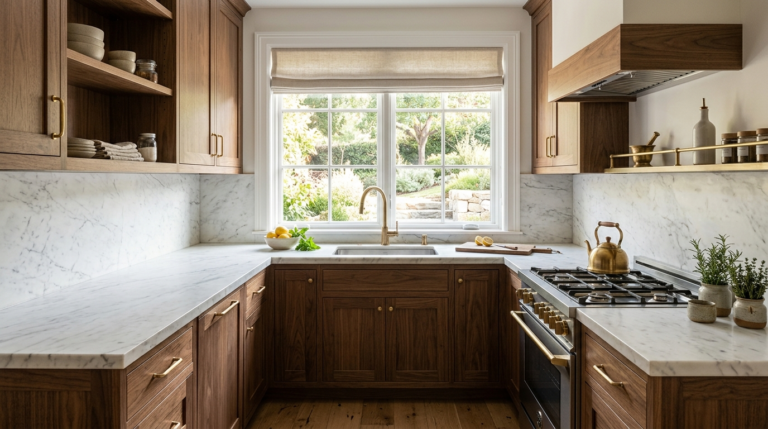
Discover how to craft a luxurious yet practical small kitchen that feels spacious, sophisticated, and timeless. This elegant narrative explores material choices, clever layouts, lighting, and styling secrets for compact culinary spaces.
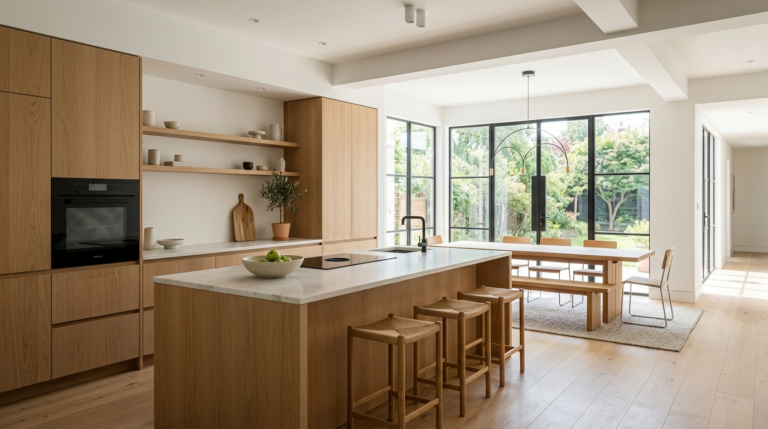
Discover the future of kitchen and dining design. From warm minimalism to integrated social spaces, explore the top interior trends defining the home this year.
Maximize your small kitchen space with clean, minimalist storage solutions. From clever cabinetry to hidden compartments, organize your kitchen effortlessly.