Embracing the Japandi Dining Philosophy
The fusion of Japanese minimalism and Scandinavian functionality—known globally as Japandi—is the ultimate design philosophy for creating a deeply serene, grounded home. When applied to the kitchen and dining areas, this aesthetic transforms spaces of chaotic preparation into tranquil sanctuaries of nourishment and connection. The Japandi style is defined by its unwavering commitment to natural materials, intentional simplicity, and a beautifully muted color palette. As we look to refresh our homes for the summer, embracing these 16 cozy, highly creative ideas will help you cultivate an environment that is both visually stunning and profoundly peaceful, perfectly aligned with the joyful ethos of the Morning Smile Club.
In a Japandi kitchen and dining room, every single item serves a purpose, whether functional or purely aesthetic, but nothing is superfluous. The clutter is banished, replaced by clean lines, warm woods, and soft, magical lighting that encourages long, lingering meals with friends. We are moving away from stark, cold modernism and instead injecting a whimsical, cottagecore-adjacent warmth into the minimalist framework. By focusing heavily on beautiful sage greens, tactile ceramics, and harmonious layouts, you can create a dining space that feels like a permanent, magical retreat.
1. The Power of the Raw Wood Dining Table
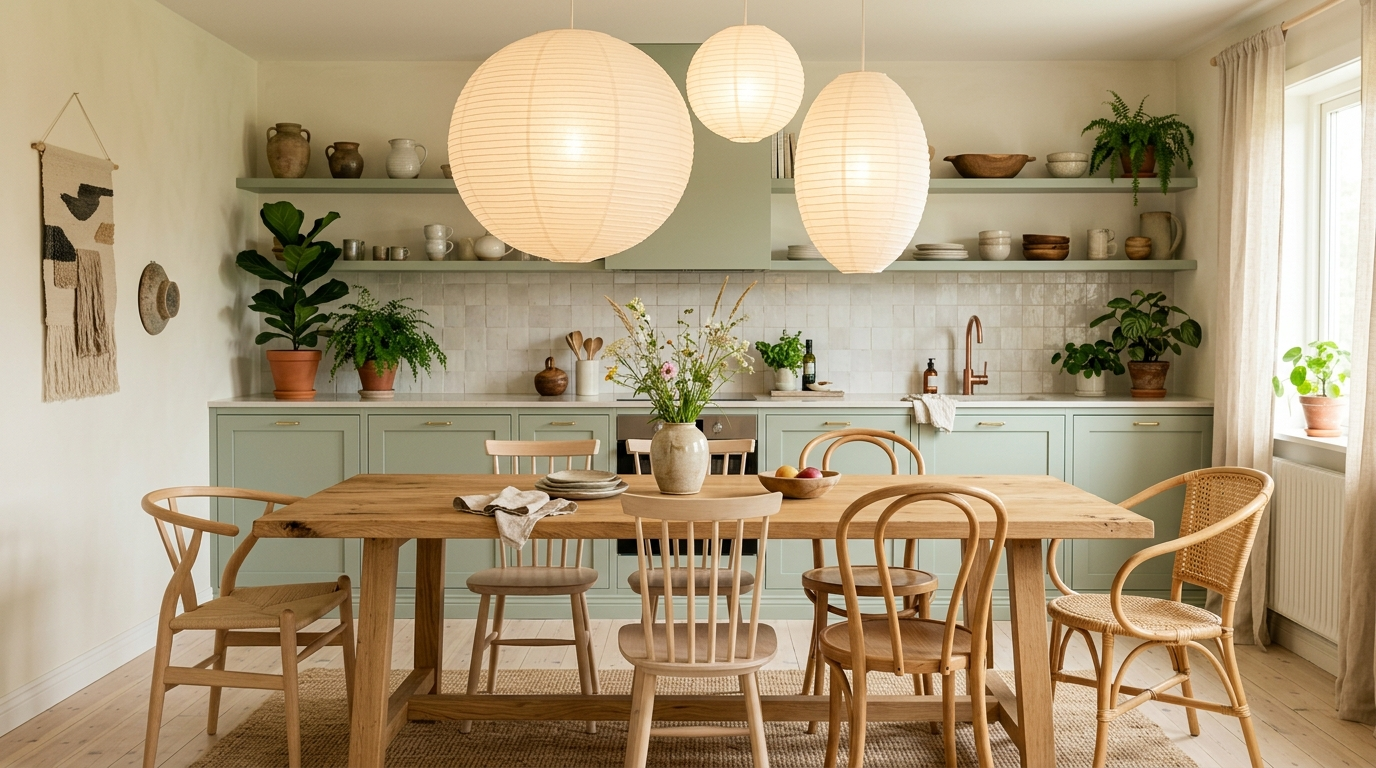
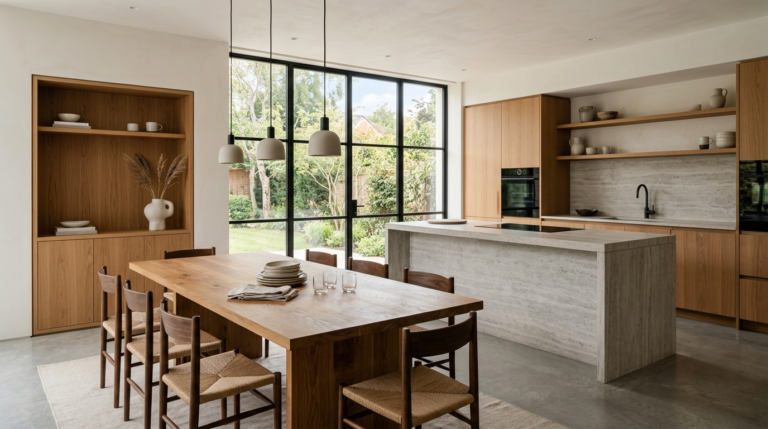
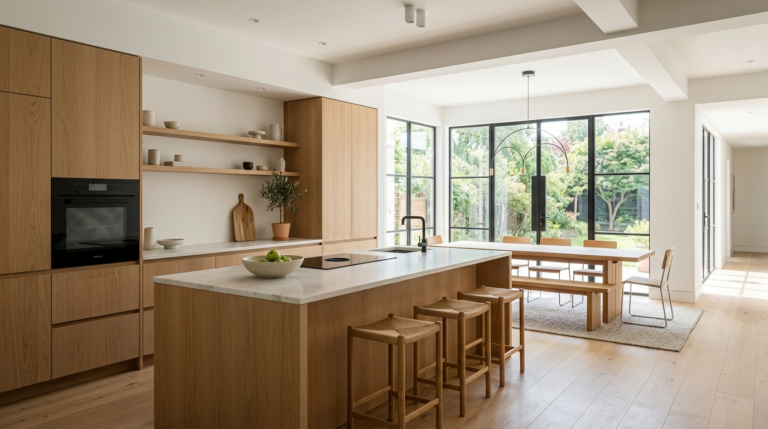
The absolute centerpiece of any Japandi dining room is the table. Discard heavy, ornate, or highly polished surfaces. Instead, opt for a large, minimalist table crafted from light, raw wood such as ash, white oak, or pale walnut. The natural grain of the wood should be the star of the show, bringing a vital, earthy texture into the room. This large expanse of natural material instantly grounds the space and provides a sturdy, welcoming foundation for family gatherings and summer feasts.
2. Mix and Match Minimalist Seating
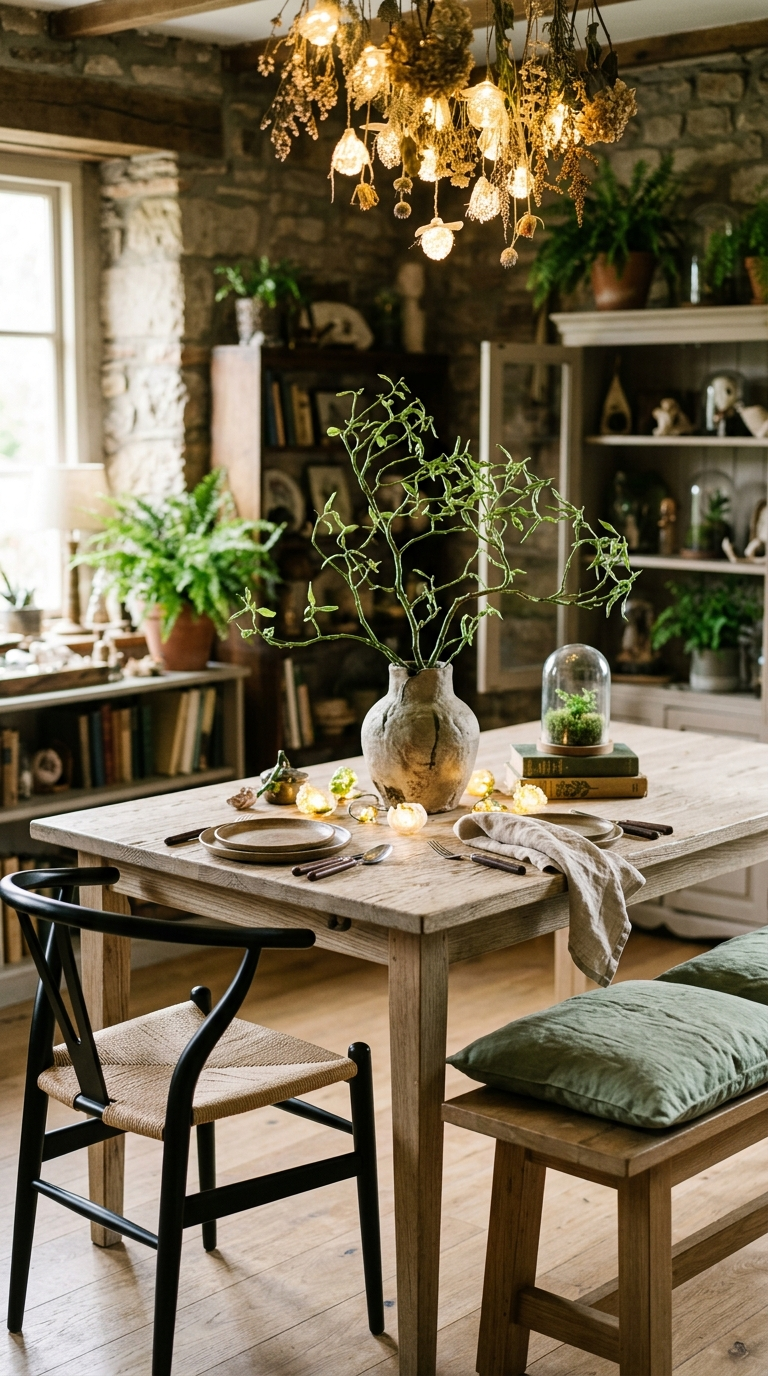
Uniformity can feel clinical. To inject a highly creative, whimsical touch into your dining area, thoughtfully mix your seating. Combine sleek, black-stained wooden wishbone chairs with a long, raw wood bench on one side of the table. This breaks up the visual weight of the room and adds a relaxed, communal Bohemian energy to the otherwise structured Japandi aesthetic. Top the bench with a soft, sage green linen cushion for added texture and comfort.
3. Install Magical, Low-Hanging Paper Pendants
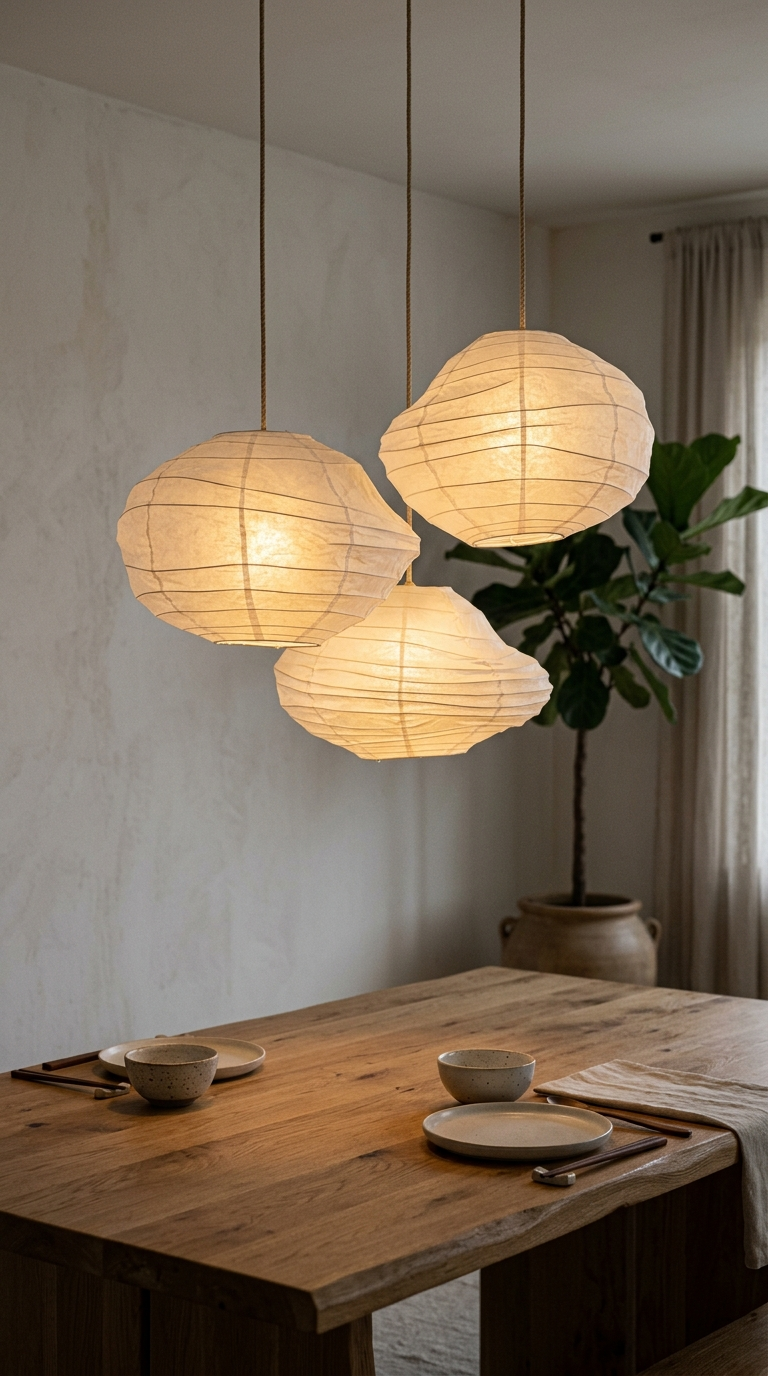
Lighting in a Japandi space must be exceptionally soft and diffused. Replace traditional chandeliers with oversized, organically shaped paper lantern pendants. Hang them relatively low over the center of the dining table to create an intimate, magical glowing sphere of light during evening meals. This specific type of lighting completely alters the mood of the room, turning an ordinary dinner into a deeply romantic, sensory experience.
4. Establish a Monochromatic Sage Green Backdrop
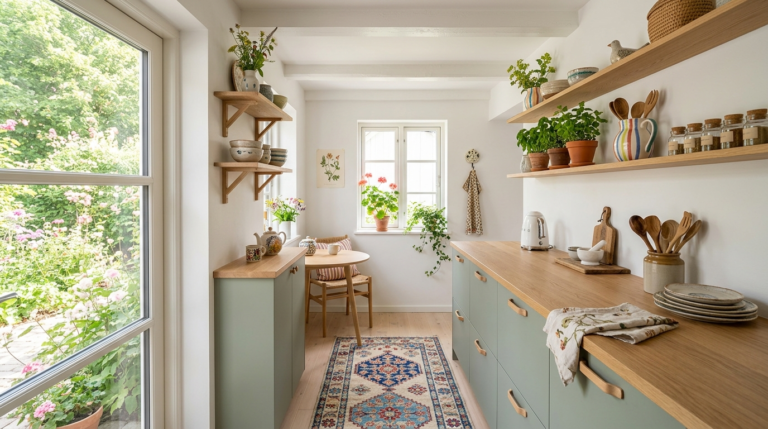
Color is minimal in Japandi design, but when used, it must be highly intentional. Paint the walls of your dining area or the kitchen cabinets in a soft, misty sage green. This color acts as a soothing neutral that deeply connects the interior space to the natural world outside. It is vastly superior to harsh whites or heavy terracotta, providing a calming, botanical canvas that allows your natural wood furniture to truly pop.
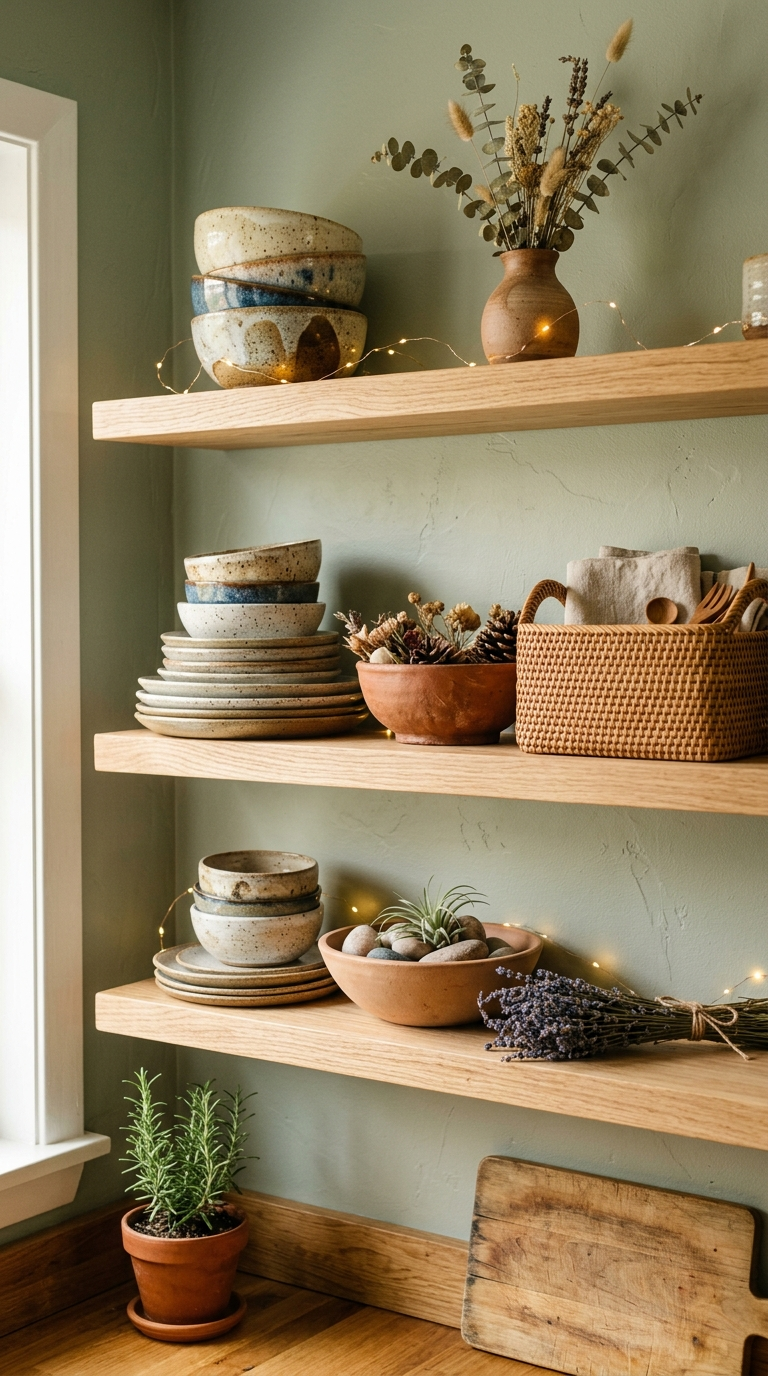
5. Curate Open Shelving with Wabi-Sabi Ceramics
Embrace the Japanese concept of wabi-sabi—finding beauty in imperfection. Install a few light wood floating shelves in the kitchen and beautifully display a curated collection of handmade, irregularly shaped ceramics. Think speckled stoneware plates, unglazed clay bowls, and quirky, asymmetrical mugs perfect for herbal tea. This intentional display adds immense character and a highly creative, artisanal touch to the space.
6. Create a Dedicated Tea Station
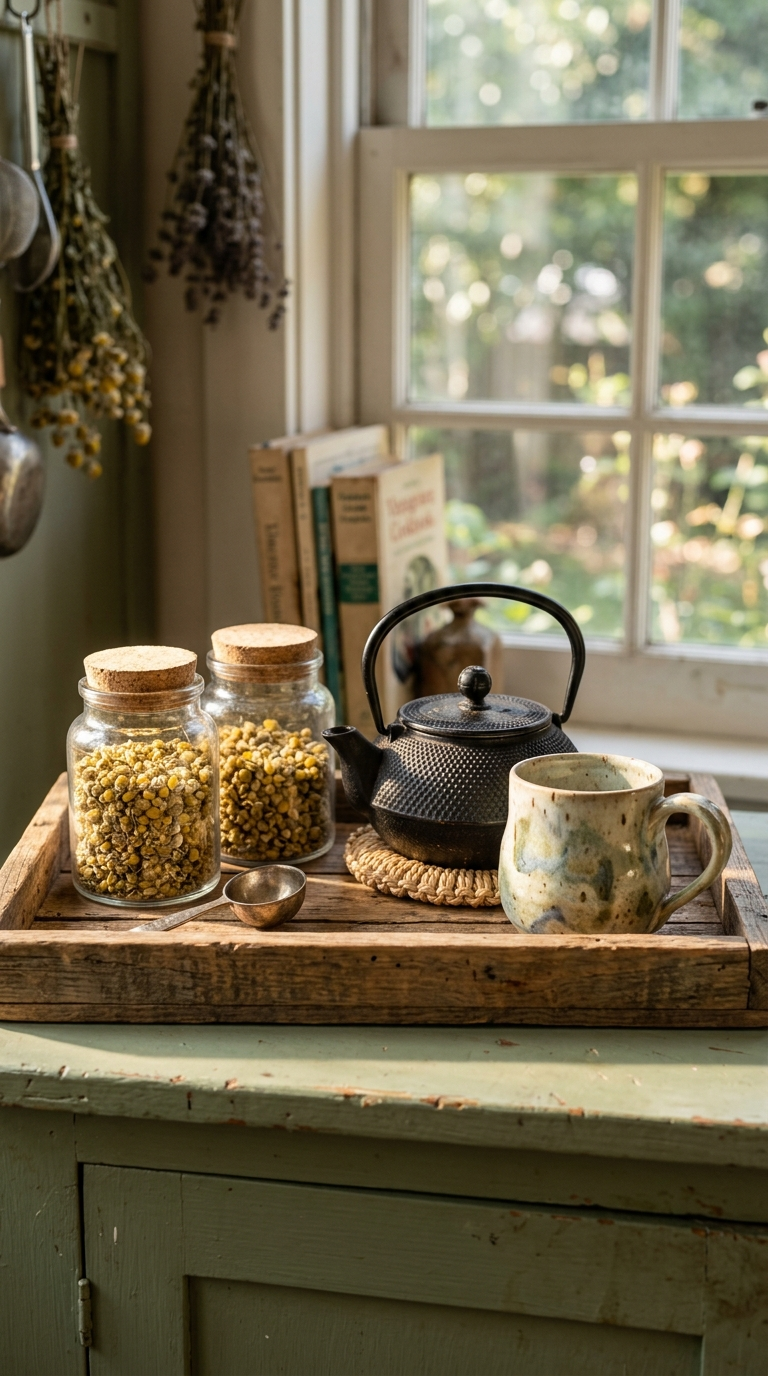
A dedicated beverage station is a hallmark of cozy living. Carve out a small section of your kitchen counter to serve as a whimsical tea station. Utilize a wooden tray to neatly organize glass canisters of loose-leaf chamomile, a cast-iron teapot, and your favorite Morning Smile Club mugs. This functional little nook encourages the mindful daily ritual of brewing tea, adding a layer of slow-living magic to your routine.
7. Incorporate Subtle, Quirky Decor
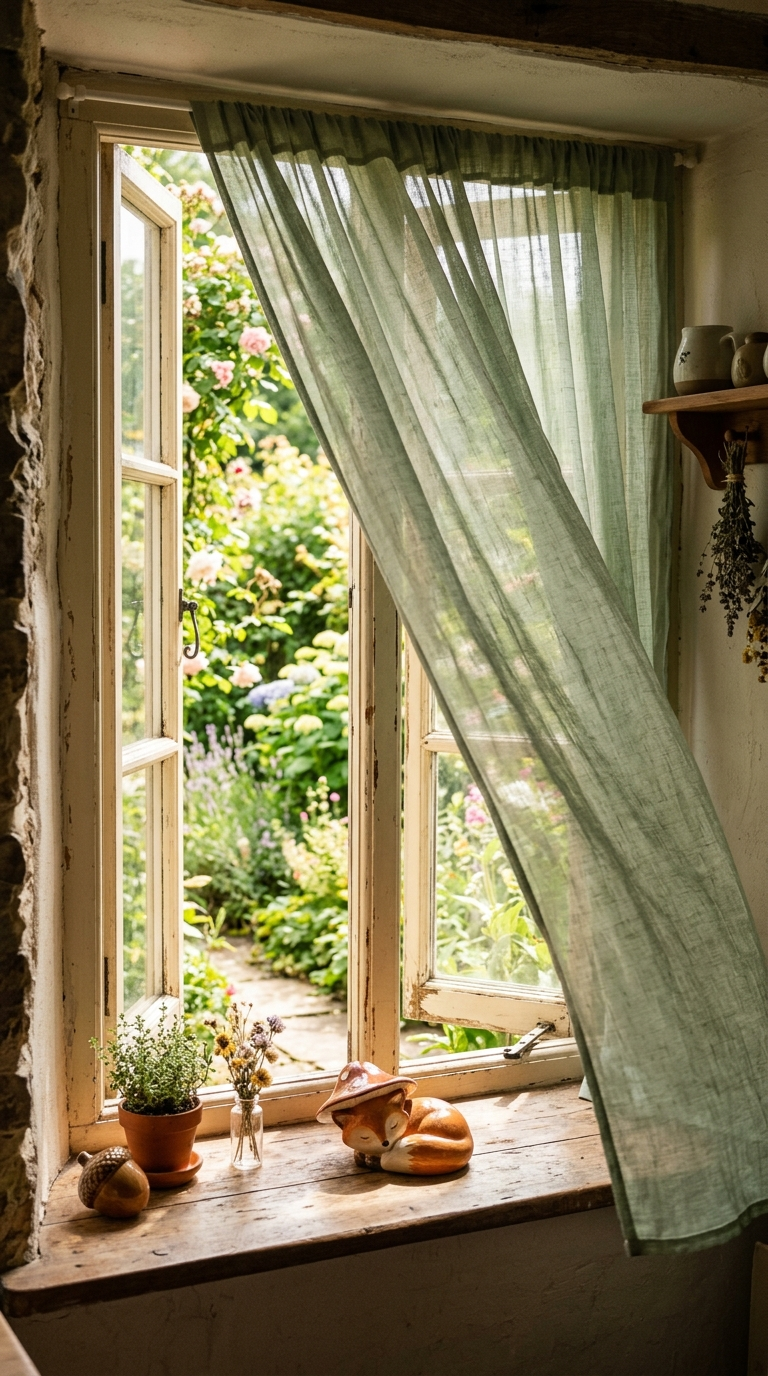
While Japandi is minimalist, it shouldn’t lack personality. Introduce small, highly creative, and imaginative decor elements that bring joy without causing visual clutter. A tiny, kawaii-style ceramic woodland creature resting on a windowsill, or a beautifully carved wooden spoon resting in a small dish, adds that essential whimsical touch that keeps the room feeling fresh, playful, and deeply personal.
8. Utilize Natural Stone Accents
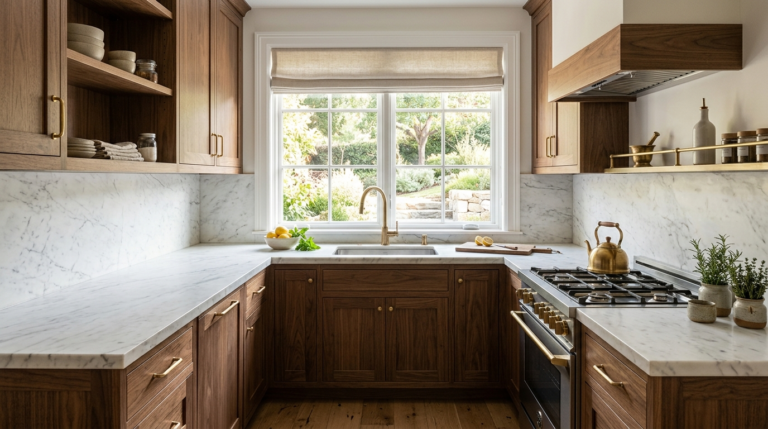
Contrast the warmth of the wood with cool, natural stone. Consider a matte-finished soapstone or honed light grey quartz for countertops or a small kitchen island. The subtle veining and incredibly smooth texture of natural stone perfectly complement the Japandi aesthetic, adding a touch of quiet, enduring luxury to the functional areas of the kitchen.
9. Maximize Natural Summer Light
During the summer, natural light is your greatest asset. Remove heavy drapes and blinds. Instead, use sheer, sage green or unbleached linen curtains that catch the summer breeze and diffuse the harsh sunlight into a soft, magical, ethereal glow. Maximizing natural light instantly makes the space feel larger, cleaner, and infinitely more welcoming.
10. Hide Appliances for Seamless Lines
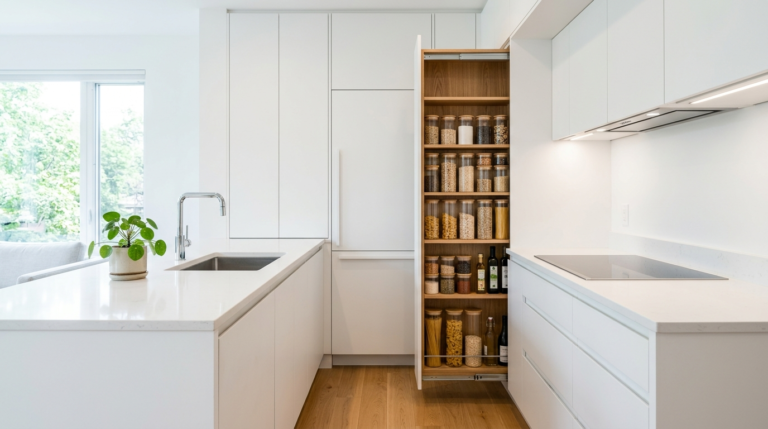
To maintain the uninterrupted, serene visual flow essential to Japandi design, invest in panel-ready appliances. Hiding the refrigerator and dishwasher behind custom cabinetry panels that match your sage green or natural wood finishes eliminates visual noise and elevates the entire kitchen into a seamless, highly designed architectural space.
11. Bring in Sculptural Branches
Instead of overly manicured floral arrangements, opt for dramatic, sculptural branches. A large, rustic ceramic vase placed in the center of the dining table holding a single, arching branch of summer greenery or dried foliage acts as a stunning, minimalist focal point that perfectly captures the essence of bringing nature indoors.
12. Layer with Textured Linen Textiles
Soften the hard lines of the furniture with high-quality, textured linens. A wrinkled linen table runner down the center of the raw wood table, paired with matching linen cloth napkins, adds a relaxed, effortless Bohemian elegance. Stick to muted, natural colors like cream, oatmeal, and varying shades of green.
13. Install a Sleek, Unobtrusive Backsplash
Avoid busy, overly patterned tiles in a Japandi kitchen. Opt for a sleek, unobtrusive backsplash, such as a solid slab of stone that matches the counters, or vertically stacked, matte-finished ceramic tiles in a soft off-white or pale sage. This keeps the background quiet and allows the beautiful wood and ceramic elements to stand out.
14. Organize with Natural Woven Baskets
Organization is key to maintaining peace. Use beautifully woven rattan or seagrass baskets to store pantry items, root vegetables, or extra kitchen towels. These natural baskets add immense textural interest and keep functional items neatly hidden from view, maintaining the minimalist aesthetic.
15. Incorporate Soft Floor Mats
Kitchens demand long periods of standing. Introduce a soft, woven cotton or natural bamboo floor mat in front of the sink or stove. This not only provides comfort but also adds another layer of subtle texture and warmth to the kitchen floor, particularly if you have cool stone or concrete flooring.
16. Maintain a Clutter-Free Philosophy
The most important idea of all is a commitment to a clutter-free lifestyle. Make it a daily ritual to clear the dining table and kitchen counters completely. This highly intentional practice ensures that your beautifully designed Japandi space remains a magical, peaceful sanctuary, ready to welcome you with open arms every single morning.
Explore the quiet beauty of thoughtfully designed kitchen and dining spaces where function meets refined elegance. Discover how to create rooms that invite connection, celebrate food, and stand the test of time.
Maximize your small kitchen space with clean, minimalist storage solutions. From clever cabinetry to hidden compartments, organize your kitchen effortlessly.
Discover how to craft a luxurious yet practical small kitchen that feels spacious, sophisticated, and timeless. This elegant narrative explores material choices, clever layouts, lighting, and styling secrets for compact culinary spaces.
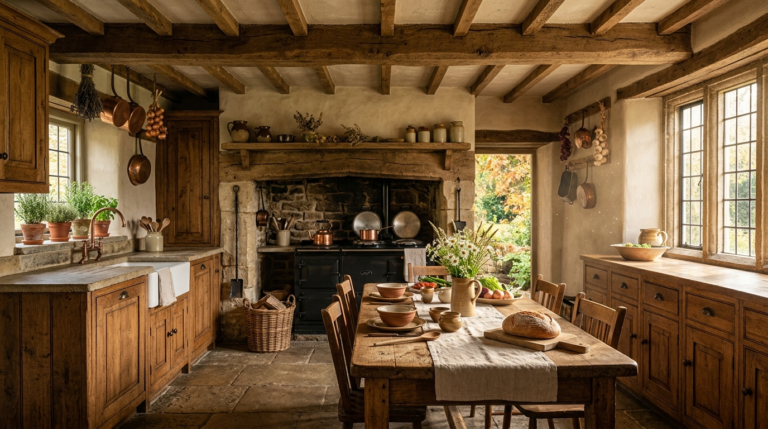
Step into the cozy elegance of traditional kitchens. Explore beautiful design ideas featuring reclaimed wood, natural stone, and vintage charm that endures.
Discover the future of kitchen and dining design. From warm minimalism to integrated social spaces, explore the top interior trends defining the home this year.