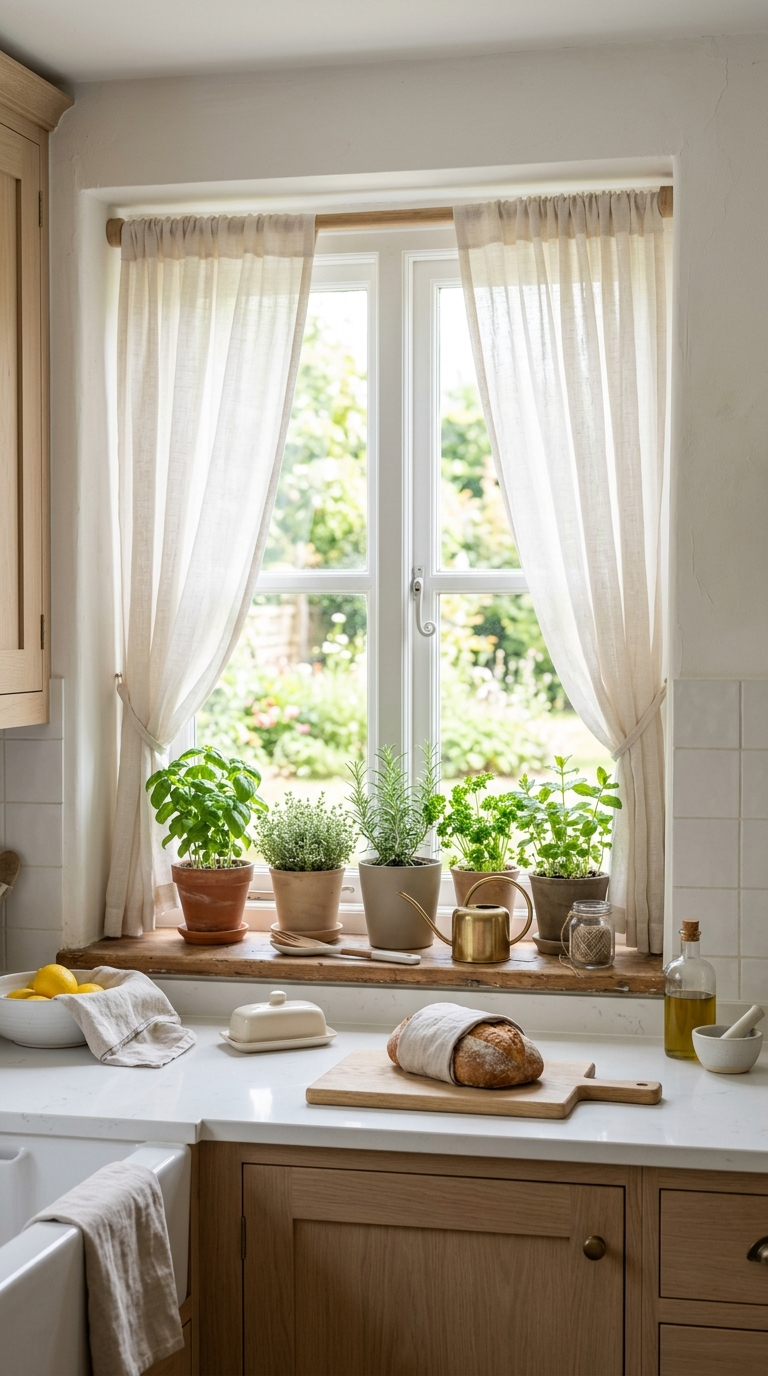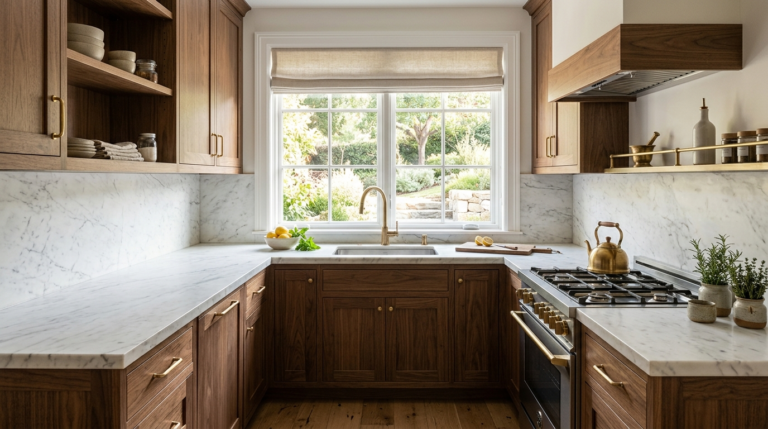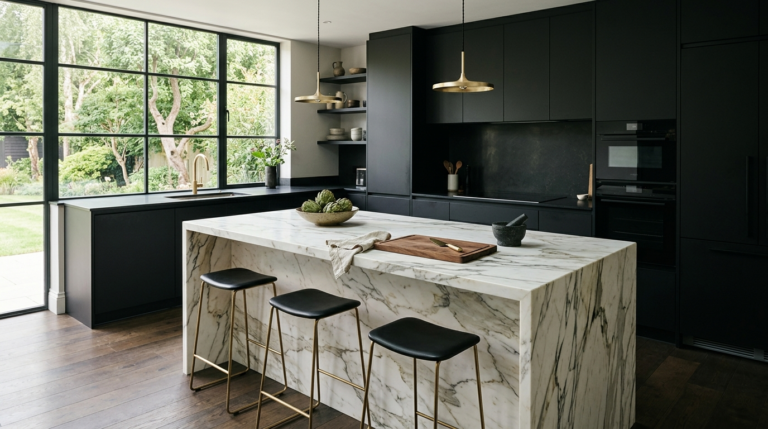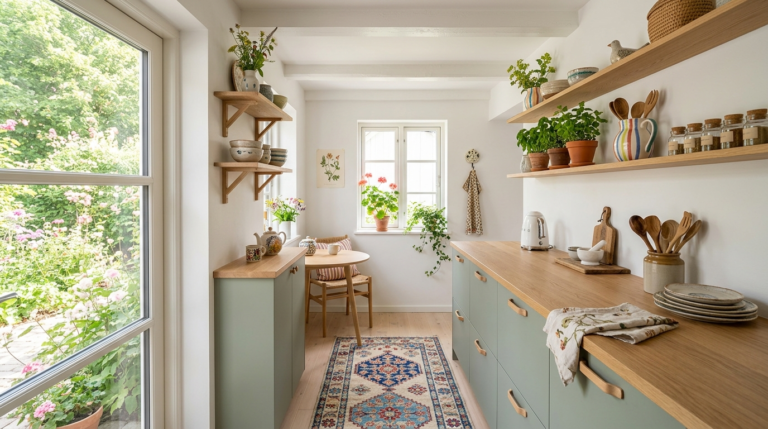
There is something profoundly human about gathering around a table to share a meal. The kitchen and dining spaces in our homes are where daily rituals unfold, celebrations happen, and connections deepen. In this elegant narrative, we celebrate the timeless approach to these rooms that prioritizes beauty, functionality, and the quiet joy of togetherness. Drawing from minimalist and clean aesthetic principles, we explore how thoughtful design choices in layout, materials, lighting, and styling can transform these hardworking spaces into serene backdrops for life’s most meaningful moments. Whether you cook every day or entertain occasionally, these ideas will help you create rooms that feel both elevated and welcoming, where every detail supports the act of gathering without unnecessary fuss. The minimalist and clean aesthetic is not about cold perfection; it is about intentional simplicity that lets the people and the food take center stage while providing a calm, beautiful container for daily life.
The Heart of the Home: Designing a Kitchen That Works Beautifully
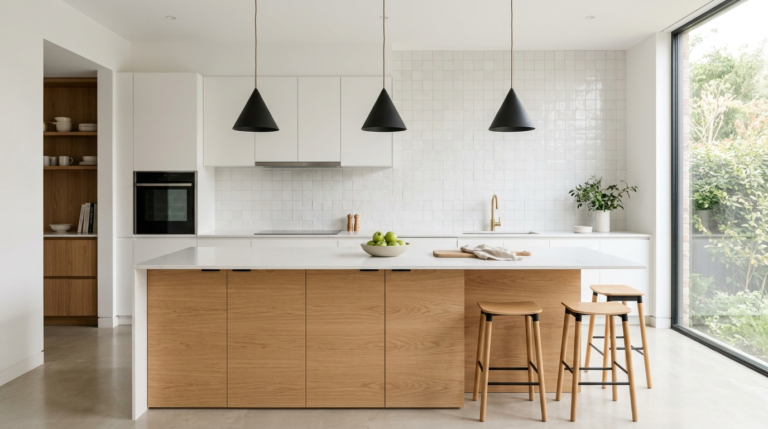
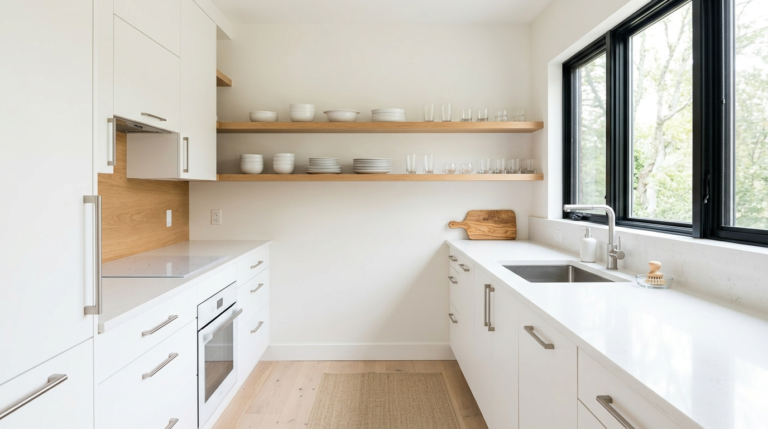
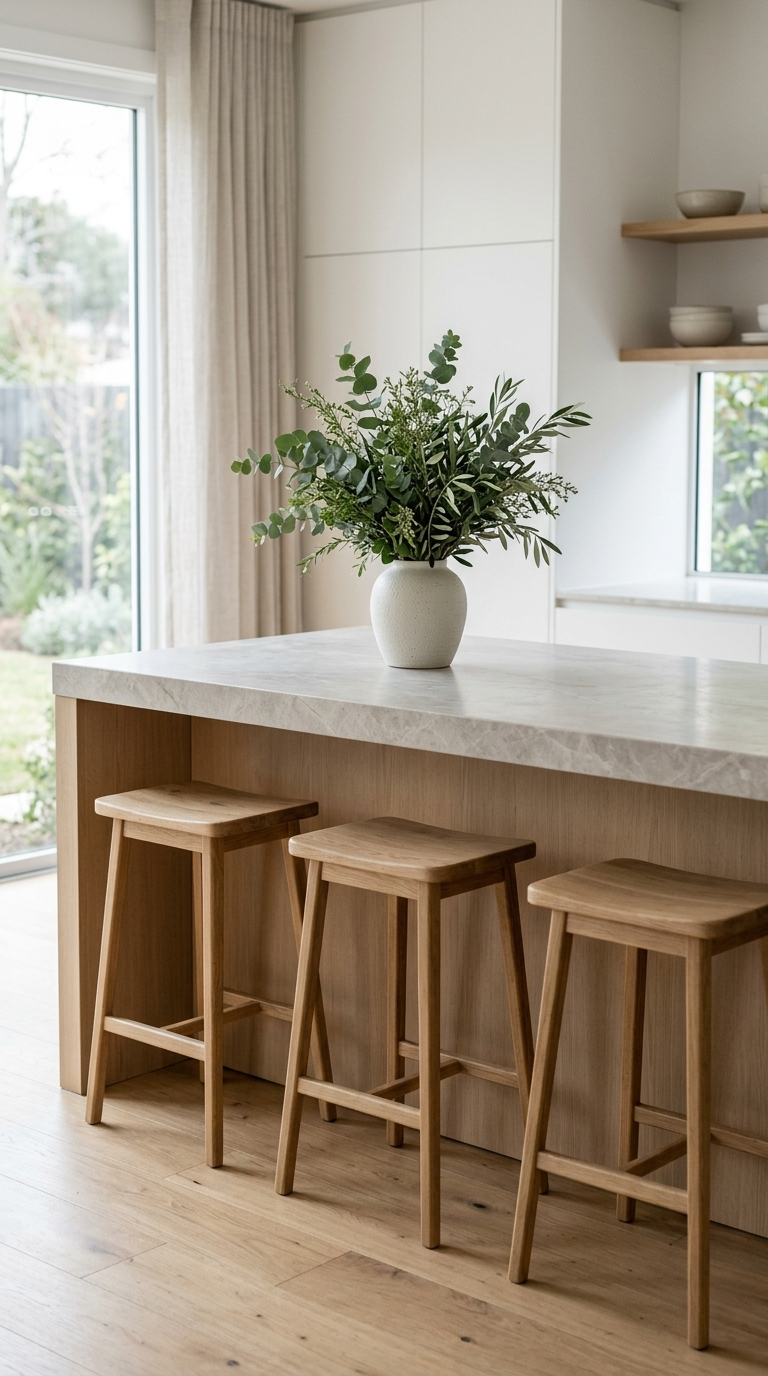
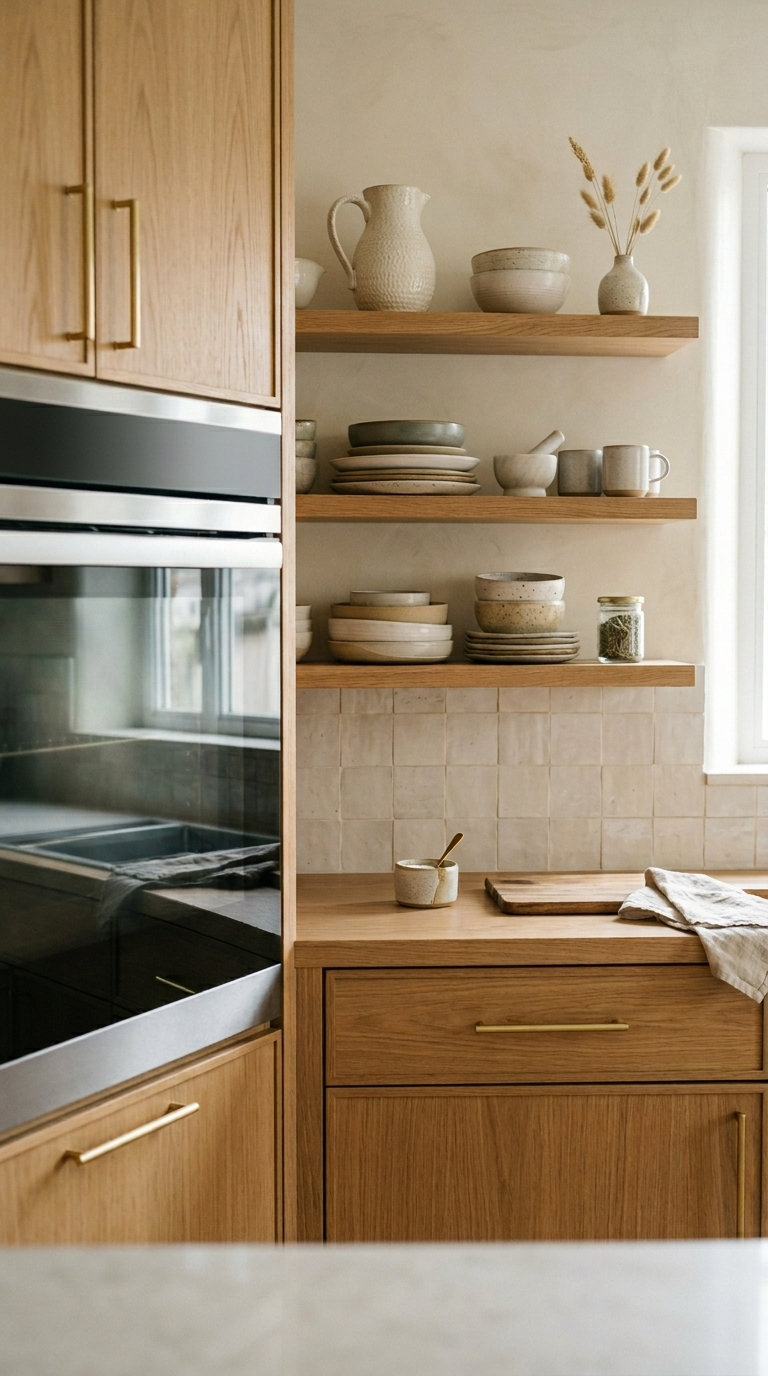
A truly successful kitchen balances the practical demands of cooking and cleaning with the emotional need for a space that feels calm and inspiring. In the minimalist and clean aesthetic, this balance is achieved through thoughtful editing and high-quality materials that age gracefully. Begin with the layout; the classic work triangle between sink, stove, and refrigerator remains relevant, but modern interpretations allow for more flexible zones that accommodate multiple cooks or casual dining. Islands have become almost essential, providing extra workspace, storage, and a natural gathering spot. Choose materials that are both beautiful and resilient; honed marble or quartzite for countertops that develop character over time, solid wood or matte lacquer cabinetry in soft neutral tones, and hardware in brushed brass or matte black that feels substantial in the hand. Open shelving can replace some upper cabinets to create visual breathing room and allow you to display beautiful dishes and glassware, but keep it edited so the space never feels cluttered. Integrated appliances that disappear into the cabinetry maintain clean lines, while a statement range or beautiful faucet can serve as a subtle focal point. Lighting should be layered: bright task lighting under cabinets and in the range hood for cooking, ambient ceiling lights for general illumination, and perhaps a row of elegant pendants over the island for both task and atmosphere. The minimalist kitchen is not stark; it is edited, warm, and deeply functional, a space that makes daily cooking feel like a pleasure rather than a chore.
The Dining Table as Altar: Creating a Space for Connection
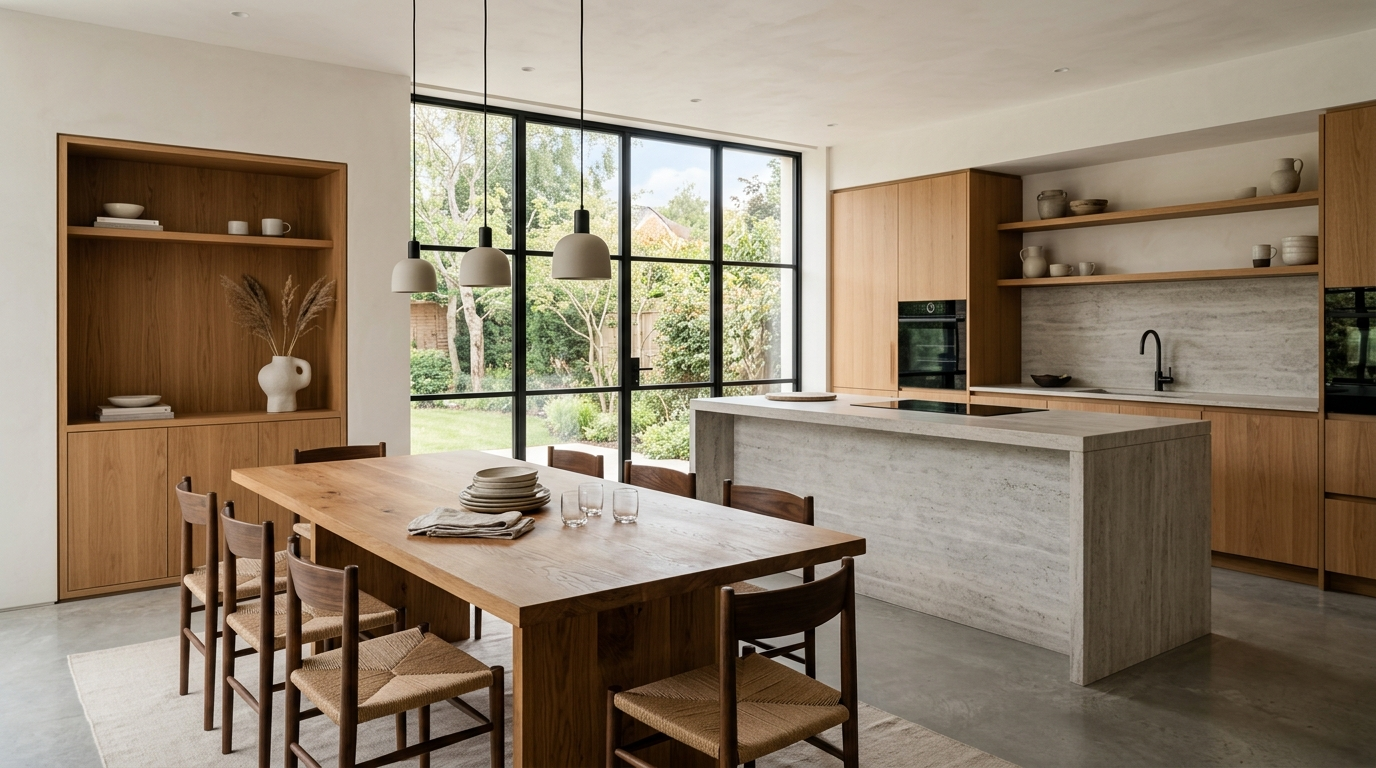
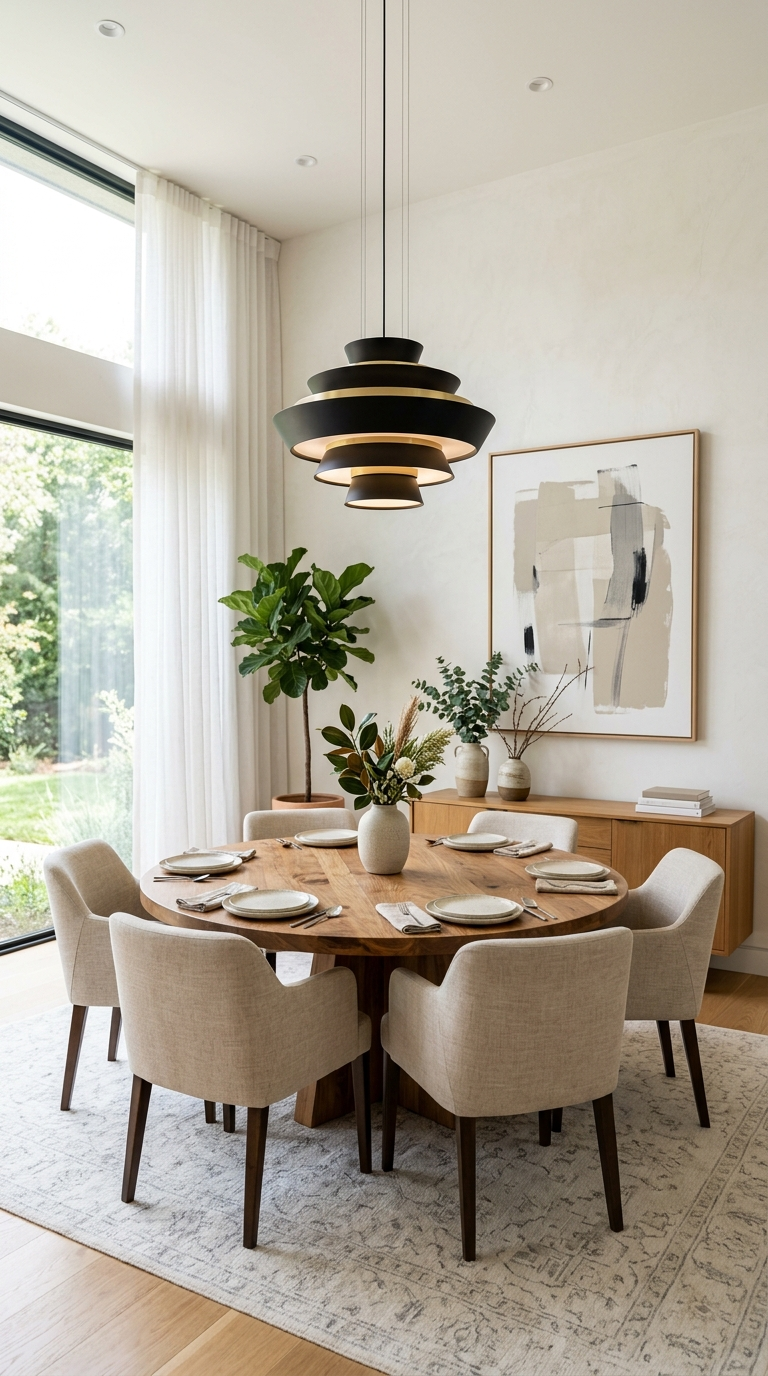
The dining table is where we mark the rhythms of life; weeknight dinners, holiday feasts, quiet breakfasts, and long conversations that stretch into the night. In a minimalist and clean aesthetic, the table itself becomes a sculptural object, simple in form but rich in material and proportion. A large rectangular or round table in solid wood with beautiful grain or a refined stone top grounds the room and provides ample surface for sharing. Surround it with comfortable chairs that invite lingering; upholstered seats in neutral linen or leather, or wooden chairs with clean lines and perhaps a subtle curve in the backrest. The goal is seating that is both beautiful and genuinely comfortable for long meals. Above the table, a chandelier or sculptural pendant provides focused light and a sense of occasion without overwhelming the simplicity of the space. Keep the surrounding room relatively edited; a sideboard or console for serving pieces and linens, perhaps a large piece of art or a mirror on one wall to reflect light and add depth. Window treatments should be minimal; sheer linen panels or nothing at all if privacy allows, to maximize natural light and connection to the outdoors. The dining space in this aesthetic feels generous and calm, a stage set for the real stars: the people gathered and the food shared. It is a room that makes every meal feel a little more special simply by its quiet beauty and thoughtful proportions.
Materials That Tell a Story Over Time
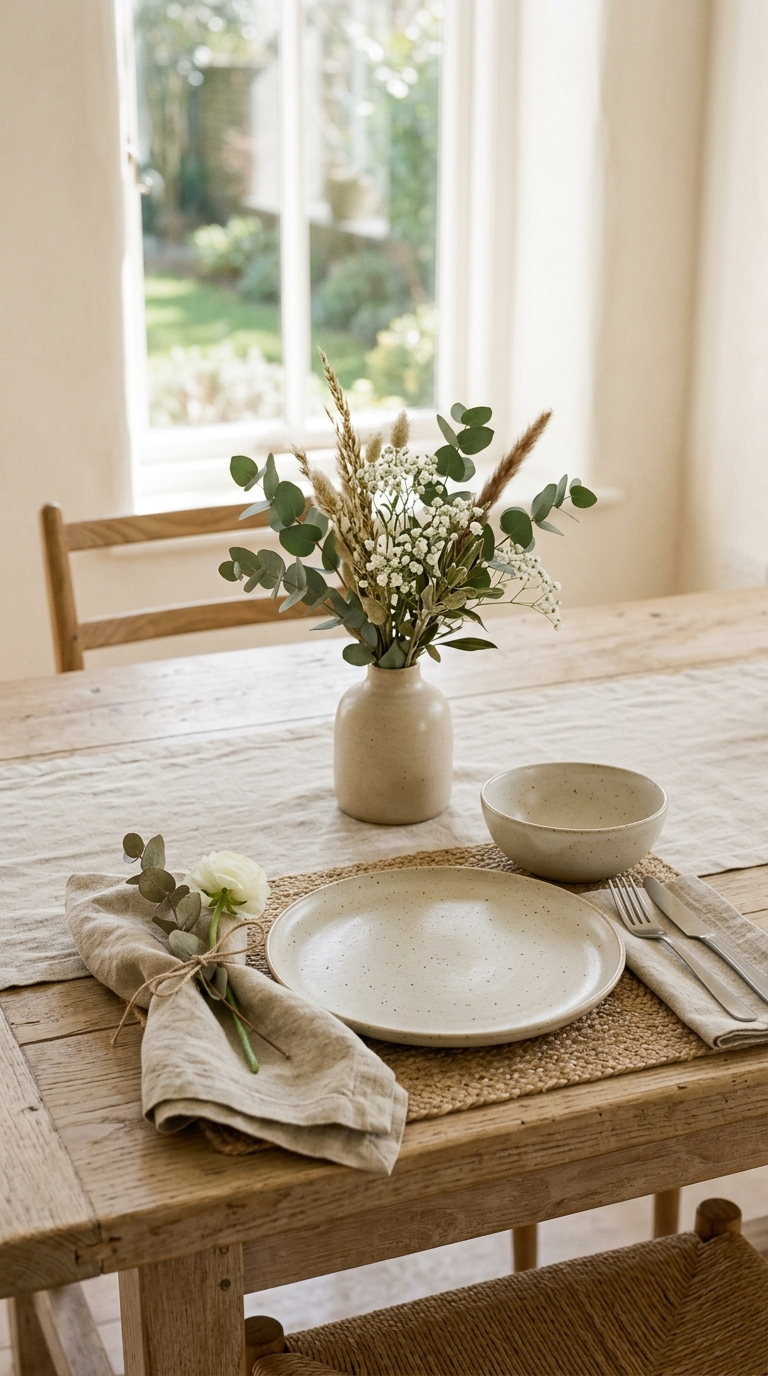
In the minimalist and clean aesthetic, materials are chosen not just for how they look on day one, but for how they will live and age. Natural stone countertops develop a patina that tells the story of meals prepared and conversations had. Solid wood cabinetry and flooring gain character with use, the small marks and softening of edges becoming part of their beauty rather than flaws to hide. Linen textiles for napkins, tablecloths, and curtains soften with washing and develop a relaxed, lived-in elegance that perfectly complements the aesthetic. Ceramics and glassware with subtle variations in glaze or shape add warmth and personality without cluttering the visual field. Metals like brushed brass or blackened steel develop a soft sheen over time that feels more inviting than high-shine finishes. The key is to choose materials that feel honest and substantial, that reward close attention with their texture and depth. Avoid anything that feels disposable or overly trendy; the minimalist kitchen and dining space is built to last decades and improve with age. When selecting new pieces, ask yourself not only ‘Do I love this now?’ but ‘Will I still love this in ten years?’ This long view creates spaces that feel collected and timeless rather than decorated for a moment in time.
Light, Proportion, and the Quiet Joy of Simplicity
Light and proportion are the invisible architecture of minimalist and clean spaces. Natural light is prioritized through generous windows, strategically placed mirrors, and light-colored surfaces that bounce light deep into the room. Artificial lighting is carefully layered to support different activities and times of day without ever feeling harsh or clinical. In the kitchen, under-cabinet lighting and beautiful pendants over islands provide both task illumination and atmospheric glow. In the dining space, a single beautiful fixture centered over the table creates intimacy and focus. Proportion matters enormously; furniture and fixtures should feel appropriately scaled to the room and to each other, creating a sense of harmony and ease. A too-small table in a large room feels lost; an oversized island in a small kitchen feels cramped. The minimalist aesthetic is deeply concerned with how a space feels to move through and inhabit, not just how it looks in photographs. Negative space is celebrated; empty stretches of wall or countertop allow the eye to rest and the mind to settle. This quiet simplicity creates rooms that feel spacious even when square footage is limited, and generous even when the budget is modest. The result is a kitchen and dining area that supports daily life beautifully while remaining calm enough to be a true refuge at the end of a long day.
Styling for Everyday Beauty and Special Occasions
Even in a minimalist and clean aesthetic, styling adds the final layer of personality and warmth. Keep surfaces relatively clear, but allow a few beautiful objects to breathe. A large wooden bowl of fresh fruit on the island, a vase of seasonal branches or flowers on the dining table, or a beautiful ceramic pitcher on the counter add life and color without clutter. Textiles are your secret weapon; a linen table runner, beautiful napkins, or a soft throw over a chair instantly soften the space and make it feel lived-in and welcoming. For special occasions, layer in more; a tablecloth, candles, and special serving pieces transform the everyday table into a celebration without requiring a complete overhaul. The key is to have a few versatile, beautiful pieces that can be mixed and matched for different moods and seasons. Edit ruthlessly; if something doesn’t add beauty or function, it probably doesn’t belong. The minimalist kitchen and dining space is not about having less for the sake of less; it is about having only what you truly love and use, arranged with care and intention. This approach creates rooms that feel both serene and deeply personal, ready to host both quiet Tuesday night dinners and festive gatherings with equal grace.
Conclusion: Rooms That Honor the Act of Gathering
The kitchen and dining spaces in our homes are more than rooms; they are the stages on which the small and large dramas of life play out. When designed with intention, using the principles of minimalist and clean aesthetic, these spaces support our daily needs while elevating the ordinary acts of cooking and eating into something quietly beautiful. They invite us to slow down, to connect, and to savor both the food and the company. The timeless elegance of such rooms comes not from expensive finishes or trendy gadgets, but from thoughtful proportions, honest materials, careful editing, and a deep respect for the rituals they host. Whether you are feeding a family of five every night or hosting friends for occasional dinners, these spaces can become the heart of your home in the truest sense. Take your time, choose carefully, and trust that simplicity, when done with love and attention, creates rooms that will serve you and your loved ones beautifully for many years to come. The art of gathering is alive and well in homes where the kitchen and dining spaces are designed not just to function, but to nourish in every sense of the word.