As we move deeper into the decade, living room design is embracing a beautiful balance between comfort and sophistication. The trends emerging for 2026 reflect our collective desire for spaces that nurture us emotionally while still looking current and considered. Gone are the stark minimalism and cold palettes of previous years. In their place, we see warm textures, personal collections, and a renewed appreciation for craftsmanship and natural materials. This forecast explores the key trends that will shape living rooms in the coming year and offers practical guidance on how to incorporate them thoughtfully into your own home, regardless of budget or style preference.
The Return of Warmth and Tactility
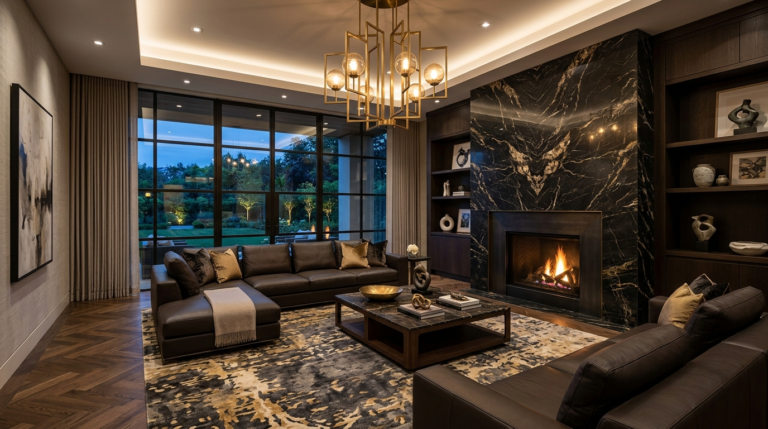
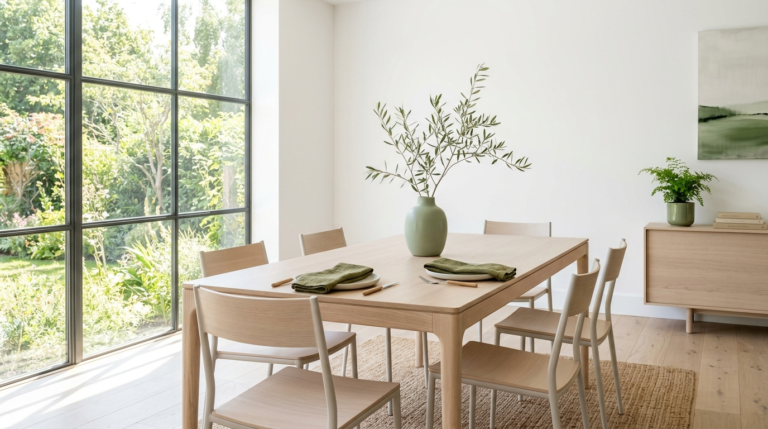
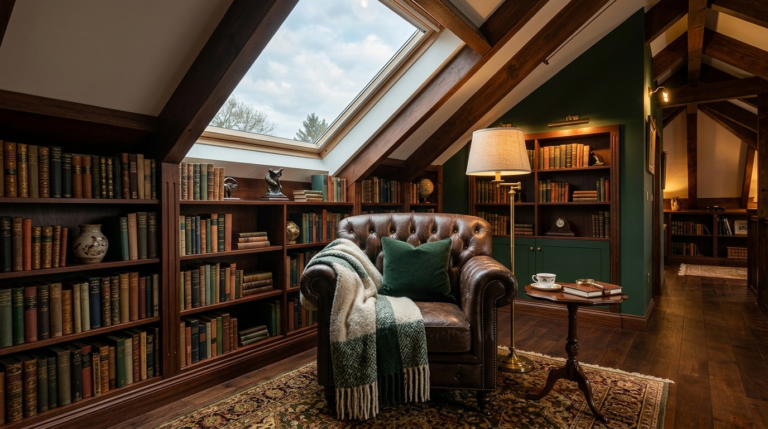
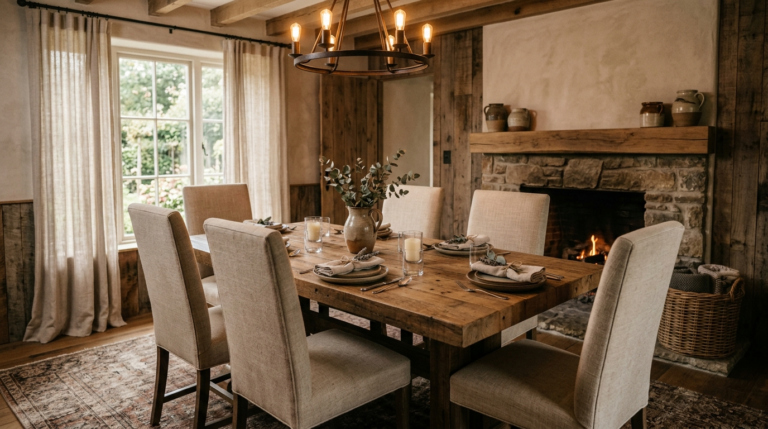
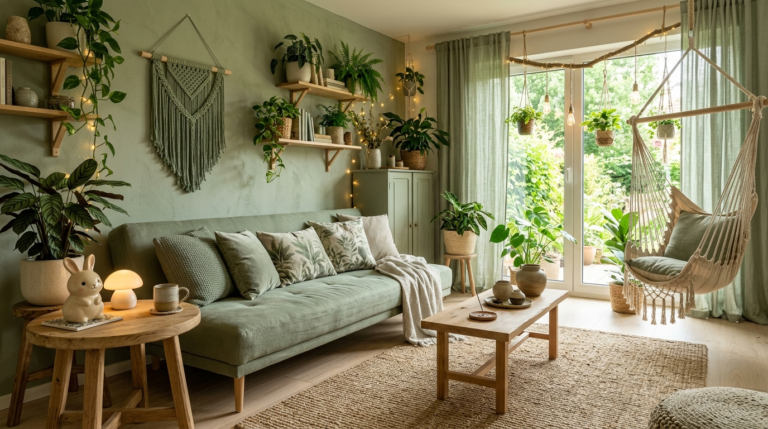
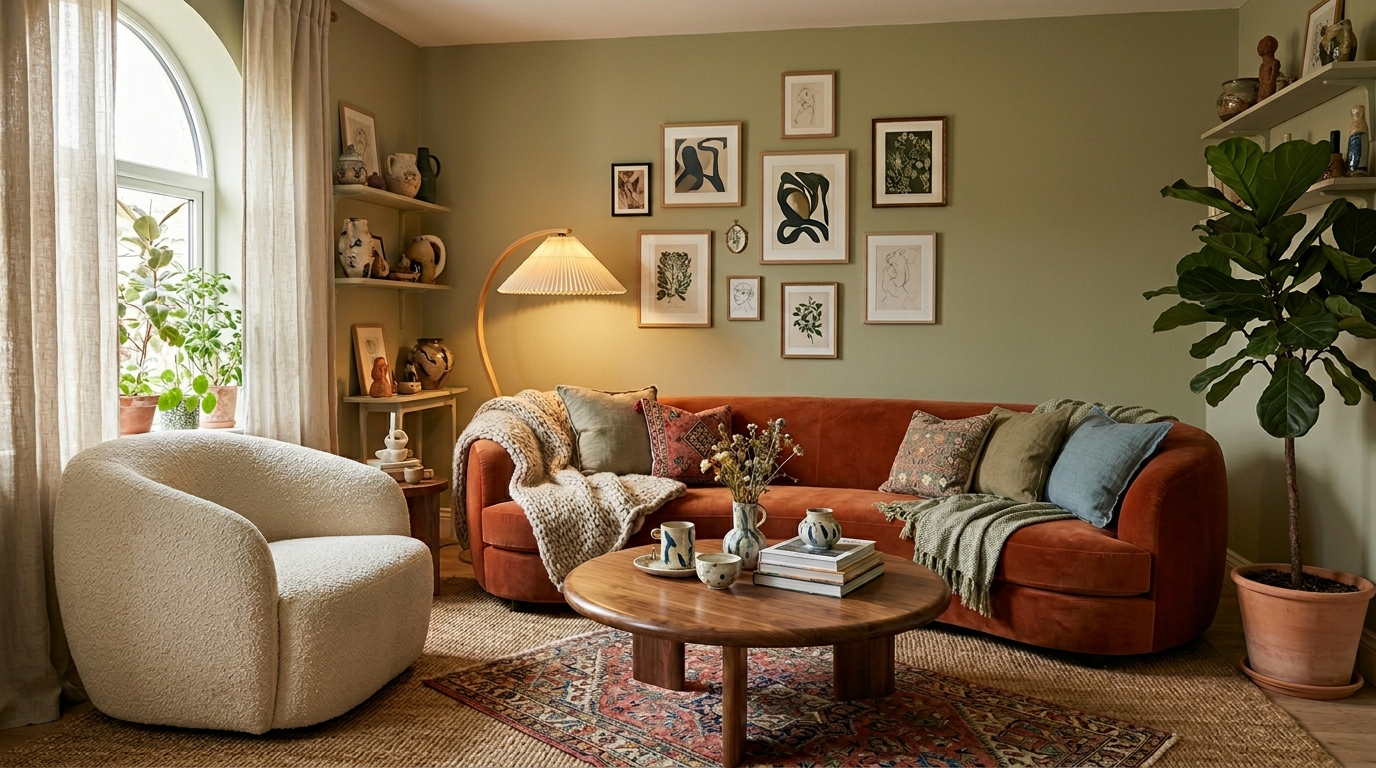
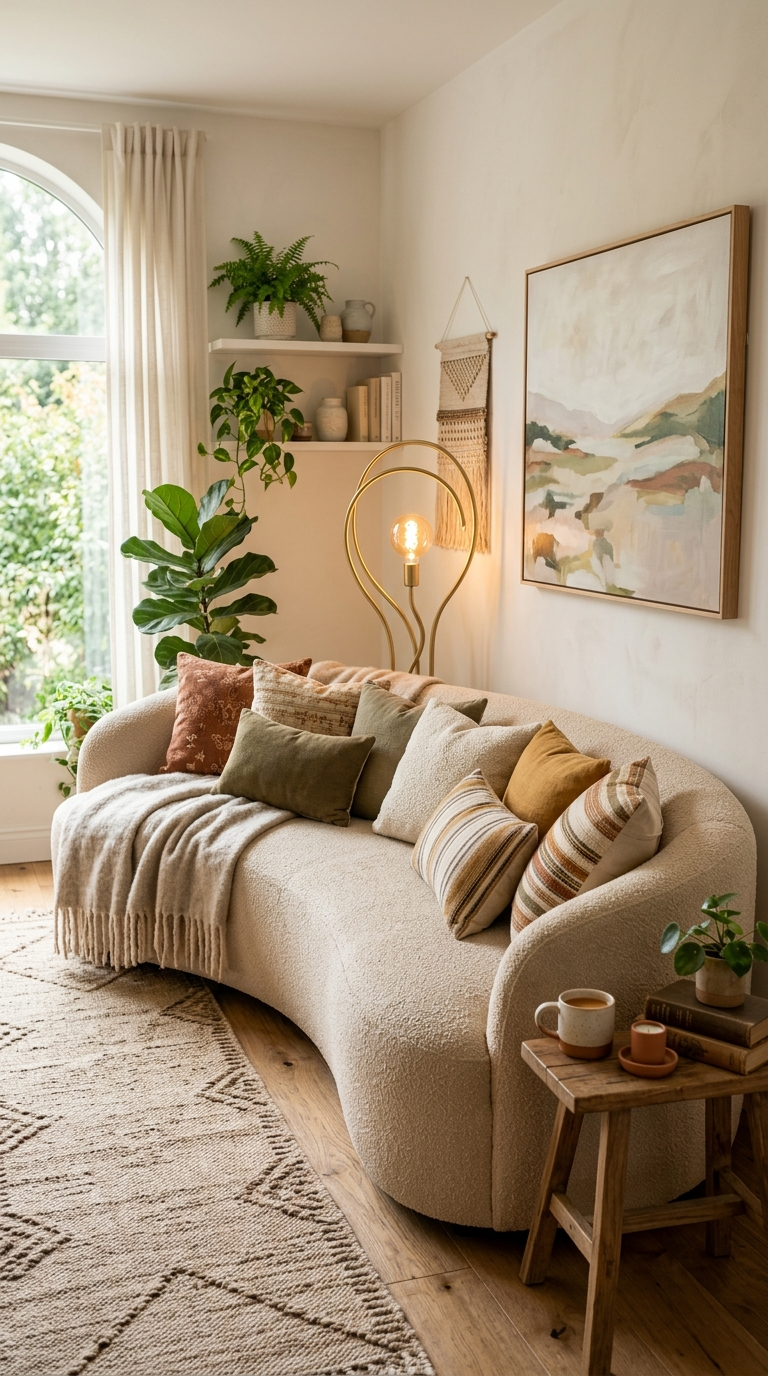
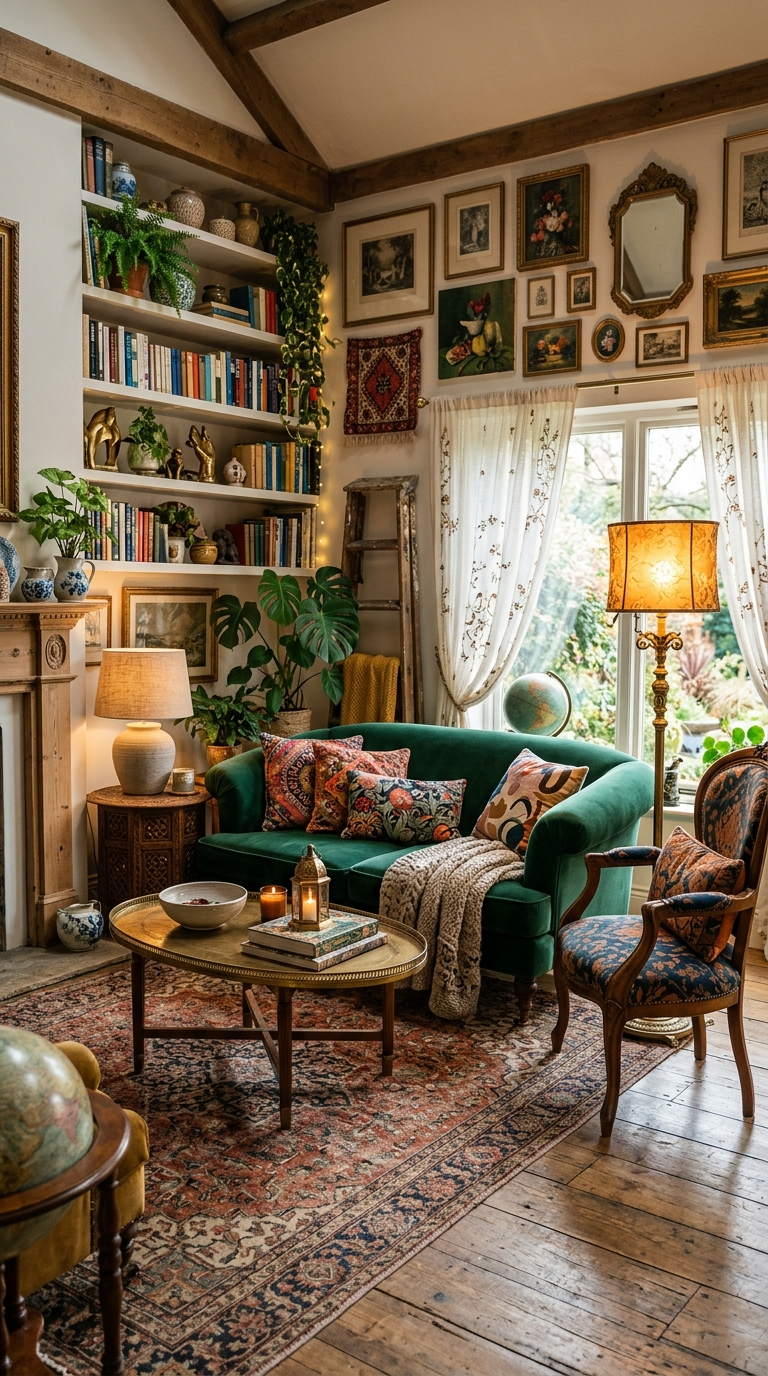
One of the strongest trends for 2026 is the embrace of warmth in all its forms. Color palettes are shifting toward soft neutrals with undertones of cream, taupe, and warm gray, often accented with terracotta, sage, and deep earthy browns. These colors create a soothing backdrop that feels both current and timeless. Texture is equally important. Bouclé, linen, wool, and velvet are appearing on upholstery and pillows, while natural materials like wood, stone, and woven fibers add depth and interest to surfaces. The goal is rooms that invite you to sink in and stay awhile, spaces that feel cocoon-like without being dark or heavy. Layering different textures creates visual richness and a sense of comfort that purely visual design cannot achieve.
This warmth extends to lighting as well. Harsh overhead fixtures are being replaced or supplemented with multiple sources of ambient and accent lighting that can be adjusted throughout the day. Table lamps, floor lamps, wall sconces, and even string lights are being used to create pools of warm light that make rooms feel intimate and welcoming. The trend toward warmth is not about clutter or excess but about intentional layering that creates depth and emotional resonance. It is a reaction against the cold, flat aesthetics that dominated recent years and a return to the human need for comfort and sensory pleasure in our homes.
Curated Collections and Personal Expression
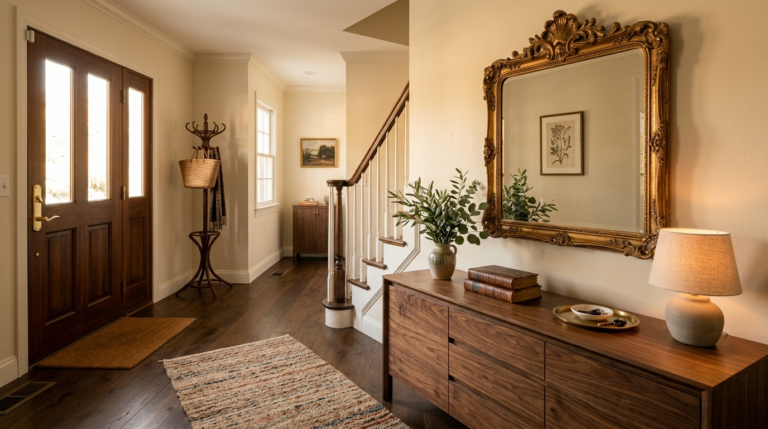
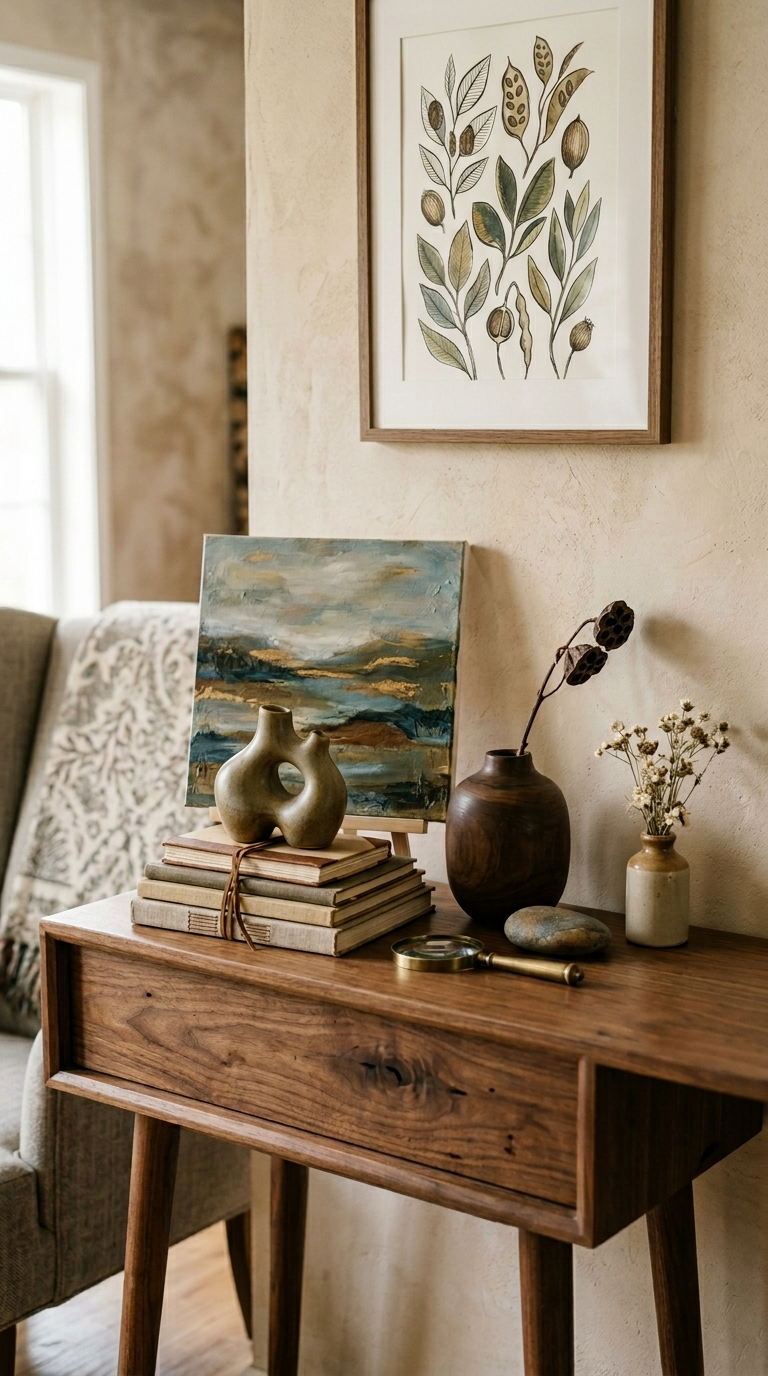
Another significant shift in 2026 living room design is the move away from perfectly matched, showroom-ready rooms toward spaces that tell personal stories. Curated collections of art, books, objects, and furniture from different periods and sources are replacing the matched sets of previous decades. This trend celebrates individuality and the beauty of imperfection. A vintage chair reupholstered in contemporary fabric, a collection of pottery gathered over years of travel, or a gallery wall that mixes family photos with original artwork all contribute to a room that feels authentic and lived-in. The key is curation rather than accumulation. Each piece should earn its place through beauty, meaning, or function.
This personal approach extends to how we style surfaces. Coffee tables and consoles are being treated as opportunities for creative expression rather than surfaces that must remain clear. Thoughtful arrangements of books, small sculptures, plants, and personal mementos create visual interest and invite conversation. The trend is toward rooms that look like they evolved over time rather than being designed in a single shopping trip. This evolution feels more sustainable and more human. It also allows homeowners to incorporate pieces they already own and love, reducing the need for wholesale replacement and making beautiful living rooms more accessible to a wider range of budgets.
Furniture Shapes and the New Comfort
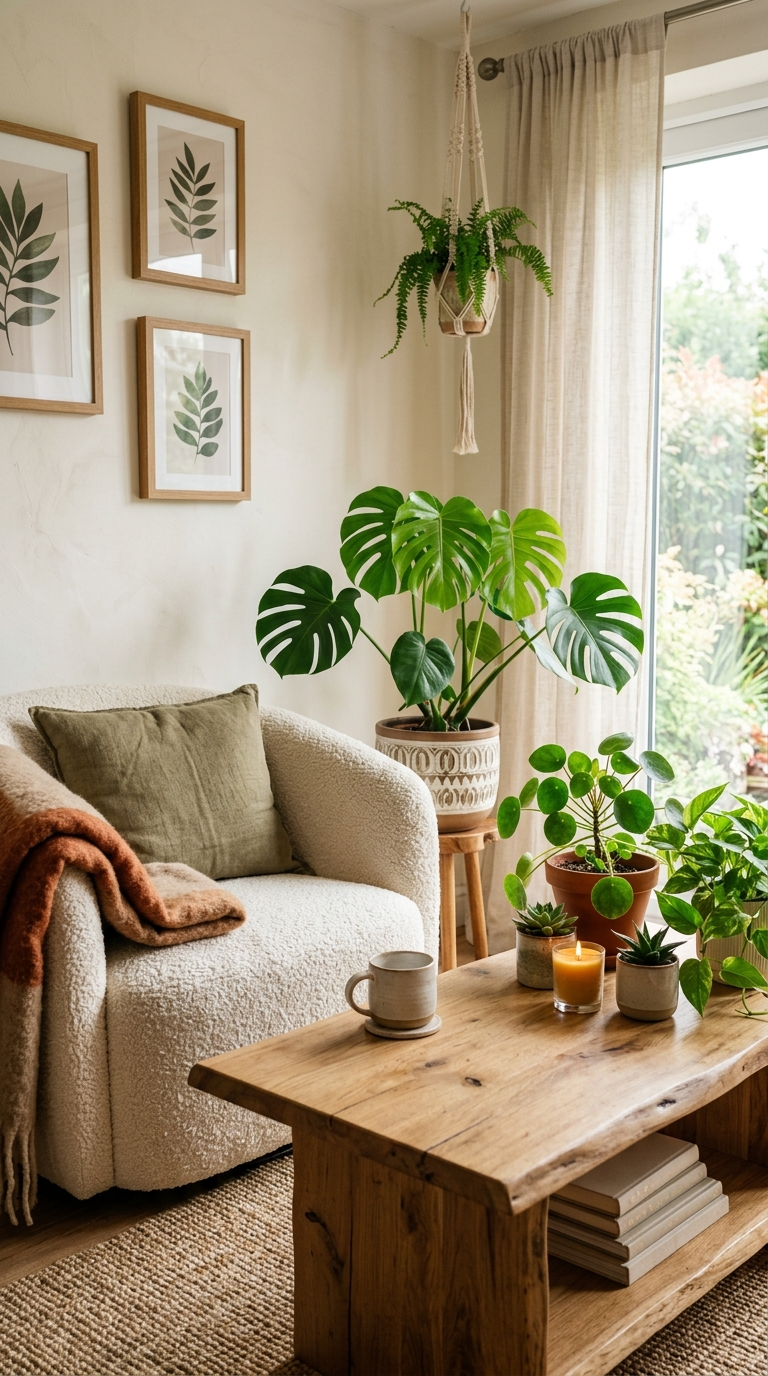
Furniture silhouettes in 2026 are embracing both softness and structure. Curved sofas and chairs are gaining popularity for their organic shapes and inherent sense of welcome. These pieces soften the hard lines of modern architecture and create more intimate conversation areas. At the same time, there is renewed appreciation for well-crafted traditional shapes updated with contemporary fabrics and finishes. The most successful rooms mix these elements: a curved sectional paired with a classic wood coffee table, or a structured armchair in a bold fabric alongside a soft, low-slung sofa. Comfort is non-negotiable. Deep seats, supportive cushions, and the ability to rearrange pieces for different activities are driving purchasing decisions more than ever before.
Modular and flexible furniture is also trending as people seek pieces that can adapt to changing needs and spaces. Sectionals that can be reconfigured, ottomans that double as coffee tables or extra seating, and lightweight side tables that can be moved easily all support the fluid way we use our living rooms today. This practicality does not come at the expense of style. Many modular systems now offer beautiful fabrics and thoughtful details that make them as attractive as they are functional. The trend is toward furniture that works hard while still looking beautiful, pieces that earn their keep in small or multi-purpose spaces.
Color, Pattern, and the Joy of Contrast
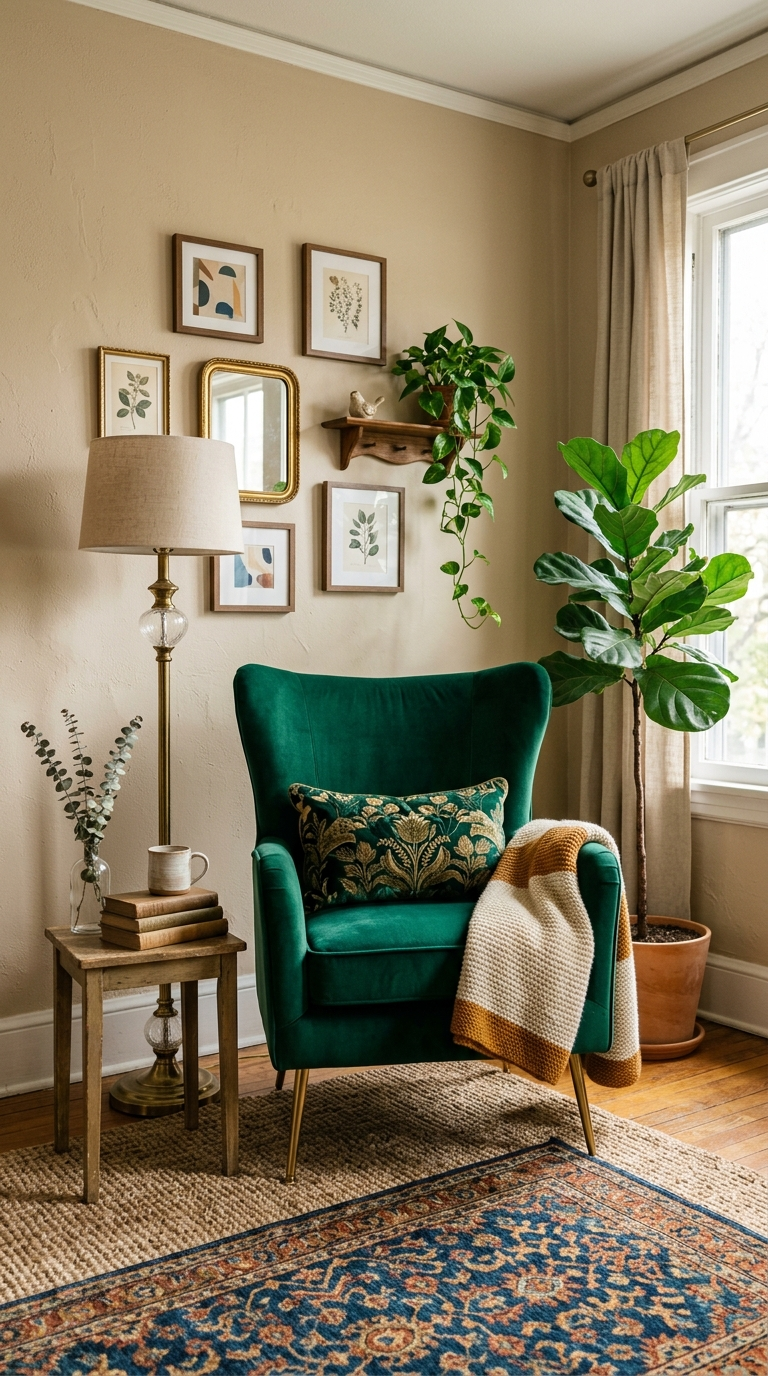
While neutral foundations remain popular, 2026 is seeing bolder use of color and pattern as accents. Deep jewel tones like emerald, sapphire, and ruby are appearing in pillows, throws, and occasional chairs, adding richness and personality. Pattern is being used more confidently as well, with subtle stripes, gentle geometrics, and organic motifs adding interest without overwhelming the room. The key is balance: a patterned pillow or two against a mostly solid sofa, or a bold rug grounding a more restrained furniture arrangement. This restrained use of pattern and color creates visual interest while maintaining the calm, collected feeling that defines current living room design.
Contrast is also being celebrated. Mixing wood tones, combining matte and shiny finishes, and pairing old with new all contribute to the layered, collected look that feels fresh and personal. A mid-century modern chair in a traditional room, or a rustic wood table with sleek metal chairs, creates the tension and interest that makes a space memorable. This trend toward contrast reflects a broader cultural shift toward authenticity and away from rigid style categories. The most beautiful living rooms in 2026 will be those that feel like they could only belong to the people who live there, not like they were copied from a catalog or social media feed.
How to Bring 2026 Trends into Your Living Room
Incorporating these trends does not require a complete overhaul. Start with what you already have and identify opportunities to add warmth through textiles, lighting, and natural materials. Introduce one or two new furniture pieces with interesting shapes or updated fabrics. Begin or expand a collection of art or objects that genuinely interest you. Experiment with layering patterns and colors in small ways through pillows and throws before committing to larger investments. The most successful trend adoption happens gradually, allowing you to live with changes and refine your approach over time. Focus on the aspects of these trends that resonate with you personally rather than trying to implement every idea at once.
Remember that trends are tools, not rules. The goal is to create a living room that supports your life and brings you joy, not to achieve a particular aesthetic for its own sake. Use these forecasts as inspiration and permission to experiment, but always filter them through your own taste, needs, and the realities of your space and budget. The most timeless rooms are those that evolve thoughtfully over time, incorporating new ideas while staying true to the people who inhabit them. That is the real trend worth following in 2026 and beyond.
As living room design continues to evolve, one thing remains constant: the best spaces are those that make us feel at home. Whether you embrace every trend or selectively adopt the ideas that speak to you, the goal is the same. Create rooms where you want to spend time, where friends and family gather naturally, and where the stresses of the outside world fade away. That is the true measure of successful design, regardless of the year or the trends it brings.