The allure of a dark, moody kitchen is undeniable. It exudes an unmatched sense of luxury, architectural drama, and sophisticated refinement. However, many homeowners shy away from this striking aesthetic out of a very real fear: that wrapping a space in deep charcoal, obsidian, or matte black will turn their lively cooking area into a claustrophobic, cave-like dungeon. The secret to success does not lie in avoiding dark tones, but in mastering the precise interplay of illumination, surface finishes, and organic contrasts. This step-by-step guide will walk you through the essential principles of designing a breathtaking, luxury-grade dark kitchen that feels expansive, welcoming, and brilliantly sophisticated.
Step 1: Establishing Your Base Finishes and Core Palette
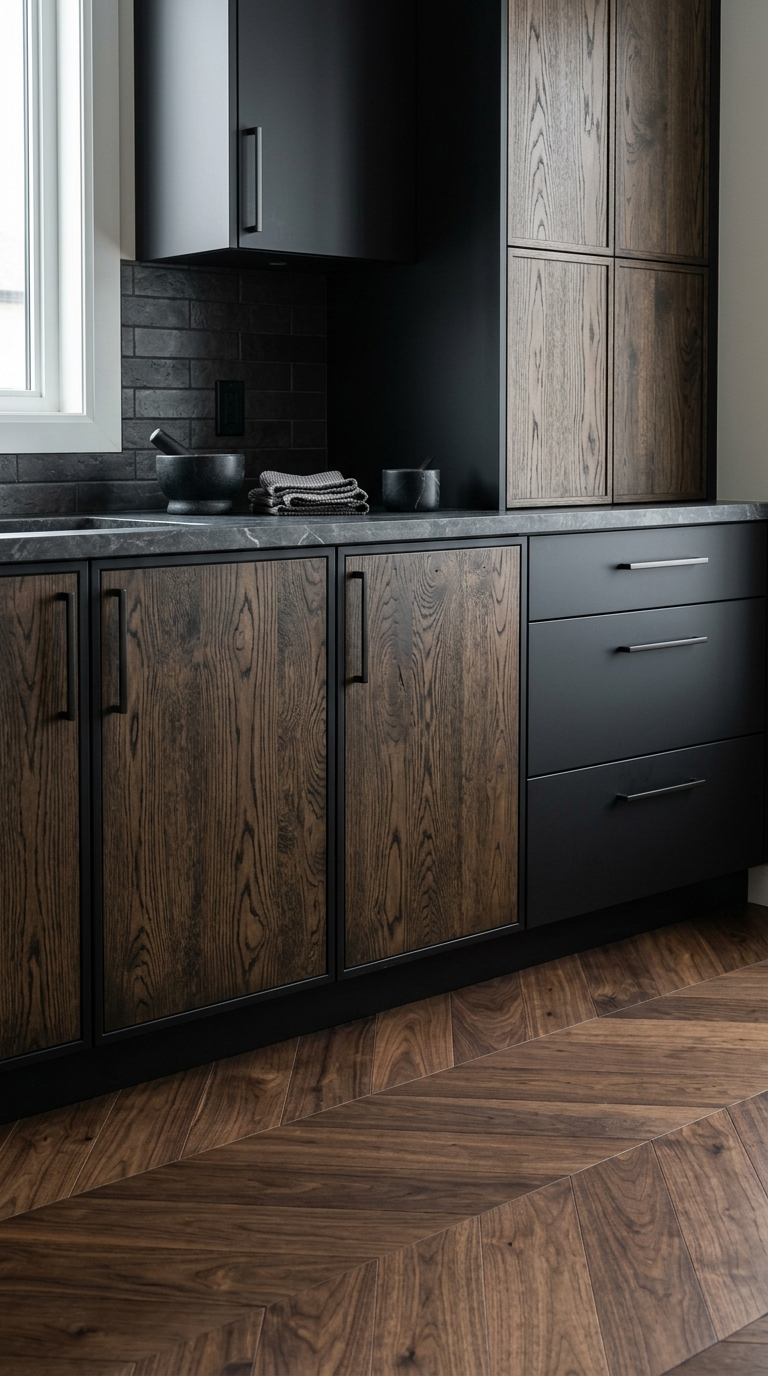
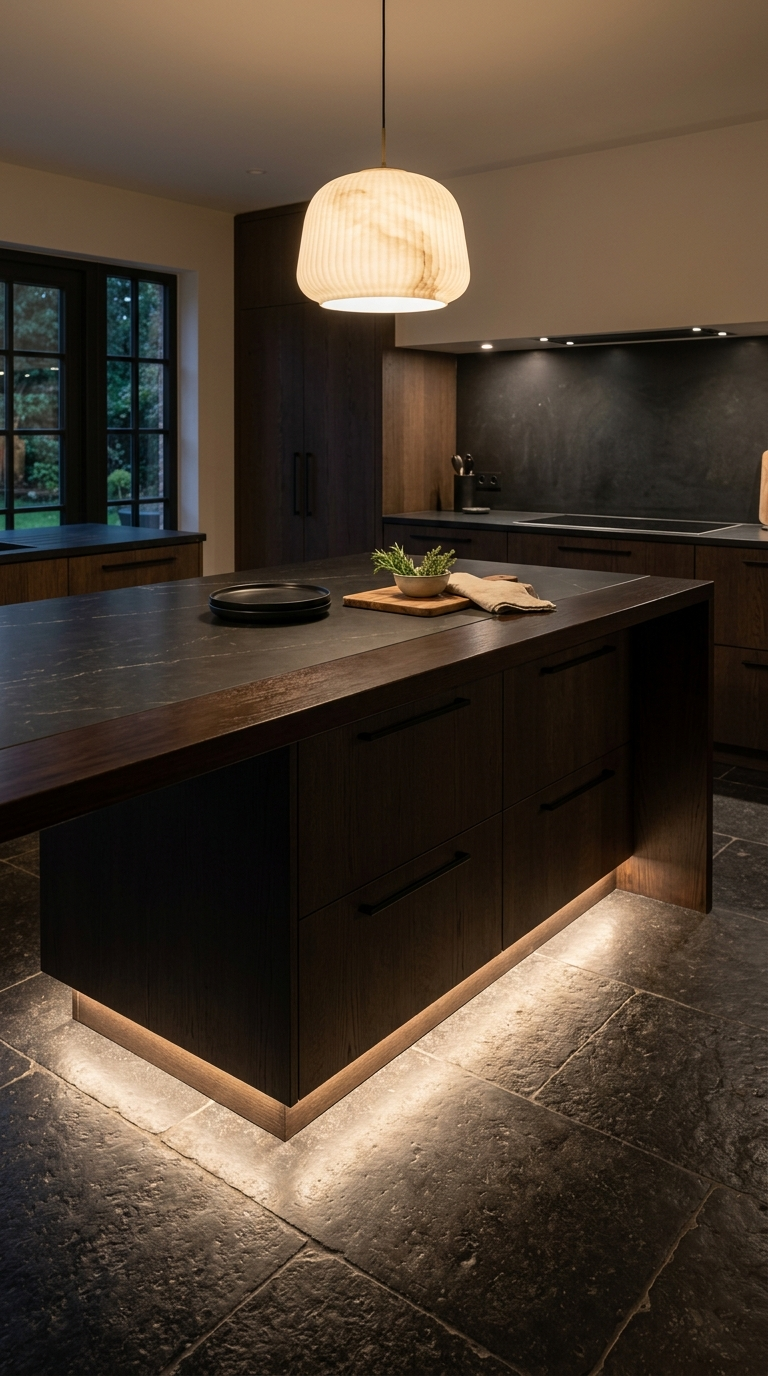
Before selecting a single cabinet or appliance, you must define the exact tonal values of your primary surfaces. A premium black kitchen is never truly monochrome; it relies on an array of deep, nuanced shades working in absolute harmony. Begin by choosing the cabinet profile and finish. Matte black finishes are exceptionally popular in high-end design because they absorb light softly, preventing harsh glare and minimizing the appearance of fingerprints. However, to prevent a flat, lifeless look, you should pair these smooth doors with rich architectural textures. Consider integrating a perimeter of brushed charcoal cabinetry alongside an island clad in deep, midnight-stained oak where the natural wood grain remains visible under the dark pigment. This subtle organic texture adds immediate depth, ensuring that the room feels intentionally curated rather than heavy and uniform.
Next, evaluate the floor. To keep the space feeling balanced and grounded, avoid matching the exact tone of your dark cabinets with a pitch-black floor. Instead, look toward sophisticated contrasts. Large-format porcelain tiles in a deep slate gray, honed charcoal limestone, or a rich chevron-patterned dark walnut floor provide the necessary grounding element without absorbing every ounce of available light. These materials catch ambient light differently than vertical cabinet doors, creating a clear visual boundary between the floor plane and your storage zones. By establishing this layered foundation of tones, you ensure the space feels balanced and meticulously structured before moving on to the more reflective and dramatic elements of the room.
Step 2: Selecting High-Contrast, Luxury Countertops and Backsplashes
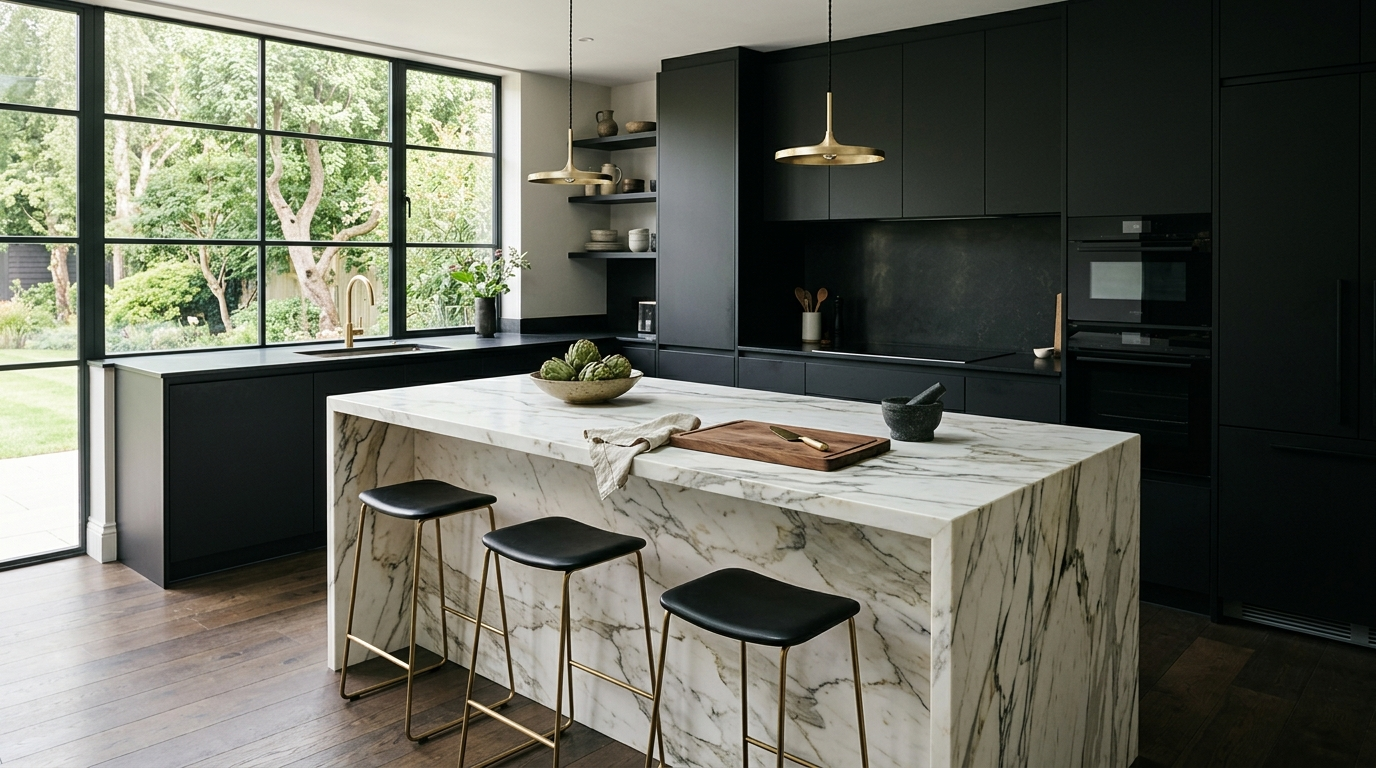
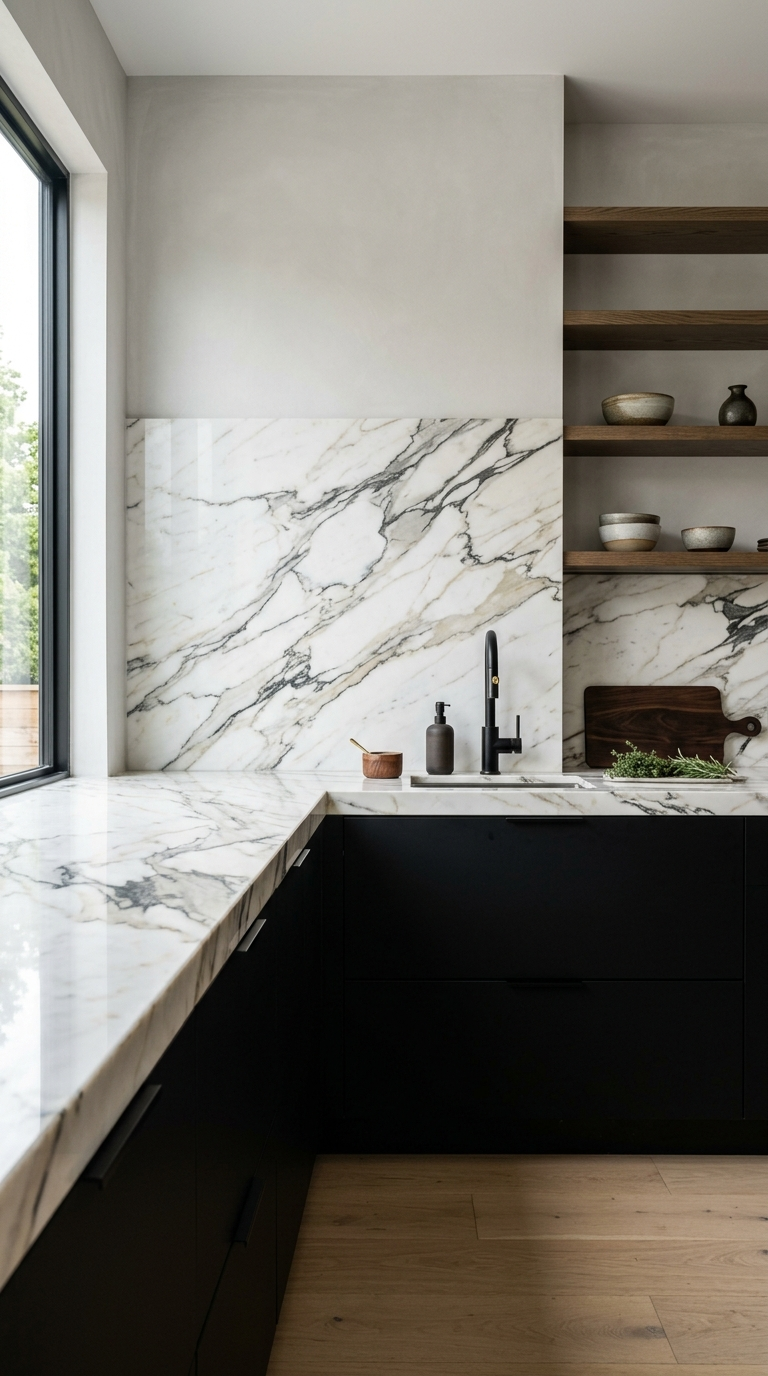
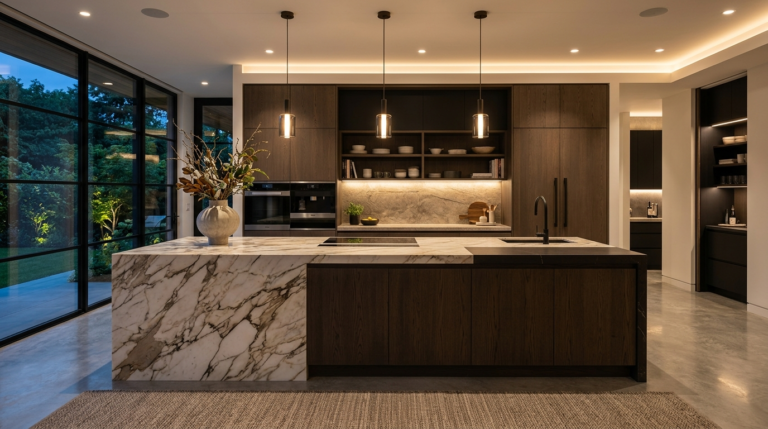
Countertops and backsplashes are the literal workhorses of the kitchen, but in a luxury dark design, they also serve as the primary source of visual movement and light reflection. To keep a black kitchen from feeling overwhelmingly dark, you must utilize these horizontal and vertical planes to bounce light around the room. One of the most effective ways to achieve this is by selecting a premium, heavily veined natural stone or high-grade quartz. A continuous slab of bright white Calacatta marble, featuring dramatic, sweeping veins of charcoal and soft gold, creates an astonishing focal point when paired with matte black cabinetry. The stark white background breaks up the darkness instantly, while the dark veining ties the entire composition back into the core color palette.
If you prefer an entirely dark aesthetic, you can still achieve excellent light play by focusing on texture and finish. A polished dark quartzite or soapstone countertop with subtle, glittering white quartz veins will reflect overhead lighting beautifully, casting a sophisticated gleam across the workspace. For the backsplash, consider carrying the countertop material all the way up to the bottom of the upper cabinetry or the ceiling line. This seamless, floor-to-ceiling application eliminates visual breaks, making the kitchen feel significantly larger and more cohesive. Alternatively, hand-crafted zellige tiles in a glossy midnight hue can create a mesmerizing ripple effect, as each slightly imperfect tile catches the light at a different angle, injecting life and movement into the dark wall.
Step 3: Engineering a Multi-Layered, Sophisticated Lighting Scheme
Lighting is the absolute make-or-break element when designing a premium black kitchen. In a bright white space, light bounces off the walls effortlessly, masking poor fixture placement. In a dark room, surfaces absorb light, meaning you must deliberately and carefully engineer where every lumen lands. A single overhead fixture is entirely insufficient. Instead, you must layer four distinct types of illumination: natural, ambient, task, and accent lighting. Start by maximizing natural light. Keep window treatments completely minimalist or nonexistent, allowing morning and afternoon sun to flood the space. Frame windows in black to blend seamlessly into the cabinetry, turning the outdoor view into a vibrant, living work of art.
For artificial illumination, begin with invisible task lighting. Recessed LED puck lights or continuous, high-output LED tape lights must be channel-mounted beneath all upper cabinetry and shelving to illuminate the countertops completely. This eliminates dark shadows over your prep areas. Next, introduce premium accent lighting to highlight architectural features. Soft LED strip lighting hidden inside glass-front upper cabinets or running along the recessed kick plates beneath base cabinets creates an ethereal, floating effect that instantly lightens the visual weight of heavy dark furniture. Finally, select your statement ambient pieces. Hang oversized, sculptural pendant lights made of hand-blown smoked glass, brushed brass, or fluted alabaster over the kitchen island. These fixtures serve as the room’s crowning jewels, providing an alluring, warm glow that softens the obsidian surroundings.
Step 4: Incorporating Rich Metallic Accents and Premium Hardware
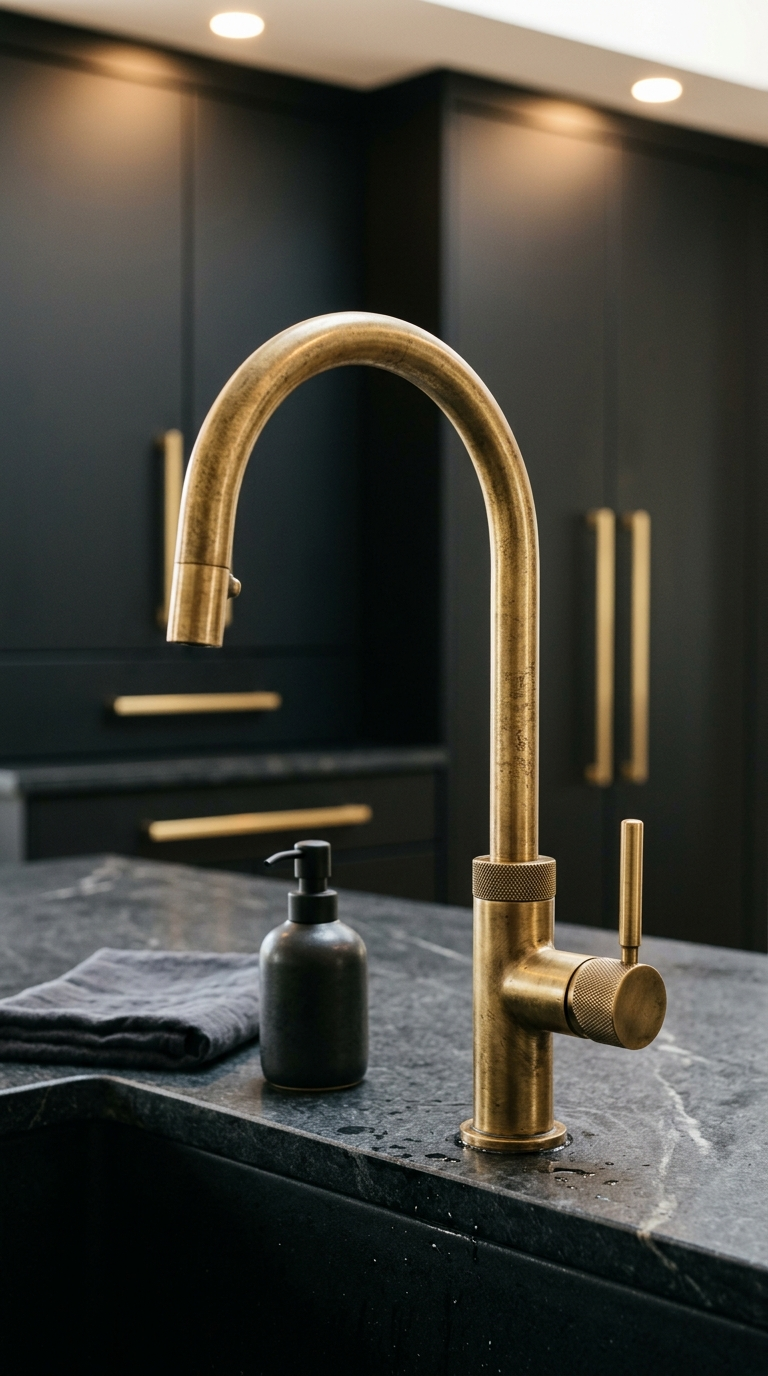
Once the large surfaces and lighting structures are in place, it is time to introduce the details that give a luxury kitchen its jewelry: hardware, faucets, and decorative accents. In an all-black kitchen, metal finishes act as brilliant focal points that guide the eye through the space. The choice of metal will heavily influence the room’s final mood. For an undeniably warm, opulent, and traditional atmosphere, opt for unlacquered brass or brushed gold hardware. The gleaming yellow tones contrast beautifully against deep black drawers, catching the light and developing a rich patina over time. If your style leans more contemporary, consider brushed nickel, polished chrome, or gunmetal hardware for a sleek, industrial-chic edge.
The main kitchen faucet should be treated as a sculptural element. A towering, professional-style bridge faucet or a minimalist goose-neck tap in a premium finish acts as a stunning center point for the kitchen island or main sink wall. Beyond hardware, continue the metallic theme through integrated architectural details. Consider a custom range hood crafted from matching brushed brass or dark patinated steel. When styled correctly, these warm metallic accents prevent the dark cabinetry from looking clinical or imposing, injecting a sense of artistry, human touch, and high-end editorial curation into the heart of your home.
Step 5: Softening the Space with Curated Accessories and Organic Elements
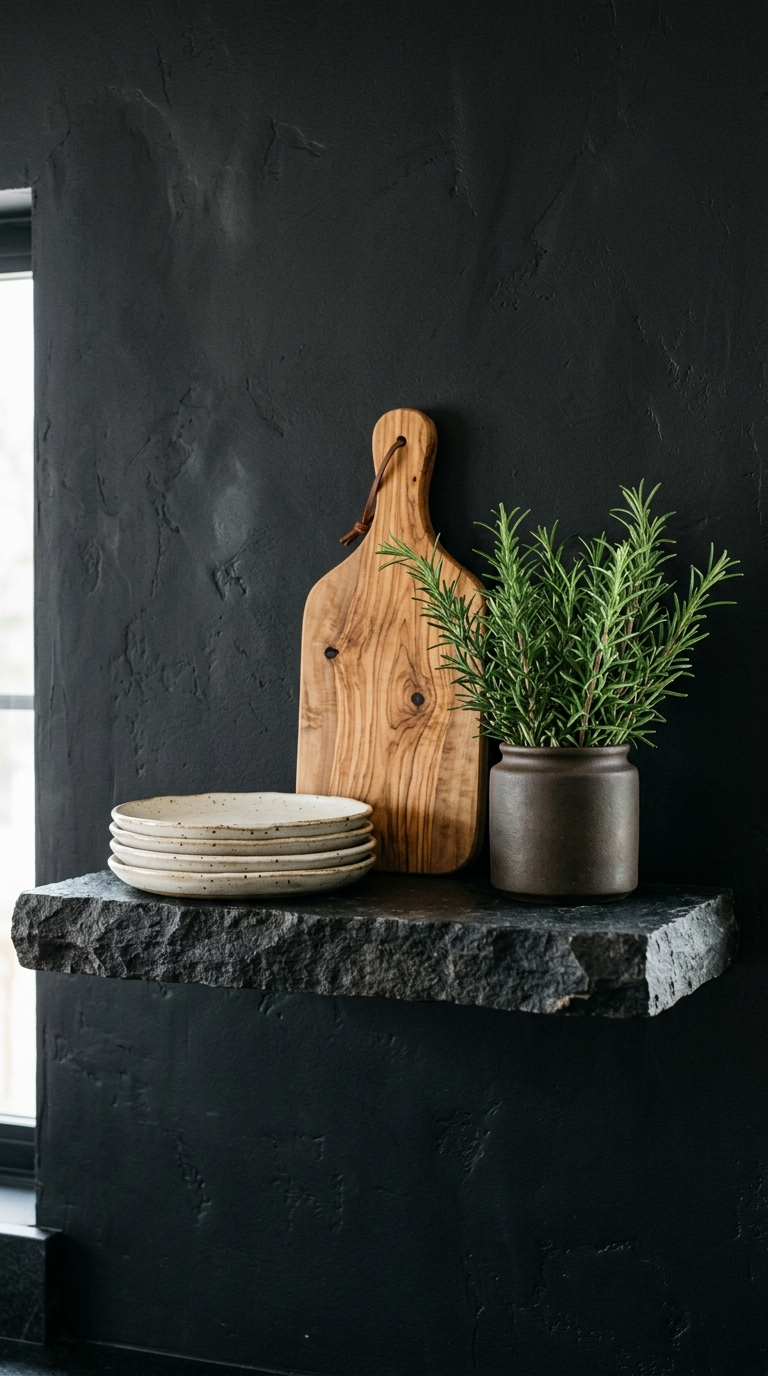
The final step in creating a flawless premium black kitchen is styling. Without intentional accessorizing, a stark black-and-white space can feel cold and uninviting. To counteract this, expert designers use organic elements to add warmth, texture, and life. Start by introducing open shelving made from heavy, live-edge wood or thick slabs of matching stone. On these shelves, curate a highly edited display of functional and beautiful items. Stack heavy ceramic dinnerware in earthy terracotta or cream tones, group artisanal stoneware jars, and display beautiful, hand-carved cutting boards made of rich walnut or olive wood against the dark backsplash.
Finally, bring the natural world inside. The deep green foliage of fresh plants looks utterly spectacular when set against a dark backdrop. Place a large, rustic ceramic crock filled with fresh branches, eucalyptus, or olive stems on the kitchen island. The vibrant green leaves pop intensely against the dark surface, bringing immediate freshness and vitality to the kitchen. Group small pots of fresh herbs like rosemary and basil near the window. By introducing these natural textures and living elements, you soften the hard architectural lines of the premium cabinetry, completing a space that is not only dramatic and luxurious but deeply comfortable and inspiring to cook in.
Conclusion: Embracing the Dark Aesthetic with Absolute Confidence
Designing a luxury black kitchen is an empowering design choice that pays incredible aesthetic dividends when executed with care. By following these structured steps—balancing matte and wood grain textures, utilizing high-movement natural stone, engineering a brilliant multi-layered lighting plan, selecting jewelry-like hardware, and softening the room with organic warmth—you completely conquer the fear of a dark space. The result is a highly sophisticated, editorial-worthy culinary environment that feels incredibly spacious, brilliantly illuminated, and deeply luxurious. Step into the dark with confidence, and watch your kitchen transform into the ultimate design statement.
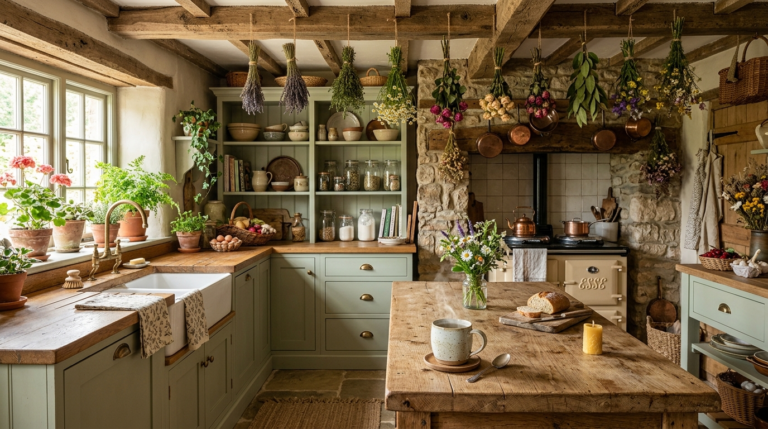
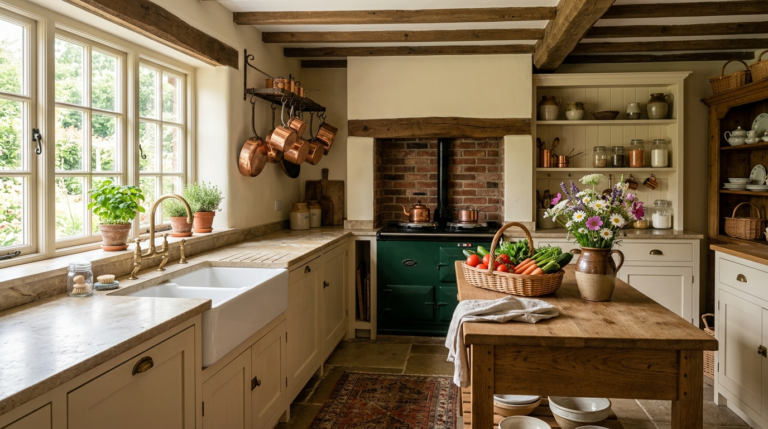
Revitalize your traditional kitchen this summer with these 12 classic, warm editorial ideas. From farmhouse sinks to herbal tea stations, transform your space.
Transform your tiny kitchen into a highly efficient, stylish space with this complete how-to guide. Learn smart storage hacks, workflow optimization, multi-functional solutions, and daily habits that make small kitchens feel spacious and beautiful.
Avoid the most frequent pitfalls in modern kitchen design. Learn how to correct issues with layout, lighting, storage, and materials to create a space that is both stunning and genuinely functional for years to come.
Discover the future of kitchen and dining design. From warm minimalism to integrated social spaces, explore the top interior trends defining the home this year.