The way we interact with our outdoor spaces is evolving rapidly, and 2026 promises to bring exciting new directions that blend beauty, sustainability, and deep connection to nature. In this trend forecast, we explore the emerging ideas that are reshaping gardens, patios, and outdoor living areas across climates and lifestyles. Drawing from the cozy and rustic aesthetic, we celebrate designs that feel rooted, welcoming, and deeply livable. These are not fleeting fads but thoughtful evolutions in how we create outdoor rooms that extend our homes, support biodiversity, and provide genuine refuge in an increasingly digital world. Whether you have a sprawling backyard or a modest balcony, these trends offer inspiration for creating outdoor spaces that feel both current and timeless, productive and restorative. The cozy and rustic aesthetic grounds these trends in warmth, natural materials, and an embrace of imperfection that makes outdoor living feel approachable and deeply satisfying.
Trend 1: Regenerative and Wildlife-Friendly Gardens
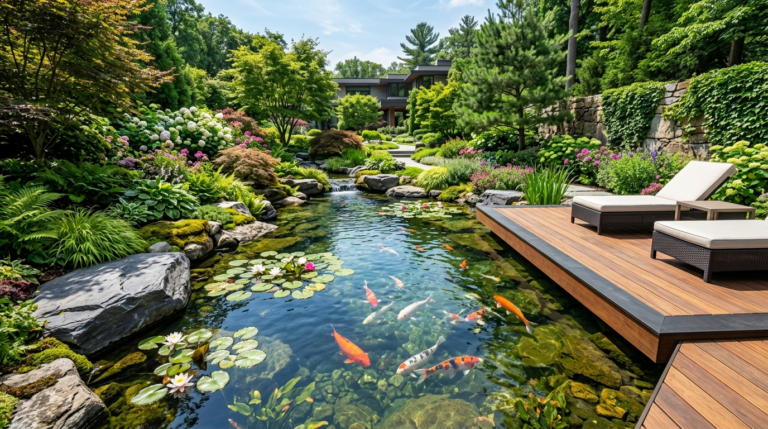
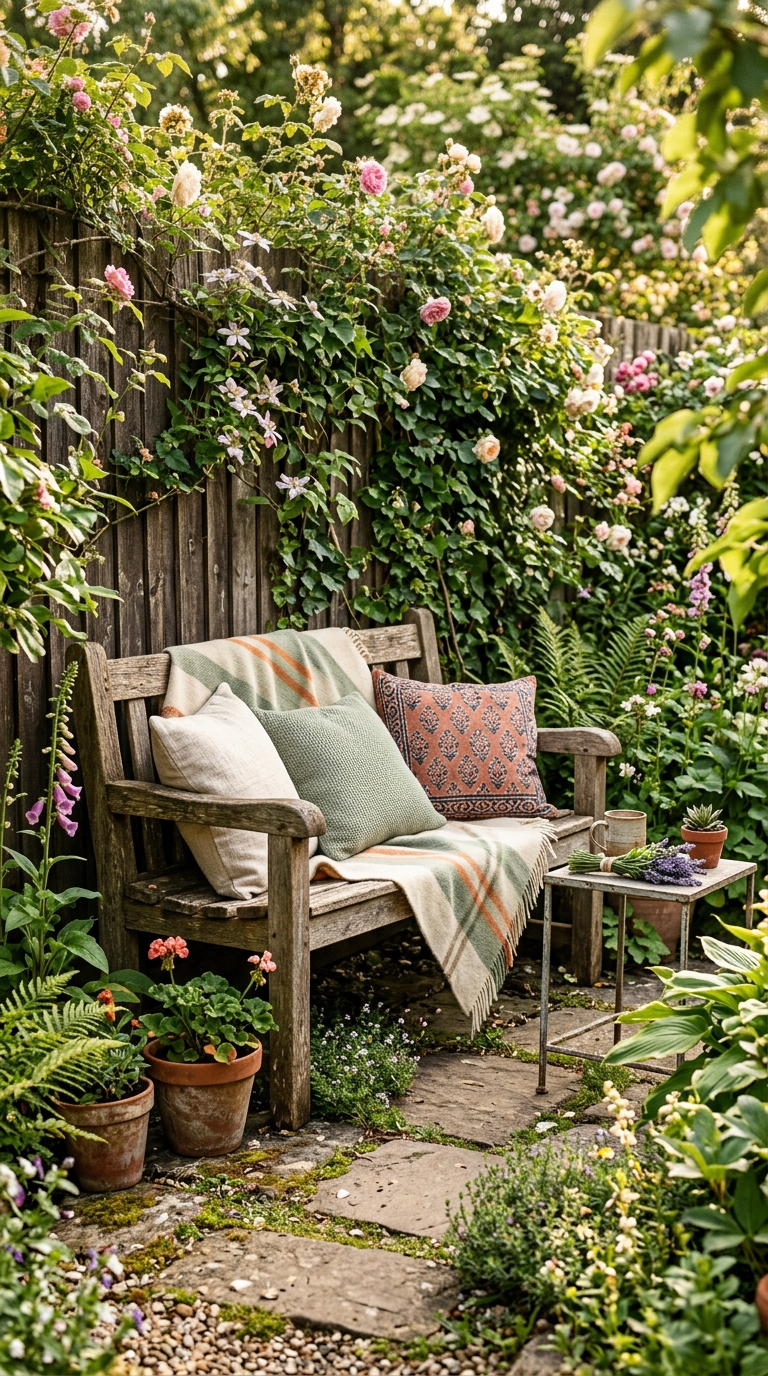
One of the most significant shifts in outdoor design is the move toward regenerative practices that actively improve the environment rather than merely minimizing harm. In 2026 and beyond, gardens are increasingly designed as ecosystems that support pollinators, birds, and beneficial insects while sequestering carbon and improving soil health. This trend manifests in the cozy and rustic aesthetic through abundant planting that looks natural and slightly wild, with layers of trees, shrubs, perennials, and groundcovers that create habitat and visual richness. Lawns are shrinking or disappearing entirely in favor of diverse plant communities that require less water and maintenance. Native plants are prioritized for their resilience and ecological value, often mixed with beloved non-natives in relaxed, cottage-style arrangements. Features like small ponds, log piles, and insect hotels are integrated as beautiful design elements rather than hidden necessities. The result is a garden that feels alive and generous, where the beauty of nature is on full display and the gardener becomes a steward rather than a controller. This approach aligns perfectly with the cozy and rustic aesthetic’s embrace of natural processes and imperfection; a garden that looks tended but not manicured, abundant but not overwhelming, and deeply connected to its place.
Trend 2: Outdoor Rooms That Feel Like Extensions of Home
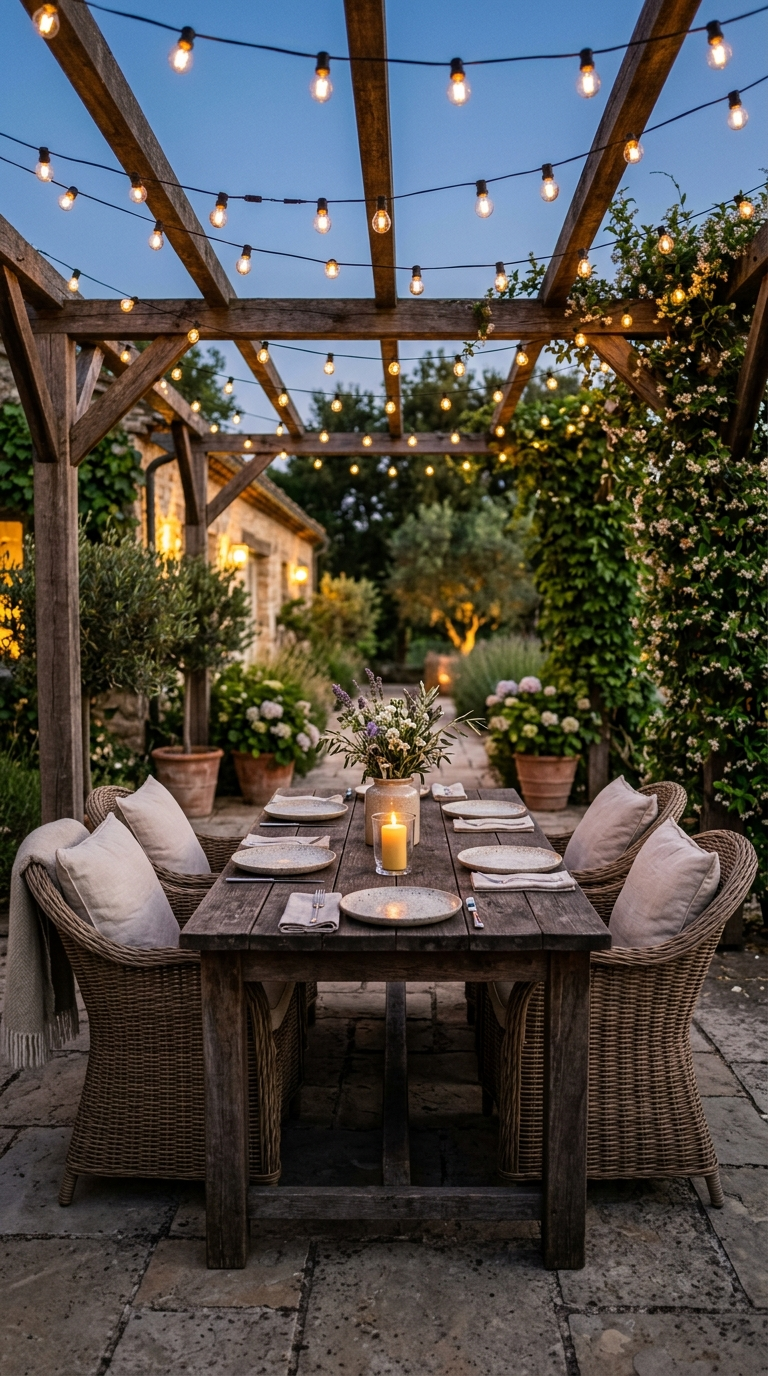
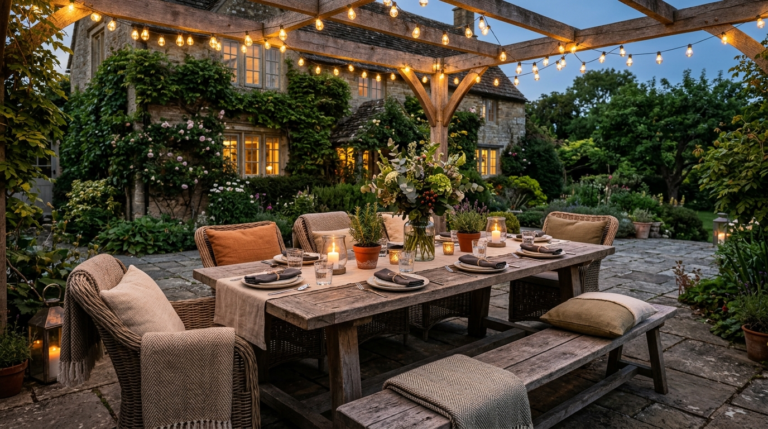
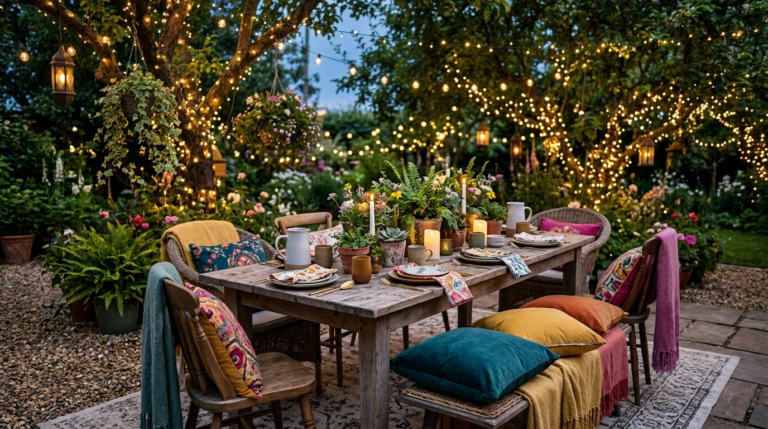
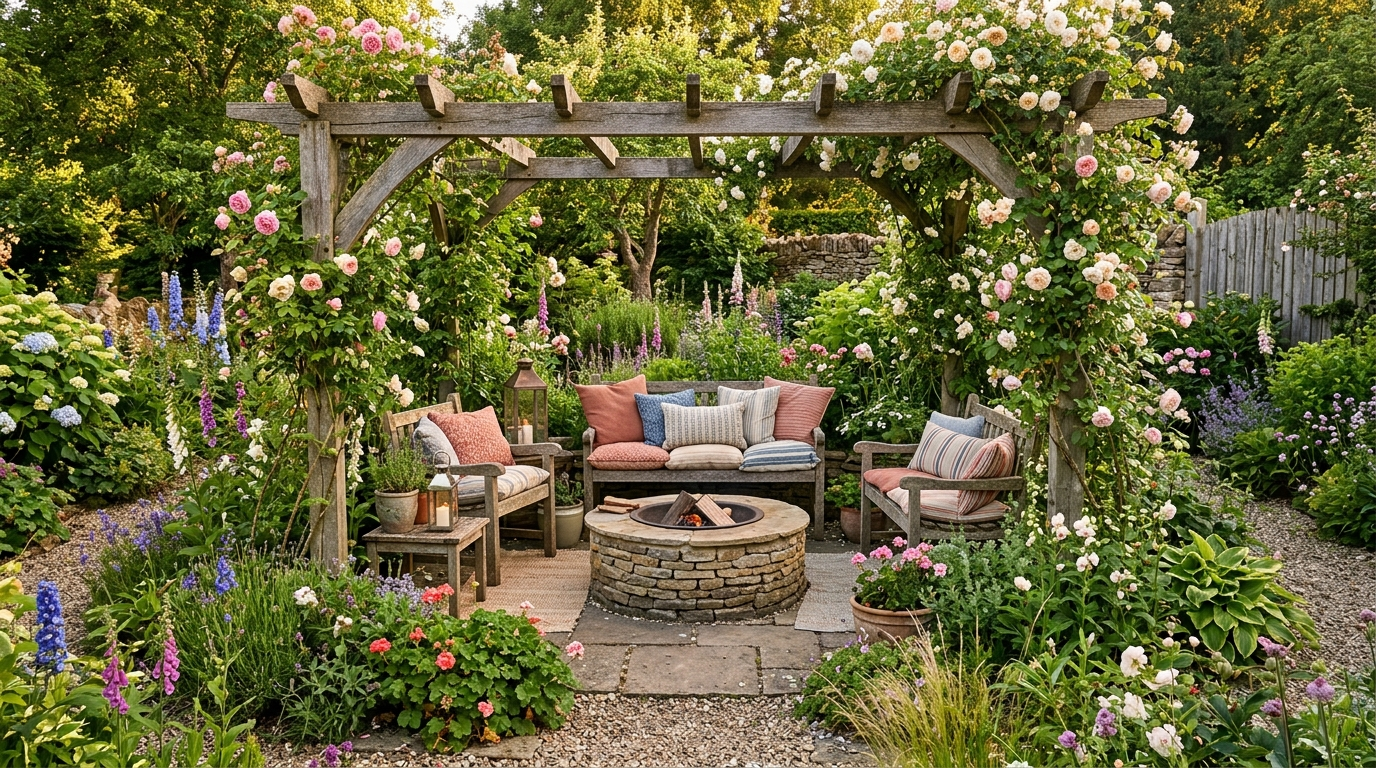
The pandemic accelerated our appreciation for outdoor living, and that momentum continues with outdoor rooms becoming more sophisticated and intentionally designed. In the cozy and rustic aesthetic, these spaces feel like natural extensions of the home, with comfortable seating, layered textiles, and lighting that makes them usable from early morning through late evening. Pergolas and arbors draped in climbing plants create defined ‘ceilings’ and dappled shade. Fire features, from simple fire pits to more sculptural options, anchor gathering spaces and extend the season in cooler climates. Outdoor kitchens are becoming more integrated and beautiful, with materials that weather gracefully and storage that keeps everything organized and protected. The key is creating spaces that feel as comfortable and personal as indoor rooms, with the same attention to comfort, beauty, and functionality. Textiles in weather-resistant fabrics add color and softness; lanterns and string lights create ambiance after dark; and thoughtful storage keeps the space from feeling cluttered. These outdoor rooms become the heart of summer entertaining and quiet morning coffee alike, blurring the boundary between inside and out in the most inviting way.
Trend 3: Sensory and Immersive Garden Experiences
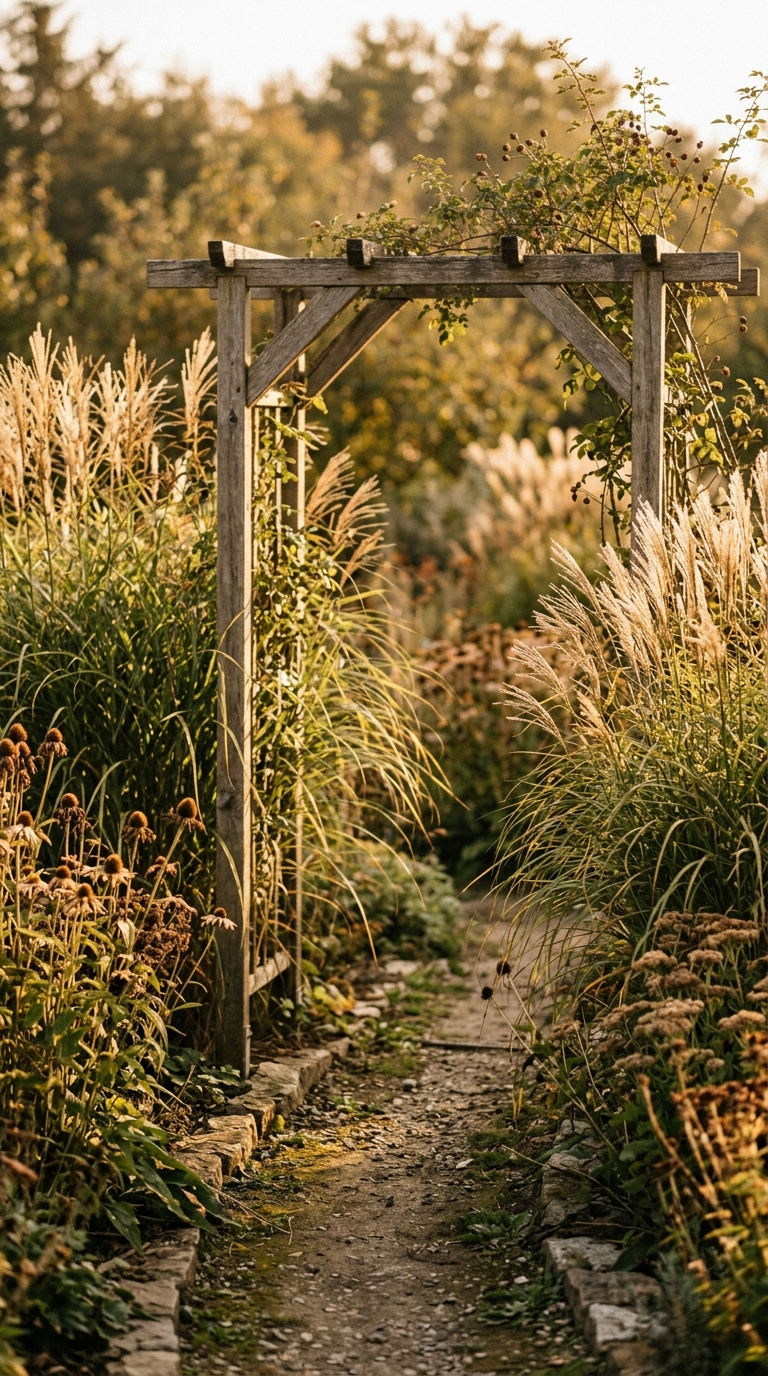
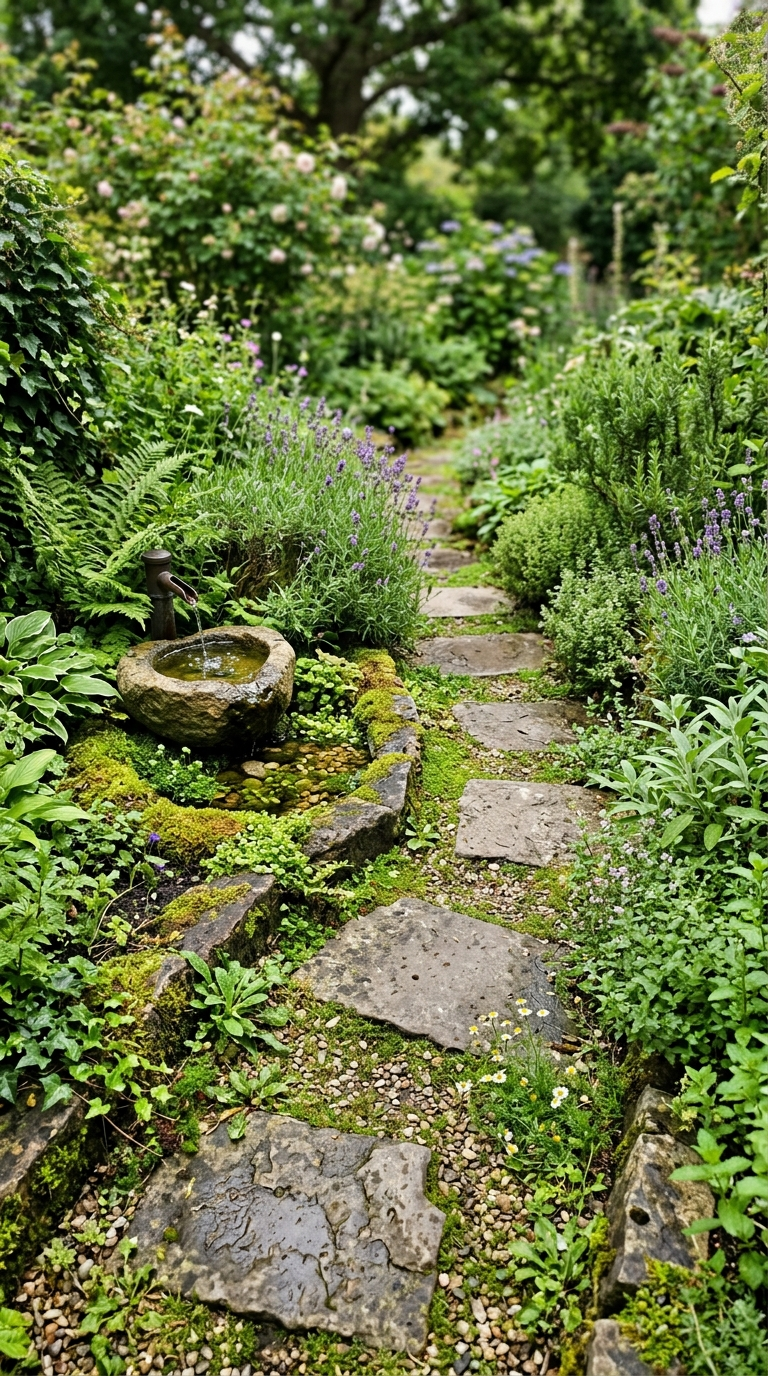
Gardens in 2026 are increasingly designed to engage all the senses, creating immersive experiences that go beyond visual beauty. The cozy and rustic aesthetic is particularly well-suited to this trend, with its emphasis on texture, fragrance, sound, and the feeling of being enveloped by nature. Planting schemes layer plants with different bloom times, foliage textures, and scents to create a constantly changing sensory tapestry. Grasses and plants that rustle in the breeze add movement and sound. Water features, from simple bubbling fountains to small ponds, bring soothing sound and attract wildlife. Paths are designed to encourage slow wandering, with changes in surface, width, and surrounding planting to create moments of discovery. Seating is placed to capture specific views, scents, or sounds; a bench under a fragrant rose, a chair beside a trickling fountain, a swing facing the sunset. Night gardens with white and pale flowers that glow in moonlight and plants that release fragrance after dark are gaining popularity. The goal is a garden that rewards all the senses and invites lingering, a place where you can feel truly present and restored. This immersive approach transforms a garden from something you look at into something you experience with your whole being.
Trend 4: Productive Gardens That Are Also Beautiful
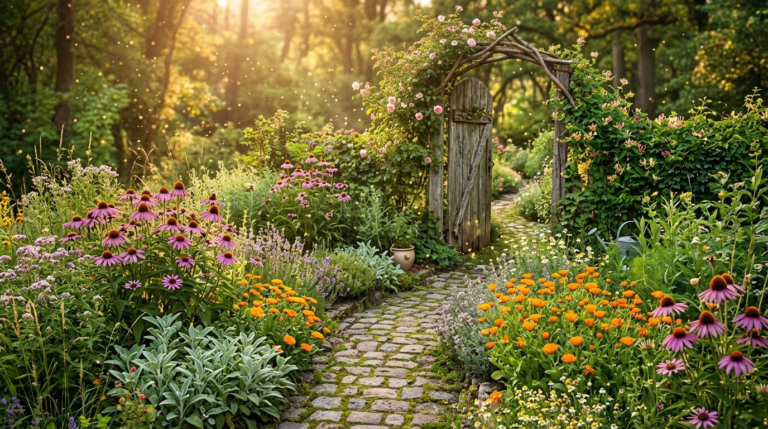
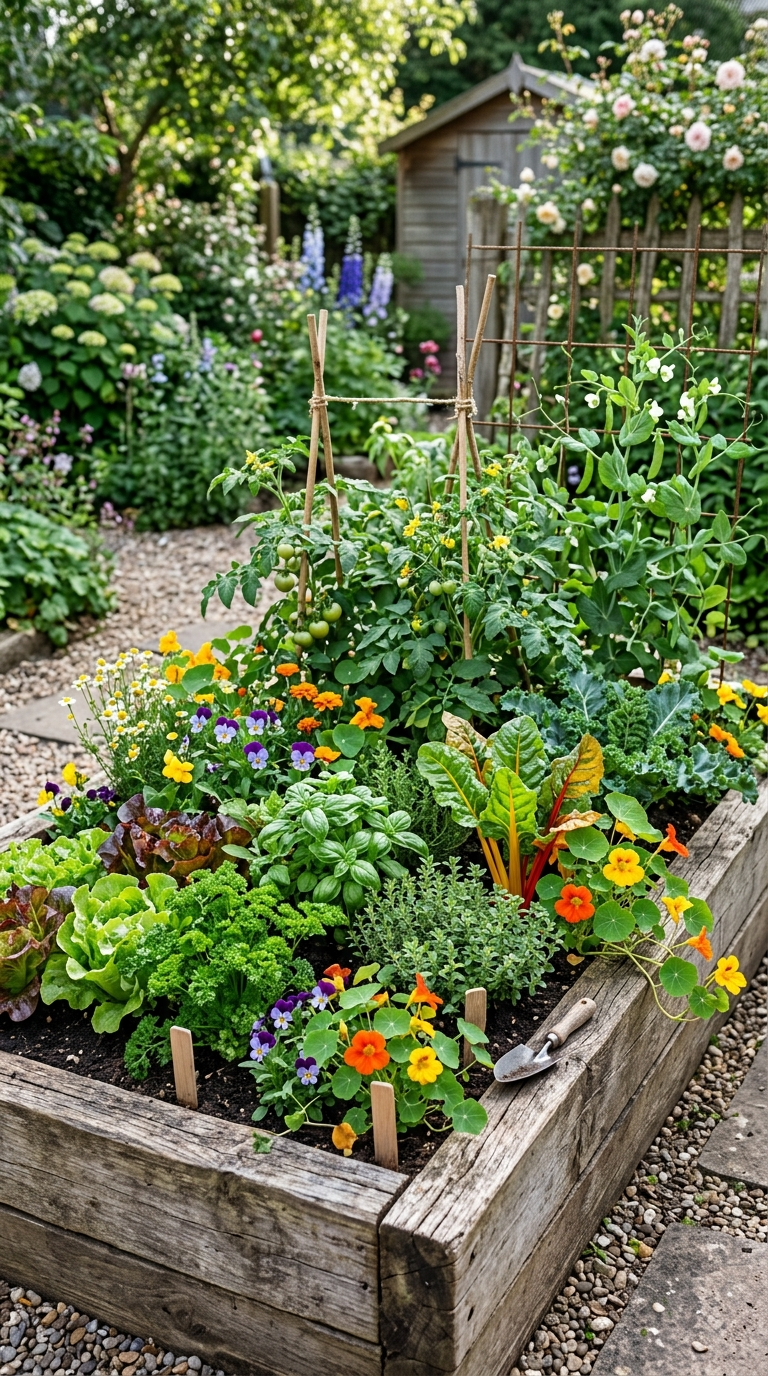
The desire to grow food continues to grow, but 2026 sees a shift toward integrating productive elements seamlessly into ornamental gardens rather than segregating them in utilitarian plots. The cozy and rustic aesthetic embraces this beautifully, with vegetable gardens that look as lovely as flower borders and fruit trees that provide both harvest and structure. Raised beds in beautiful materials like cedar or stone become design features. Edible flowers, herbs, and vegetables are mixed into ornamental plantings for beauty and productivity. Fruit trees are trained as espaliers against walls or fences, creating living architecture. Small orchards or food forests are designed with underplanting that supports soil health and maximizes space. The aesthetic celebrates the beauty of productive plants; the silver leaves of artichokes, the architectural forms of climbing beans, the jewel tones of ripening tomatoes. Storage and composting areas are screened beautifully or incorporated into the overall design so the garden feels cohesive and cared for. This trend reflects a deeper desire to reconnect with where our food comes from while creating outdoor spaces that are both useful and deeply beautiful. A garden that feeds both body and soul is the ultimate expression of the cozy and rustic ideal.
Trend 5: Climate-Resilient and Low-Maintenance Designs
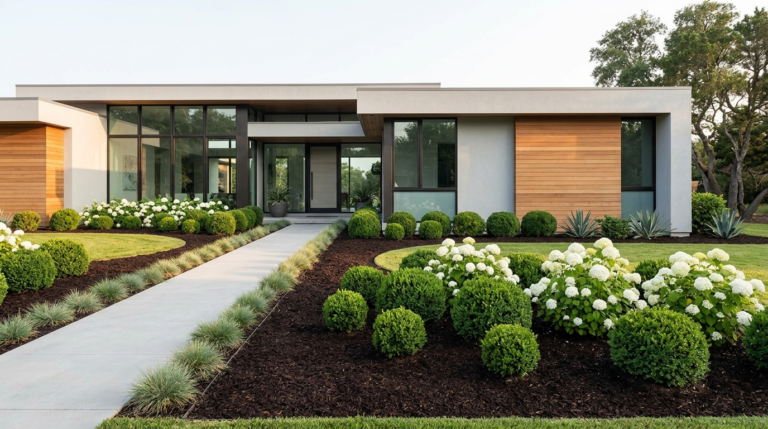
As climate patterns shift, gardens that can withstand extremes of weather while requiring less water and maintenance are becoming essential. The cozy and rustic aesthetic is inherently well-suited to this trend, with its embrace of natural materials, relaxed planting, and acceptance of seasonal change. Drought-tolerant plants that still provide beauty and habitat are prioritized, often mixed in ways that create lush, abundant-looking plantings even with less water. Mulching, soil improvement, and smart irrigation systems (including rainwater harvesting) are standard practices. Hardscaping materials are chosen for durability and ability to handle temperature swings. The aesthetic celebrates plants that look good even in challenging conditions; silvery foliage, interesting seed heads, and structural forms that provide winter interest. Lawns, if present at all, are smaller and more thoughtfully placed. The overall effect is a garden that feels resilient and grounded, able to weather whatever comes while still providing beauty and habitat year-round. This practical resilience paired with the warm, welcoming feel of the cozy and rustic aesthetic creates outdoor spaces that are both responsible and deeply enjoyable.
Conclusion: Gardens That Ground Us in Changing Times
The outdoor garden trends emerging for 2026 and beyond reflect a deeper cultural shift toward connection, sustainability, and presence. In a world that often feels fast and fragmented, gardens offer a place to slow down, engage our senses, and remember our place in the natural world. The cozy and rustic aesthetic provides the perfect lens for these trends, celebrating natural beauty, imperfection, and the warmth of spaces that feel lived-in and loved. Whether you are creating a new garden from scratch or evolving an existing one, these trends offer a roadmap for spaces that are beautiful, functional, resilient, and deeply nourishing. The gardens of the future will not just be places we look at; they will be places we inhabit with all our senses, spaces that give back as much as they receive. By embracing these trends with intention and heart, we create outdoor sanctuaries that will serve us and our communities for years to come, grounding us in beauty and connection no matter what the future holds.