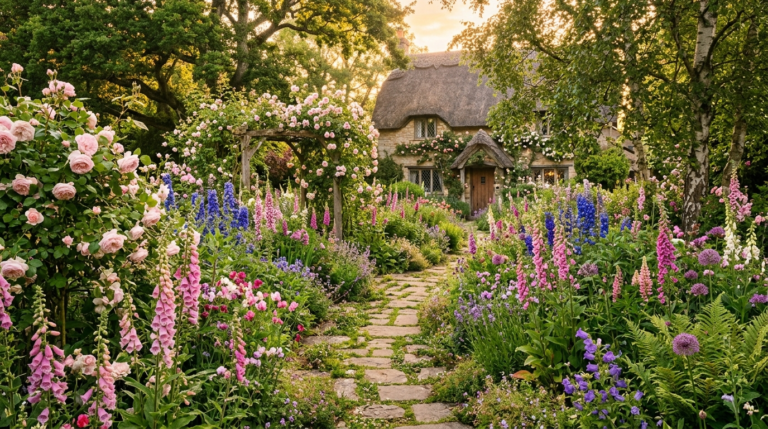
Imagine stepping out your back door into a world where magic and nature intertwine—a fragrant, whimsical garden brimming with herbs that not only captivate the senses but also offer ancient remedies. Cultivating a medicinal herb garden is a deeply rewarding endeavor that connects you to the earth and the healing properties of plants. This guide will take you step-by-step through the process of creating a garden that is as enchanting as a fairy tale and as practical as an apothecary. Let’s dig our hands into the soil and begin this magical journey.
Step 1: Choosing Your Enchanted Plot
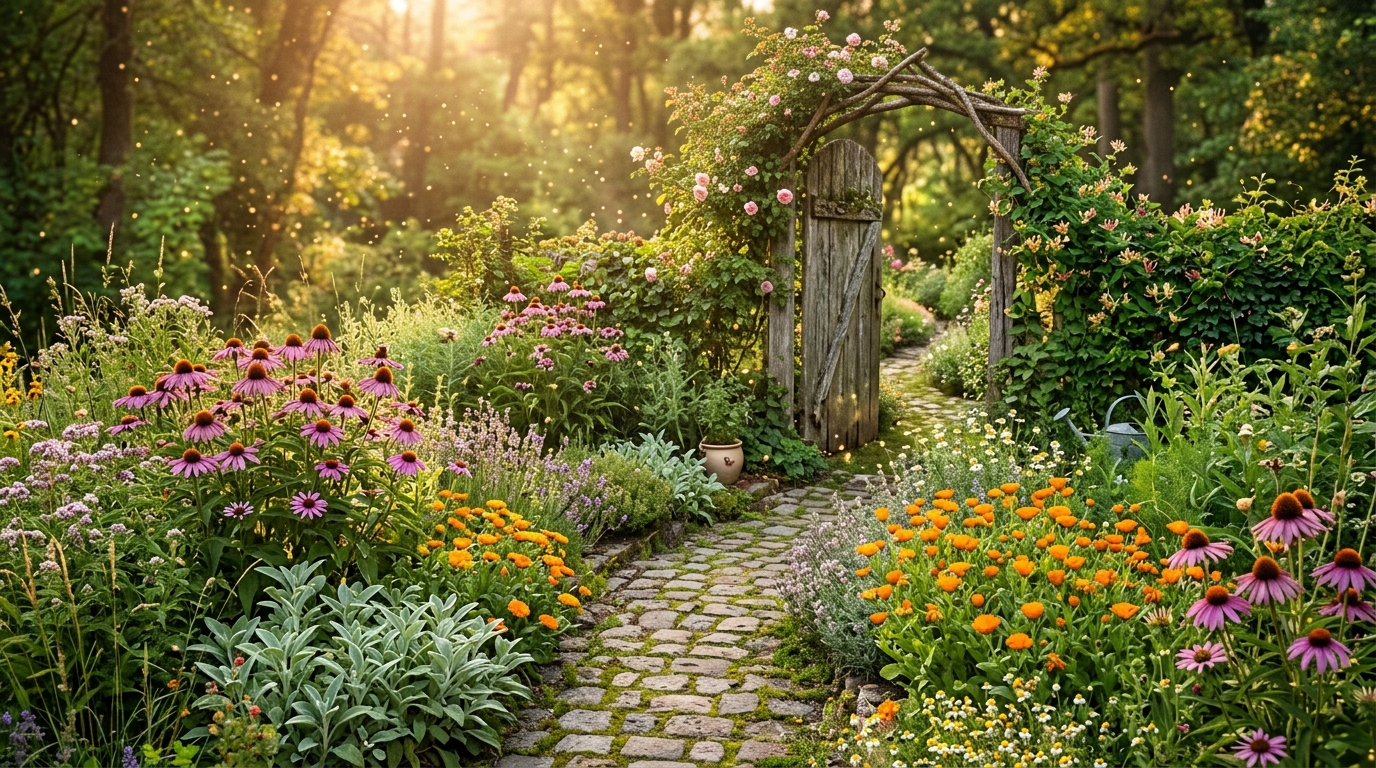
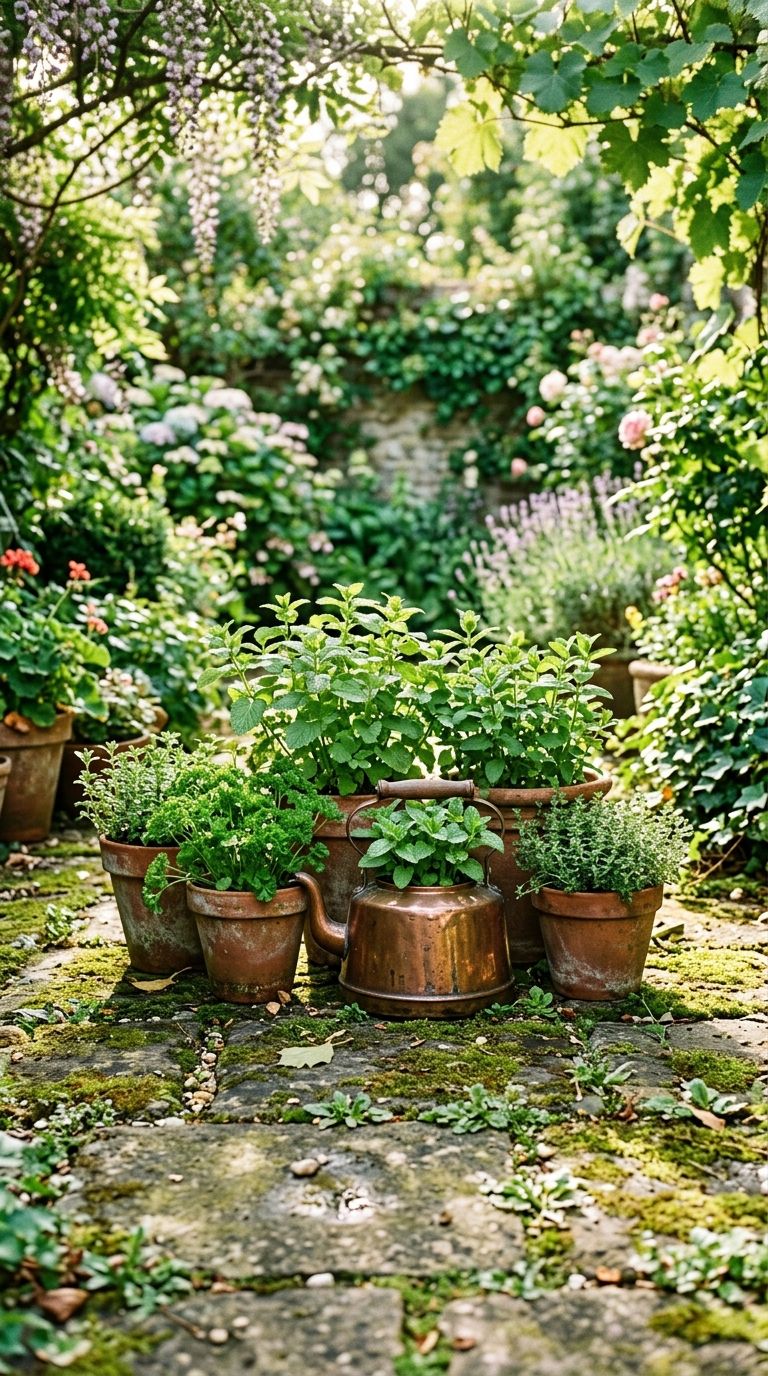
The first step in your magical gardening adventure is selecting the perfect location. Most medicinal herbs, such as lavender, chamomile, and echinacea, thrive in abundant sunlight. Look for a spot in your yard that receives at least six to eight hours of direct sun daily. However, a whimsical garden isn’t just about utility; it’s about atmosphere. Consider a location near a winding stone path, tucked beside a rustic wooden fence, or encircling an old birdbath. If you are short on space, an eclectic collection of vintage terracotta pots, old copper kettles, or repurposed wooden crates can create a stunning, tiered container garden on a sunny balcony or patio. The key is to choose a space that invites you to linger and dream.
Step 2: Preparing the Magical Soil
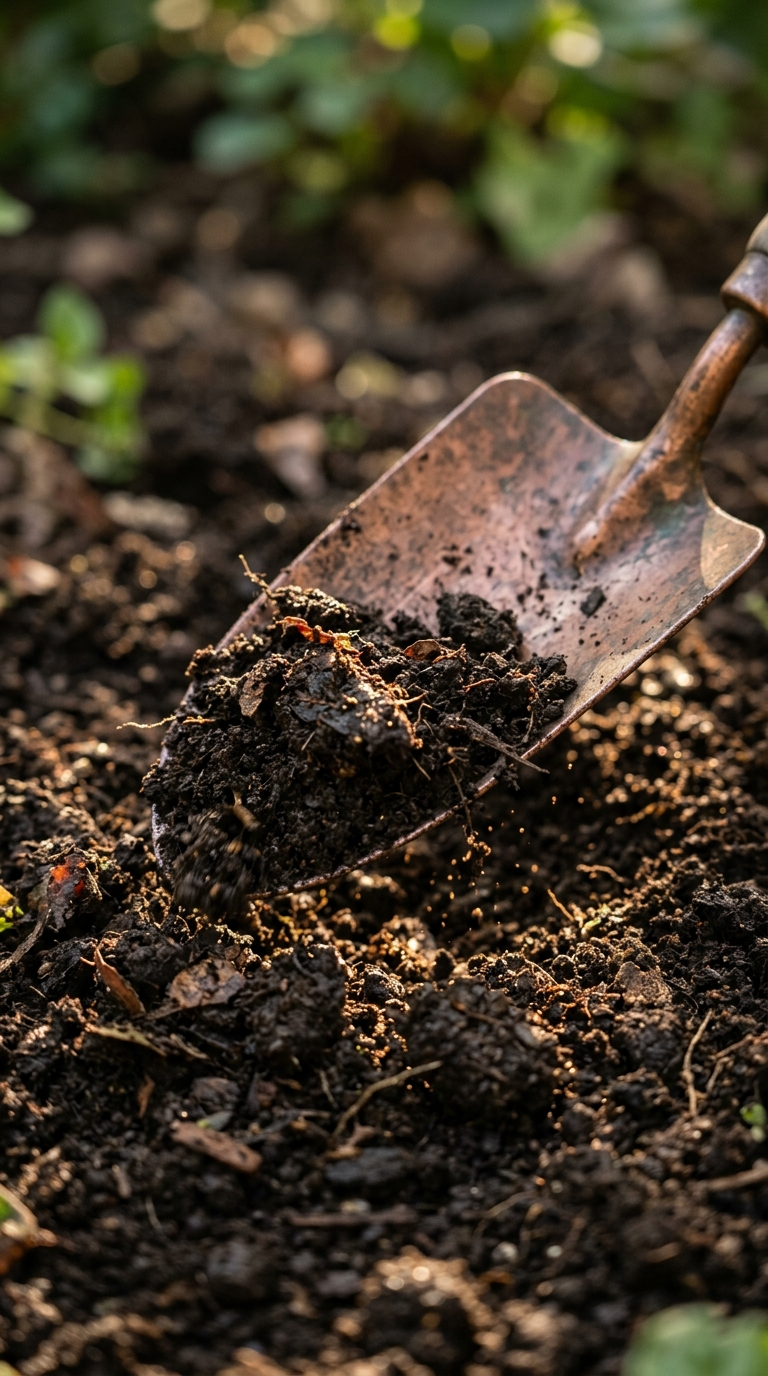
The foundation of any thriving garden is the soil. Herbs generally prefer well-draining soil that isn’t overly rich. To prepare your earth, start by clearing away any weeds or debris. Loosen the soil with a garden fork, breaking up heavy clods. For a touch of gardening alchemy, amend the soil with organic compost or well-rotted leaf mold to improve its texture and provide gentle nourishment. If your soil is heavy clay, adding a bit of coarse sand or perlite will ensure proper drainage, preventing the roots of your precious herbs from becoming waterlogged. Think of this process as preparing a cozy bed for your plant companions to rest and grow strong.
Step 3: Selecting Your Healing Companions
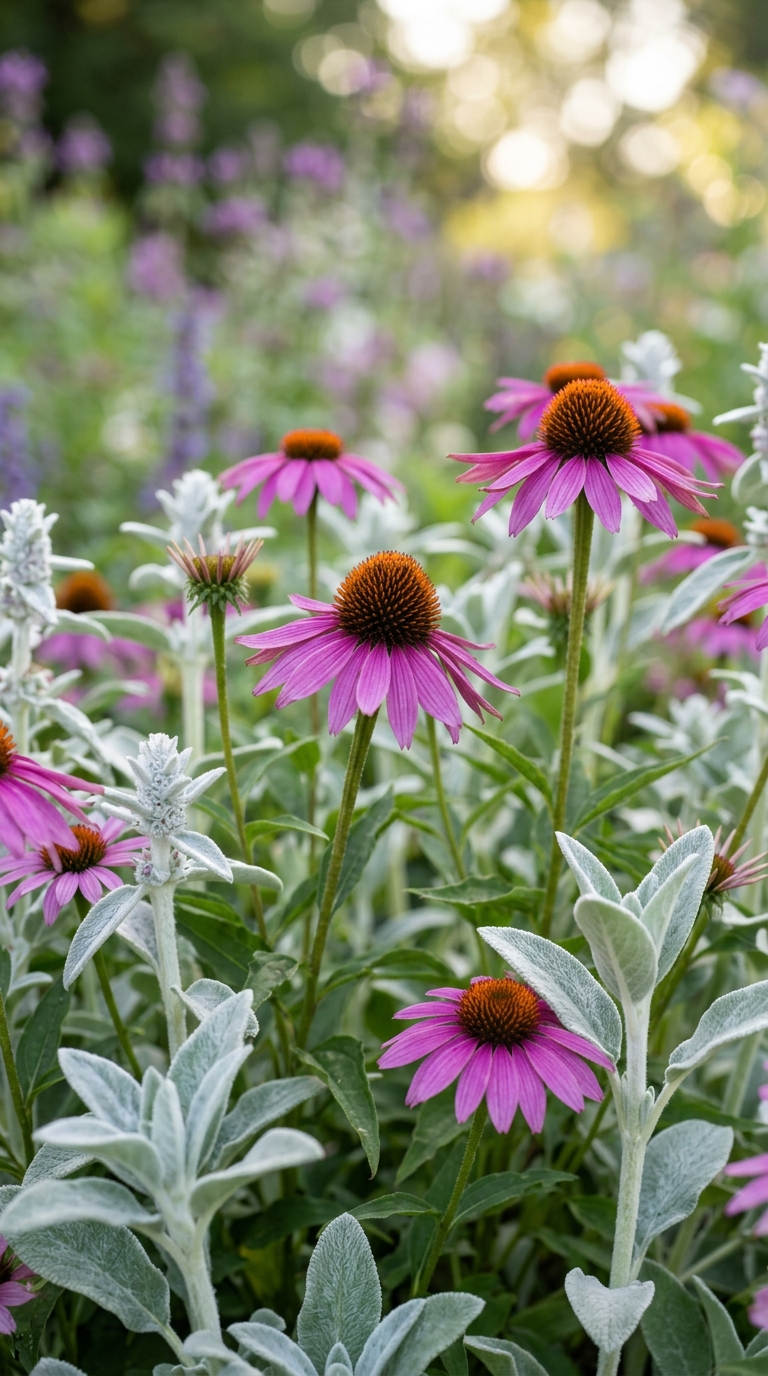
Now comes the enchanting part: choosing your herbs. For a whimsical medicinal garden, curate a blend of plants that offer beautiful blooms, intoxicating scents, and potent properties. Echinacea (Purple Coneflower) provides striking pink petals and immune-boosting roots. Calendula offers cheerful orange blossoms perfect for soothing skin salves. Peppermint and Lemon Balm are vigorous growers that make delightful, calming teas. Don’t forget the silvery foliage of Sage and the towering, majestic stalks of Mullein. When arranging your plants, consider their mature heights and growing habits. Plant taller herbs at the back or center, and let creeping varieties like Thyme spill over the edges of your beds or containers, creating a lush, overgrown, and romantic feel.
Step 4: The Art of Planting and Nurturing
When planting, handle the young herbs with care. Dig a hole slightly larger than the root ball, place the plant in gently, and cover it with soil, pressing lightly to remove air pockets. Water the newly planted herbs thoroughly to help them settle in. As your whimsical garden grows, it will require mindful tending. While many herbs are drought-tolerant, consistent watering during dry spells is vital, especially for young plants. Mulching around the base of the herbs with straw or bark will help retain moisture and keep weeds at bay. Avoid using harsh chemical fertilizers; a light dressing of compost in the spring is usually all these hardy plants need to flourish and produce their potent essential oils.
Step 5: Harvesting the Magic
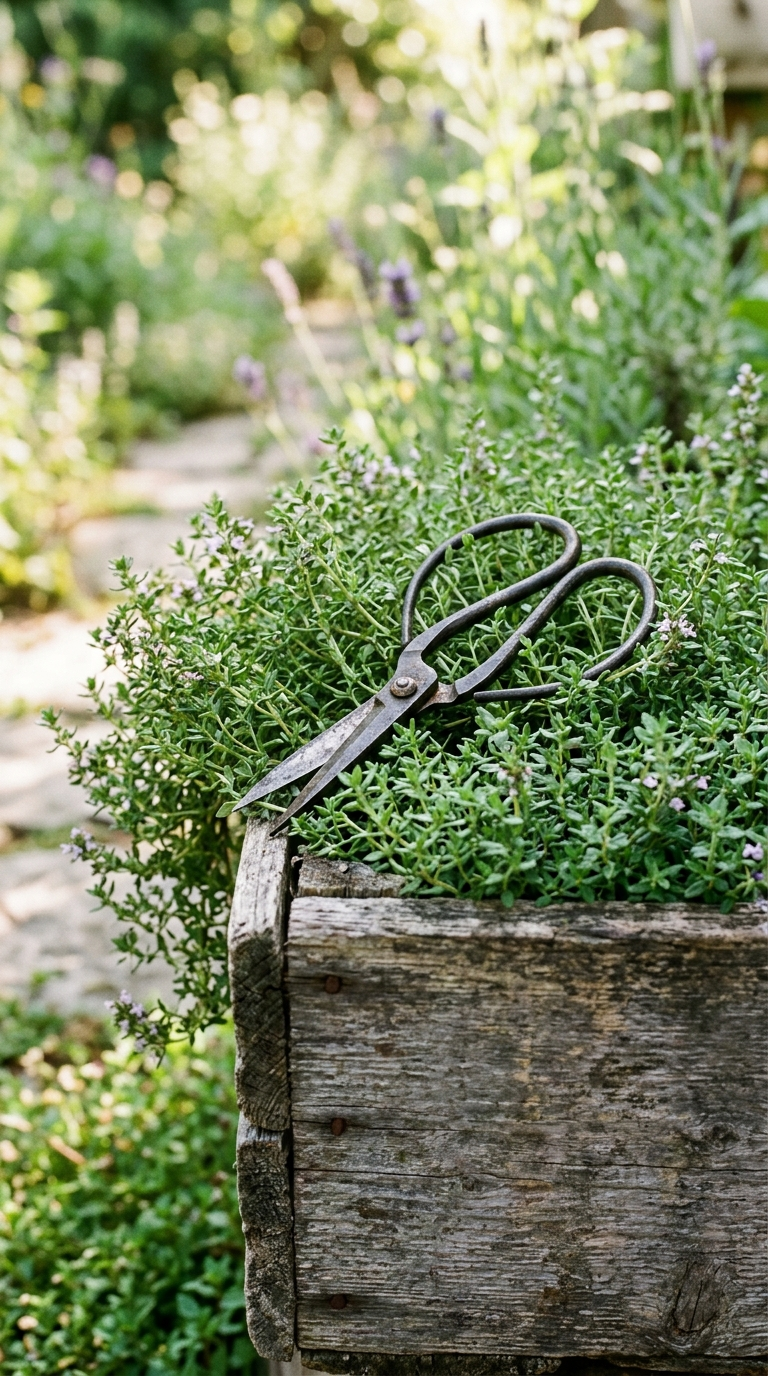
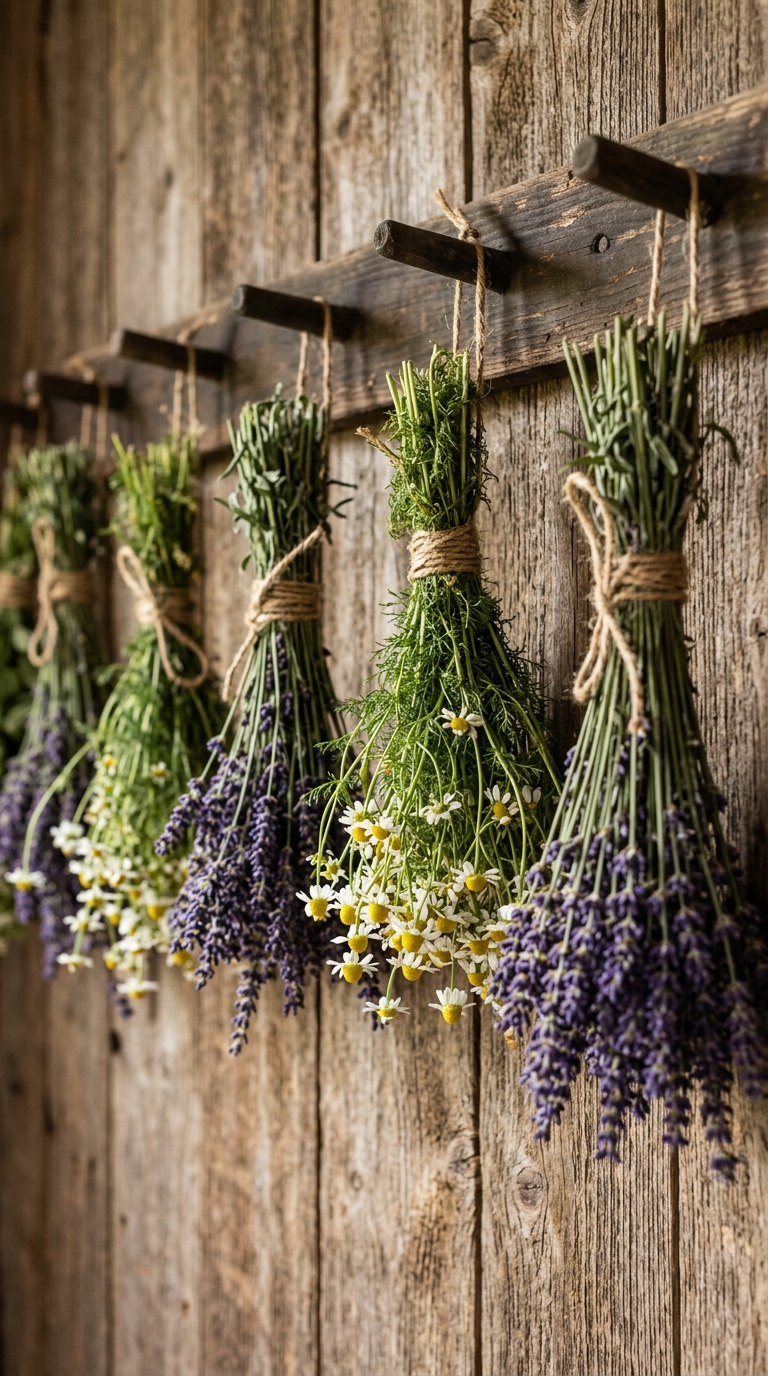
The culmination of your efforts is the harvest. Timing is everything when gathering medicinal herbs. The best time to harvest leaves and flowers is in the morning, just after the dew has dried but before the hot afternoon sun depletes their essential oils. Use clean, sharp snips to cut the herbs, taking care not to remove more than a third of the plant at one time to ensure it continues to thrive. Gather your bounty in a woven willow basket. From here, you can bundle the herbs with natural twine and hang them to dry in a warm, dark, and well-ventilated space. Watching your herbs dry, their colors shifting and their scents intensifying, is a beautiful, quiet ritual that connects you deeply to the cycle of the seasons.
Conclusion: Your Personal Apothecary
Creating a whimsical medicinal herb garden is more than just a landscaping project; it is the cultivation of a personal sanctuary and a natural apothecary. By following these steps, you invite beauty, fragrance, and healing into your daily life. Whether you are brewing a pot of fresh chamomile tea, crafting a soothing calendula balm, or simply sitting among the buzzing bees and fragrant blooms, your herb garden will be an endless source of joy and wonder. Embrace the magic of growing your own medicine, and let your whimsical garden flourish.
Avoid these common outdoor and garden design mistakes that hurt your home’s exterior value. Discover simple, beautiful solutions to fix your curb appeal.
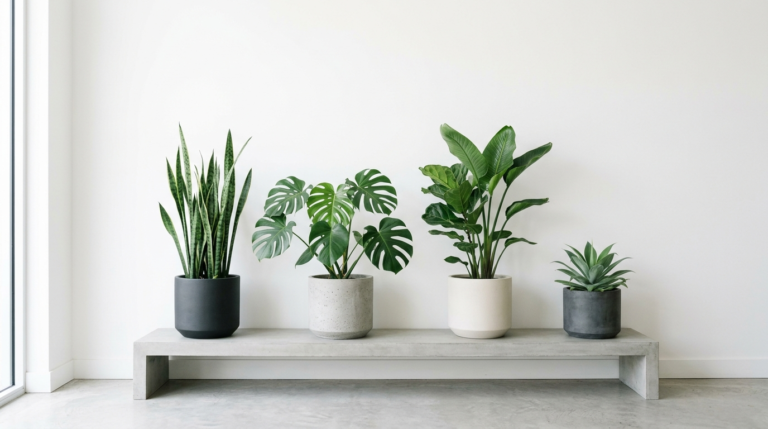
Transform even the tiniest corner into a serene green oasis. This complete minimalist indoor garden guide covers plant selection, smart containers, lighting tricks, vertical solutions, and easy care routines for lasting beauty and calm.
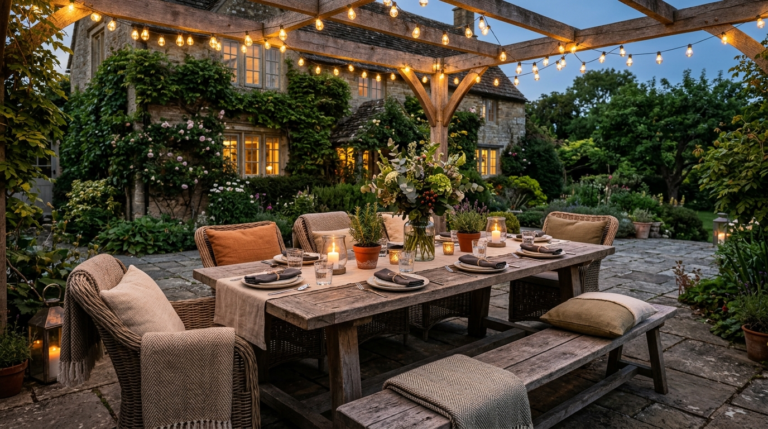
Identify and avoid the most common outdoor dining mistakes that can ruin your al fresco experience. Our problem-solving guide offers practical solutions and creative fixes to ensure your outdoor meals are always enjoyable and memorable.
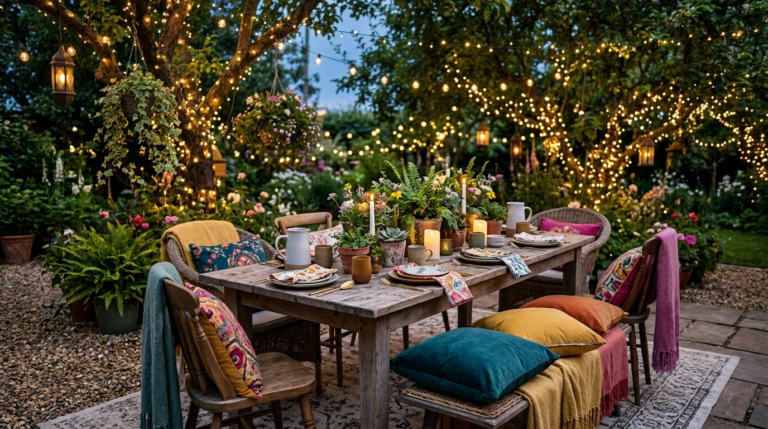
Get ready for alfresco season with these stunning outdoor dining ideas. Create the ultimate patio setup for unforgettable summer gatherings and family feasts.
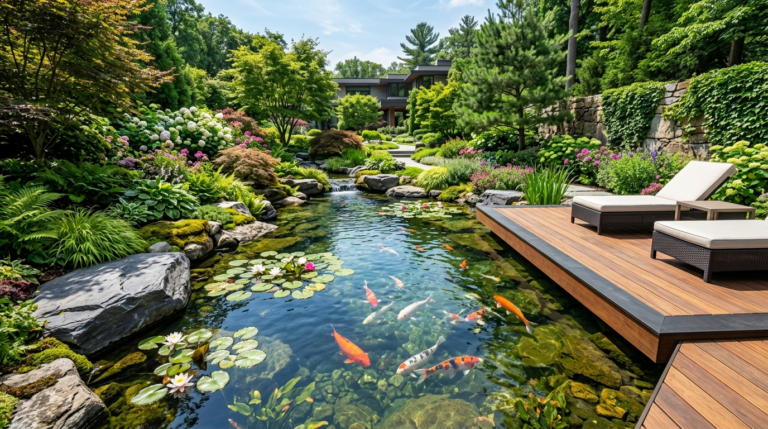
Master the art of luxury gardening this summer. Discover our step-by-step guide to the Ice Cube Seed Planting Method and designing a stunning backyard Koi pond.