Creating an outdoor sanctuary has never been more essential. As we look towards the upcoming seasons, outdoor living spaces are evolving from simple backyard setups into sophisticated, seamless extensions of our interior lives. The focus is shifting towards minimalist, clean designs that prioritize tranquility, natural harmony, and effortless maintenance. This comprehensive trend forecast will guide you through the most significant movements in outdoor and garden design, helping you to curate a space that is not only visually stunning but also deeply restorative.
1. The Rise of Seamless Indoor-Outdoor Flow
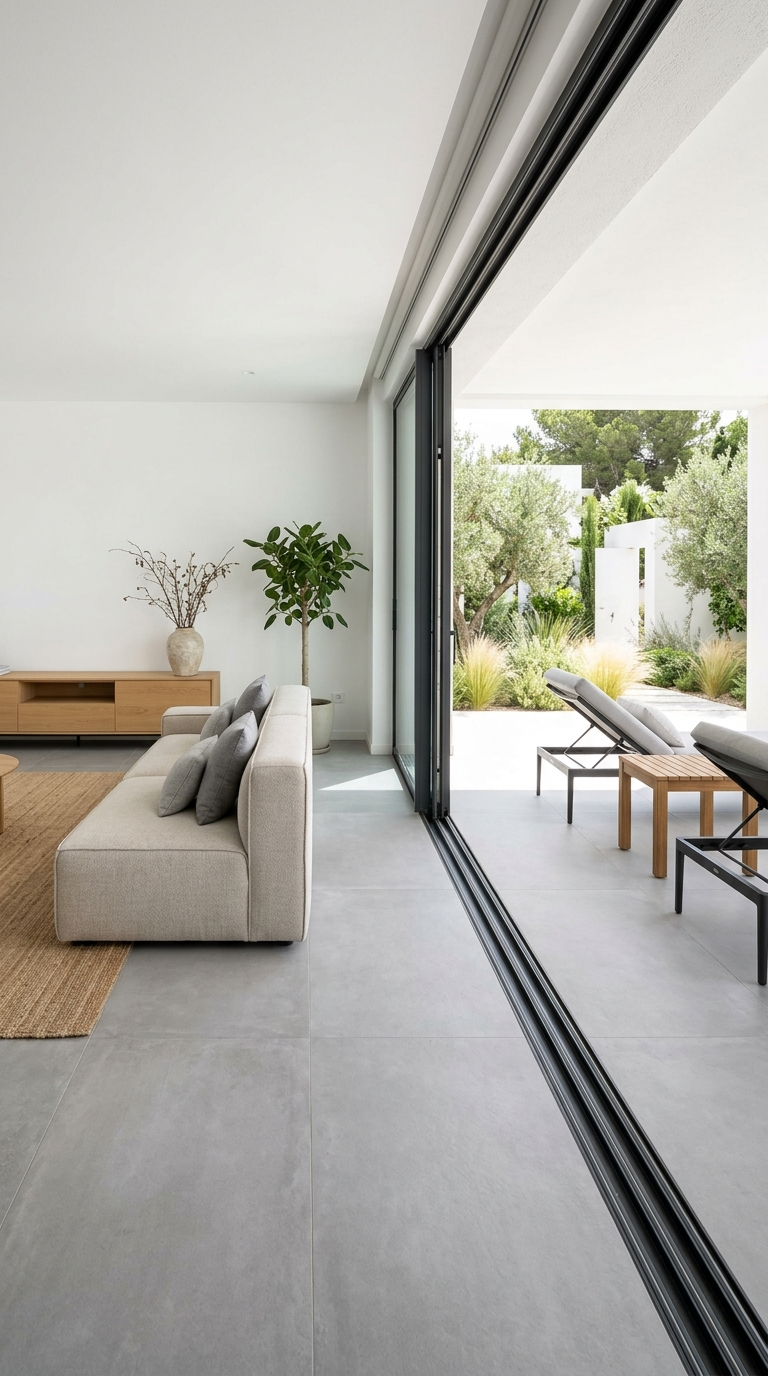
The boundary between the inside of our homes and the natural world outside is blurring. Homeowners are increasingly seeking ways to unify these areas. This trend involves using continuous flooring materials, such as large-format porcelain tiles that transition flawlessly from the living room to the patio. Minimalist sliding glass doors or bi-fold systems open up entirely, removing visual barriers. The aesthetic is clean, uncluttered, and expansive. Furniture choices reflect this continuity, with weather-resistant pieces mimicking the sleek lines and comfort of indoor sofas and dining sets. The color palette remains neutral, drawing upon soft grays, warm taupes, and crisp whites to emphasize architectural forms rather than busy patterns.
2. Sustainable and Low-Maintenance Landscaping
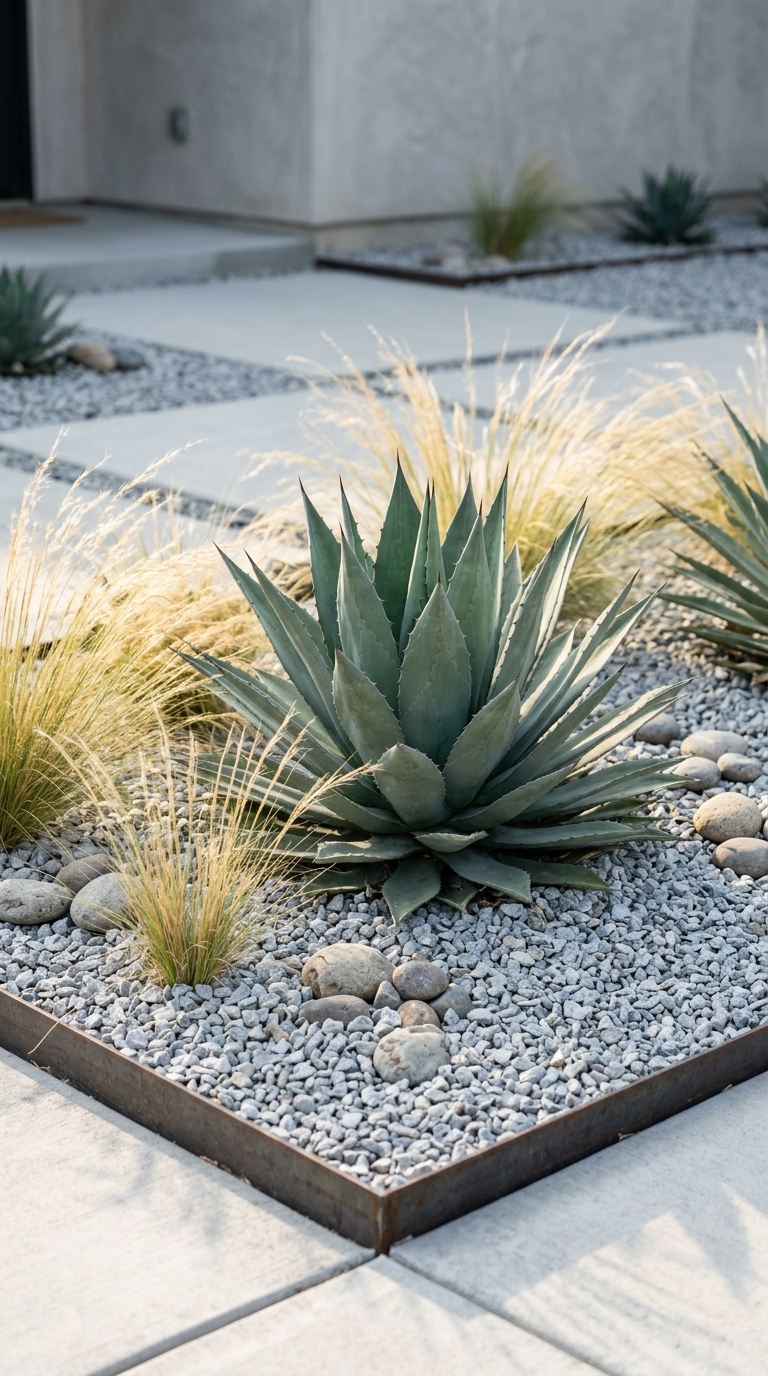
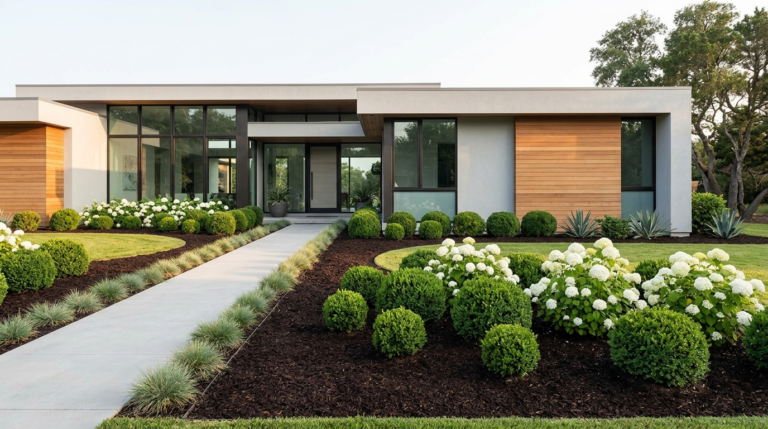
Sustainability is no longer a niche concept but a fundamental principle of modern garden design. The trend is moving strongly towards xeriscaping and the use of native plants that require minimal watering and chemical intervention. Lawns are being replaced or reduced in favor of gravel gardens, permeable paving, and ground covers. The minimalist aesthetic shines here, focusing on the structural beauty of drought-tolerant plants like agave, ornamental grasses, and architectural succulents. This approach not only conserves resources but also drastically reduces the time spent on upkeep, allowing you to actually enjoy your outdoor oasis. Irrigation systems are becoming smarter, utilizing weather data to optimize watering schedules, ensuring efficiency without the clutter of visible hoses.
3. Structural Shade Solutions
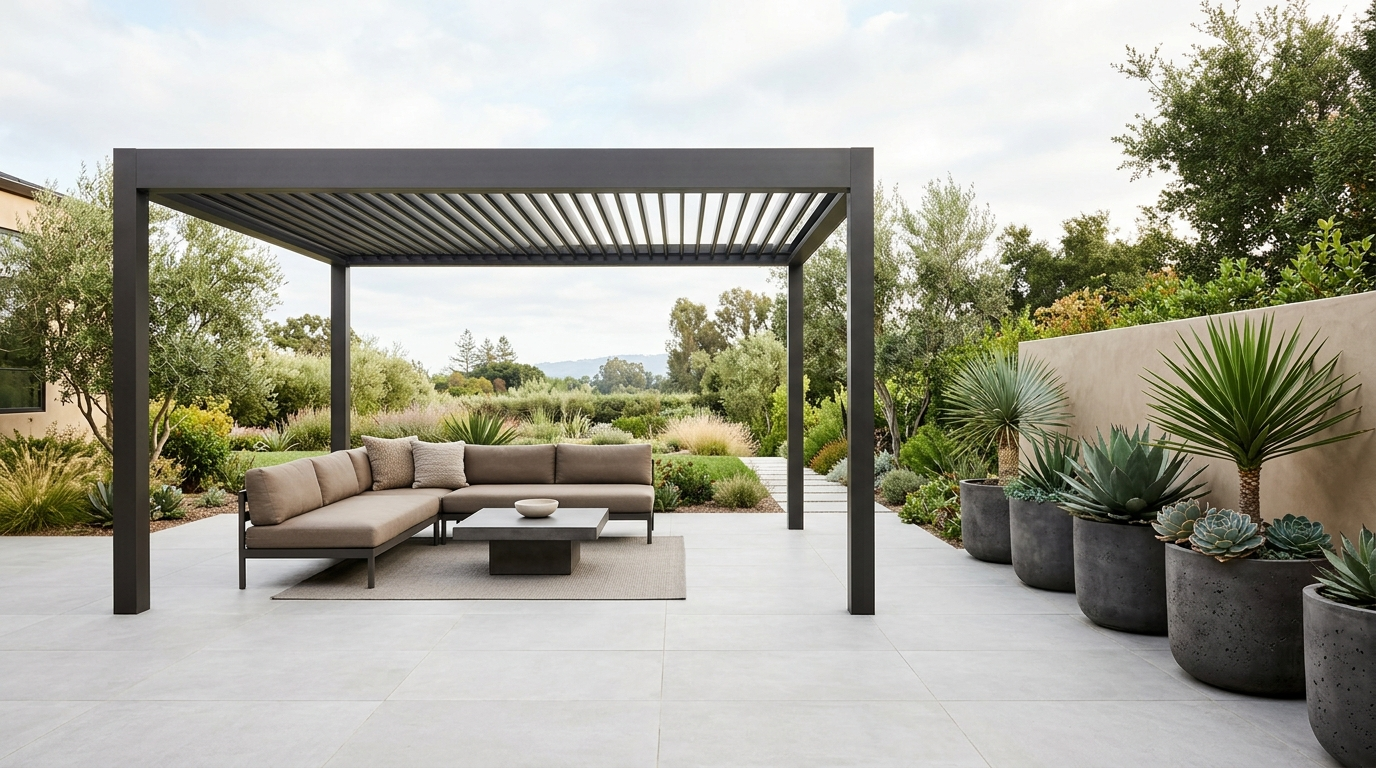
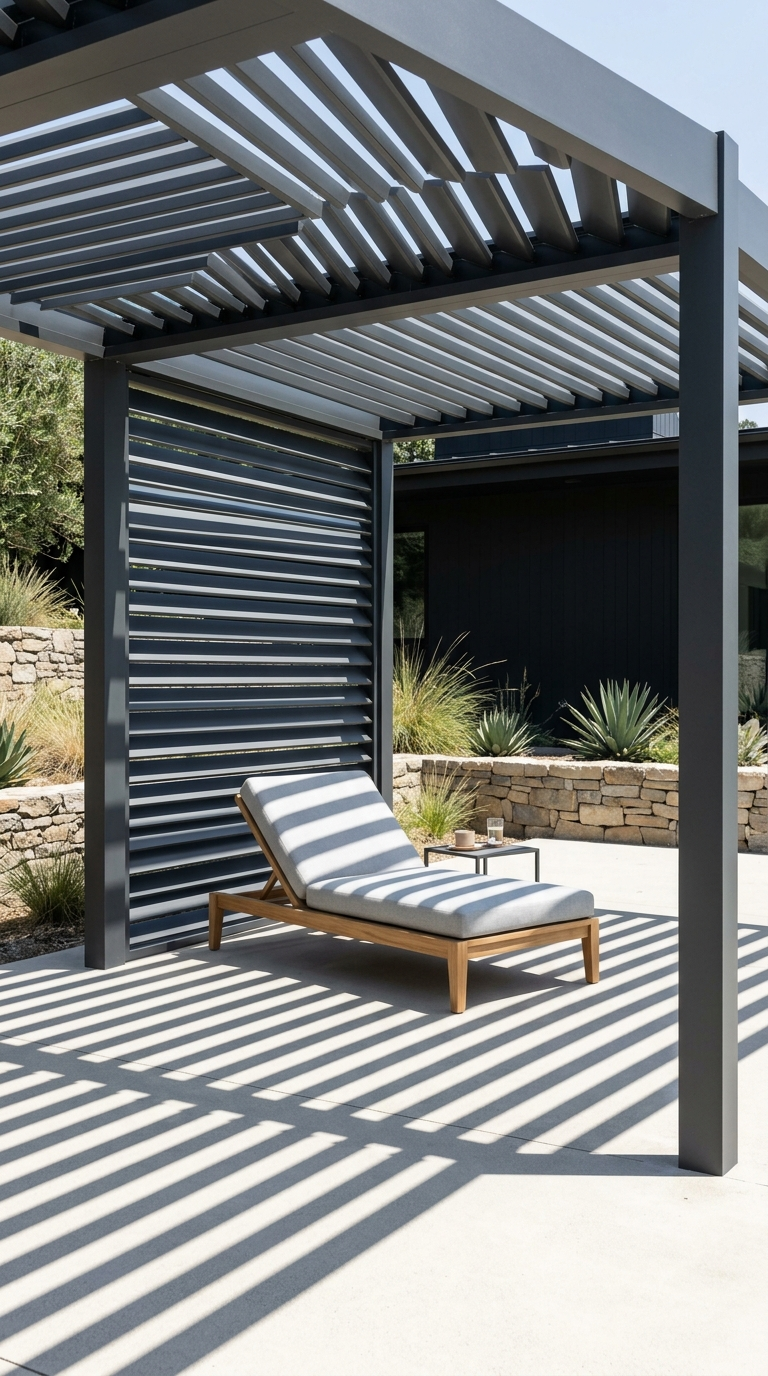
As the climate shifts, creating comfortable shaded areas is a top priority. The current trend moves away from flimsy umbrellas and towards permanent, architectural shade structures. Think sleek, louvered pergolas made of powder-coated aluminum that can be adjusted to control sunlight and ventilation. Shade sails in geometric shapes and muted tones are also popular for a more dynamic, modern look. These structures define outdoor rooms, providing a sheltered zone for dining or lounging. The clean lines of these installations complement minimalist landscaping, adding vertical interest without visual noise. Integrated LED lighting within these structures allows the space to be used comfortably long into the evening.
4. Zen-Inspired Water Features
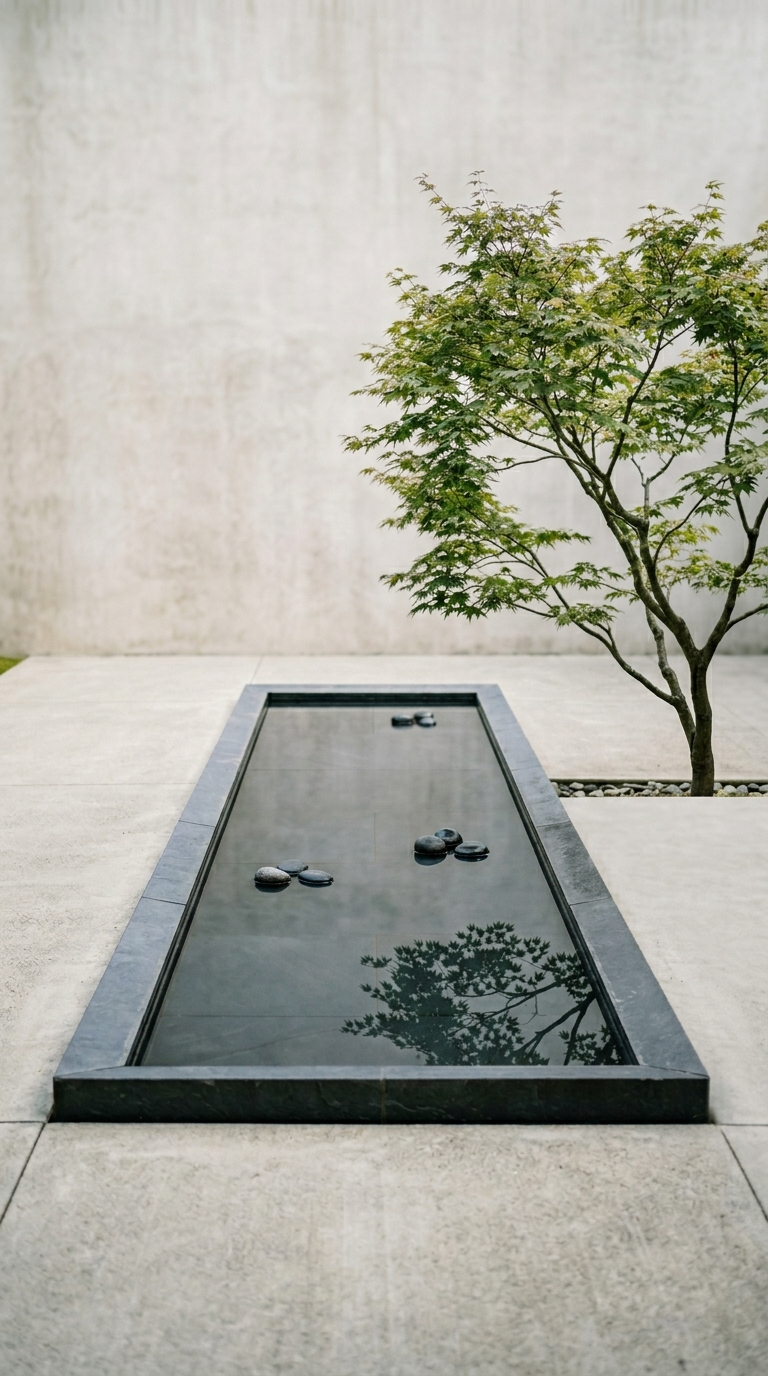
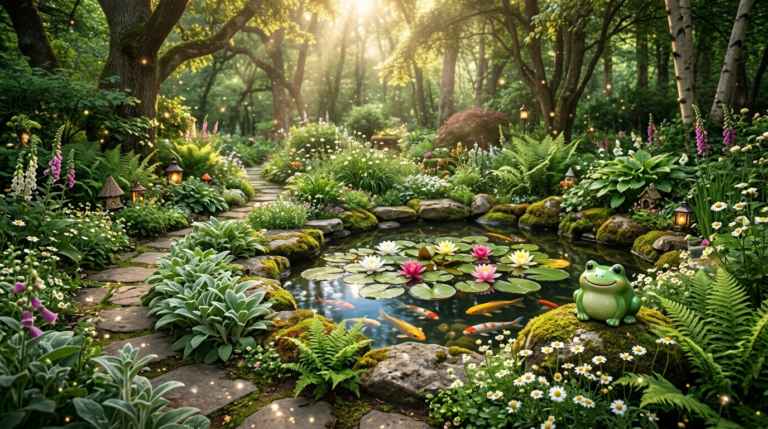
Water features are returning, but with a refined, minimalist twist. Gone are the days of overly ornate, faux-natural waterfalls. Today’s trend embraces simple, geometric reflection pools, sleek water walls, and minimalist fountains constructed from concrete, dark stone, or corten steel. The emphasis is on the soothing sound of moving water and the reflective quality of a still surface, which adds depth and serenity to the garden. These features are often positioned as focal points at the end of a sightline or integrated into patio walls. They serve a dual purpose: masking unwanted urban noise and providing a calming, meditative anchor to the outdoor living area.
5. Minimalist Outdoor Kitchens and Dining
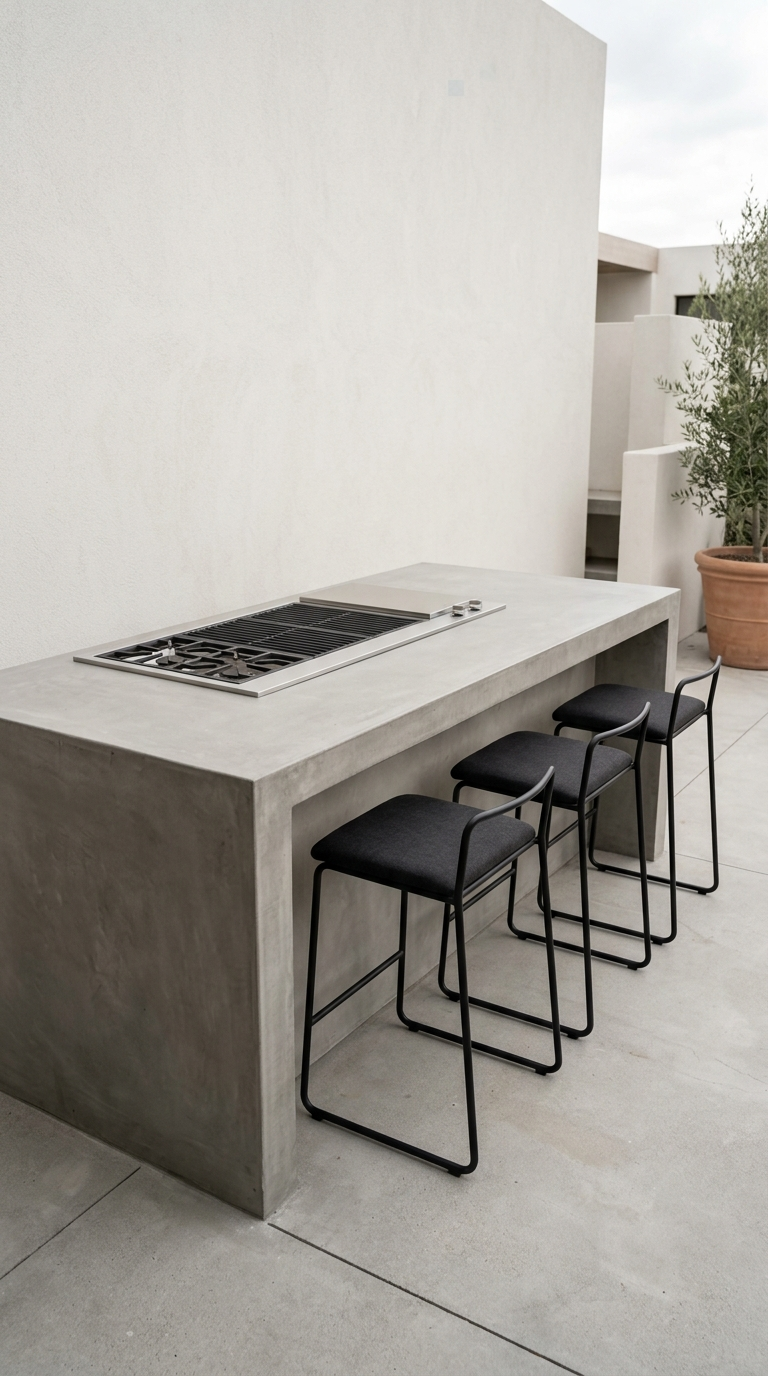
Outdoor dining has evolved beyond a basic grill on a patio. The trend is now towards fully integrated, minimalist outdoor kitchens. These setups feature sleek cabinetry, often in stainless steel or dark, matte finishes, built into concrete or stone islands. High-performance grills are flush-mounted, and sinks are seamlessly integrated. The layout is designed for efficiency and social interaction, often incorporating a clean-lined bar counter for casual seating. The surrounding dining area features streamlined tables and chairs, avoiding bulky or overly rustic designs. The entire culinary space is treated with the same design rigor as an indoor kitchen, ensuring it remains an elegant and functional part of the garden environment.
Conclusion: Embracing the Minimalist Garden
Transforming your garden into a modern, trend-forward sanctuary is about subtraction as much as addition. By focusing on clean lines, sustainable practices, and seamless integration with your home, you can create an outdoor living space that is both breathtaking and calming. The minimalist garden is not empty; rather, it is intentional. Every element, from the paving stone to the architectural plant, is chosen with care. As you plan your garden updates this year, remember that the ultimate goal is to craft a serene environment where you can unwind, entertain, and connect with nature in pure, unadulterated comfort.
Identify and avoid the most common outdoor dining mistakes that can ruin your al fresco experience. Our problem-solving guide offers practical solutions and creative fixes to ensure your outdoor meals are always enjoyable and memorable.
Avoid these common outdoor and garden design mistakes that hurt your home’s exterior value. Discover simple, beautiful solutions to fix your curb appeal.
Discover the top outdoor garden trends shaping 2026 and the years ahead. From sustainable practices to immersive sensory experiences, see what’s next for creating beautiful, resilient outdoor spaces.
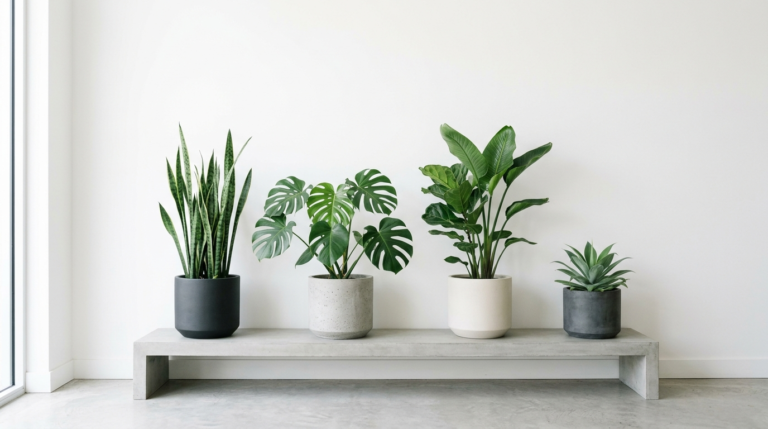
Transform even the tiniest corner into a serene green oasis. This complete minimalist indoor garden guide covers plant selection, smart containers, lighting tricks, vertical solutions, and easy care routines for lasting beauty and calm.