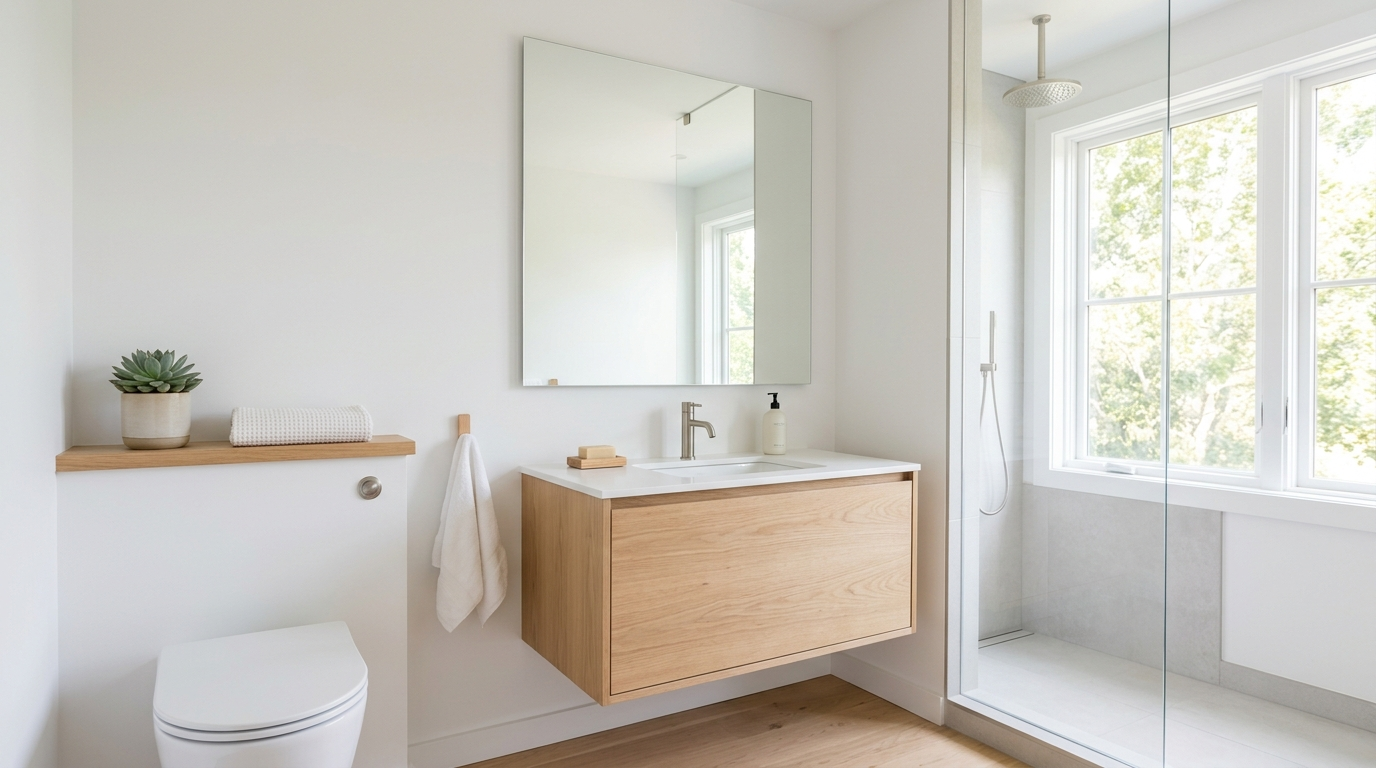
Small bathrooms present a unique design challenge, but with thoughtful planning and smart choices, even the tiniest space can feel open, airy, and surprisingly luxurious. Whether you are working with a compact urban apartment bathroom or a modest guest bath, the right strategies can completely transform how the room functions and feels. In this detailed how-to guide, we walk you through every step of the process so you can create a small bathroom that feels much larger than its actual square footage.
The key to success in small bathroom design lies in understanding how to use visual tricks, maximize storage without clutter, and choose finishes that reflect light rather than absorb it. Many people make the mistake of trying to fit too many elements into a small space or choosing dark, heavy materials that close the room in. Instead, we will focus on proven techniques that create a sense of spaciousness while still delivering the comfort and style you deserve.
By the end of this guide, you will have a clear action plan for your own small bathroom project. We cover everything from initial assessment and layout planning to the final styling touches that make a space feel complete and personal. Let’s begin transforming your small bathroom into a serene, spa-like retreat you will love using every day.
Step 1: Assess Your Space and Create a Smart Layout
Before making any purchases or changes, take time to carefully assess your current small bathroom. Measure the exact dimensions, note the location of plumbing fixtures, windows, doors, and electrical outlets. Understanding the existing infrastructure will help you make realistic decisions and avoid costly mistakes later in the process. Sketch a simple floor plan and consider how you currently move through the space and where the pain points are.
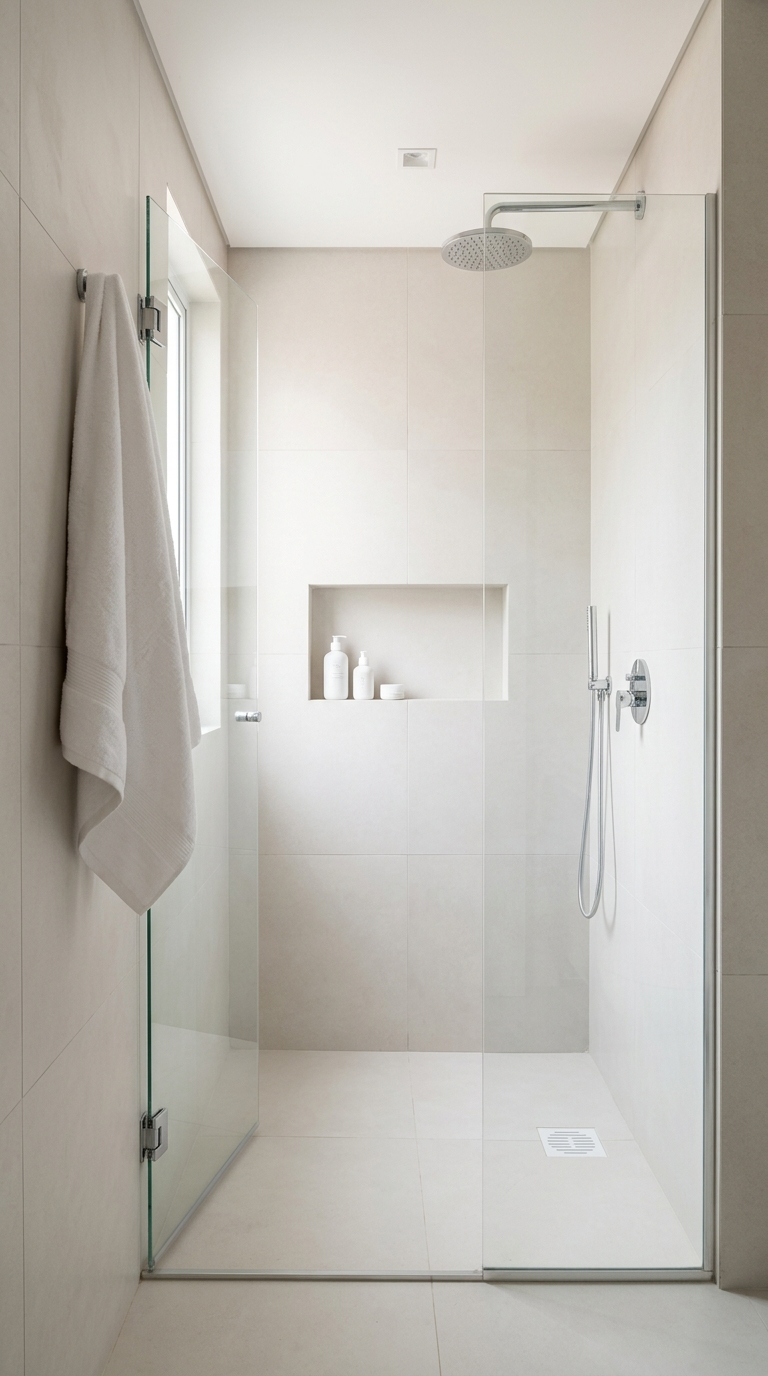
Think about the primary functions the bathroom needs to serve. Is it a daily-use family bathroom, a guest bath, or a private en-suite? This will influence your priorities for storage, counter space, and shower versus tub. In very small bathrooms, it is often better to remove a bulky tub and install a spacious walk-in shower instead, which can free up valuable floor space and make the room feel significantly larger and more modern.
Consider the door swing and whether reversing the door or switching to a pocket door could improve flow and usable wall space. Also evaluate whether moving the toilet or sink slightly could create a better layout. Even small adjustments to fixture placement can make a surprising difference in how spacious and functional the room feels. Take photos from multiple angles to refer back to as you plan.
Step 2: Choose a Light and Reflective Color Palette
Color is one of the most powerful tools for making a small bathroom feel larger. Light, cool tones such as soft whites, pale grays, gentle blues, and warm beiges reflect light beautifully and create an airy, open feeling. Avoid dark or heavily saturated colors on large surfaces like walls, floors, and vanities, as they tend to absorb light and make the space feel smaller and more closed in.
Consider using the same light color or a very close tonal match for walls, ceiling, and even large tile surfaces to create a seamless, continuous look that blurs boundaries and makes the room feel bigger. Glossy or satin finishes on walls and tiles will further enhance light reflection. If you love color, introduce it through accessories, towels, art, or a single accent wall in a soft, muted tone rather than covering all surfaces.
White or light-colored grout paired with light tiles creates a clean, fresh look, while a matching grout color on floor and wall tiles can make the surfaces appear larger and more unified. Large-format tiles with minimal grout lines also help the eye travel smoothly across surfaces, contributing to a sense of spaciousness. The goal is a bright, serene foundation that makes the room feel clean and expansive.
Step 3: Maximize Storage with Clever, Built-In Solutions
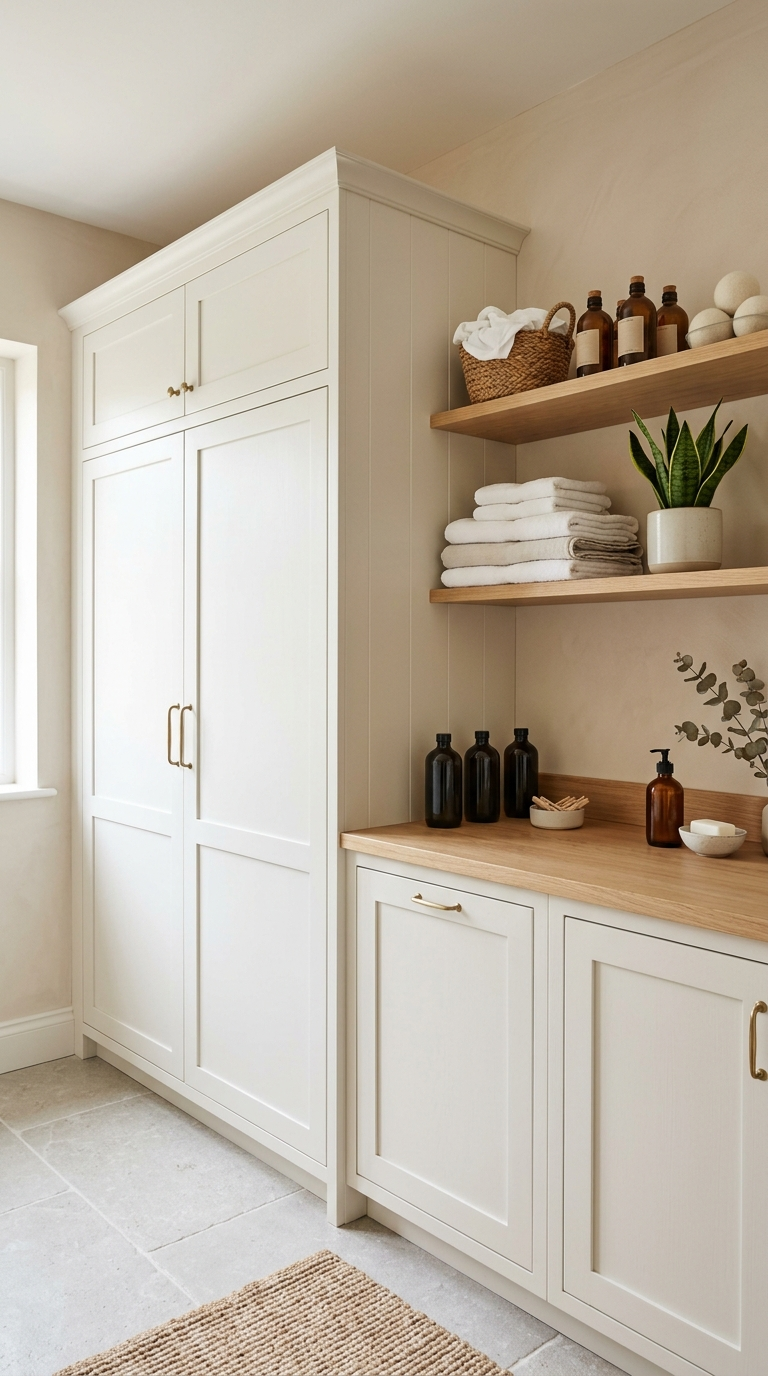
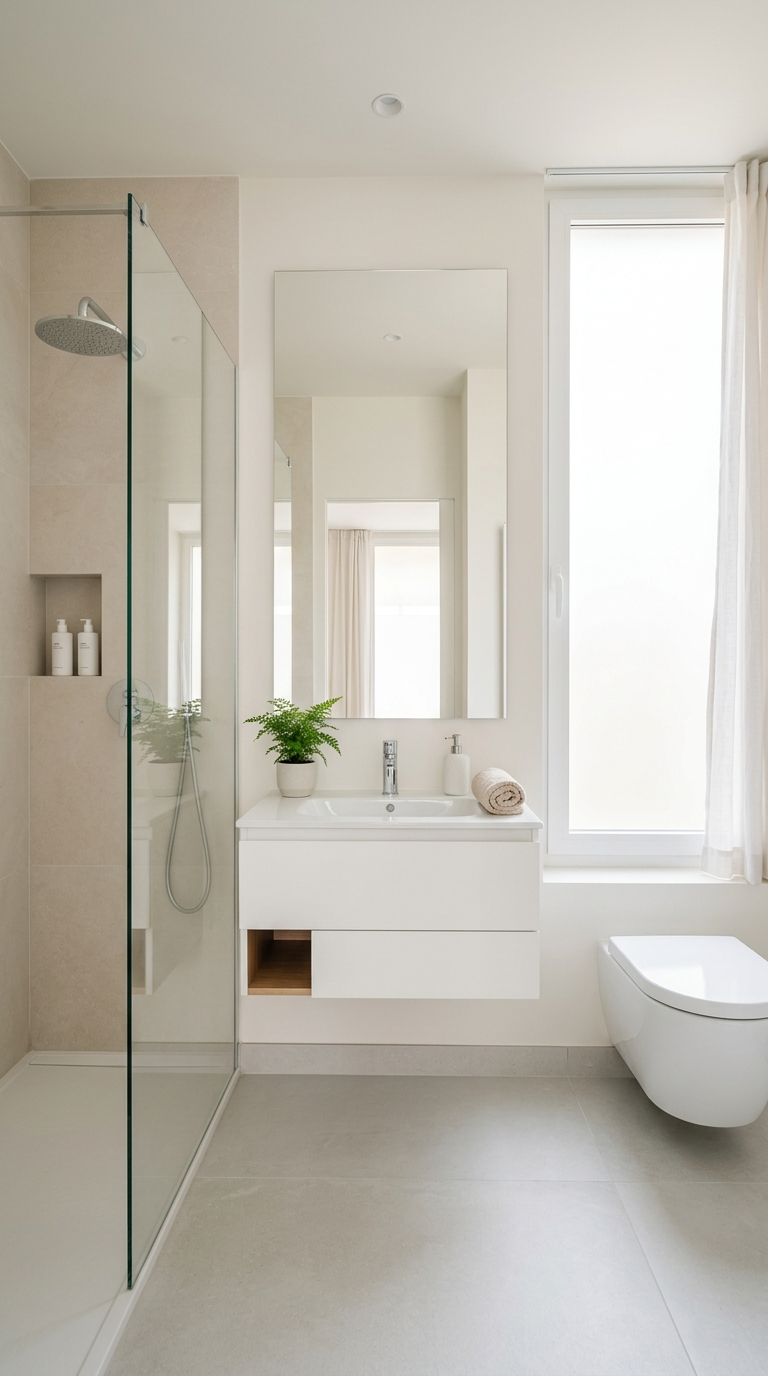
Clutter is the enemy of small spaces, so smart storage is essential for keeping your bathroom feeling calm and spacious. Look for opportunities to add recessed or built-in storage wherever possible. A recessed medicine cabinet or niche in the shower wall can provide useful storage without protruding into the room and taking up precious floor or wall space.
Choose a vanity with drawers rather than doors for better organization, and consider a wall-mounted or floating vanity to keep the floor visible and make the room feel larger. Open shelving can work if styled carefully, but closed storage generally keeps the space looking neater. Add hooks, towel bars, and over-the-toilet storage units that make use of vertical space without crowding the room.
Invest in quality organizers inside drawers and cabinets so everything has a designated place. This makes daily routines smoother and prevents the visual chaos that comes from overflowing storage. When every item has a home, the bathroom stays tidy with minimal effort, and the space feels more serene and intentionally designed.
Step 4: Use Large Mirrors and Strategic Lighting
A large mirror is one of the most effective ways to instantly make a small bathroom feel bigger by reflecting light and creating the illusion of depth. Consider a mirror that spans most of the wall above the vanity or even a full-height mirror if space allows. Frameless or minimally framed mirrors keep the look clean and modern while maximizing the reflective surface.
Layer your lighting to avoid harsh shadows and dark corners. Start with a well-lit vanity area using wall sconces on either side of the mirror or a backlit mirror for even, flattering light. Add recessed ceiling lights for general illumination and consider a small waterproof fixture or LED strip in the shower for safety and ambiance. Warm to neutral light temperatures create a spa-like feeling.
Dimmer switches give you control over the mood, allowing bright task lighting for morning routines and softer, relaxing light for evening baths or showers. Good lighting not only makes the space feel larger and more welcoming but also improves functionality and safety in a small room where every inch matters.
Step 5: Select Space-Saving Fixtures and Finishes
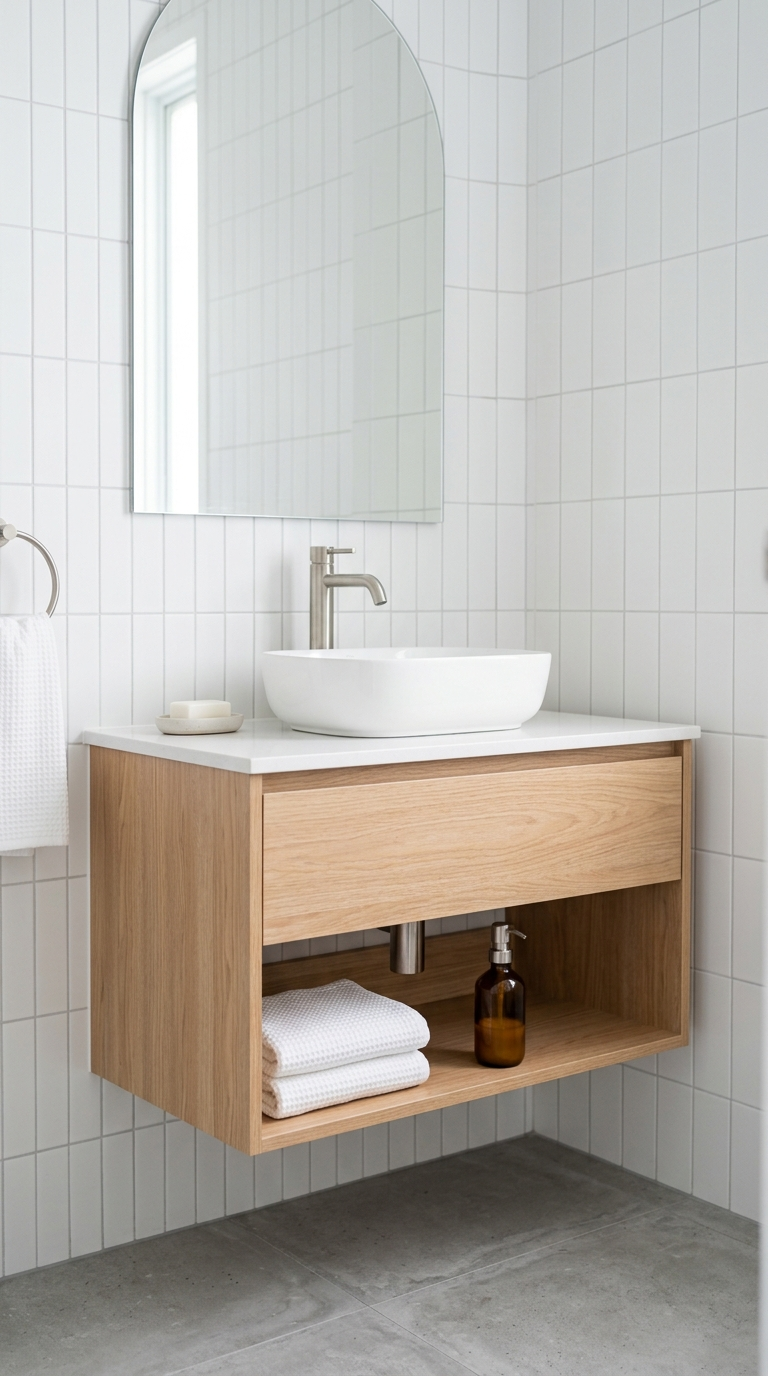
Choosing the right fixtures can make a dramatic difference in how spacious your small bathroom feels. Opt for a wall-mounted or corner sink if floor space is extremely limited. A back-to-wall or wall-hung toilet takes up less visual space than traditional models and makes cleaning easier. In the shower, a glass enclosure or no enclosure at all (with proper waterproofing and drainage) can make the room feel much larger than a curtained tub-shower combo.
Consider a curbless or low-threshold shower for a seamless, modern look that also improves accessibility. Large-format floor tiles that continue up the shower walls can create a continuous surface that makes the room feel bigger. Choose finishes with subtle texture or light sheen to reflect light without being too busy or overwhelming in a small space.
Hardware in brushed nickel, chrome, or matte black finishes can add a touch of luxury while keeping the overall look cohesive. Avoid overly ornate or heavy fixtures that can feel visually heavy in a compact room. The goal is streamlined, elegant pieces that serve their purpose beautifully without dominating the limited space.
Step 6: Incorporate Plants and Natural Elements
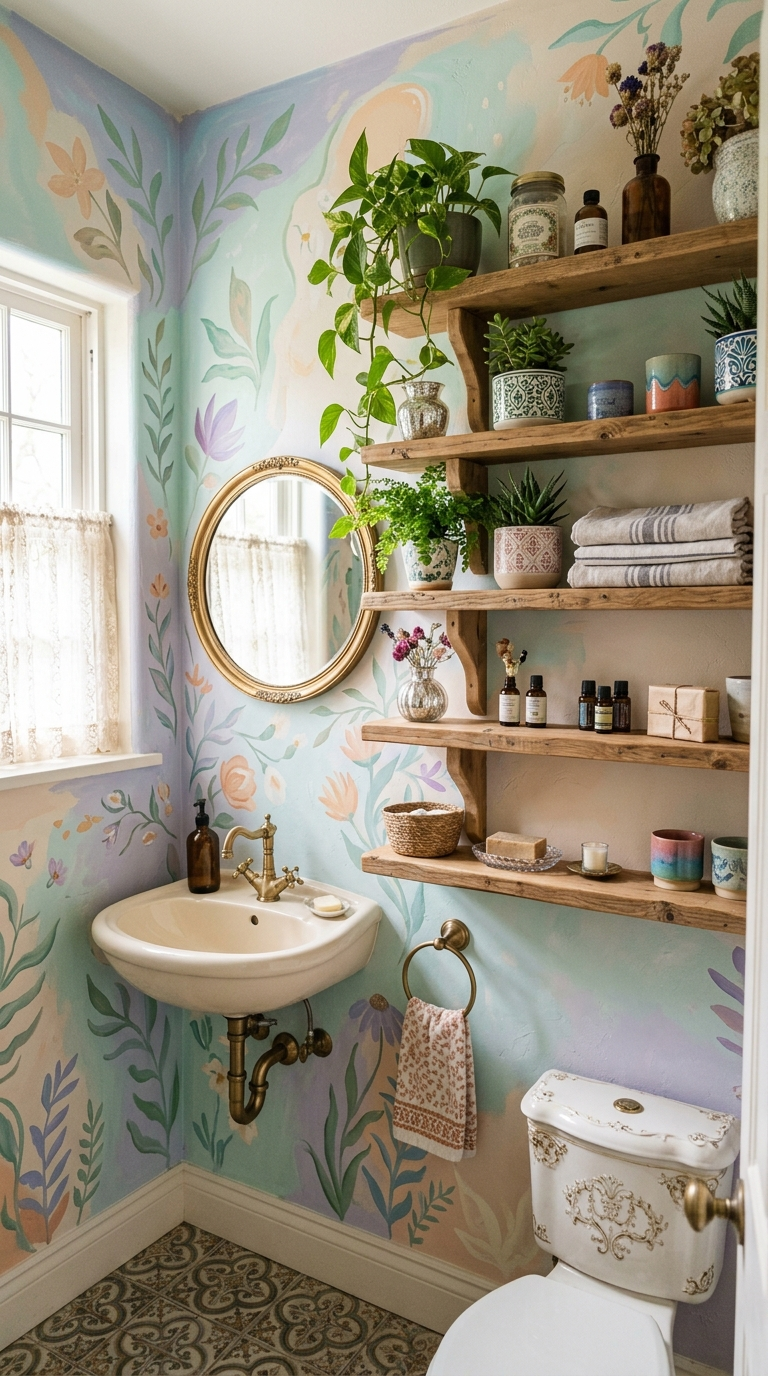
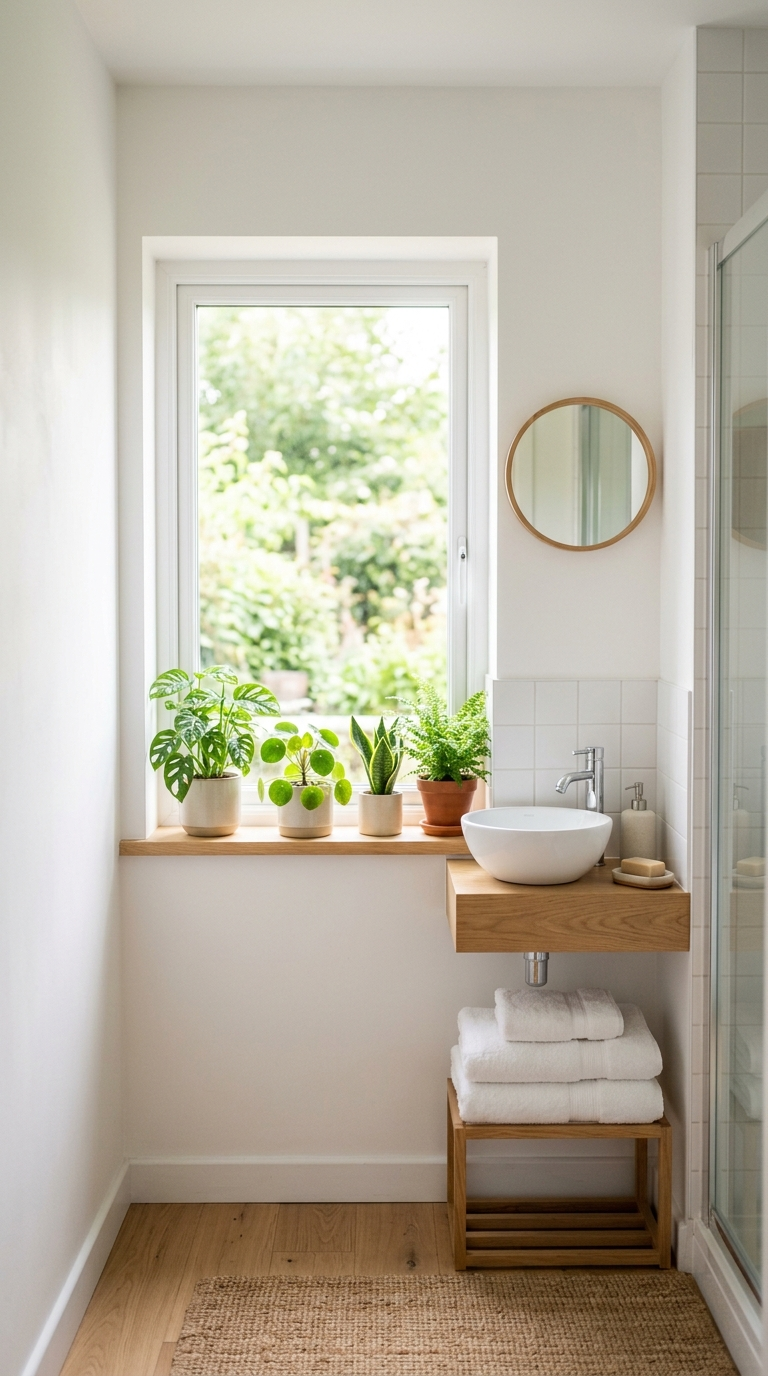
Bringing a bit of nature into a small bathroom can make it feel fresher, more alive, and surprisingly larger. Choose low-maintenance plants that thrive in humid environments, such as ferns, pothos, snake plants, or small orchids. Place them on a windowsill, a floating shelf, or even in a hanging planter to keep surfaces clear.
Natural materials like wood accents, stone, or woven baskets add warmth and texture that prevent the space from feeling sterile or clinical. A small wooden stool, a linen shower curtain, or a marble tray for toiletries can elevate the everyday experience and make the bathroom feel like a personal retreat rather than just a utilitarian room.
Even a single carefully chosen plant or a vase of fresh flowers can soften the hard surfaces typical of bathrooms and create a sense of calm. The contrast between living greenery and clean architectural lines adds life and personality without taking up much space or requiring a large budget.
Step 7: Add the Final Styling Touches
Once the major elements are in place, the finishing touches bring personality and completeness to your small bathroom. Choose high-quality towels in soft, light colors or subtle patterns and display them neatly on bars or in baskets. A beautiful soap dispenser, a small tray for jewelry or toiletries, and elegant hardware details all contribute to a luxurious, spa-like feeling.
Consider adding a piece of art or a framed print that you love. Even in a small space, meaningful decor makes the room feel personal and intentional. Scented candles, a small essential oil diffuser, or beautiful bath products on display can engage the senses and turn routine tasks into small moments of pleasure.
Finally, keep the space meticulously clean and edited. In small bathrooms, less is truly more. Regularly declutter and only keep items you use daily or that bring you joy. A well-edited, beautifully styled small bathroom can feel every bit as luxurious and enjoyable as a much larger one when every element is chosen with care and purpose.
Your Small Bathroom Transformation Is Complete
By following these seven practical steps, you can transform even the smallest bathroom into a space that feels open, bright, functional, and genuinely luxurious. The combination of smart layout choices, light-reflecting colors and finishes, clever storage, excellent lighting, space-saving fixtures, natural touches, and thoughtful styling creates a room that works hard for your daily life while also providing a calming retreat at the end of a long day.
Remember that small bathroom design is all about intentional choices and editing. Every decision should contribute to a sense of spaciousness and ease. Start with the steps that address your biggest pain points, and build from there. With patience and attention to detail, your small bathroom can become one of the most enjoyable and beautiful rooms in your home. Enjoy the process and the beautiful results!