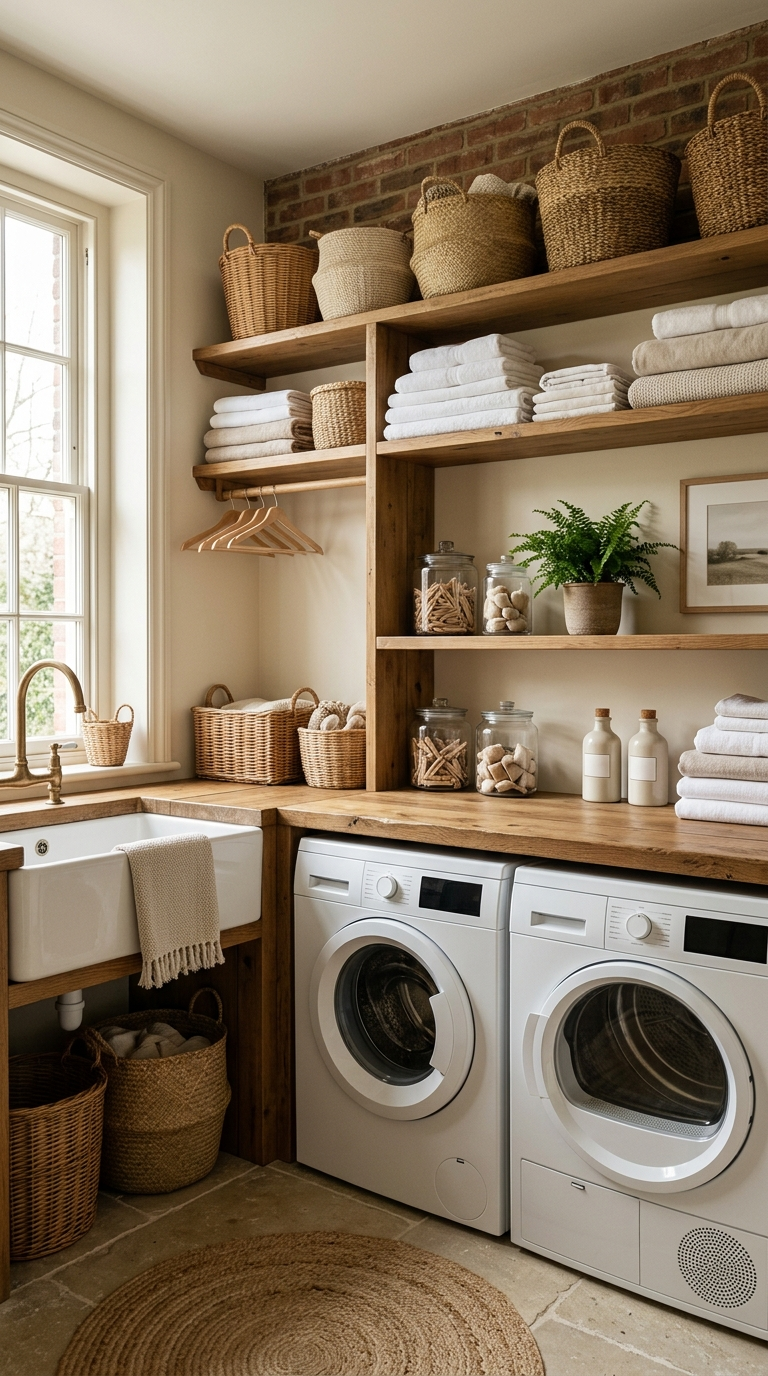
Laundry rooms are often the most neglected spaces in a home, tucked away in basements or corners and designed purely for function with little thought for beauty or comfort. Yet a well-designed laundry room can transform one of the most repetitive household tasks into something almost pleasant. When you create a space that is organized, well-lit, and visually appealing, laundry becomes less of a burden and more of a manageable, even satisfying routine. This comprehensive guide walks you through every step of designing a beautiful and functional laundry room, whether you are starting from scratch in a new home or refreshing an existing space on a budget.
Step 1: Assess Your Space and Define Your Needs
Begin by taking accurate measurements of your laundry room and noting its current condition. Identify the location of plumbing, electrical outlets, venting, and any windows or doors. Consider how you currently do laundry and what frustrates you most about the space. Do you need more counter space for folding? Better lighting for sorting colors? More storage for supplies and linens? Understanding your specific pain points and needs will guide every design decision that follows. Also think about who uses the space and how often. A family with young children may need different solutions than a single person or couple. This assessment phase is crucial and often overlooked, but it prevents costly mistakes and ensures the final result truly serves your household.
Next, establish a realistic budget and timeline. Laundry room renovations can range from simple cosmetic updates to full gut renovations with new plumbing and electrical work. Knowing your budget helps prioritize which improvements will have the biggest impact. Consider whether you will tackle the project yourself or hire professionals for certain aspects. Even if you plan to DIY most of the work, some tasks like electrical or plumbing may require licensed help to ensure safety and code compliance. Document your findings and create a simple project plan that outlines the scope of work, estimated costs, and sequence of tasks. This roadmap will keep you organized and on track throughout the process.
Step 2: Plan the Layout for Maximum Efficiency
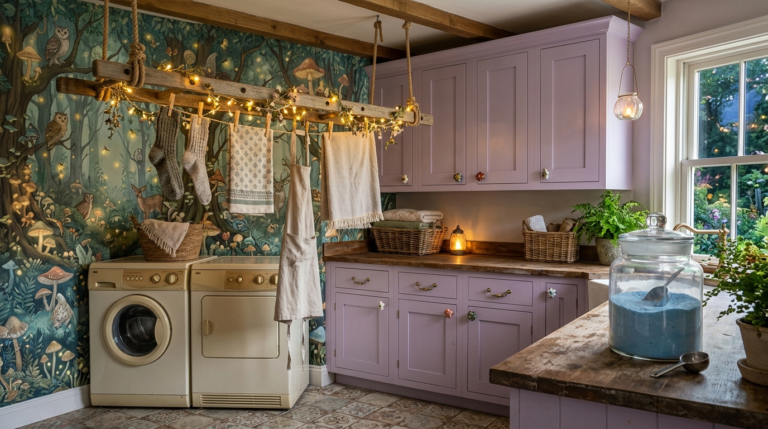
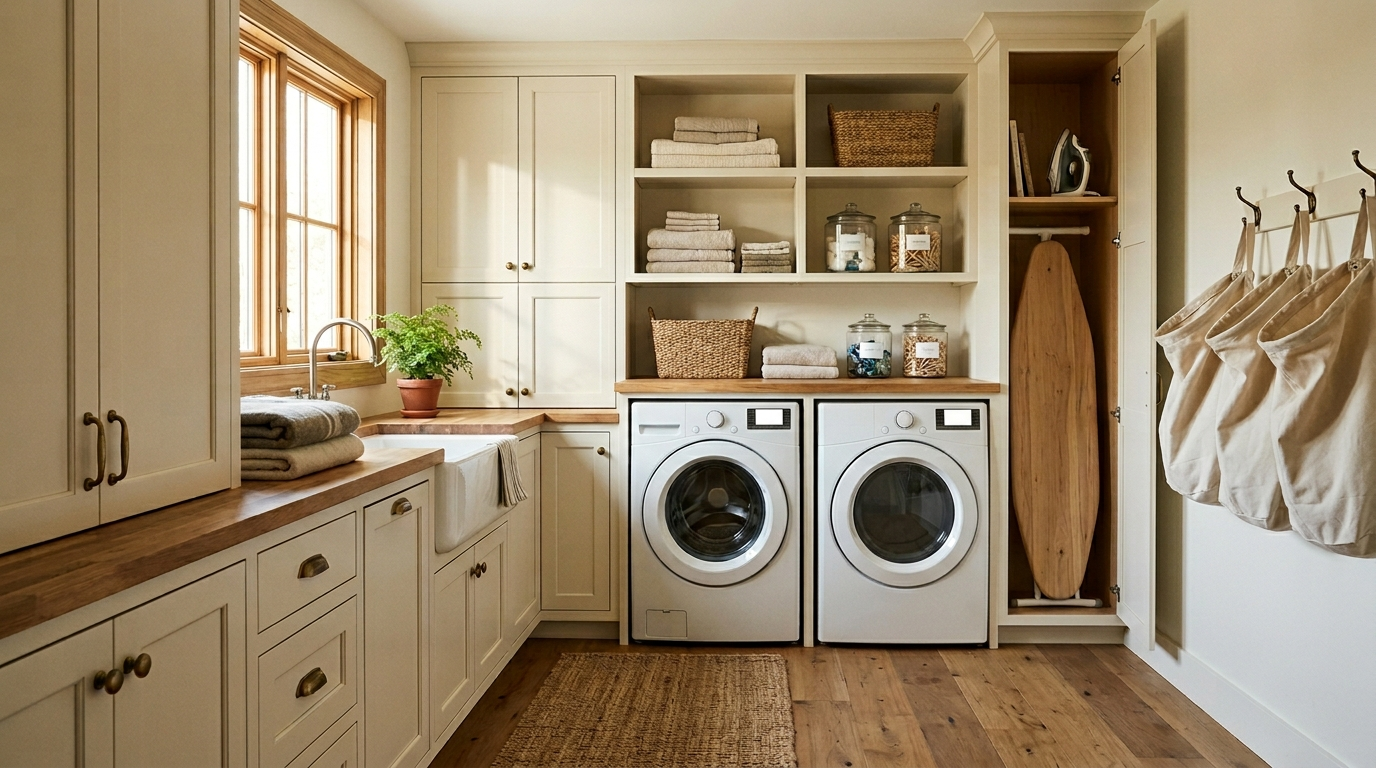
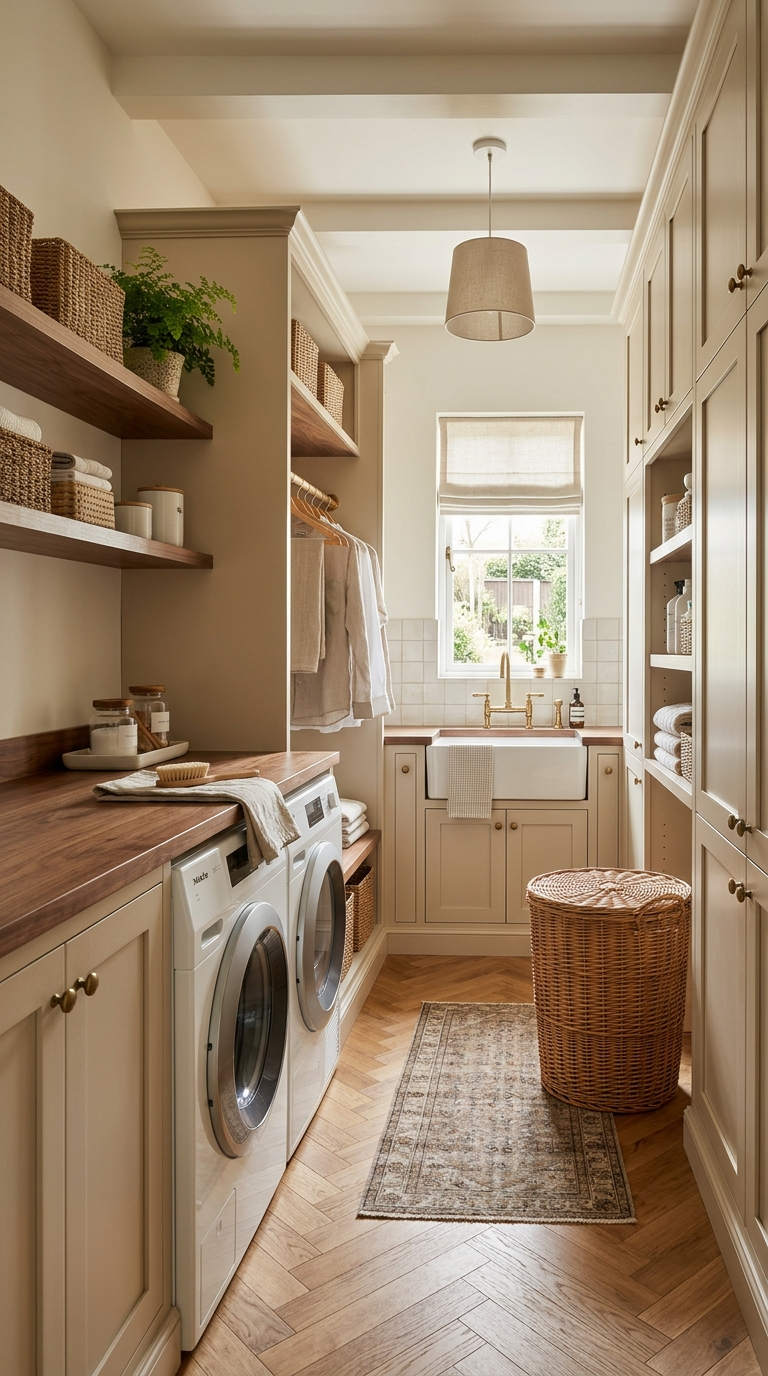
The layout of your laundry room determines how efficiently you can move through the tasks of sorting, washing, drying, folding, and putting away. Ideally, you want a logical flow that minimizes steps and backtracking. Place the washer and dryer side by side or in a stacked configuration if space is tight. Position a countertop or folding surface near the dryer for easy transfer of warm clothes. Consider adding a sink if space and plumbing allow, for pre-treating stains or hand-washing delicate items. Think about storage for supplies: a cabinet or shelving unit near the washer for detergent and stain removers keeps everything within reach. If your room has a window, try to preserve natural light and consider the view when arranging the space.
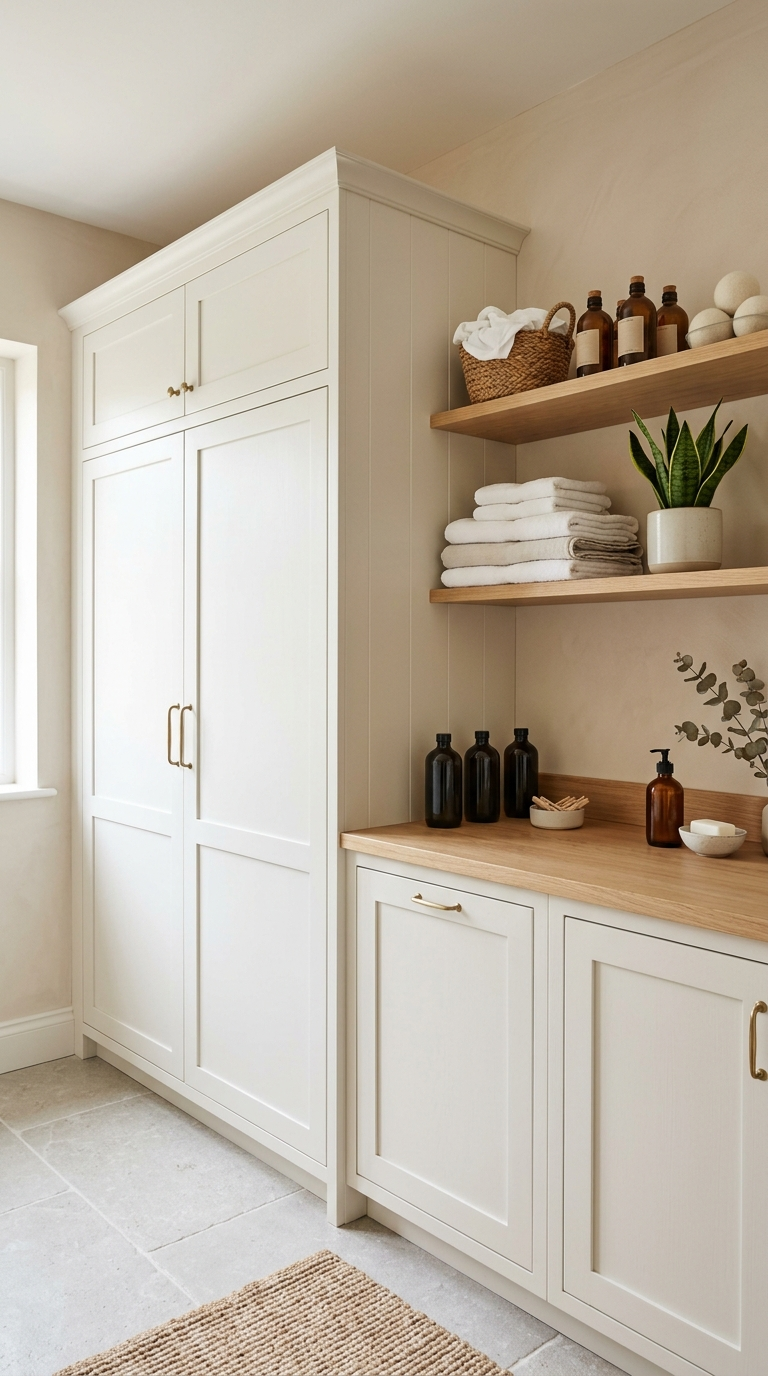
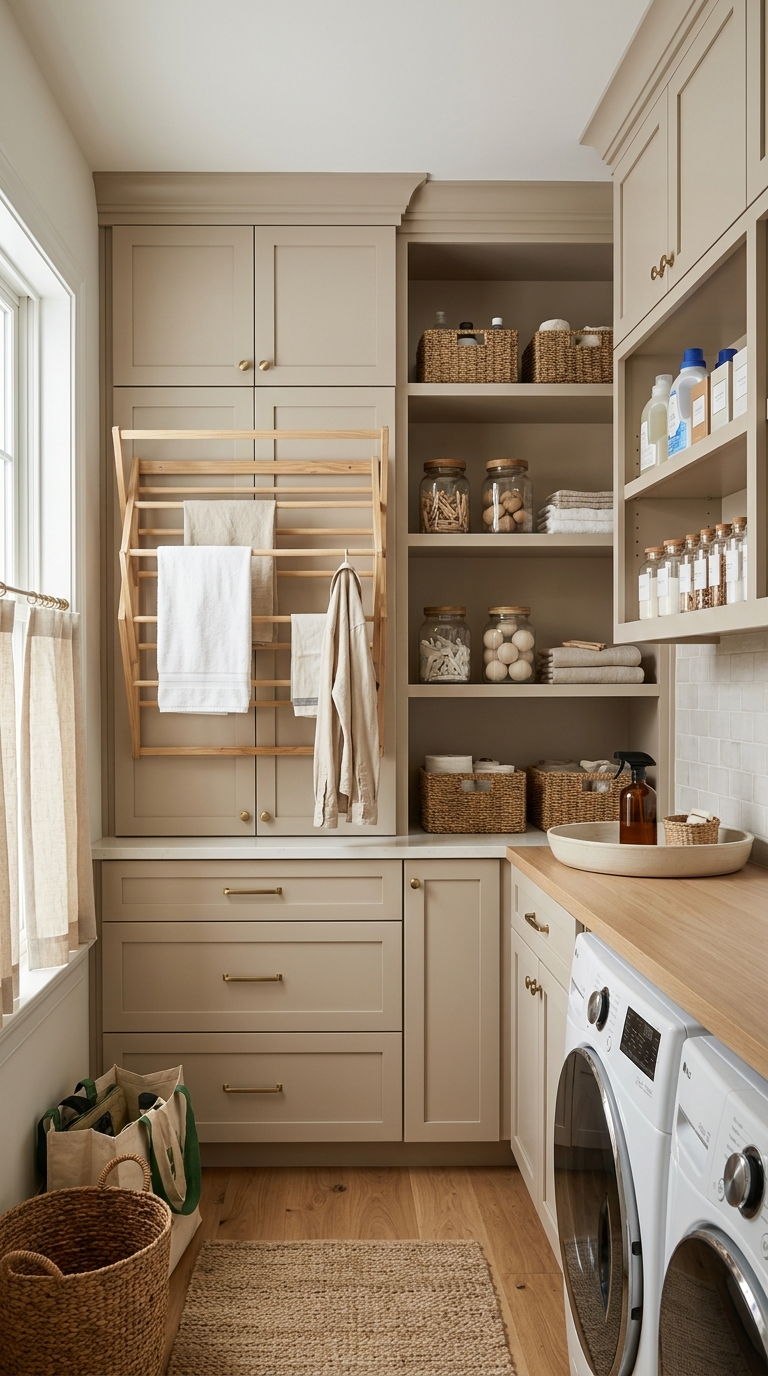
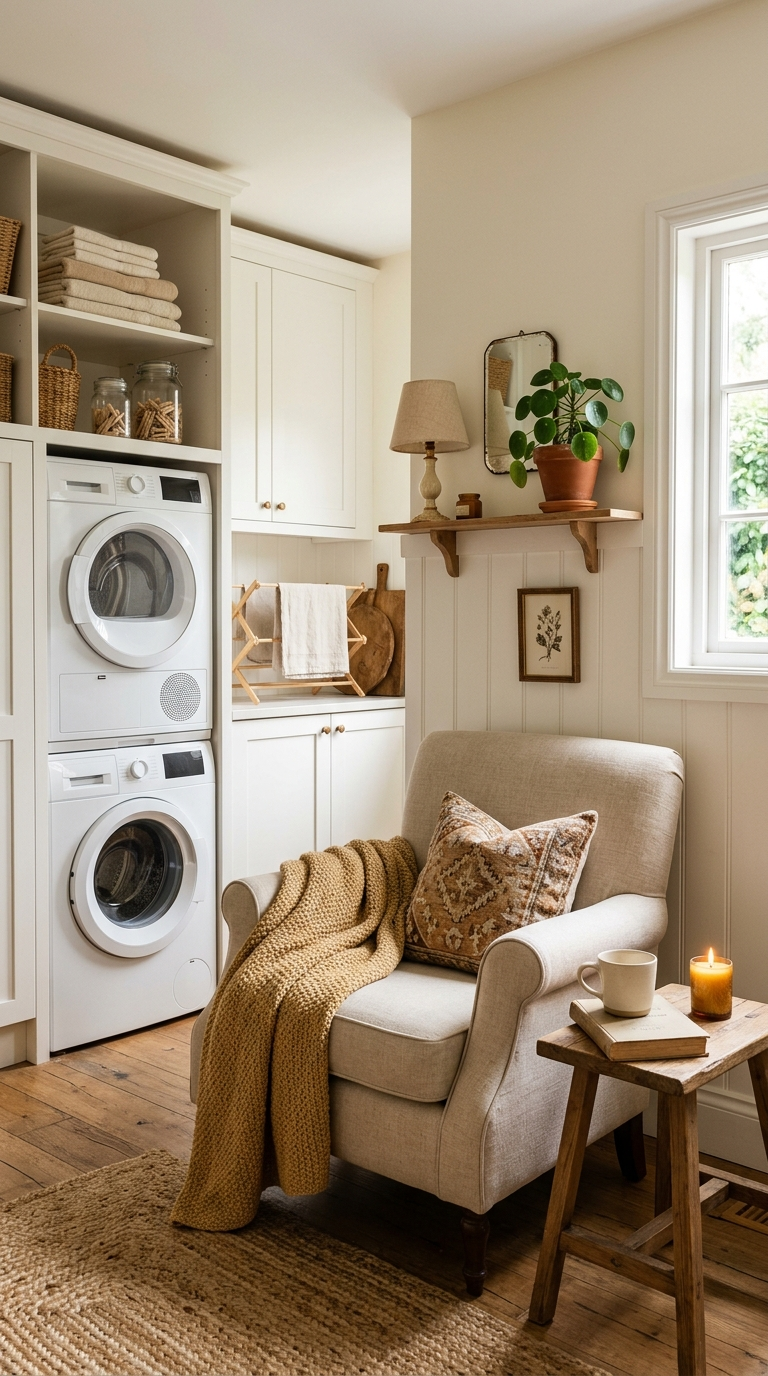
For small laundry rooms, vertical thinking is essential. Wall-mounted drying racks, overhead storage, and tall cabinets that extend to the ceiling maximize every inch. Consider a fold-down ironing board that tucks away when not in use, or a rolling cart that can be moved as needed. The goal is to create a space that feels open and workable despite its size. Sketch several layout options and walk through each one mentally, imagining yourself performing laundry tasks. This visualization helps identify potential problems before you commit to a particular arrangement. Remember that the best layouts are those that feel intuitive and require minimal unnecessary movement.
Step 3: Choose Finishes That Are Beautiful and Practical
Laundry rooms are high-moisture, high-use spaces, so finishes must be durable and easy to clean. At the same time, you want the room to feel pleasant rather than purely utilitarian. For flooring, choose waterproof options like luxury vinyl plank, tile, or sealed concrete that can withstand spills and heavy foot traffic. These materials are available in a wide range of colors and patterns, allowing you to create a space that feels designed rather than purely functional. For walls, consider beadboard, shiplap, or painted drywall in a color that makes you happy. Soft grays, warm whites, and gentle greens all work well and create a calming backdrop. Cabinets and shelving should be sturdy and moisture-resistant. Painted wood or laminate in a light color helps the room feel bright and spacious.
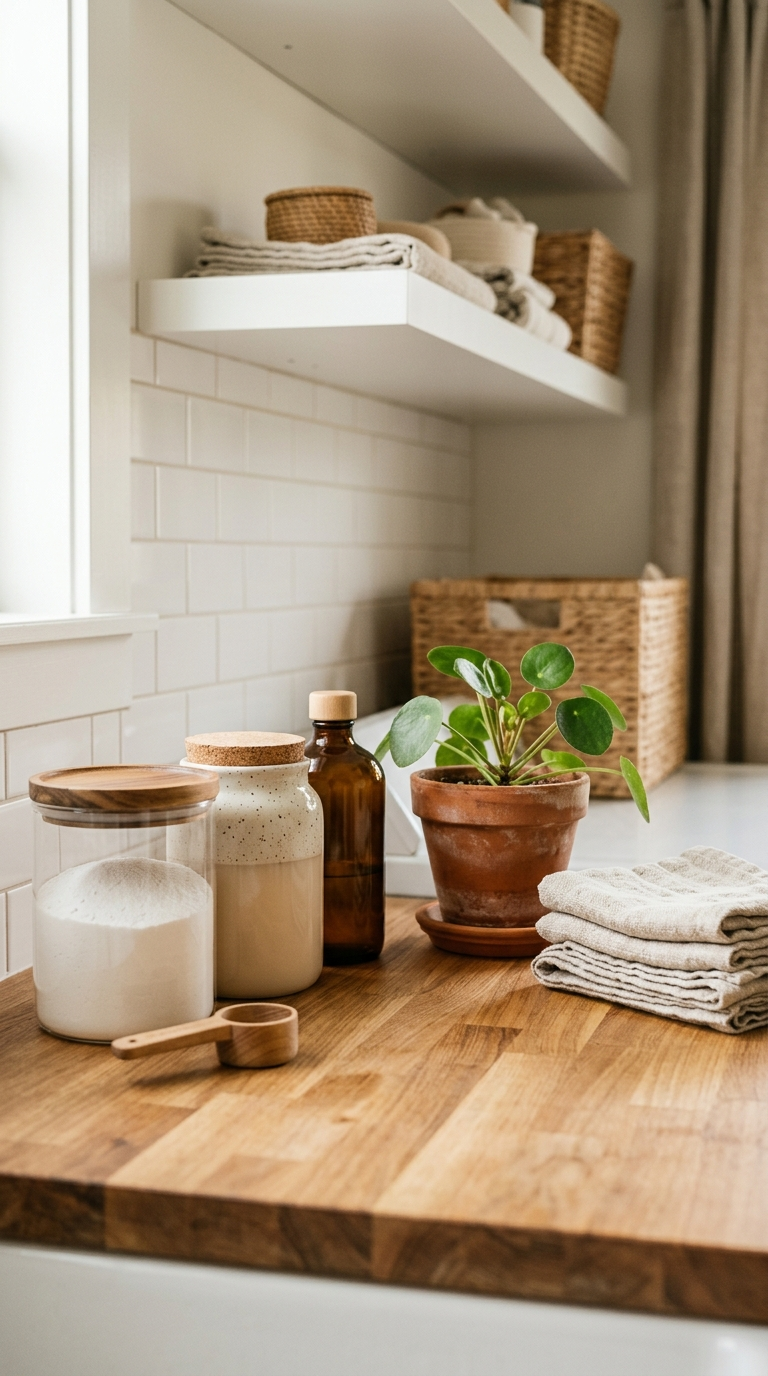
Countertops are another opportunity to add beauty and function. Solid surface materials, quartz, or even butcher block sealed for moisture resistance provide a pleasant surface for folding and sorting. Choose a material that complements your overall color scheme and is easy to maintain. Hardware and fixtures should be chosen for both style and durability. Matte black, brushed nickel, or oil-rubbed bronze finishes hide fingerprints and water spots better than polished chrome. The goal is to create a room that feels cohesive and intentional, where every surface contributes to both the beauty and the practicality of the space. Take time to research options and choose materials that will stand up to daily use while still bringing you joy.
Step 4: Layer Lighting for Function and Ambiance
Good lighting is essential in a laundry room, where you need to see stains, sort colors accurately, and navigate the space safely. Start with bright overhead lighting for general illumination. LED fixtures are energy-efficient and provide excellent light quality. Supplement with task lighting over the washer, dryer, and folding area. Under-cabinet lighting or small LED strips can make a big difference in visibility and create a more pleasant atmosphere. If your laundry room has a window, maximize natural light with light-colored window treatments or none at all if privacy allows. Consider adding a small lamp or decorative light fixture for ambiance if the room is used for other purposes like crafting or as a mudroom.
Lighting also affects the mood of the space. Warm light feels more inviting and less clinical than cool white light. Experiment with different color temperatures to find what feels best to you. Dimmer switches allow you to adjust brightness for different tasks and times of day. Good lighting makes the room feel larger and more welcoming, which in turn makes the task of doing laundry more pleasant. Do not underestimate the impact of lighting on your daily experience of the space. It is one of the most cost-effective improvements you can make and one that delivers immediate results.
Step 5: Implement Smart Organization and Finishing Touches
Organization is what transforms a laundry room from a chaotic chore zone into a calm, efficient workspace. Invest in a system that works for your household. This might include labeled bins for different types of laundry, a sorting station with multiple hampers, or a wall-mounted organizer for supplies. Make sure everything has a designated place and is easy to access and put away. Consider adding a small bulletin board or whiteboard for notes, shopping lists, or care instructions. A clock helps you keep track of time while waiting for cycles to finish. These small organizational elements make a big difference in how smoothly laundry day flows.
Finally, add the finishing touches that make the room feel complete and personal. A small plant or two can bring life to the space. Artwork or a decorative mirror can make the room feel less utilitarian. A comfortable stool or chair provides a place to sit while folding or waiting. A small radio or speaker for music or podcasts can make the time pass more pleasantly. These details are what turn a functional laundry room into a space you actually enjoy being in. The most successful laundry rooms are those that balance practicality with personality, efficiency with comfort. When you take the time to design thoughtfully, laundry becomes less of a dreaded task and more of a manageable, even satisfying part of home life.
Designing a beautiful and functional laundry room is an investment in your daily quality of life. By assessing your needs, planning the layout carefully, choosing durable and attractive finishes, layering good lighting, and implementing smart organization, you can create a space that makes laundry less of a chore and more of a pleasure. Whether your laundry room is large or small, these principles apply. The goal is a room that works hard for you while still bringing beauty and calm to one of the most routine aspects of home life. Start where you are, make improvements gradually, and enjoy the transformation.