The exterior of your home is the very first thing guests, neighbors, and potential buyers see. It serves as your home’s initial handshake, establishing expectations for the design and care found inside. Yet, despite the best intentions and hours of hard work, many homeowners unknowingly commit critical landscape errors that detract from their property’s beauty and value. Achieving a pristine, welcoming look doesn’t require a Hollywood budget; it requires an understanding of proportion, plant placement, and long-term growth. In this comprehensive guide, we will analyze seven common outdoor and garden design mistakes and present straightforward, elegant solutions to elevate your home’s curb appeal completely.
1. Planting Too Close to the Home’s Foundation
The Mistake: When shopping at a nursery, it is easy to forget that a tiny, cute shrub in a three-gallon pot will eventually grow into a massive, sprawling bush. Homeowners often plant these young specimens right up against their siding or foundation walls. As the plants mature, they crowd the walkway, block windows, trap destructive moisture against the house, and can even compromise the structural foundation with their aggressive root systems. Visually, it creates a cramped, overgrown look that smothers the architecture of the house.
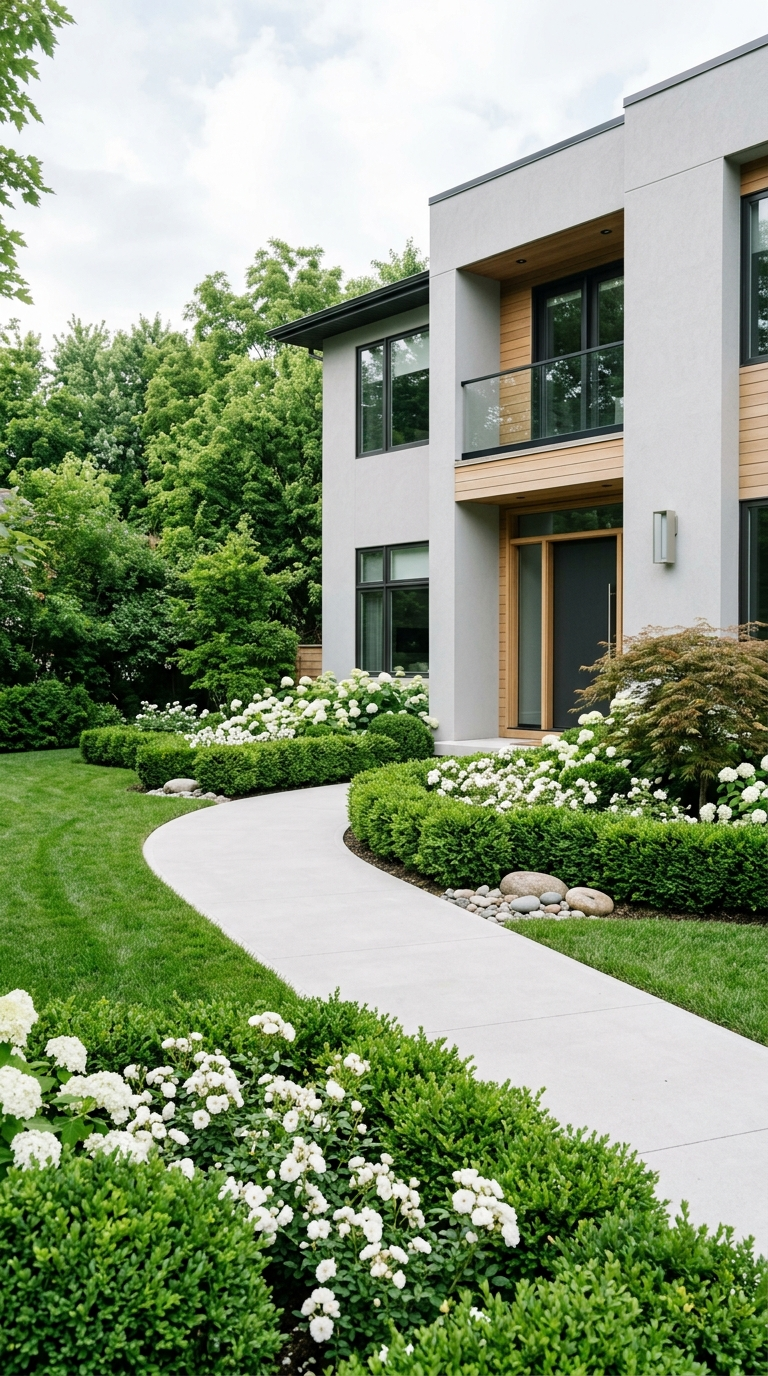
The Solution: Always research the mature height and spread of a plant before digging. A minimalist and clean landscaping layout utilizes the “leapfrog” rule. Position plants based on their maximum adult size, leaving at least three to five feet of breathing room between the mature edge of the plant and your home’s walls. This allows for proper airflow, easy home maintenance, and creates a clean, intentional border of mulch or decorative stone that frames the house beautifully rather than suffocating it.
2. The “Postage Stamp” Lawn Squeezed by Chaotic Mulch Beds
The Mistake: In an attempt to add visual interest, many yards feature a chaotic mix of winding mulch beds, random stone rings around trees, and disjointed patches of grass. This breaks up the visual plane of the front yard, making it feel small, fragmented, and incredibly messy. Instead of looking like a curated garden, the yard looks like a collection of separate, disconnected projects, which completely destroys any sense of peaceful, clean design flow.
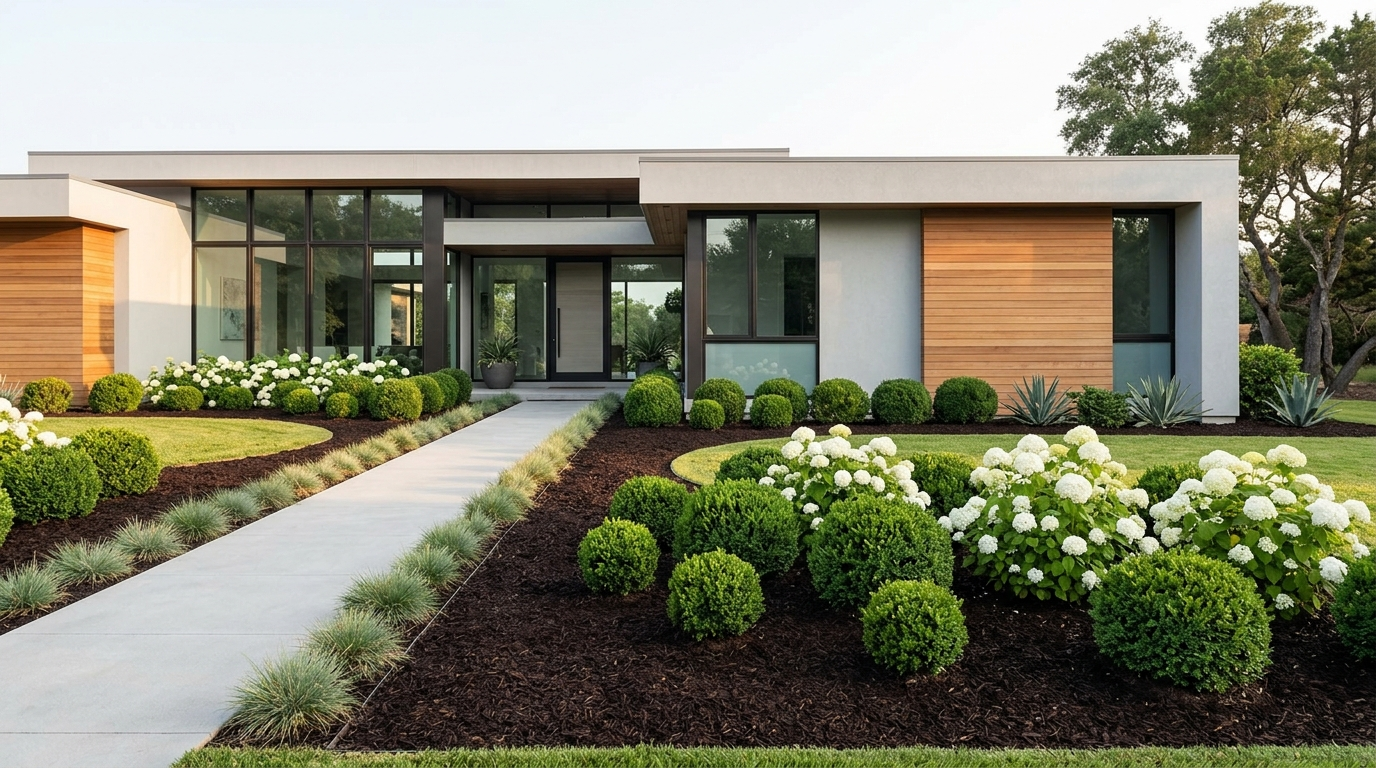
The Solution: Clean, minimalist landscaping relies on strong, unified geometric lines or smooth, sweeping curves. Consolidate your planting zones. Group trees, shrubs, and perennials together into large, continuous, neatly edged beds. A single, expansive, beautifully maintained patch of green grass contrasted against a wide, clean bed of dark mulch or light river gravel creates a powerful, high-end editorial feel that instantly elongates the appearance of your front yard.
3. Overcomplicating the Plant Color Palette
The Mistake: Walking through a garden center can be overwhelming, leading to the impulse purchase of one of every flower color available. When you plant hot pink petunias next to yellow marigolds, red geraniums, and purple salvia, the result is visual noise. Rather than looking sophisticated, an overly busy color scheme looks disorganized and lacks a clear design perspective, drawing attention away from the home’s natural architectural beauty.
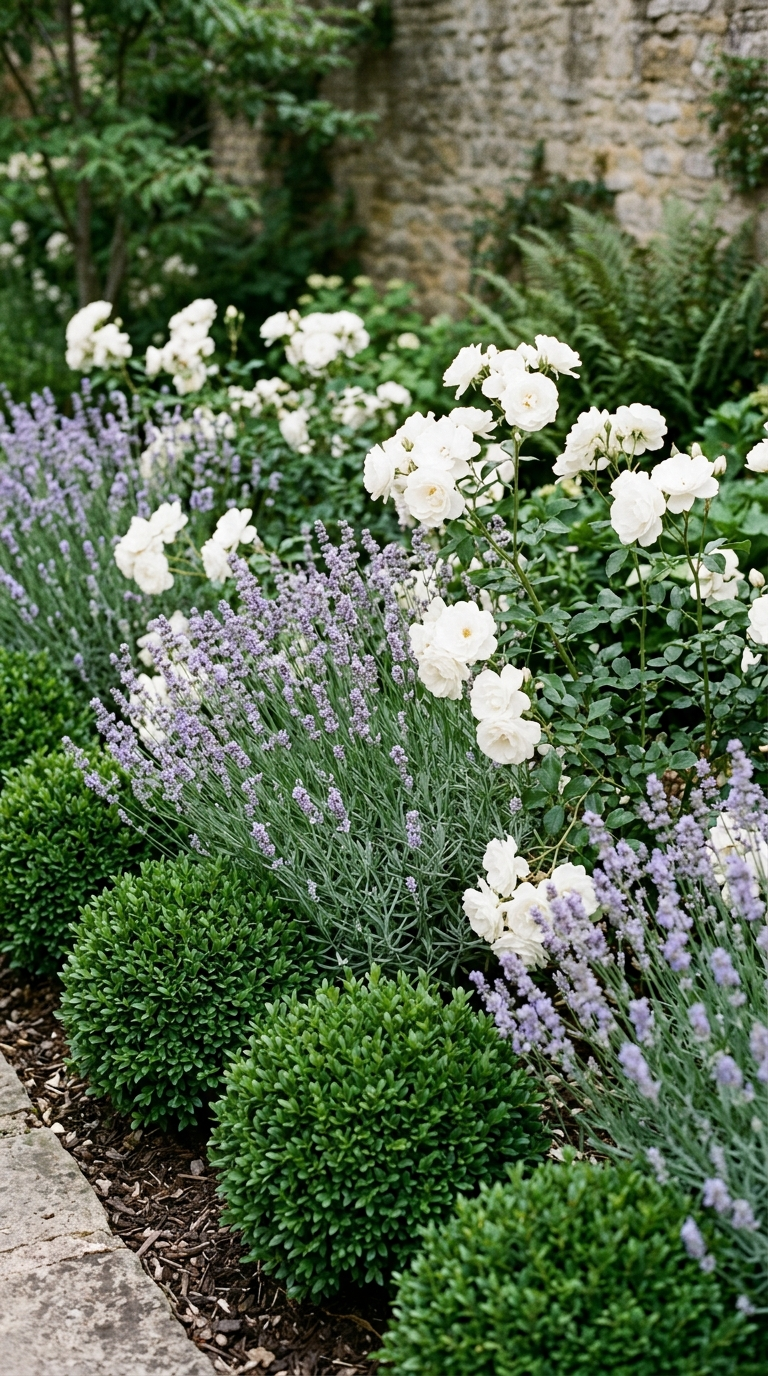
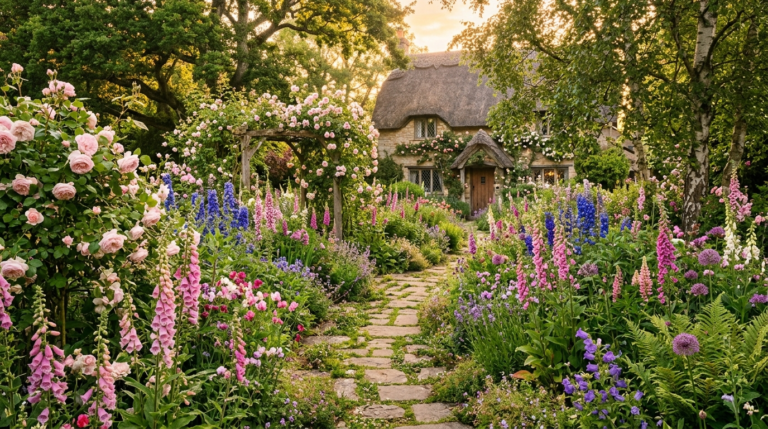
The Solution: Adopt a strict, minimalist color palette. Select two or three coordinating colors at most and repeat them across your landscape for a unified, calming effect. For a clean, modern aesthetic, focus heavily on green foliage textures as your primary color, complemented by crisp white blooms and a soft accent like lavender or deep blue. This disciplined approach creates a serene, cohesive environment that feels luxury-grade and complements any home style.
4. Neglecting a Clear Landscape Hierarchy and Scale
The Mistake: A common error is planting items of the same height in a straight, flat line along the front porch, or placing tall plants at the front of a bed where they completely block smaller flowers behind them. This lack of structural layering results in a flat, uninteresting landscape that fails to guide the viewer’s eye toward the home’s entryway, leaving the front door feeling hidden and uninviting.
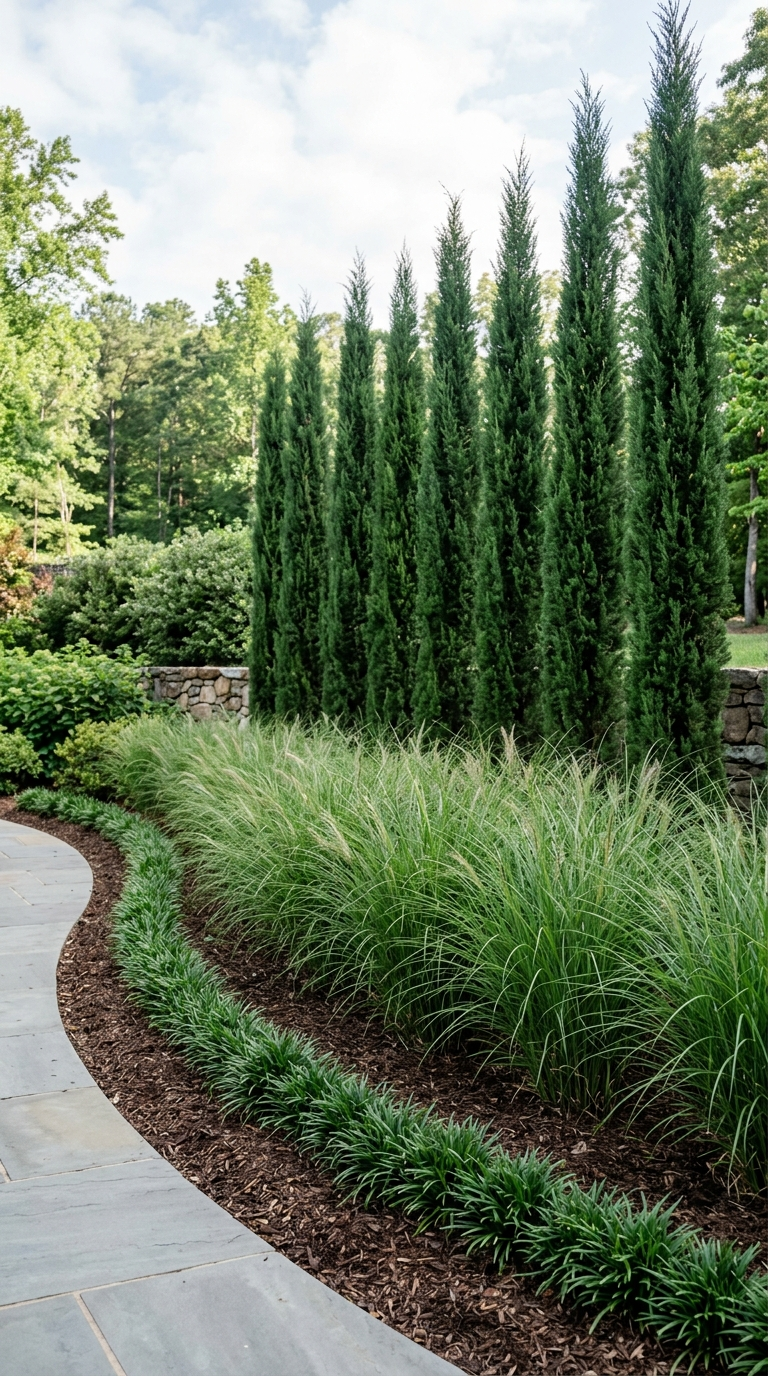
The Solution: Implement a clear, three-tiered structural hierarchy in your planting beds. Place your tallest specimens, such as ornamental trees or large evergreen shrubs, at the back against the house (keeping foundation spacing in mind). Use mid-sized shrubs and architectural grasses in the middle row. Finally, finish the front edge with low-profile groundcovers or uniform annuals. This creates a beautiful, sloping wave of greenery that naturally directs the eye toward your front door.
5. Overlooking Winter Visual Interest and Evergreens
The Mistake: It is easy to design a landscape that looks spectacular in May but completely falls apart in December. Relying solely on deciduous shrubs and perennial flowers means that when winter frost hits, your lush garden beds drop their leaves and die back, leaving your home looking bare, stark, and entirely unprotected against the harsh winter elements.
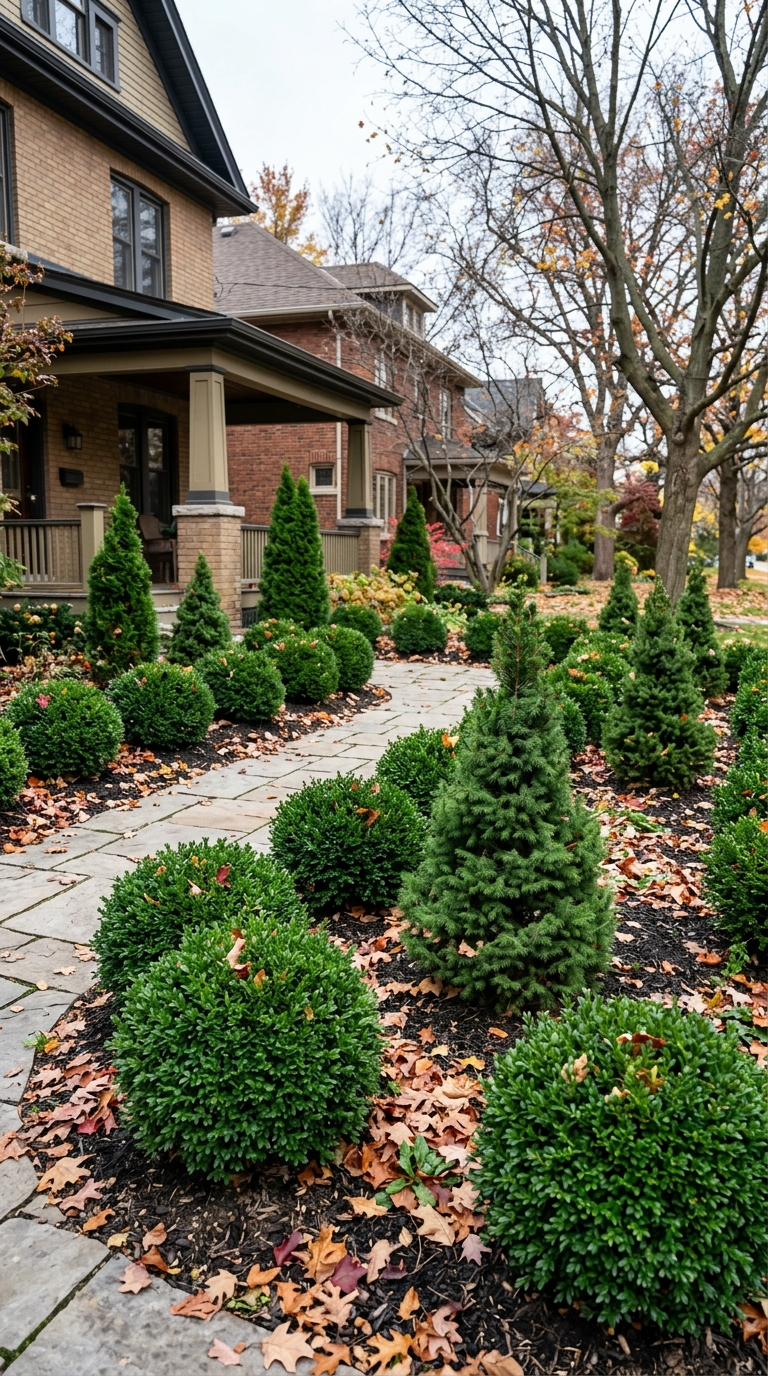
The Solution: Ensure that at least 40% to 50% of your landscape design consists of structural evergreens. Integrate boxwoods, holly, dwarf conifers, or structural evergreen grasses into your plan. These plants maintain their rich green color, shape, and structure throughout the entire year, ensuring that your property maintains a clean, polished, and beautifully manicured appearance even in the dead of winter when everything else is dormant.
Conclusion: Creating an Intentional, Beautiful Exterior
Elevating your home’s curb appeal is not about adding more clutter; it is about subtracting chaos and focusing on clean, intentional structures. By avoiding these seven critical landscaping mistakes—giving your foundation breathing room, simplifying your beds, sticking to a refined color scheme, layering by height, and planting for year-round interest—you create an exterior that feels incredibly welcoming and refined. Walk out to your front yard today, look at it through a minimalist lens, and start making the simple corrections that will unlock your home’s true aesthetic potential.
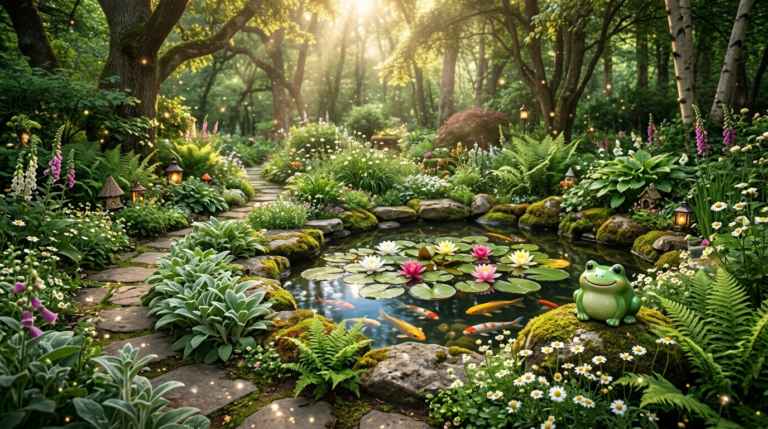
Discover the top outdoor garden trends shaping 2026 and the years ahead. From sustainable practices to immersive sensory experiences, see what’s next for creating beautiful, resilient outdoor spaces.
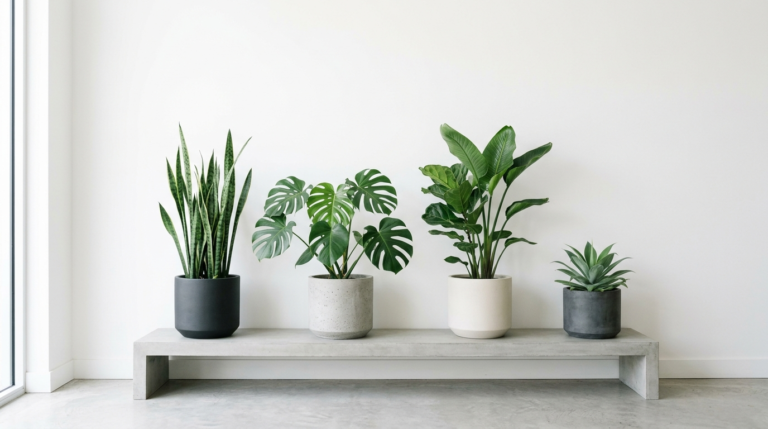
Transform even the tiniest corner into a serene green oasis. This complete minimalist indoor garden guide covers plant selection, smart containers, lighting tricks, vertical solutions, and easy care routines for lasting beauty and calm.
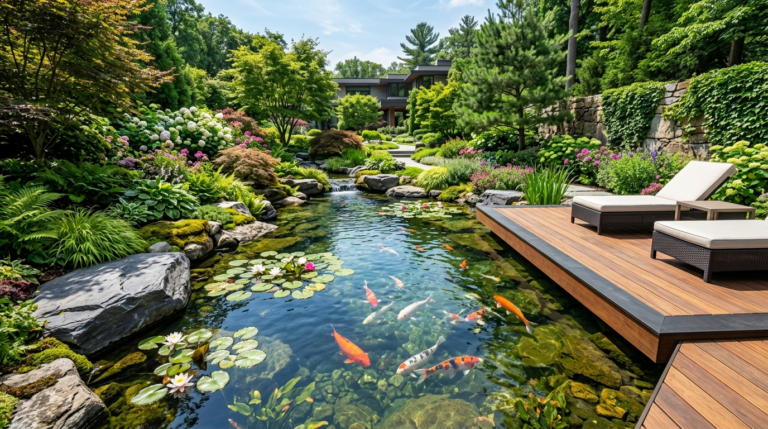
Master the art of luxury gardening this summer. Discover our step-by-step guide to the Ice Cube Seed Planting Method and designing a stunning backyard Koi pond.
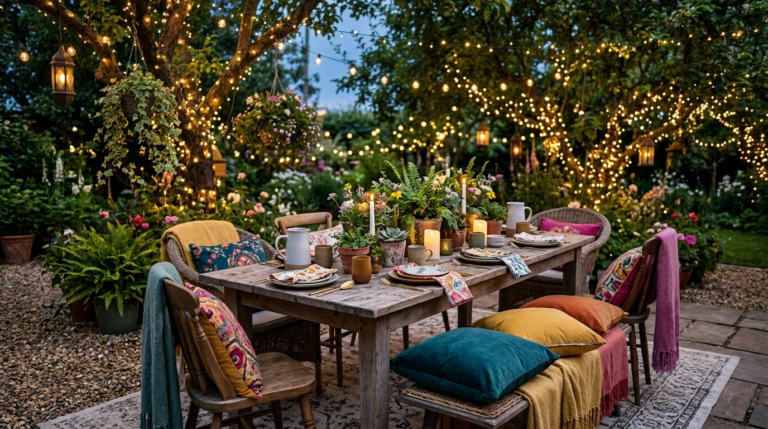
Identify and avoid the most common outdoor dining mistakes that can ruin your al fresco experience. Our problem-solving guide offers practical solutions and creative fixes to ensure your outdoor meals are always enjoyable and memorable.