Modern kitchens are among the most exciting and challenging spaces to design. The desire for clean lines, high-end appliances, and Instagram-worthy aesthetics can sometimes lead even experienced designers and homeowners astray. In this problem-solving guide, we identify the five most common mistakes made in modern kitchen design and provide clear, actionable solutions for each. Drawing from the luxury and premium aesthetic, we focus on creating spaces that feel sophisticated, timeless, and deeply livable rather than trendy or impractical. These mistakes often stem from prioritizing appearance over function, underestimating daily use, or following trends without considering personal needs. By understanding these pitfalls and their remedies, you can create a modern kitchen that not only looks extraordinary but works beautifully for the way you actually live, cook, and gather. The luxury and premium aesthetic is about more than expensive finishes; it is about thoughtful design that feels generous, considered, and enduring.
Mistake 1: Prioritizing Aesthetics Over Workflow and Functionality
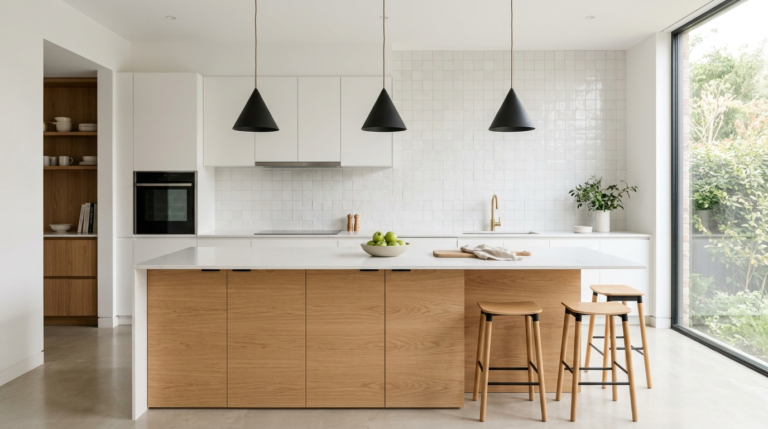
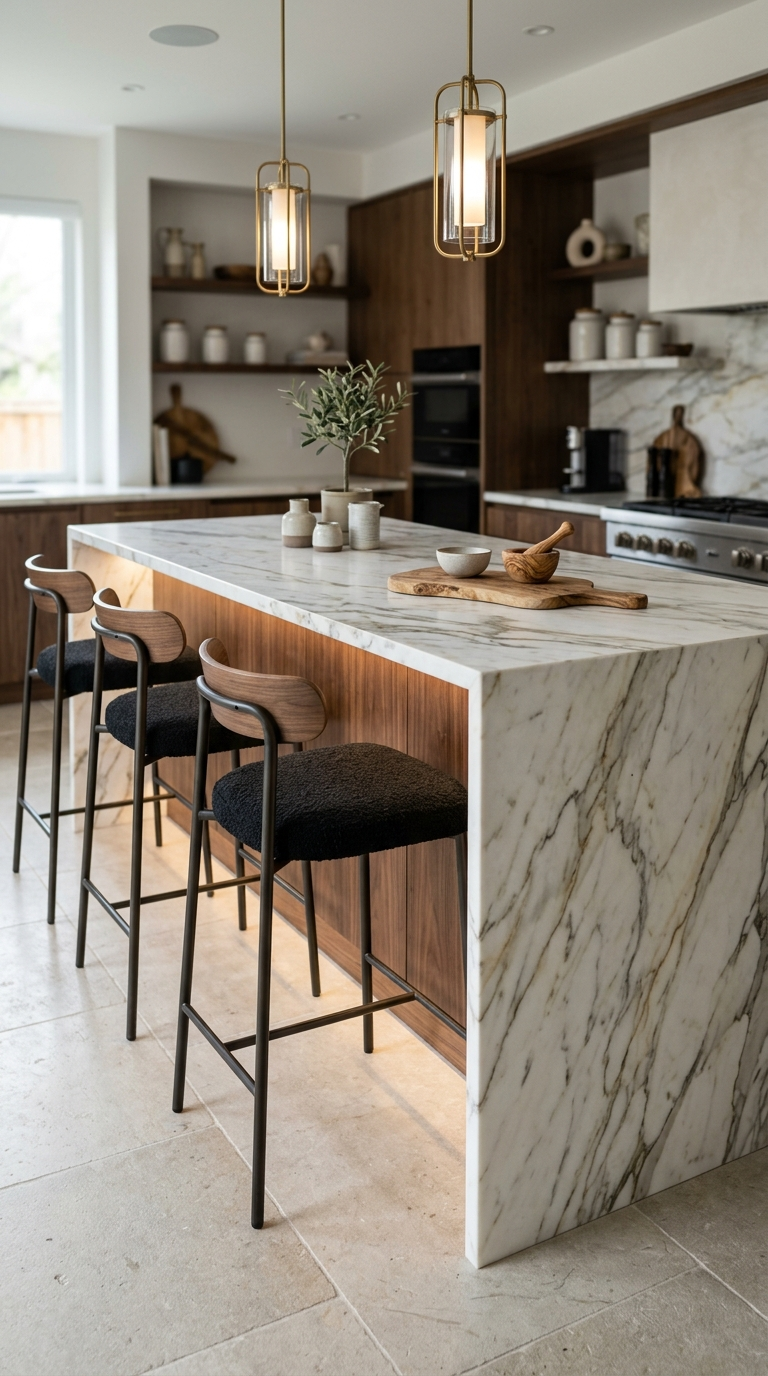
One of the most common mistakes in modern kitchen design is creating a space that looks stunning in photographs but frustrates in daily use. Beautiful cabinetry, statement islands, and high-end appliances are wonderful, but if the layout doesn’t support efficient workflow, the kitchen will never feel truly successful. The classic work triangle can become distorted in pursuit of a dramatic island or open-plan aesthetic, resulting in excessive walking, awkward reaches, or dangerous traffic patterns. The luxury and premium solution is to start with function and let beauty follow. Map your actual cooking and entertaining patterns before finalizing layout. Consider how many people typically cook together, where small appliances live, and how groceries enter and waste exits. A luxury kitchen can absolutely be dramatic and beautiful, but the drama should enhance rather than compromise functionality. Work with a designer who understands both aesthetics and ergonomics, or spend time in your current kitchen noting pain points before renovating. The most successful modern kitchens balance visual impact with genuine usability, creating spaces where cooking feels like a pleasure rather than a puzzle to solve.
Mistake 2: Insufficient or Poorly Planned Storage
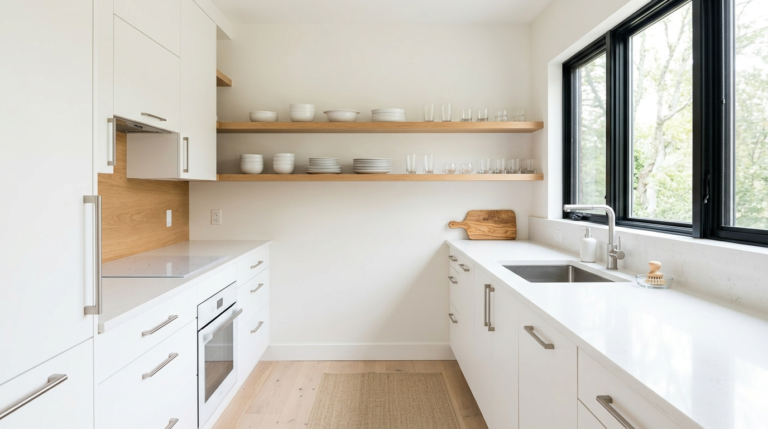
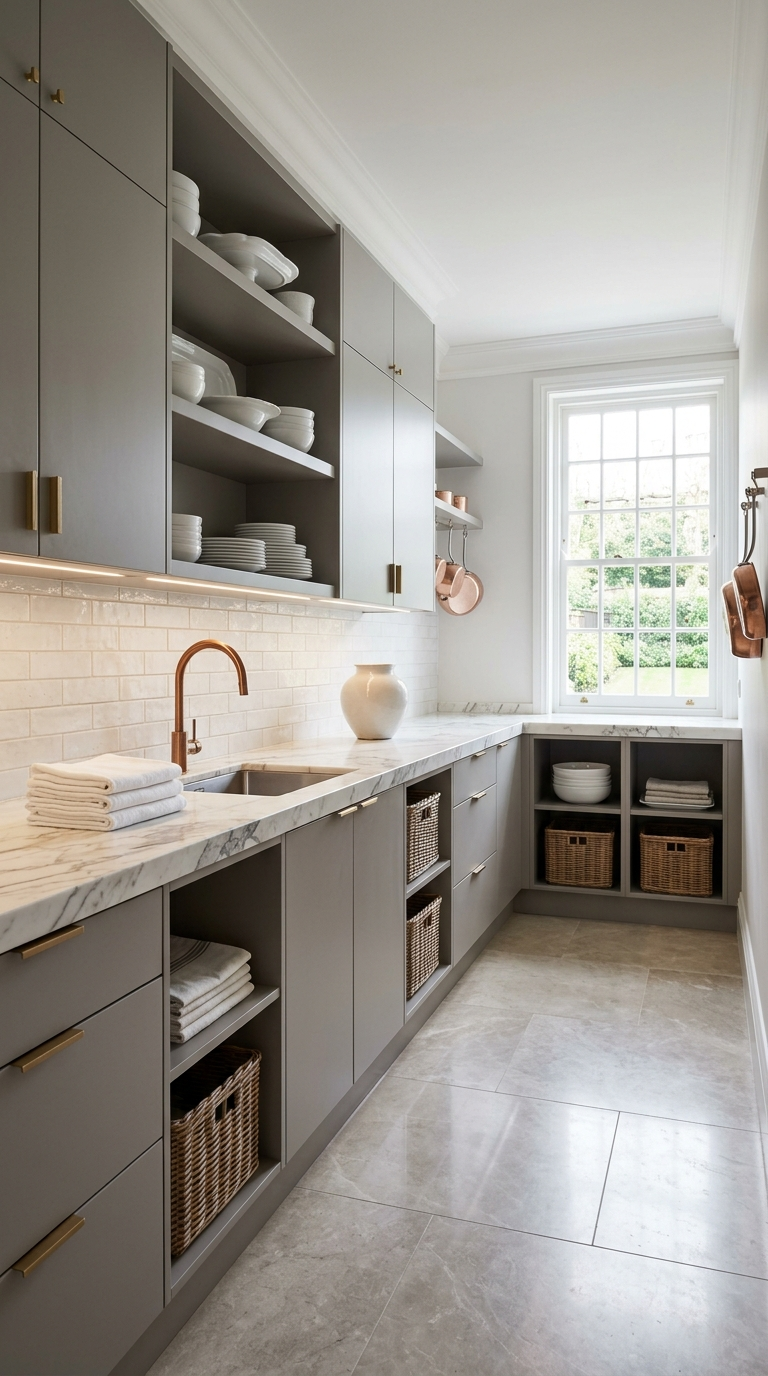
Modern kitchens often suffer from a lack of thoughtful storage, with beautiful but impractical open shelving or minimal cabinetry that cannot accommodate the reality of daily life. The luxury and premium aesthetic values editing and clean lines, but editing should not come at the expense of functionality. The fix is to design storage around actual needs rather than idealized minimalism. Deep drawers for pots and pans, pull-out organizers for small appliances, dedicated zones for baking or coffee, and hidden storage for less attractive items are essential. Consider the ‘golden triangle’ of storage: items used most frequently should be within easy reach, seasonal or occasional items can be stored higher or deeper. A luxury kitchen often includes a butler’s pantry or scullery for additional storage and prep space, keeping the main kitchen looking serene while supporting real-life needs. Invest in quality hardware and organizers that make storage a pleasure to use. The most beautiful modern kitchens are those where everything has a place and the visual calm is supported by robust, well-planned storage systems behind the scenes.
Mistake 3: Inadequate or Unflattering Lighting
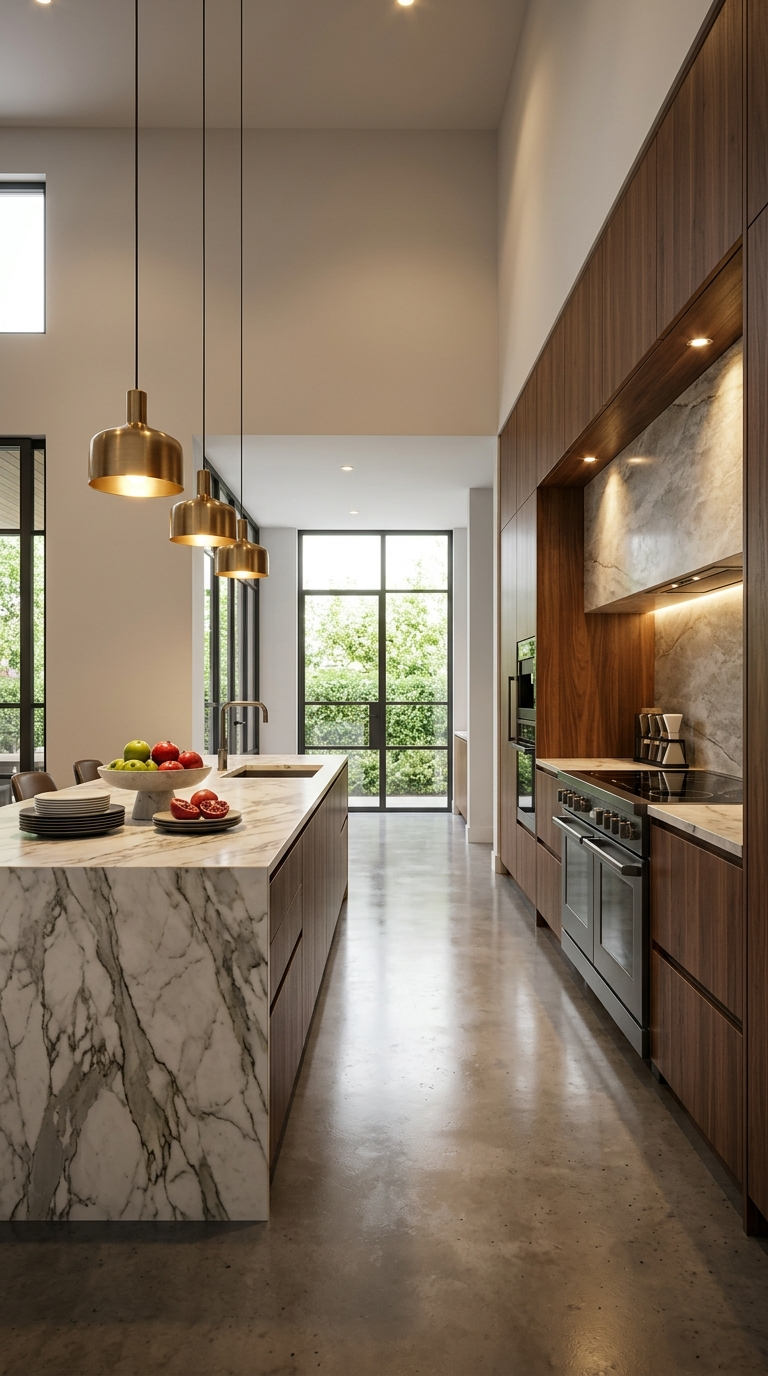
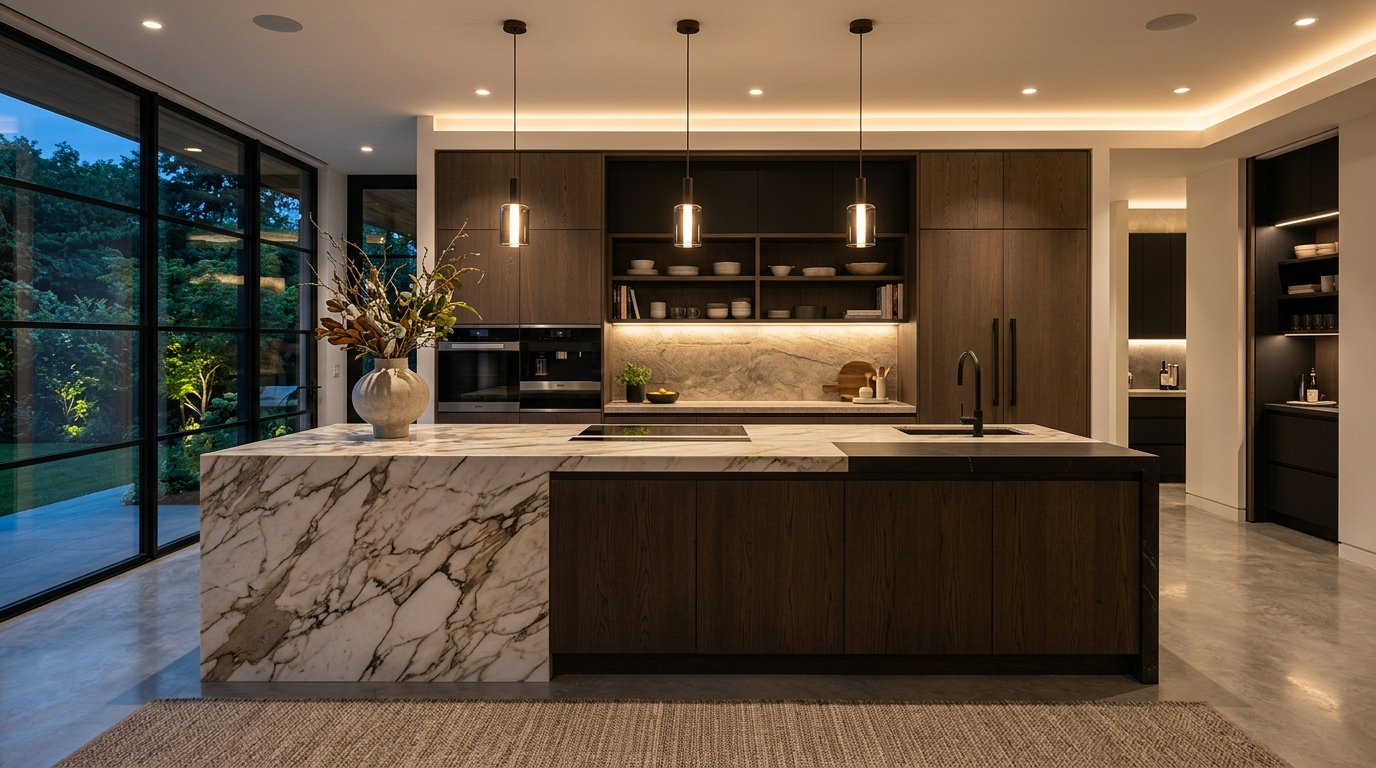
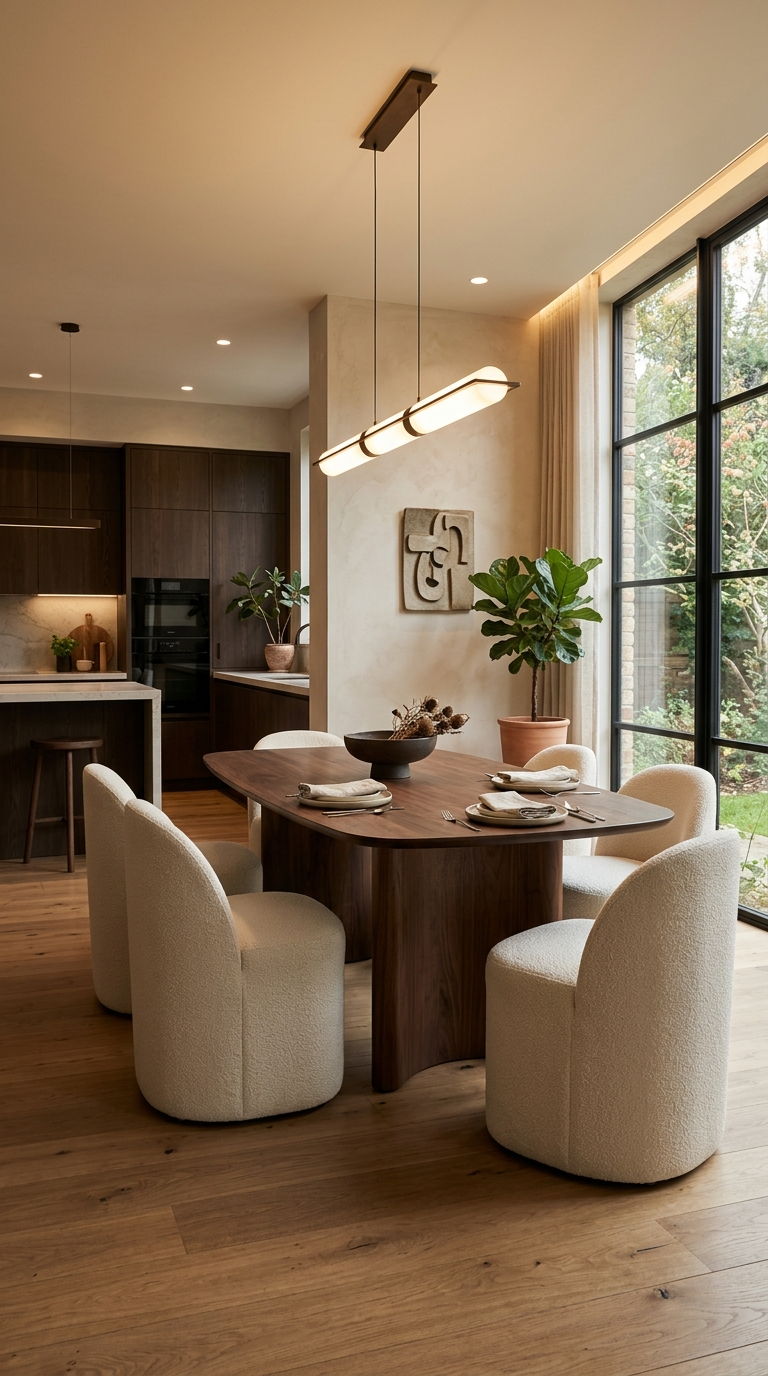
Lighting is frequently an afterthought in modern kitchen design, resulting in spaces that look great in bright daylight but feel harsh, dim, or shadowy at night. The luxury and premium aesthetic demands lighting that is both functional and atmospheric, with multiple layers that can be adjusted for different times and activities. The solution begins with understanding the difference between task, ambient, and accent lighting and planning each intentionally. Under-cabinet lighting is non-negotiable for safe food prep. Recessed ceiling lights provide general illumination but should be positioned to avoid shadows on work surfaces. Statement pendants over islands add drama and focused light. Consider the color temperature carefully; warm light feels more inviting for evening entertaining, while cooler light supports detailed tasks. Dimmers and smart controls allow the kitchen to transform from bright workspace to intimate gathering space. In a luxury modern kitchen, lighting is treated as a design element in its own right, with beautiful fixtures that contribute to the overall aesthetic while delivering the performance needed for real cooking and living.
Mistake 4: Choosing Materials That Are Impractical or Dated Quickly
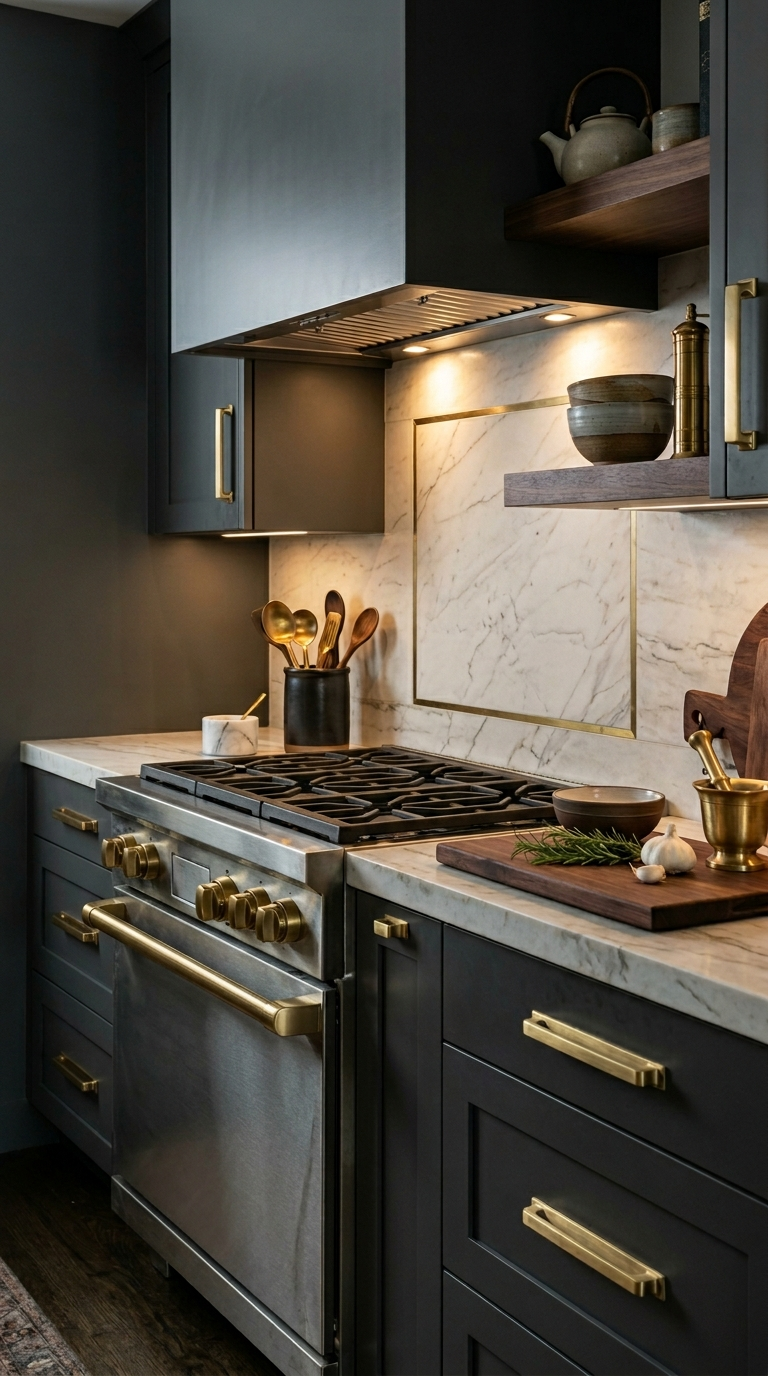
The pursuit of the perfect modern look can lead to materials that are difficult to maintain, show wear quickly, or feel dated within a few years. High-gloss lacquer that shows every fingerprint, delicate stone that stains easily, or trendy colors that quickly feel tired are common culprits. The luxury and premium solution is to choose materials that balance beauty with resilience and timeless appeal. Honed or leathered stone finishes hide wear better than polished. Matte or textured cabinetry finishes are more forgiving than high-gloss. Metals like brushed brass or blackened steel develop character over time rather than showing damage. Invest in quality where it matters most; countertops, hardware, and appliances that will be touched and used daily. The most successful modern kitchens use a restrained palette of high-quality materials that will age gracefully, creating spaces that feel fresh and relevant for decades rather than seasons. When in doubt, choose materials that have proven longevity in luxury applications rather than chasing the latest trend.
Mistake 5: Ignoring the Human Experience of the Space
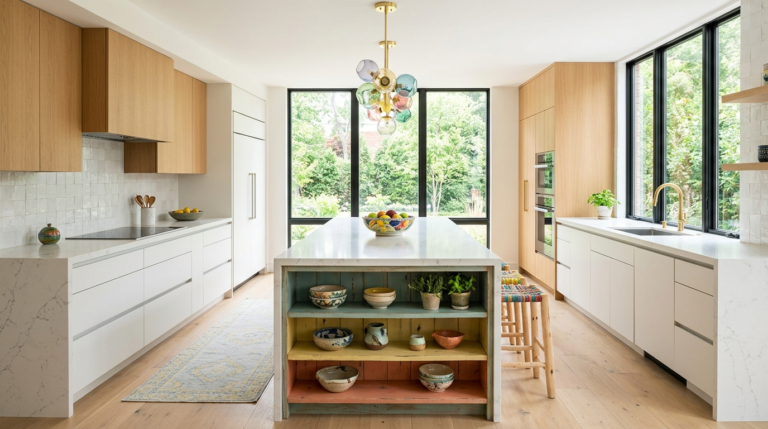
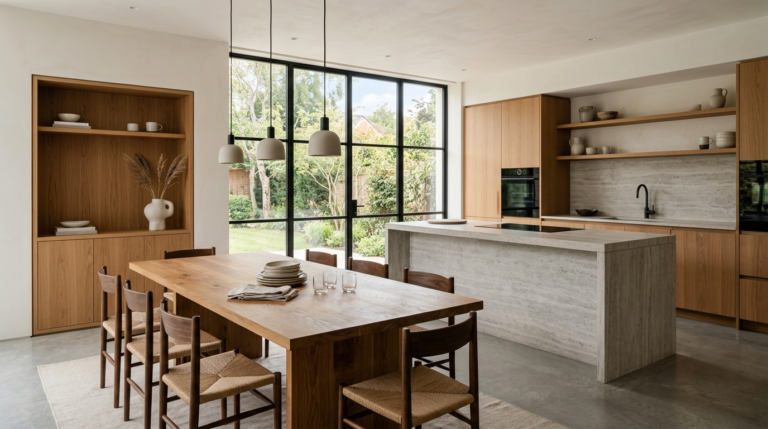
Perhaps the most subtle but damaging mistake is designing a modern kitchen that looks impressive but doesn’t feel good to be in. Poor proportions, uncomfortable seating at islands, lack of connection to outdoor spaces, or insufficient consideration of how the kitchen relates to adjacent living areas can make even a visually stunning kitchen feel cold or unwelcoming. The luxury and premium fix is to design with empathy for the people who will use the space every day. Consider sight lines, natural flow between kitchen and living areas, and how the space will feel during different activities and times of day. Create moments of warmth and humanity; a comfortable place to sit with a cup of coffee, a window that frames a view, a place to display personal objects or fresh flowers. The most successful modern kitchens feel generous and inviting, not just impressive. They support both the practical work of cooking and the emotional work of gathering and connecting. By keeping the human experience at the center of the design process, you create spaces that are not only beautiful but deeply satisfying to live with for years to come.
Conclusion: Creating Modern Kitchens That Truly Work
Modern kitchen design offers incredible opportunities for beauty and innovation, but only when function and human experience are given equal weight with aesthetics. By avoiding these common mistakes and embracing solutions rooted in thoughtful planning, quality materials, and genuine understanding of how people live, you can create a kitchen that feels both spectacular and deeply livable. The luxury and premium aesthetic is not about perfection or trendiness; it is about creating spaces that feel considered, generous, and enduring. Whether you are planning a complete renovation or updating an existing kitchen, these principles will help you make choices that serve you well for many years. A truly successful modern kitchen is one that makes daily life easier and more beautiful, a space that you are genuinely happy to spend time in, and a room that enhances rather than complicates the rituals of cooking and gathering that make a house a home.