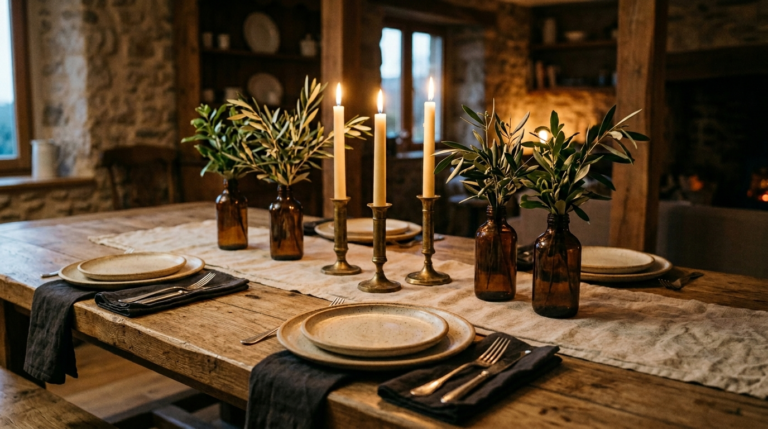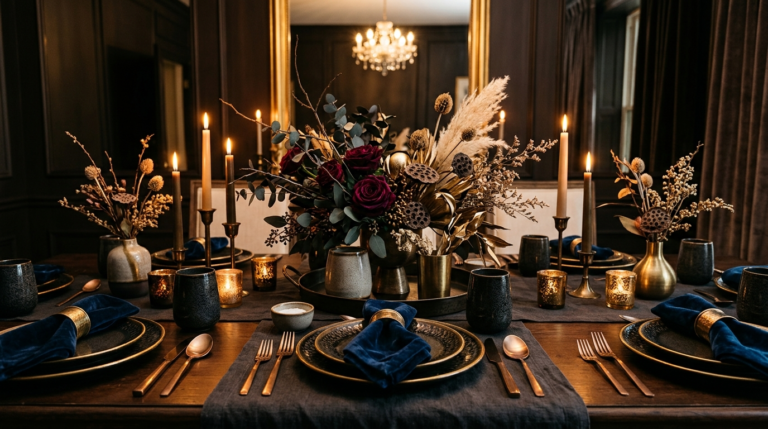
Lighting is one of the most powerful yet frequently misunderstood elements of home design. The right lighting can make a room feel larger, more welcoming, and emotionally resonant, while poor lighting can make even a beautifully furnished space feel flat, dated, or uncomfortable. Many homeowners invest heavily in furniture and decor but overlook lighting until the end of a project, leading to costly mistakes that are difficult to correct later. This guide examines seven of the most common lighting errors and provides clear, actionable solutions that will help you create layered, beautiful, and functional lighting throughout your home.

Mistake 1: Relying on a Single Overhead Fixture
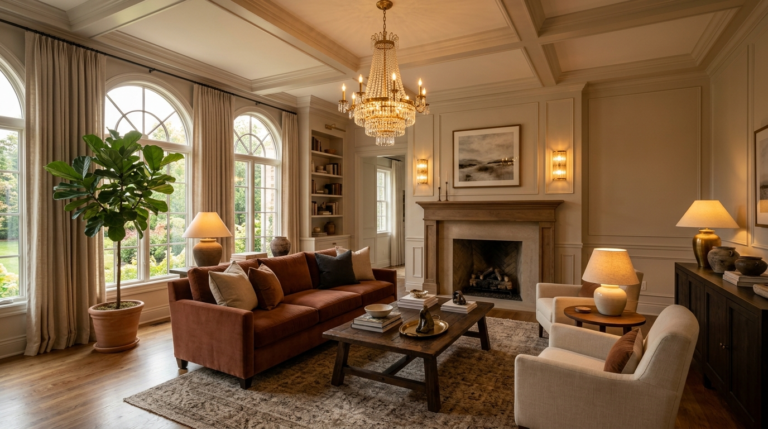
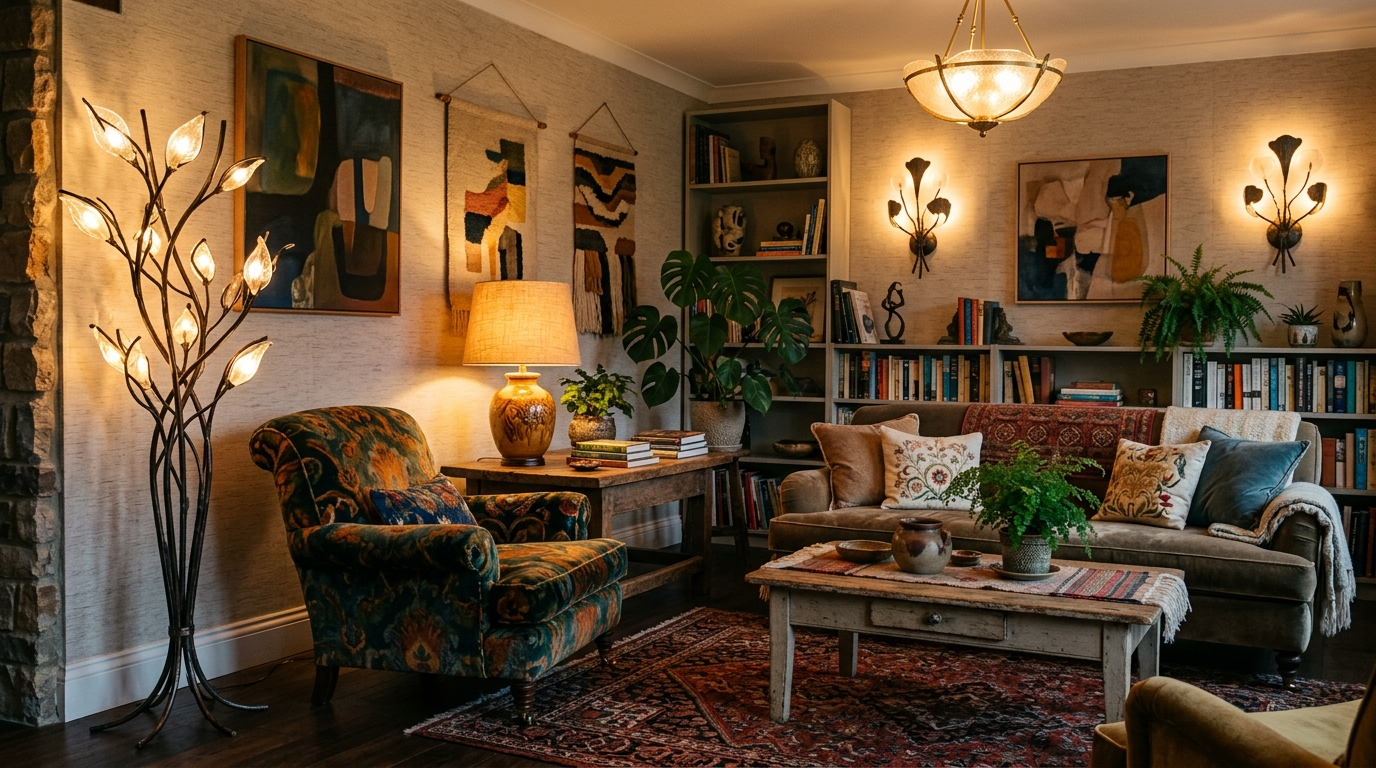
The most common lighting mistake is depending on one central ceiling fixture to illuminate an entire room. This creates harsh shadows, flat lighting that washes out textures and colors, and often leaves corners dark. The solution is to embrace layered lighting: combine ambient (overall), task (focused), and accent (highlighting) sources. In a living room, for example, pair a central fixture or recessed lights with floor lamps, table lamps, and wall sconces. This approach allows you to adjust the mood and functionality of the space throughout the day and for different activities. Layered lighting is the foundation of every well-lit home.
Mistake 2: Ignoring Natural Light and Its Potential
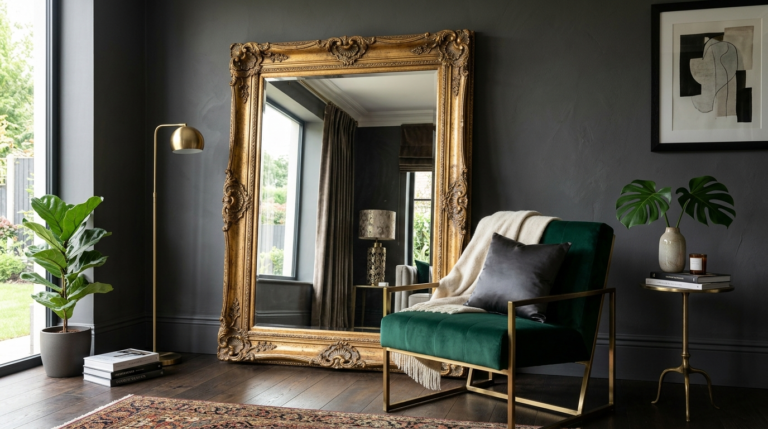
Many people treat windows as purely decorative or fail to maximize the beautiful natural light they provide. Heavy curtains that block light, furniture placed in front of windows, and lack of reflective surfaces all diminish natural illumination. The fix begins with understanding how light moves through your space at different times of day. Use sheer or light-filtering window treatments that preserve privacy while allowing light to enter. Position mirrors opposite or adjacent to windows to bounce and amplify natural light. Choose lighter colors for walls and ceilings in darker rooms. When you work with natural light rather than against it, your artificial lighting becomes more effective and your rooms feel more alive.
Mistake 3: Choosing Fixtures That Are the Wrong Scale
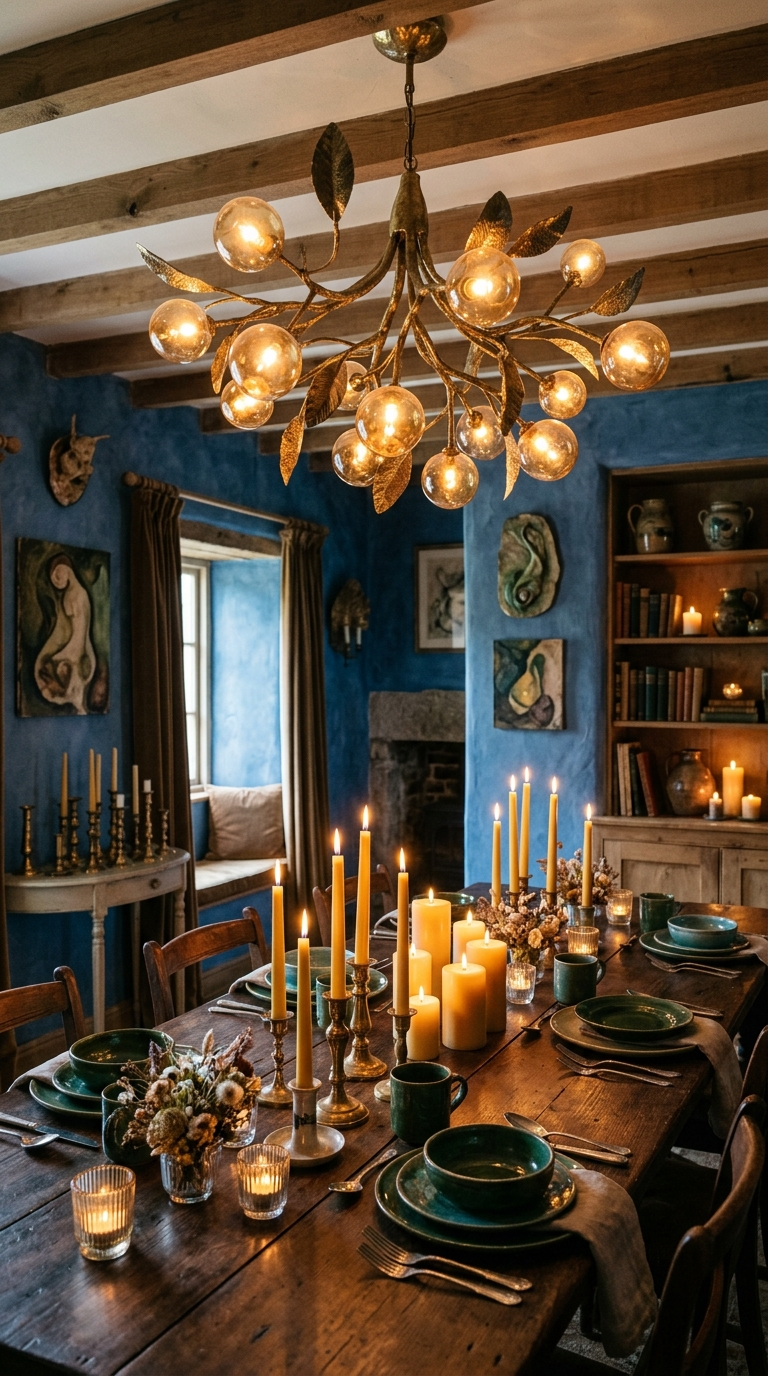
A too-small pendant over a large dining table or an oversized chandelier in a modest entryway can throw off the entire visual balance of a room. Scale matters enormously in lighting. As a general rule, the diameter of a fixture should be roughly one-half to two-thirds the width of the table it hangs above. For chandeliers in living rooms or entries, consider both the height of the ceiling and the size of the furniture below. When in doubt, go slightly larger rather than too small — a substantial fixture often makes a space feel more important and well-considered. Many lighting showrooms allow you to take fixtures home on approval; take advantage of this to test scale in your actual space.
Mistake 4: Neglecting Dimmer Switches and Lighting Control
Even beautiful fixtures lose their magic without proper control. Installing dimmer switches on virtually every light source (except perhaps task lighting in kitchens and bathrooms) allows you to adjust the mood of a room instantly. A bright overhead for cleaning can become a soft, intimate glow for evening relaxation with the turn of a dial. Smart lighting systems take this further, allowing you to create scenes for different times of day or activities and control everything from your phone. The investment in dimmers and smart controls is small compared to the dramatic improvement in how your home feels at different hours.
Mistake 5: Creating Clashing Lighting Styles
While mixing styles can be beautiful when done intentionally, randomly combining fixtures from different eras and aesthetics often results in a disjointed, unfinished look. The solution is to choose a lighting direction that complements your overall design vision and then vary the forms within that family. For example, if your home has a modern aesthetic, you might mix sleek pendants, sculptural floor lamps, and minimalist sconces that share a common material or finish. In a more traditional space, you might combine classic silhouettes with interesting finishes or subtle modern touches. Cohesion comes from thoughtful curation rather than matching sets.
Mistake 6: Poor Placement That Creates Glare or Shadows
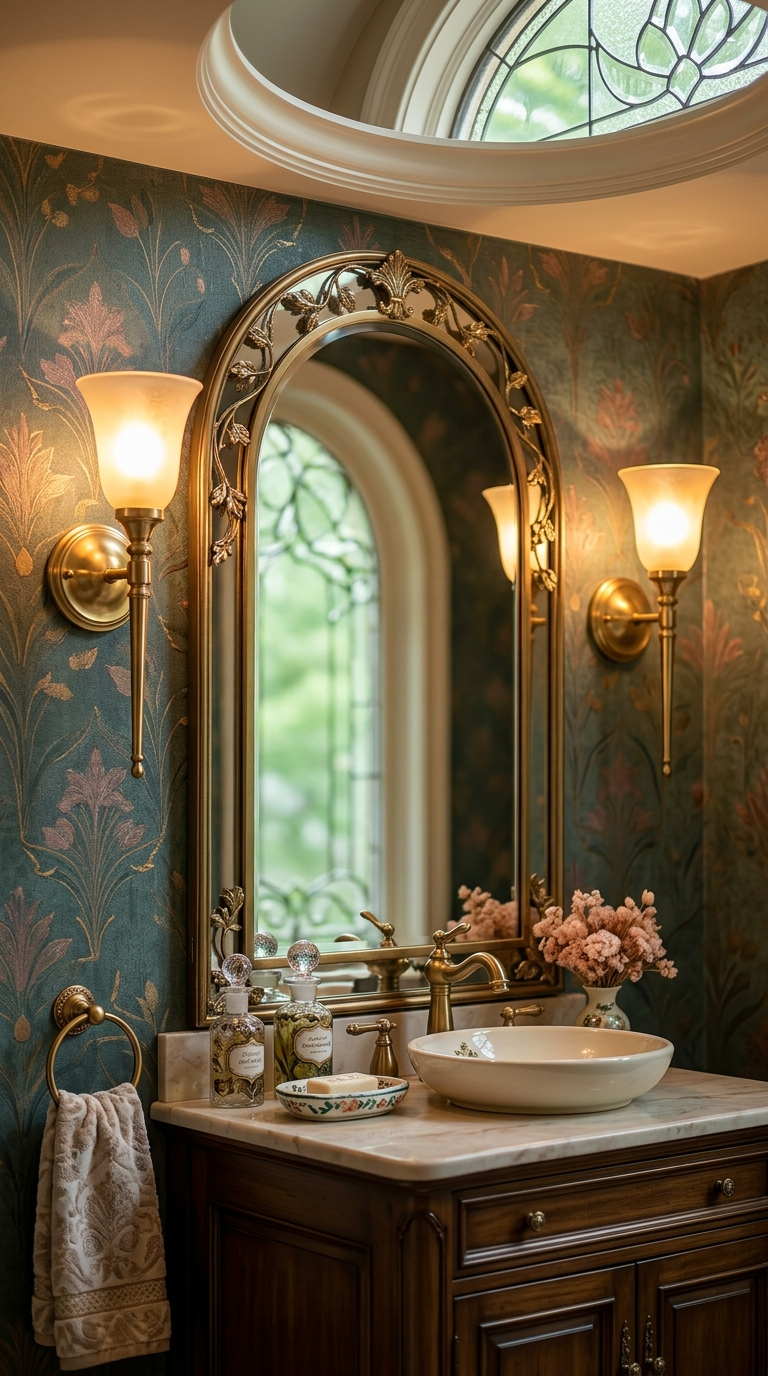
Even the right fixtures can fail if placed poorly. Glare from bare bulbs, shadows that make tasks difficult, and light that shines directly into eyes when seated are all common problems. The fix requires thinking about how you actually use each space. In a reading nook, position lamps so light falls over your shoulder onto the page. In bathrooms, place sconces beside rather than above mirrors to eliminate shadows on faces. In living rooms, ensure no one has to look directly at a bright bulb when seated. A quick walk through your home at night with fresh eyes will reveal most placement issues; adjusting existing fixtures or adding a well-placed lamp often solves the problem immediately.
Mistake 7: Forgetting Maintenance and Bulb Quality
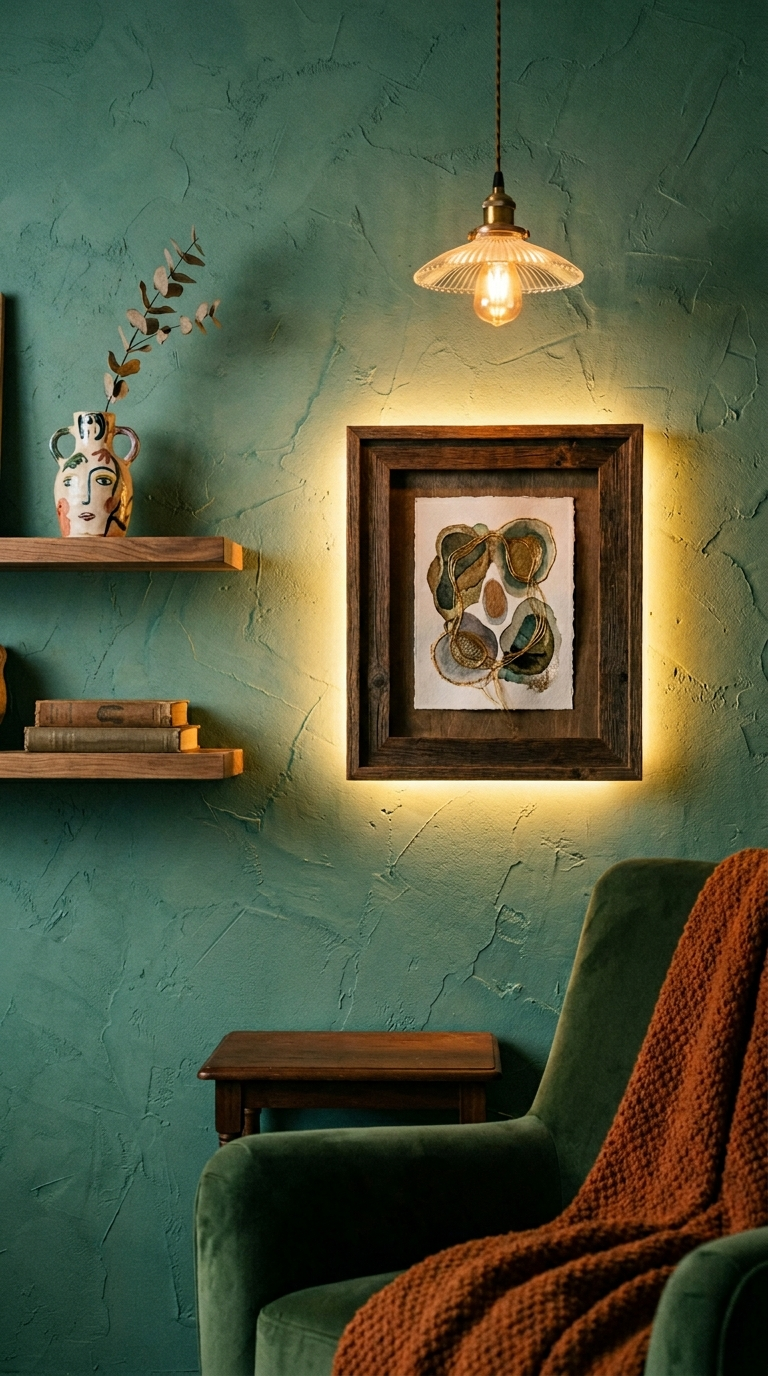
Beautiful fixtures lose their impact when bulbs are burned out, dusty shades dim the light, or low-quality bulbs create unflattering color. Make lighting maintenance part of your regular home care routine. Dust shades and fixtures monthly. Replace bulbs before they burn out completely, and choose high-quality LED bulbs with appropriate color temperature (warm white for living areas, cooler for task spaces) and high CRI (color rendering index) so colors appear true and flattering. The small ongoing effort of maintaining your lighting pays off in rooms that always look their best.
Lighting mistakes are among the most common and most correctable issues in home design. By addressing these seven areas — layering light sources, working with natural light, choosing appropriate scale, adding dimming control, curating cohesive styles, placing fixtures thoughtfully, and maintaining your investment — you can transform how every room in your home looks and feels. Good lighting does not require a large budget; it requires attention, intention, and a willingness to see your home with fresh eyes. The results — spaces that feel warm, functional, and beautiful at any hour — are well worth the effort.