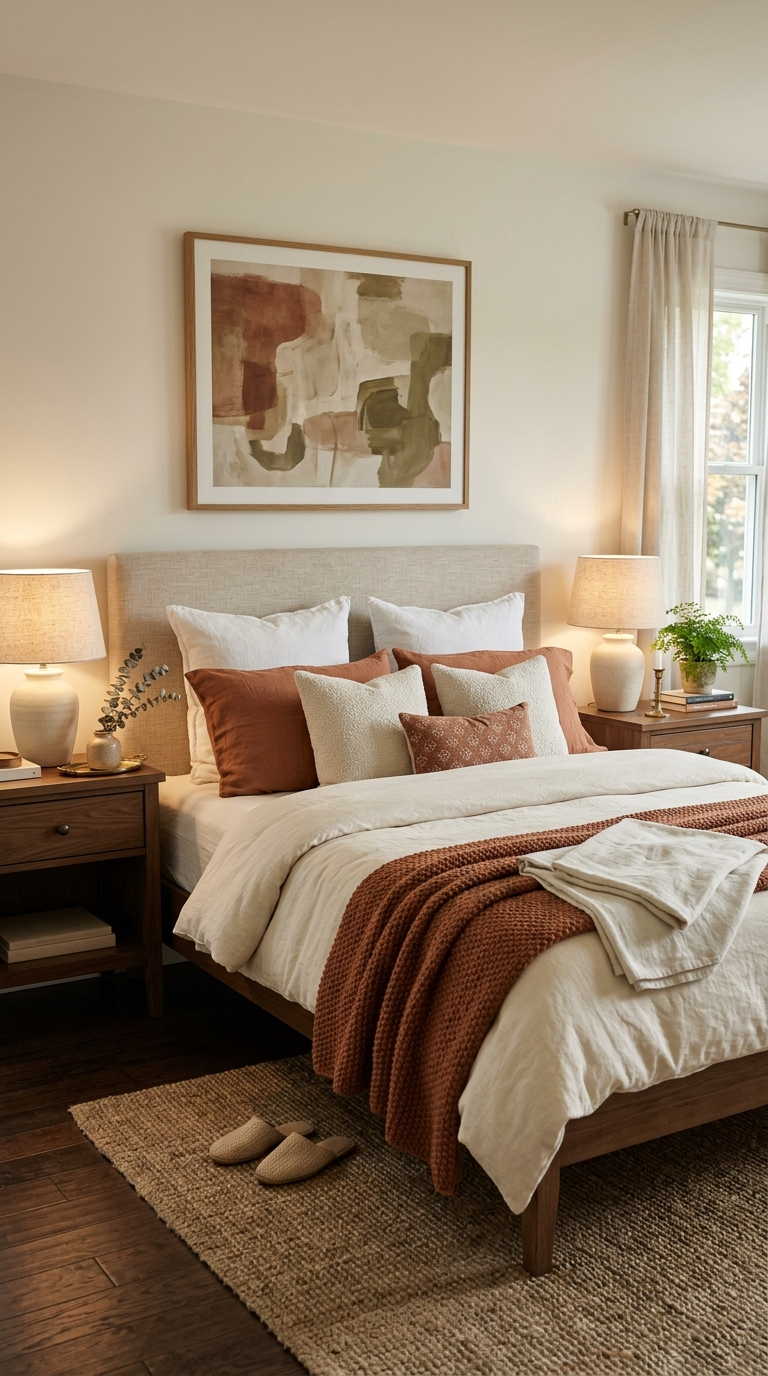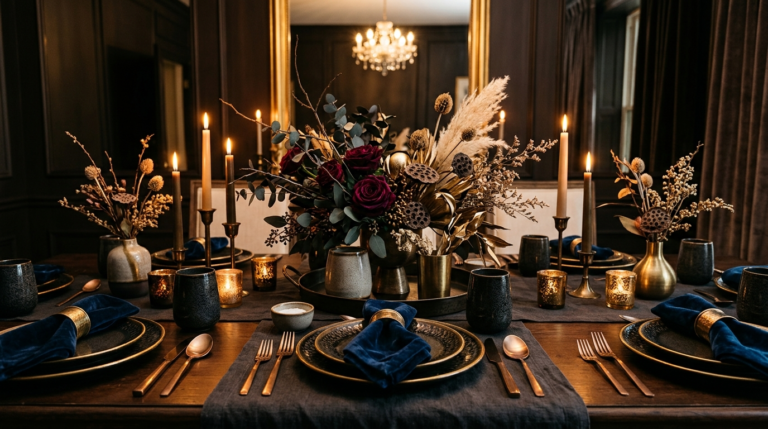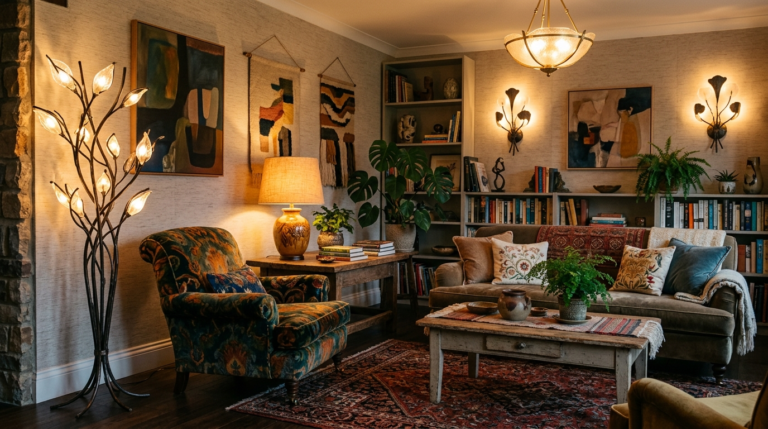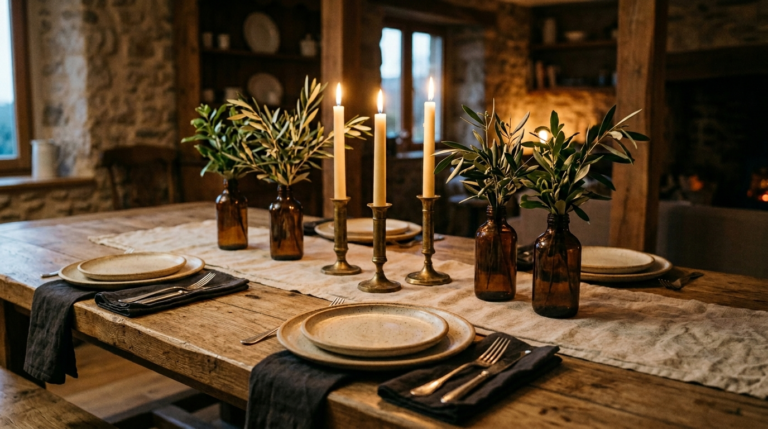
Lighting is one of the most powerful tools in interior design, capable of completely altering the mood, functionality, and perceived size of any space. In today’s homes, where we seek comfort and beauty in equal measure, mastering lighting is essential for creating spaces that not only look good but feel good to live in. Whether you’re renovating an old house or building new, the right lighting can make all the difference between a house that feels cold and uninviting and one that wraps you in warmth the moment you walk through the door. This guide explores 18 brilliant lighting ideas drawn from classic design principles updated for modern living. We focus on the classic warm editorial aesthetic that emphasizes rich textures, timeless fixtures, and a harmonious blend of natural and artificial light. You’ll learn how to layer light effectively, choose fixtures that make a statement without overwhelming, and use light to highlight the best features of your home. Along the way, we’ll share practical tips on placement, bulb choices, and how to avoid common pitfalls that can ruin even the most carefully planned rooms. By the end, you’ll have a clear roadmap to illuminating your home in a way that feels both luxurious and livable, perfect for creating memories in every corner.
1. Embracing Layered Lighting for Depth and Dimension
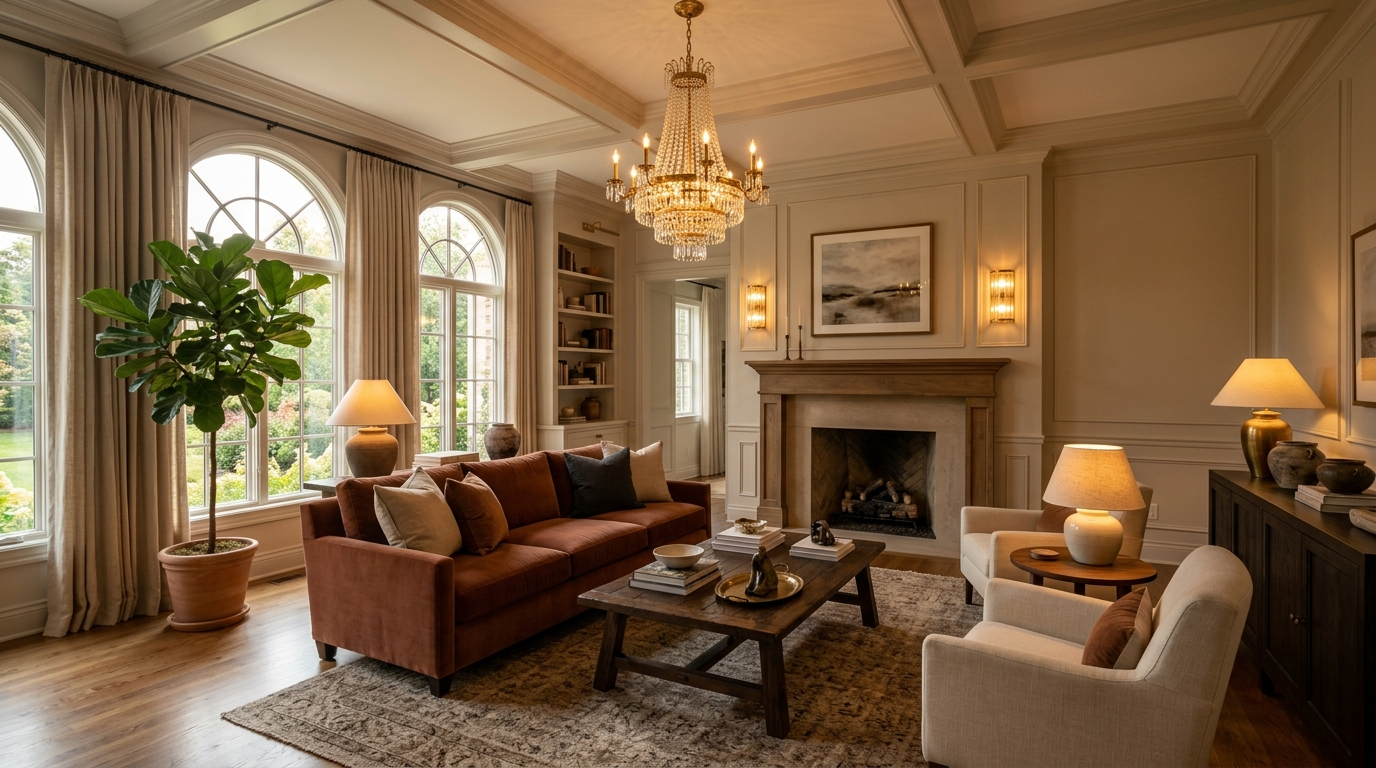
The foundation of any successful lighting scheme is layering. Rather than relying on a single overhead light that casts harsh shadows and flattens the room, layered lighting combines three main types: ambient, task, and accent. Ambient lighting provides the overall glow, often from ceiling fixtures, chandeliers, or well-placed floor lamps that bounce light off ceilings and walls. Task lighting focuses on specific areas where you perform activities, such as reading lamps beside a chair or under-cabinet lights in the kitchen. Accent lighting adds drama by spotlighting artwork, architectural details, or plants, usually with wall sconces, picture lights, or directed spotlights. In a classic warm editorial home, this layering creates a rich tapestry of light and shadow that makes the space feel alive and inviting. Choose warm color temperatures between 2700K and 3000K for that golden, candlelit feel that flatters skin tones and wood finishes alike. Incorporate dimmer switches on almost every circuit to give you control over the intensity throughout the day and evening. The key is balance; too much ambient light can wash out the room, while too little makes it feel cave-like. Start by mapping your room’s activities and traffic patterns, then place your light sources accordingly. For example, in a living room, a central chandelier for ambient, two table lamps on side tables for task, and wall sconces flanking a fireplace for accent. This approach not only improves functionality but also adds visual layers that make the room feel more thoughtfully designed. Many homeowners report that after implementing proper layering, their spaces feel larger and more welcoming, encouraging them to spend more time at home enjoying the atmosphere they’ve created. Consider the finish of your fixtures too; aged brass, oil-rubbed bronze, and matte black all work beautifully in this aesthetic, developing character over time. Pair them with shades in natural materials like linen, parchment, or silk for the softest light diffusion. Avoid stark white shades that can feel clinical. With layered lighting, you have the power to transform an ordinary room into an extraordinary one that adapts to your needs and moods.
2. Statement Chandeliers as Focal Points
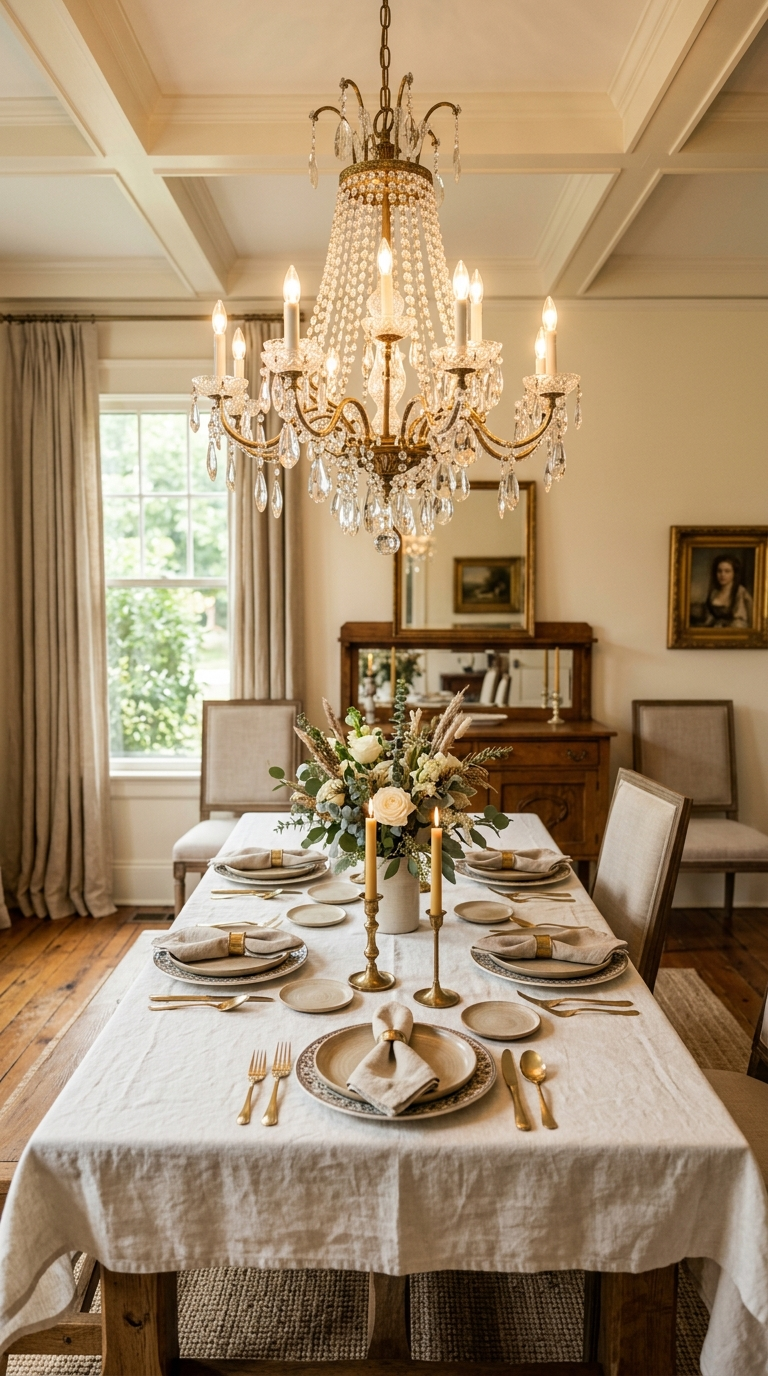
A well-chosen chandelier can serve as the jewelry of a room, drawing the eye upward and adding instant elegance. In classic warm editorial design, look for chandeliers with organic shapes, crystal elements, or forged metal arms that feel artisanal rather than mass-produced. Size is critical; the fixture should be proportional to the room and the table or area it hangs above. A good rule of thumb is to add the room’s length and width in feet and use that number as the diameter in inches for the chandelier. Hang it at the right height too; for dining tables, 30 to 36 inches above the surface is ideal for conversation and to avoid blocking views. For foyers or two-story spaces, you can go lower to make a grander statement. Consider the light output; many modern chandeliers come with LED options that provide ample light without the heat or energy use of older bulbs. Choose ones with multiple arms or tiers for more light and visual interest. To enhance the warm editorial feel, select finishes like polished nickel with warm undertones, or hand-rubbed brass that will patina gracefully. Crystal chandeliers add sparkle and reflect light beautifully, making the room feel more dynamic. If your style leans more transitional, look for chandeliers that mix materials like wood beads or fabric shades with metal frames. The placement should be centered over the main seating or dining area to anchor the design. Don’t be afraid to go bold; a large, sculptural chandelier can become the conversation starter of the room and tie together all the other design elements. Maintenance is simple with regular dusting, and many come with easy-to-replace bulbs. Investing in a quality statement chandelier is one of the best ways to elevate your home’s lighting and overall aesthetic, creating a lasting impression for guests and family alike.
3. Wall Sconces for Added Drama and Functionality
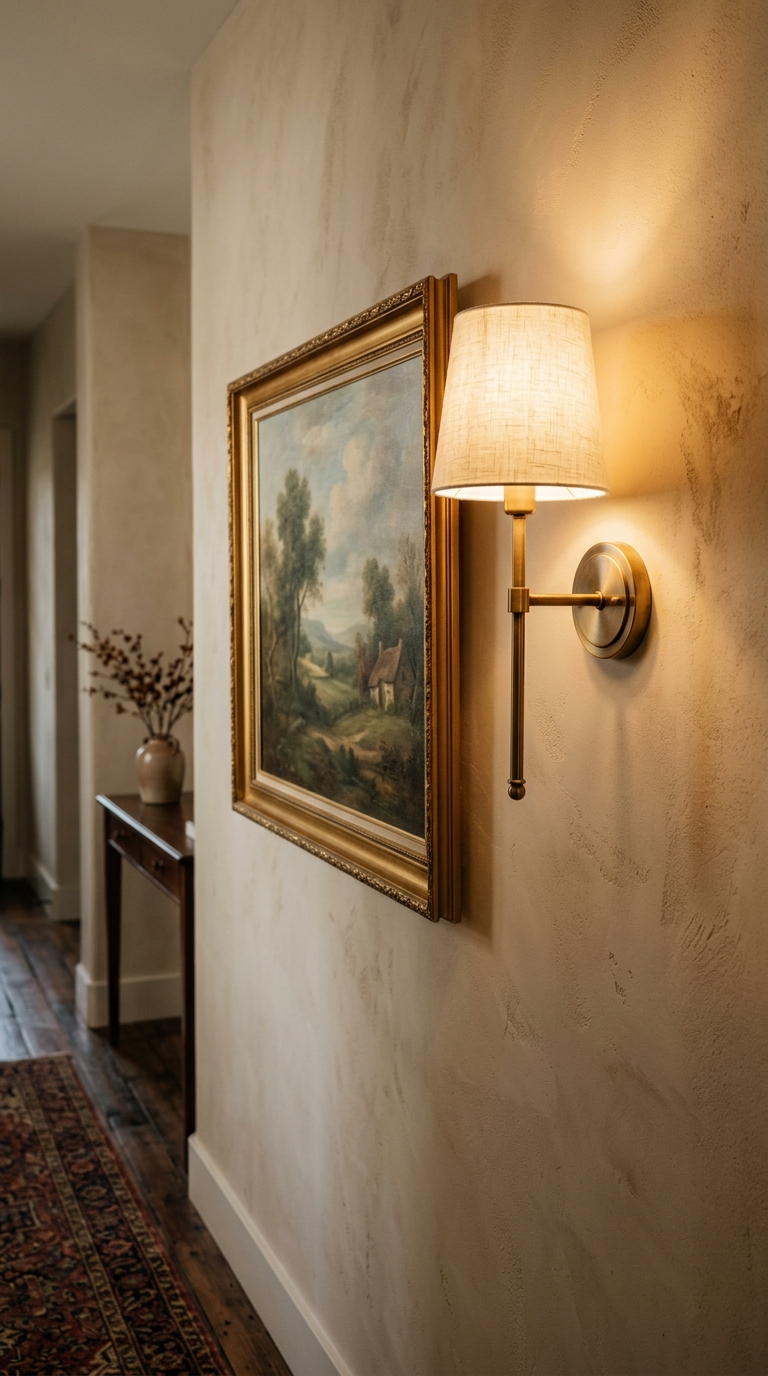
Wall sconces are the unsung heroes of lighting design, providing both task and accent light while saving valuable floor and table space. In classic warm editorial interiors, sconces often flank doorways, fireplaces, or beds to create symmetry and draw attention to architectural features. They can be hardwired or plug-in for easier installation in rental or older homes. When choosing sconces, consider the scale; they should be substantial enough to make an impact but not so large that they overwhelm the wall. Height placement is key; generally, the center of the sconce should be at eye level, around 60 to 66 inches from the floor, or slightly higher if the ceiling is tall. For reading in bed, position them so the light falls over the shoulder onto the book. For hallways, space them evenly to guide the way and add rhythm to the architecture. Finishes should coordinate with other metals in the room, creating a cohesive look. Many sconces now come with integrated LED or offer options for different bulb types, including smart bulbs for app control. To maximize their impact in a warm editorial setting, look for designs with fabric shades, glass globes, or metal cages that diffuse light softly. Some sconces are designed to wash light up and down the wall, creating beautiful patterns and highlighting texture in plaster or wallpaper. This technique adds depth and prevents the flat look that can occur with only downlighting. In living rooms, a pair of sconces above a console table can beautifully light a mirror or art piece above it. In bathrooms, sconces on either side of the mirror provide flattering, shadow-free light for grooming. The versatility of wall sconces makes them a must-have in any well-lit home. They add a layer of polish and thoughtfulness that ceiling lights alone cannot achieve, making your lighting scheme feel complete and professionally designed.
4. Table Lamps for Intimate and Flexible Lighting
Table lamps are perhaps the most personal and flexible lighting option, allowing you to bring light exactly where you need it and add personality to surfaces. In the classic warm editorial aesthetic, table lamps often feature bases in ceramic, wood, metal, or glass with shades in complementary fabrics or materials. The key is to choose lamps that are the right scale for the table and the room; a tiny lamp on a large table looks lost, while an oversized one can dominate. Aim for the bottom of the shade to be at about eye level when seated, or slightly higher. This ensures the light is directed where it’s useful without shining in eyes. For living rooms, place lamps on end tables beside sofas and chairs to create pools of warm light perfect for conversation or reading. In bedrooms, bedside lamps should be tall enough to read by but not so tall that they tower over the headboard. Consider the switch type; some lamps have convenient pull chains or touch sensors, while others work best with wall switches or smart plugs. For the warm editorial look, seek out lamps with interesting textures like ribbed glass, hammered metal, or hand-thrown pottery in earthy tones. Shades in off-white, cream, or natural linen keep the light soft and flattering. You can also use table lamps to add color or pattern; a bold base can serve as a focal point on a console or sideboard. Don’t limit yourself to one per table; grouping two or three lamps of varying heights on a larger surface creates beautiful layered light and visual interest. Many people underestimate the power of table lamps to transform a room’s ambiance in the evening, turning a bright space into a cozy retreat with just the flip of a switch. They also allow for easy seasonal updates; swap shades or move lamps around to refresh the look without major investment. With thoughtful placement and selection, table lamps become both functional tools and decorative accents that enhance the overall design story of your home.
5. Floor Lamps for Versatile and Space-Saving Illumination
Floor lamps offer a fantastic way to add height, light, and style without taking up precious table space, making them ideal for rooms where surfaces are limited or you want to keep things open. In classic warm editorial design, floor lamps often feature tall, slender profiles with elegant shades that complement the room’s architecture. They work beautifully in corners, beside reading chairs, or behind sofas to provide ambient or task light from above. When selecting a floor lamp, consider the base; it should be heavy and stable to prevent tipping, especially in homes with children or pets. The shade should be large enough to diffuse light widely but not so large that it feels top-heavy. Arc floor lamps are particularly useful for positioning light over a seating area without the base intruding on the conversation space. For a warm editorial feel, look for finishes like aged brass, walnut wood, or ceramic in soft colors. Some floor lamps include built-in shelves or trays for books or decor, adding functionality. Placement is everything; position them to fill dark corners or to balance the light from other sources. In a living room, a floor lamp next to an armchair creates the perfect reading nook, while in a bedroom, one in the corner can provide soft nighttime light without the need for bedside lamps if space is tight. Many modern floor lamps offer adjustable arms or multiple heads for directed light, giving you even more control. LED versions are energy efficient and stay cool, making them safe around fabrics. To integrate them seamlessly, choose styles that echo other fixtures in the room, creating a collected, cohesive look rather than a mismatched one. Floor lamps also allow you to introduce light at different heights, which adds to the layered effect and makes the room feel more dynamic. Whether you need bright light for a project or soft glow for relaxation, a well-chosen floor lamp delivers both beauty and practicality, proving that great lighting doesn’t always have to sit on a table.
6. Maximizing Natural Light with Smart Window Treatments
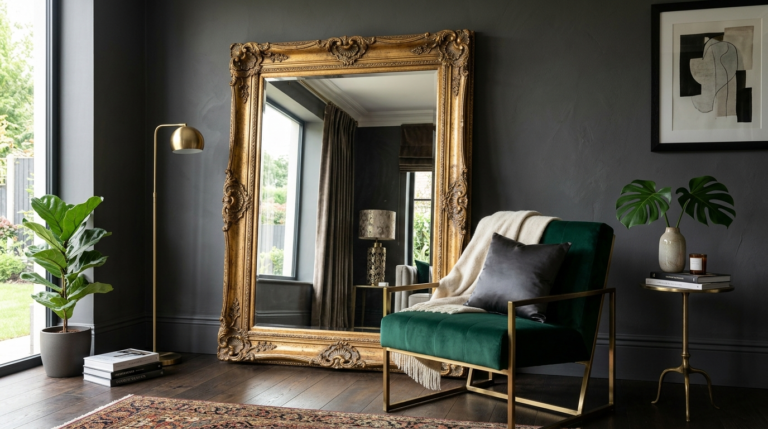
While artificial lighting is crucial, the best lighting schemes start with maximizing the natural light your home already receives. Natural light is free, flattering, and connects us to the outdoors, boosting mood and reducing energy costs. In classic warm editorial design, the goal is to welcome natural light while maintaining privacy and controlling glare. Start by assessing your windows; clean them regularly and consider removing heavy drapes that block light in favor of sheer curtains, linen panels, or Roman shades in light colors that filter rather than block the sun. For south-facing windows, light-filtering shades can soften harsh midday sun while still brightening the room. On north-facing or shaded windows, maximize every ray by keeping treatments minimal or using mirrors to bounce light deeper into the space. Mirrors are a classic trick; placing a large mirror opposite a window doubles the light and makes the room feel larger and airier. In the warm editorial aesthetic, choose mirrors with beautiful frames in wood or metal that complement your other finishes. Also consider the color of your walls and ceilings; light, warm neutrals like soft greige, warm white, or pale terracotta reflect light beautifully, while dark colors absorb it. If your home has limited natural light, strategic placement of light-colored furniture and accessories can help. Skylights or solar tubes are worth considering for interior rooms or hallways that lack windows, bringing in daylight from above. For evening, layer your window treatments so you can enjoy natural light during the day and have privacy and warmth at night with heavier drapes or blackout options in bedrooms. The interplay between natural and artificial light is what creates the most dynamic and livable spaces. By day, your rooms feel open and connected to nature; by night, the carefully planned artificial layers take over to maintain that warm, inviting glow. This balance is a hallmark of thoughtful, timeless design that prioritizes both beauty and the well-being of the people who live there.
7. Incorporating Smart Lighting for Modern Convenience
Smart lighting has revolutionized how we interact with our homes, offering convenience, energy savings, and customization that traditional systems can’t match. In a classic warm editorial context, smart lighting doesn’t mean sacrificing style for technology; many beautiful fixtures now come with integrated smart capabilities or can be paired with smart bulbs and switches that are invisible to the eye. Start with smart bulbs from reputable brands that offer warm white and tunable options, allowing you to adjust color temperature throughout the day to mimic natural light cycles or create specific moods. Use smart switches or dimmers that replace your existing ones for seamless control of hardwired fixtures like chandeliers and sconces. Voice control through assistants like Alexa or Google, or app control from your phone, lets you set scenes for different times of day or activities: ‘Morning Bright’ for energetic start, ‘Evening Relax’ for winding down with softer, warmer light. Scheduling features can automatically turn lights on at dusk or off at bedtime, enhancing security and saving energy. For the warm editorial home, choose smart bulbs that offer high CRI (color rendering index) to ensure colors in your textiles and artwork look rich and true. Many systems integrate with whole-home automation, so your lighting can respond to occupancy, time of day, or even weather. While the technology is modern, the effect is timeless: a home that anticipates your needs and creates the perfect atmosphere effortlessly. Installation is usually straightforward, and the long-term savings on energy bills and bulb replacements make it a smart investment. Don’t let the ‘smart’ label intimidate; start small with a few key lamps or bulbs and expand as you see the benefits. The result is a lighting system that feels both cutting-edge and perfectly suited to a beautifully designed, warm, and inviting home.
8. Pendant Lights for Targeted and Stylish Illumination
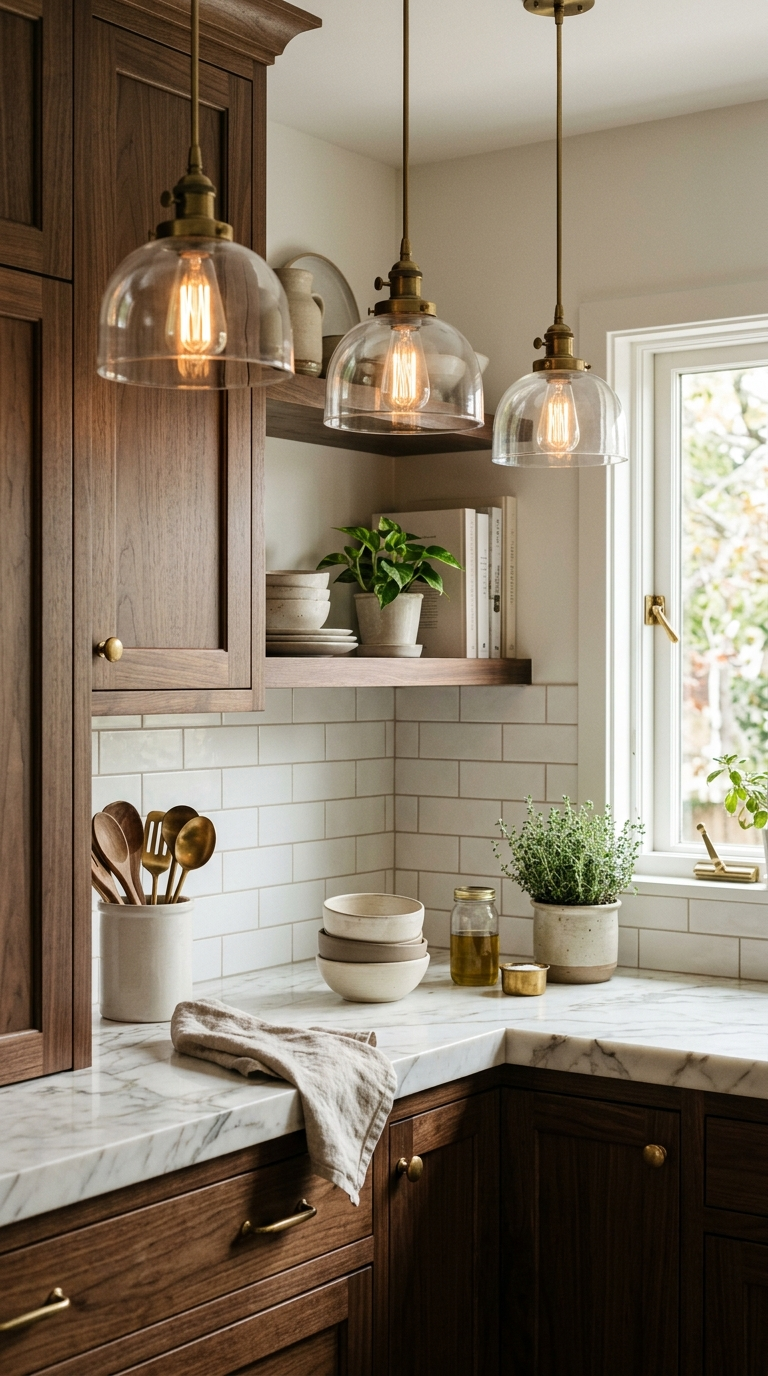
Pendant lights are excellent for providing focused light over specific areas like kitchen islands, dining tables, or bathroom vanities while adding sculptural interest to the ceiling plane. In the classic warm editorial aesthetic, pendants often feature elegant shapes in glass, metal, or a combination, hanging at varying heights for visual rhythm. For kitchen islands, a row of three or more pendants creates a strong focal point and provides excellent task light for food prep and casual dining. Choose sizes and styles that complement your cabinetry and countertops; for a warm editorial kitchen, glass globes or fabric shades in neutral tones work beautifully. The height should be 30 to 36 inches above the surface for islands, allowing light to spill onto the counter while not obstructing views or conversation. In dining rooms, a single large pendant or a linear arrangement can replace or supplement a chandelier, offering a more modern or intimate feel. For bathrooms, small pendants on either side of a mirror provide flattering light for grooming tasks. When selecting pendants, consider the finish and how it ties into the rest of the room’s metals and colors. Many pendants now offer LED options with excellent light quality and dimmability. To avoid a cold or clinical look, steer clear of stark modern designs unless they fit your overall vision; instead, look for pieces with warmth in their materials and light output. Grouping pendants at different heights or in clusters can create a custom, artistic installation that becomes a focal point. Proper spacing and alignment are important for a polished look; use a template or laser level during installation. Pendant lights also work well in hallways or entryways to guide the eye and provide welcome light. By choosing pendants thoughtfully, you add both functional task light and decorative flair that enhances the layered lighting scheme and contributes to the overall warmth and personality of your home.
9. Accent Lighting to Highlight Architecture and Art
Accent lighting is what takes a well-lit room from good to extraordinary, adding depth, drama, and focus that makes your home feel curated and special. In classic warm editorial design, accent lighting is used sparingly but effectively to highlight the things you love: a beautiful piece of art, a textured accent wall, a collection of pottery, or architectural details like crown molding or a fireplace mantel. Picture lights mounted above artwork provide even, flattering illumination that makes the piece pop without glare. Wall washers or up-lights can graze textured walls or drapery, emphasizing their tactile quality and adding subtle movement to the light. Recessed adjustable spotlights in the ceiling can be directed at specific objects or areas, though they should be used judiciously to avoid a spotty, uneven effect. For fireplaces, a pair of sconces or a picture light above the mantel creates a cozy focal point. In the warm editorial aesthetic, the light itself should feel warm and inviting, not cool or harsh; use bulbs with high CRI and warm color temperatures. The goal is to create pools of light that draw the eye naturally, guiding the viewer through the space and creating visual interest at different levels. Avoid overdoing it; too many accent lights can make the room feel busy or like a showroom. Instead, choose a few key elements to highlight and let the ambient and task layers support them. This selective approach keeps the design feeling intentional and serene. Many people find that adding accent lighting makes their favorite pieces more enjoyable to live with, encouraging them to appreciate the details they’ve chosen for their home. It also adds to the perceived value and thoughtfulness of the design. Whether it’s a dramatic wash of light on a stone fireplace or a soft glow on a beloved painting, accent lighting brings your space to life in the most beautiful way, making everyday living feel a little more special and inspiring.
10. Creating Cozy Reading Nooks with Thoughtful Lighting
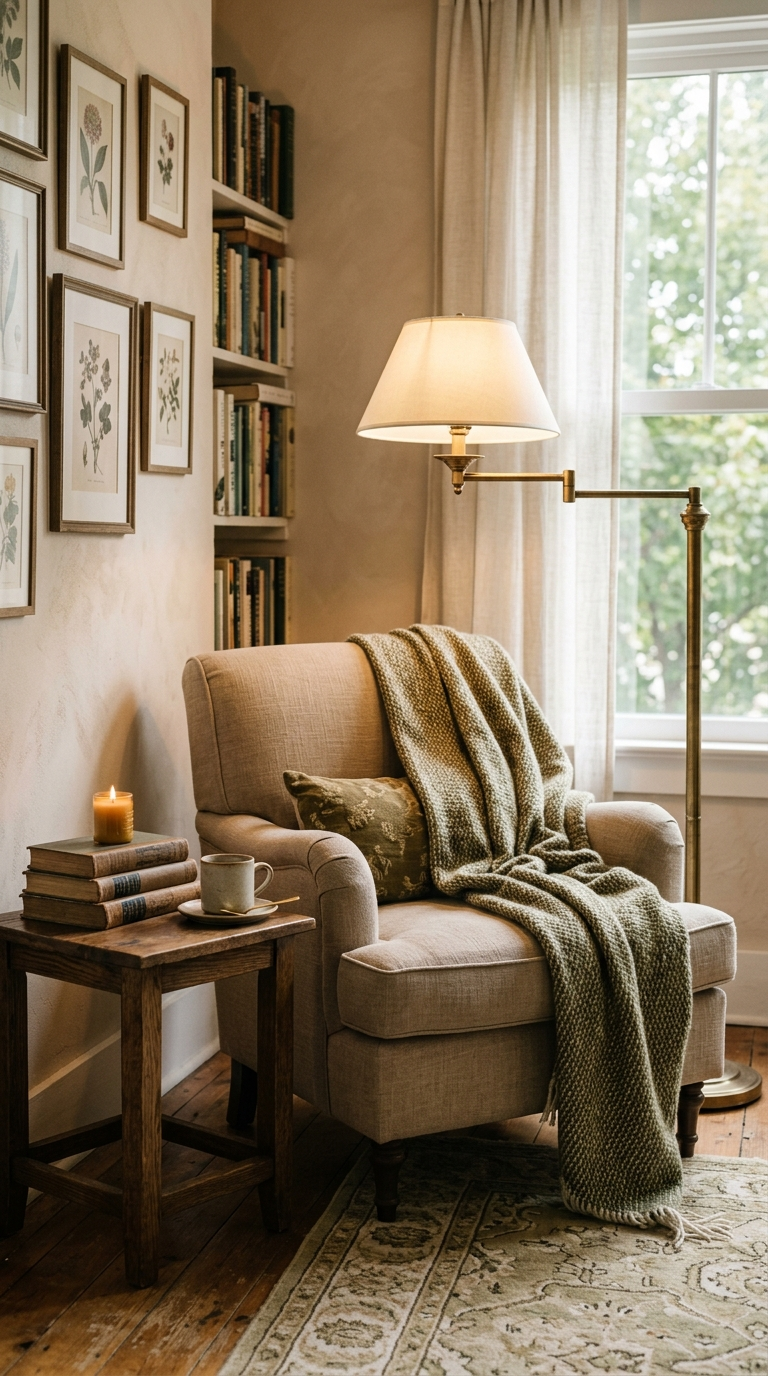
Every home benefits from a dedicated reading nook or quiet corner where one can escape with a good book, and lighting is the key to making it truly inviting. In classic warm editorial style, a reading nook often features a comfortable armchair or chaise, a small side table, and layered lighting that allows for both bright reading light and softer ambient glow. Start with a floor lamp or tall table lamp positioned to shine over the shoulder onto the page, avoiding glare on glossy paper or screens. Add a secondary light source, such as a wall sconce or small accent lamp, to fill in shadows and create depth. If the nook is near a window, maximize natural light during the day with light window treatments. For evening, consider a dimmable lamp with a warm bulb that doesn’t strain the eyes. The chair itself should be positioned to take advantage of the light without being in a draft or high-traffic path. In terms of design, choose a lamp with a shade that directs light downward or has an adjustable arm for precision. Many reading lamps now come with USB ports or wireless charging, adding modern convenience to the classic setup. To enhance the cozy factor, layer in textiles like a soft throw blanket, a lumbar pillow, and perhaps a small rug to define the space. The lighting should make the nook feel separate from the rest of the room, a little sanctuary within the larger space. This is where the warm editorial aesthetic shines; the combination of beautiful light, comfortable seating, and personal touches creates a spot you’ll look forward to using every day. Whether it’s for morning coffee and the newspaper or evening wind-down with a novel, a well-lit reading nook adds immeasurable value to your home and daily life. It’s a simple yet profound way to prioritize comfort and beauty in your living spaces.
Conclusion: Lighting Your Home with Intention
Creating a beautifully lit home is one of the most rewarding aspects of interior design. By embracing layered lighting, choosing statement pieces thoughtfully, and paying attention to the details like bulb temperature and placement, you can transform any space into a warm, inviting haven that reflects your personal style and enhances your quality of life. The classic warm editorial aesthetic provides a timeless foundation that blends the best of traditional warmth with modern functionality. Remember that lighting is not static; it changes with the seasons, the time of day, and your needs. Invest in quality fixtures that will age gracefully, and don’t be afraid to experiment with placement and layering until it feels just right. Your home should be a place where light welcomes you in the morning, supports your activities throughout the day, and gently eases you into restful evenings. With these 18 brilliant lighting ideas as your guide, you’re well on your way to achieving that perfect balance. Start with one room, implement a few changes, and watch as the transformation unfolds. Soon, every corner will glow with the warmth and beauty you’ve intentionally created. For more inspiration on home decor and design, explore our other guides on The Decory. Happy illuminating!