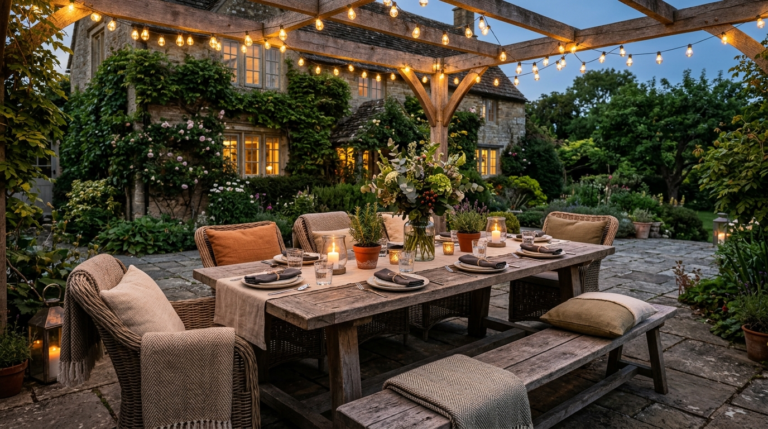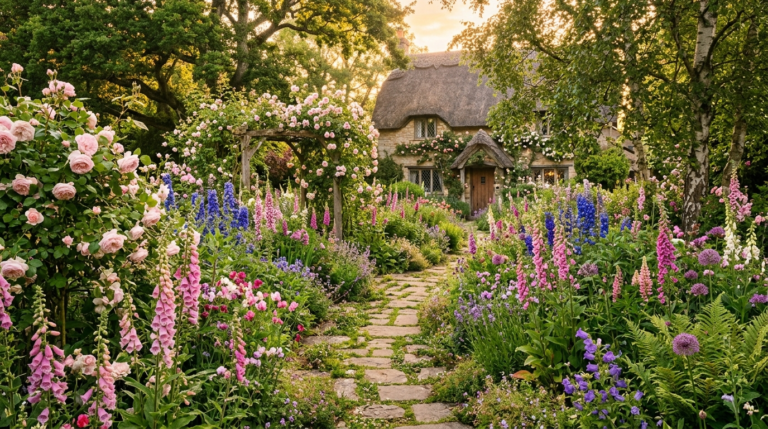
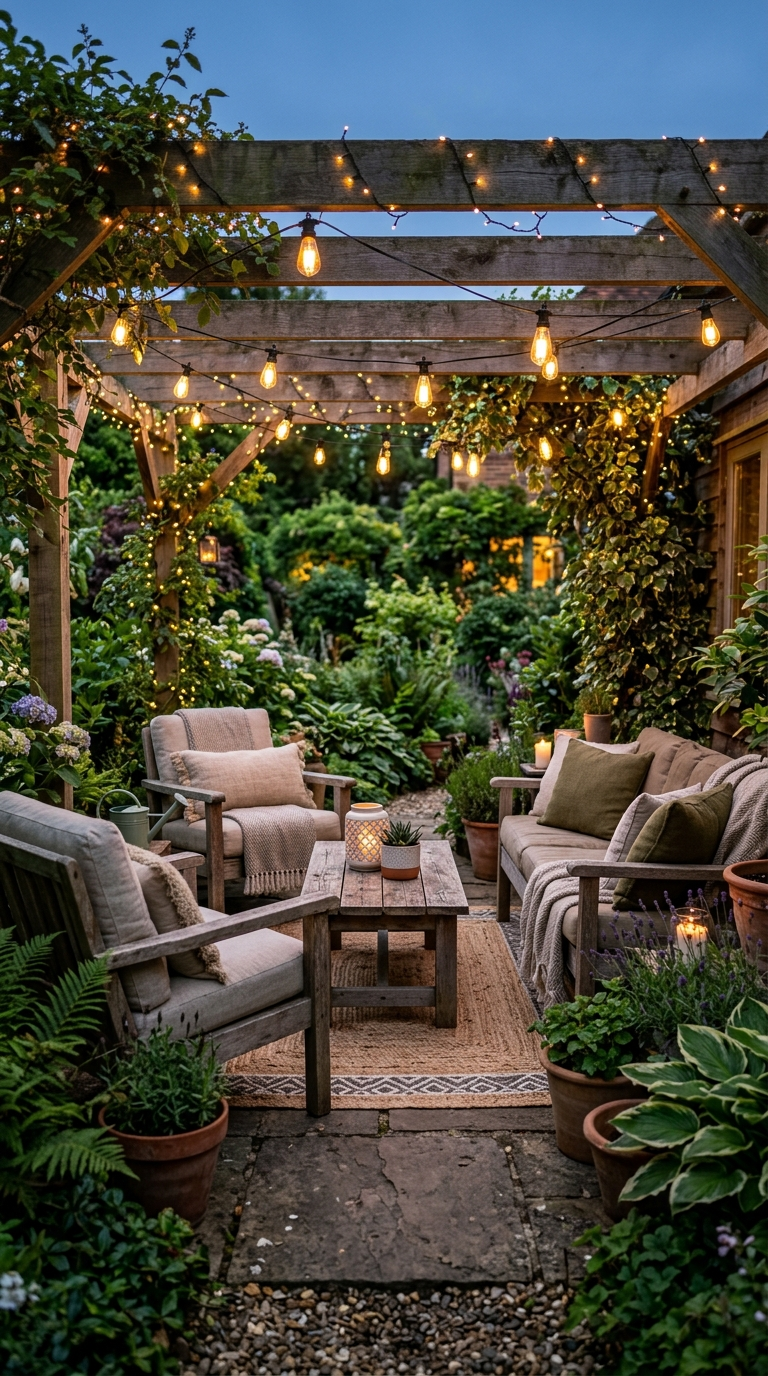
Outdoor gardens are experiencing a renaissance as more people seek connection with nature, sustainable living practices, and beautiful spaces for relaxation and entertainment. The trends emerging this year reflect a desire for gardens that are not only visually stunning but also environmentally responsible, low-maintenance where appropriate, and deeply personal. From planting styles that support pollinators to hardscaping that creates inviting outdoor rooms, these trends offer inspiration for gardens of all sizes and styles. This forecast explores the key movements in outdoor design and provides practical guidance for incorporating them into your own landscape, whether you have a sprawling yard or a small urban patio.
Trend 1: Wildlife-Friendly and Pollinator Gardens
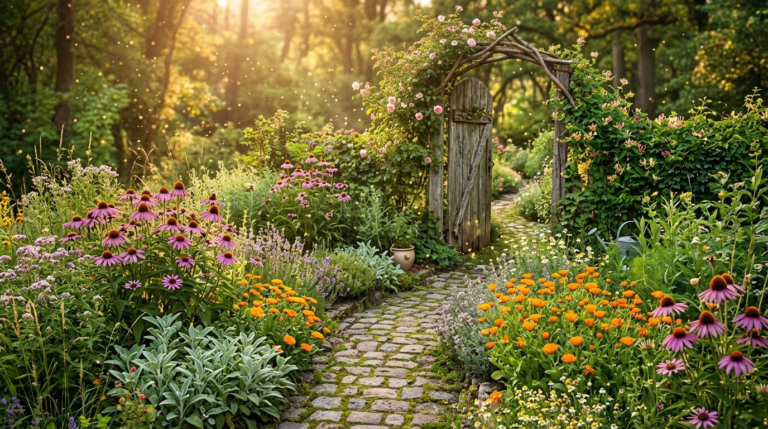
One of the most significant and heartening trends in outdoor gardening is the rise of wildlife-friendly and pollinator-supporting gardens. Homeowners are increasingly recognizing the importance of creating habitats for bees, butterflies, birds, and other beneficial creatures. This trend manifests in planting choices that prioritize native species, flowers rich in nectar and pollen, and layered plantings that provide food and shelter throughout the seasons. Even small gardens can make a meaningful difference by including a few key plants known to support local pollinators and by avoiding or minimizing pesticide use. The result is gardens that buzz and flutter with life, that feel vibrant and purposeful, and that contribute to the health of local ecosystems.
Creating a pollinator garden does not require sacrificing beauty. Many native plants are stunningly beautiful, with interesting forms, vibrant colors, and long bloom times. The key is to research plants that are native to your region and that support the specific pollinators in your area. Include a variety of flower shapes and colors to attract different species, and provide nesting sites or water sources if possible. Even a small container garden on a balcony can support pollinators if planted thoughtfully. This trend represents a shift from gardens as purely decorative to gardens as active participants in environmental stewardship, and it is one that brings both beauty and purpose to outdoor spaces.
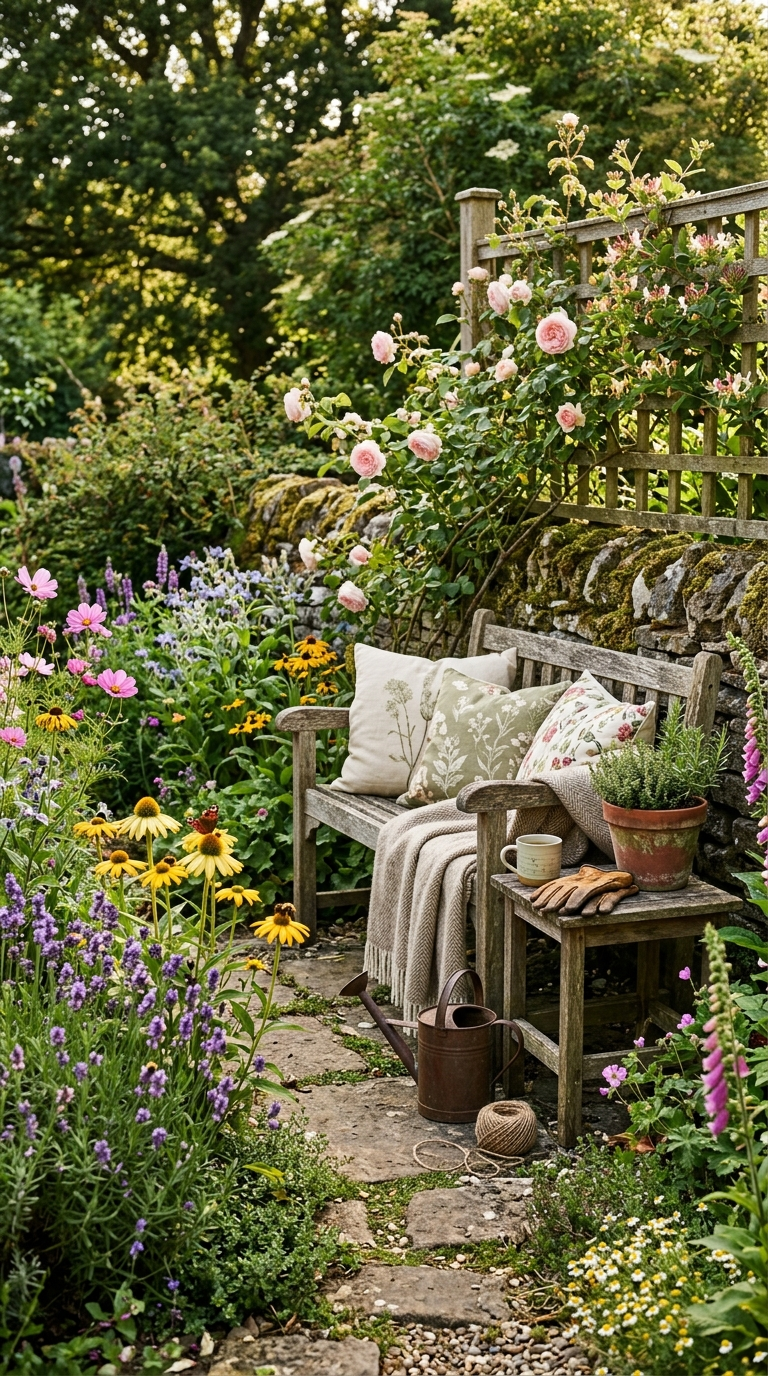
Trend 2: Outdoor Rooms and Living Spaces
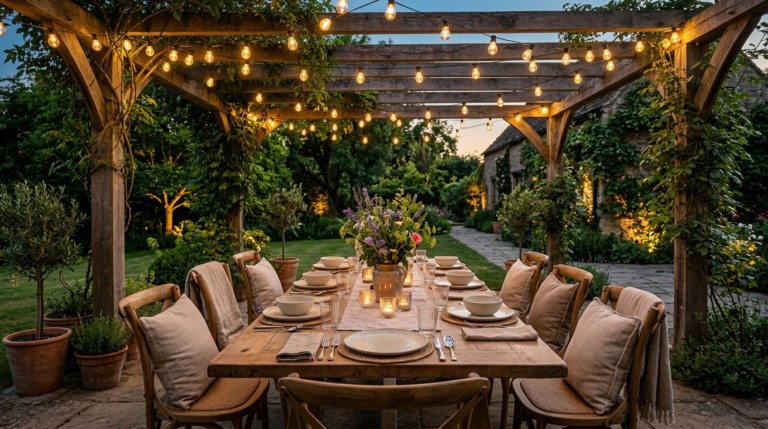
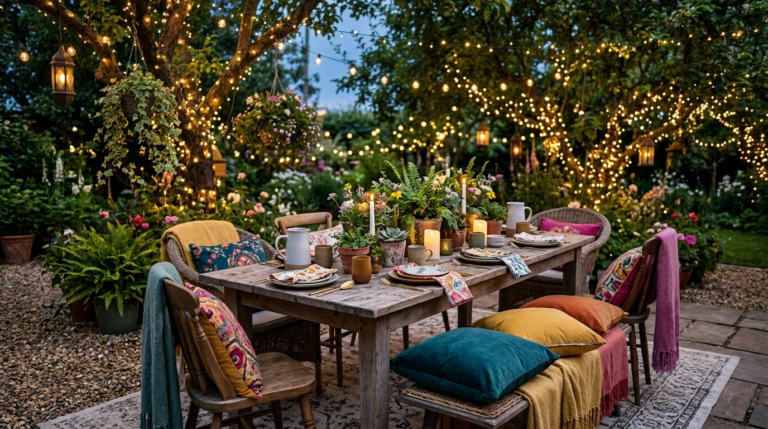
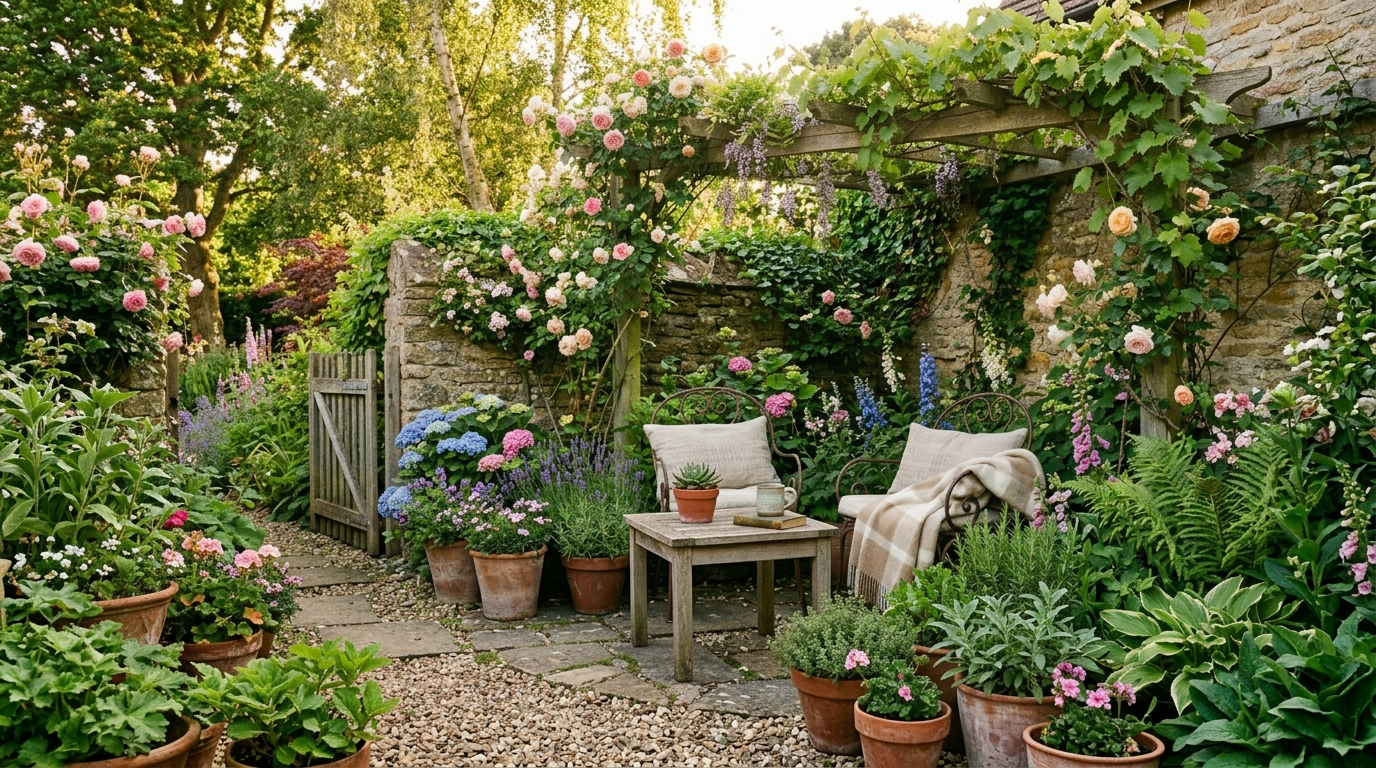
Another major trend is the creation of distinct outdoor rooms that extend the living space of the home into the garden. These spaces are designed for specific activities: a dining area with a table and comfortable seating, a lounge zone with deep chairs and a fire pit, a reading nook with a bench and good lighting, or a play area for children. The key is to define these spaces with hardscaping, plantings, or structures that create a sense of enclosure and purpose. Rugs, lighting, and weather-resistant textiles help these outdoor rooms feel as intentional and comfortable as indoor spaces. This trend reflects our desire to spend more time outdoors and to make our gardens work harder as extensions of our homes rather than just ornamental landscapes.
Creating successful outdoor rooms requires thinking about flow, scale, and comfort. How will people move between indoor and outdoor spaces? What activities will happen in each zone? How will the spaces feel in different seasons and at different times of day? Consider adding elements like pergolas, arbors, or strategic plantings to define boundaries and create a sense of shelter. Lighting extends the usability of outdoor rooms into the evening and adds magic and ambiance. Weather-resistant furniture and textiles in comfortable, inviting styles make these spaces places where people actually want to spend time. The most successful outdoor rooms feel like natural extensions of the home, blurring the boundary between inside and out in the most delightful way.
Trend 3: Sustainable and Low-Water Landscapes
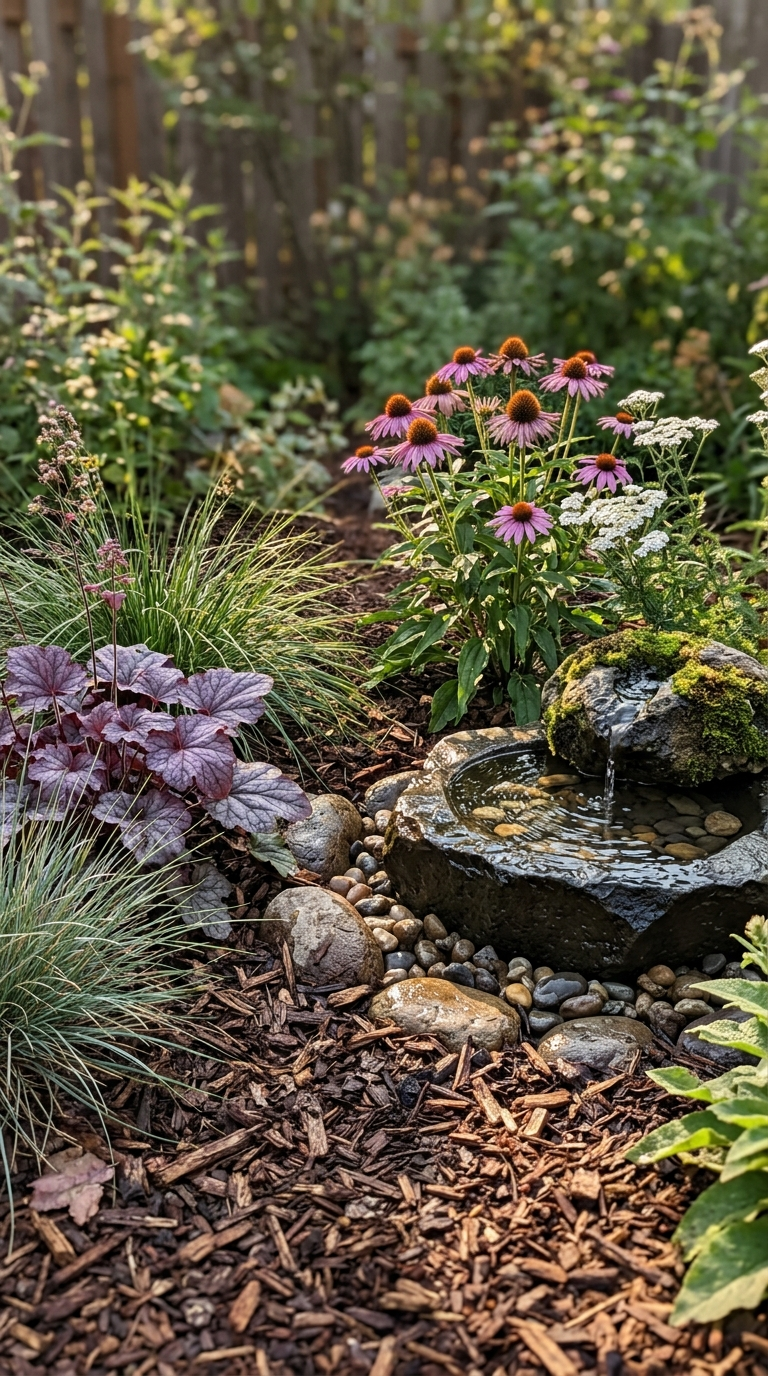
Sustainability continues to be a driving force in garden design, with increasing emphasis on water conservation, soil health, and reduced maintenance. Xeriscaping and low-water planting schemes are gaining popularity even in regions that traditionally had lush lawns and high-water gardens. This trend is not about deprivation but about choosing plants and design strategies that are appropriate to the local climate and that reduce the environmental impact of gardening. Native plants, drought-tolerant species, and smart irrigation systems all play a role in creating beautiful gardens that are also responsible stewards of resources. Mulching, composting, and soil improvement practices support healthy plants that require less water and fewer inputs over time.
Implementing sustainable practices in your garden can be both practical and beautiful. Start by assessing your current water use and identifying opportunities for reduction. Consider replacing high-water turf with native groundcovers, ornamental grasses, or mulched beds. Install drip irrigation or soaker hoses to deliver water directly to plant roots where it is needed most. Choose plants that are well-adapted to your climate and soil conditions. These choices not only reduce environmental impact but often result in gardens that are more resilient, more interesting, and more in harmony with their surroundings. The sustainable garden trend represents a maturation of our relationship with the land, a move toward gardens that give back as much as they take.
Trend 4: Personal Expression and Eclectic Planting
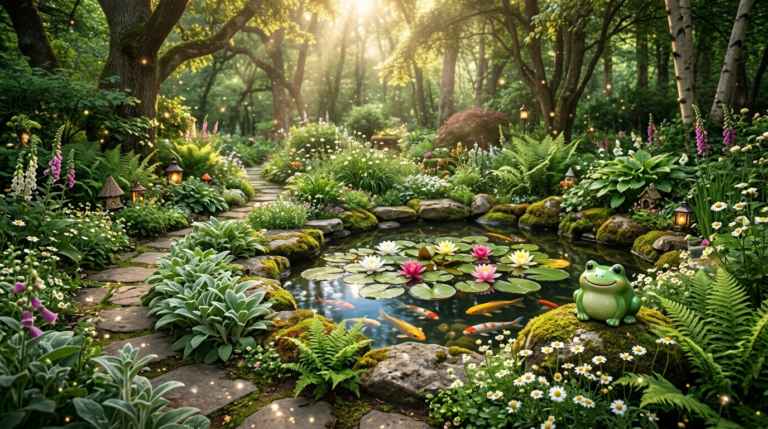
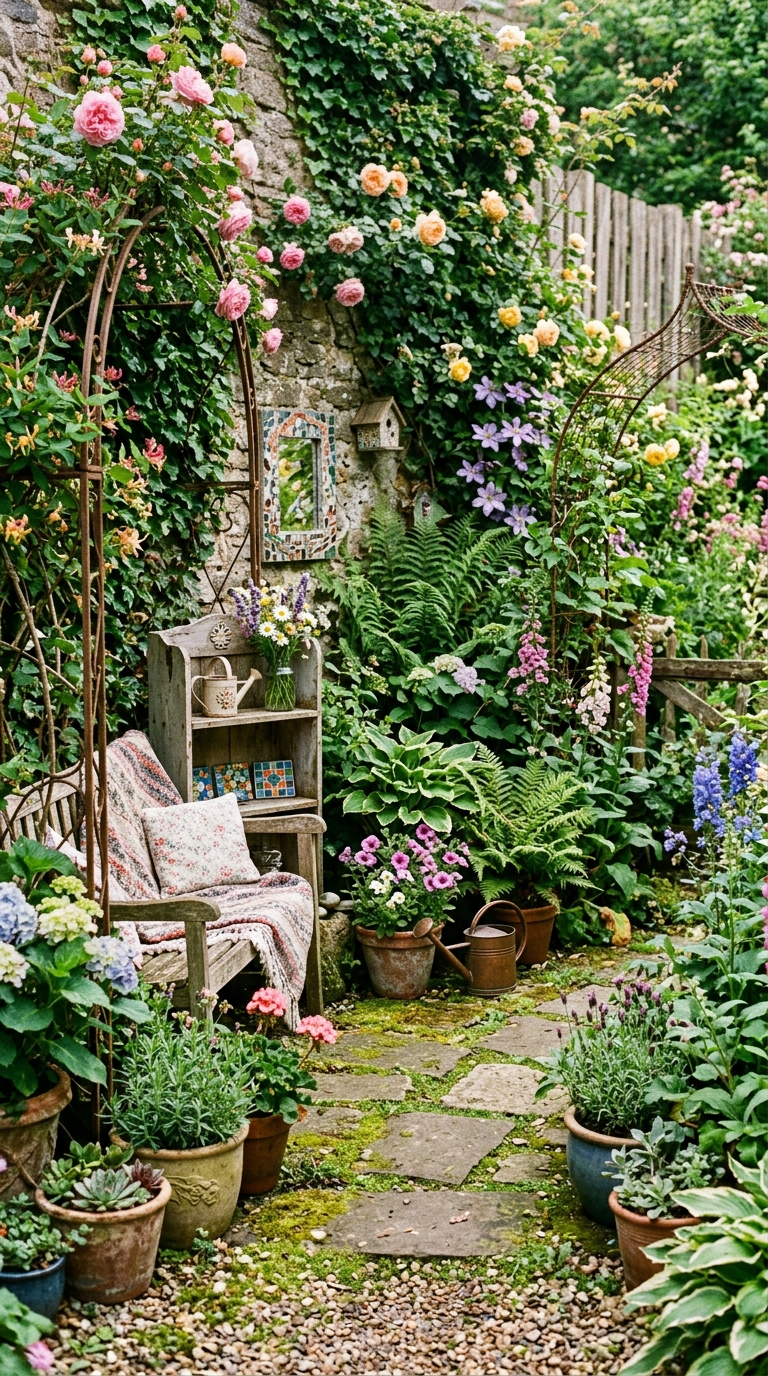
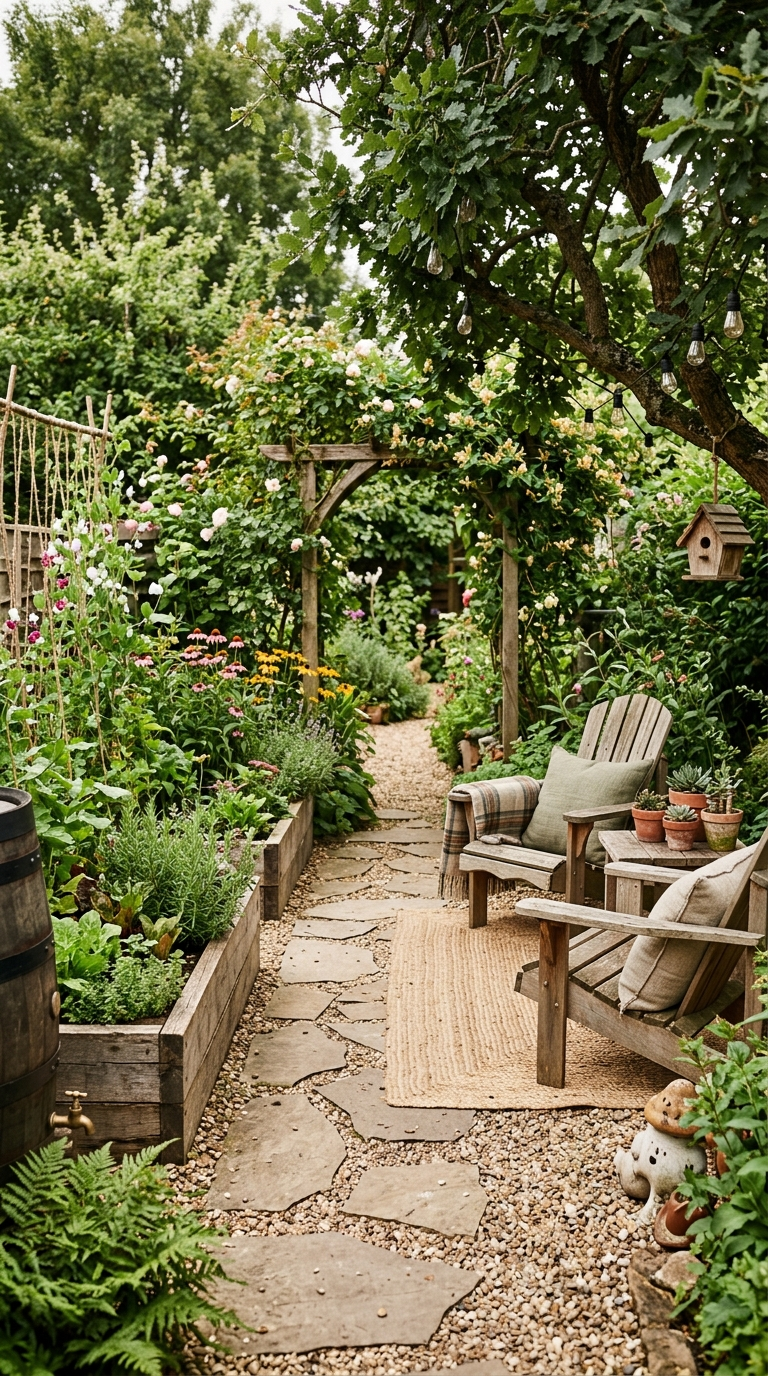
Just as indoor design is embracing personal expression and curated collections, outdoor gardens are moving away from rigid formality toward more eclectic, personal, and expressive planting styles. This trend celebrates mixing plants from different regions and traditions, combining edibles with ornamentals, and incorporating elements that reflect the gardener’s personality and interests. A garden might include a cutting garden for fresh flowers, a small vegetable patch, a collection of favorite perennials, and whimsical elements like art or found objects. The result is gardens that feel like outdoor expressions of the people who tend them, spaces that tell stories and invite exploration and discovery.
Embracing eclectic planting requires confidence and a willingness to experiment. There are no strict rules about what belongs together when the guiding principle is personal joy and expression. That said, successful eclectic gardens still benefit from thoughtful composition, repetition of key elements, and attention to scale and proportion. The most compelling gardens in this style often have an underlying structure or rhythm that holds the diverse elements together. This might be a repeating color, a particular plant form, or a consistent hardscaping material. Within that framework, almost anything goes. This trend invites gardeners to be bold, to follow their instincts, and to create outdoor spaces that are as unique and multifaceted as the people who inhabit them.
Trend 5: Technology and Smart Garden Features
While gardens are fundamentally about nature and connection to the living world, technology is playing an increasing role in making gardening more accessible, efficient, and enjoyable. Smart irrigation systems that adjust watering based on weather data, soil sensors that monitor moisture levels, and apps that help identify plants and diagnose problems are becoming more common and more user-friendly. These tools can help gardeners conserve water, prevent plant stress, and spend more time enjoying their gardens rather than maintaining them. Lighting systems that can be controlled remotely or programmed to create different moods extend the usability and ambiance of outdoor spaces into the evening hours.
Integrating technology into your garden does not mean sacrificing the organic, natural feel that makes gardens special. The best smart garden features are those that work quietly in the background, supporting plant health and garden enjoyment without drawing attention to themselves. When choosing technology for your garden, consider what problems it solves and whether the benefits justify the cost and complexity. Sometimes a simple timer or a well-placed rain barrel can be as effective as a high-tech system, and often more satisfying. The goal is to use technology as a tool that enhances your relationship with your garden rather than complicating it. The most successful gardens, whether high-tech or low-tech, are those that bring joy, beauty, and a sense of connection to the natural world.
As outdoor garden trends continue to evolve, one thing remains constant: the fundamental human desire to connect with nature, to create beauty, and to find meaning and pleasure in the landscapes we tend. Whether you embrace every trend or selectively adopt the ideas that resonate with your climate, your lifestyle, and your personal vision, the goal is the same. Create gardens that nourish you as much as you nourish them, spaces that bring joy, wonder, and a sense of belonging to the natural world. That is the true measure of successful garden design, in any year and in any style.