The Evolution of the Home Sanctuary
In our increasingly hyper-connected and fast-paced world, the concept of the home has fundamentally shifted. It is no longer just a place to sleep and eat; it must also serve as a profound retreat—a sanctuary where we can actively decompress, heal, and restore our mental and physical well-being. This shift has given rise to the incredibly vital trend of dedicated home wellness spaces. Moving beyond the standard home gym filled with heavy iron and loud televisions, modern wellness spaces are serene, minimalist environments designed specifically for mindfulness, yoga, meditation, and deep relaxation. Designing these spaces requires an intentional focus on simplicity, natural elements, and sensory calmness. Let us explore the top trends currently defining the ultimate home wellness spaces, helping you carve out a corner of peace in your own home.
The guiding philosophy behind a successful wellness room is reduction. By stripping away visual clutter, digital distractions, and harsh elements, you allow the mind to quiet down. This minimalist approach does not mean the room is empty or sterile; rather, every item placed within the space is curated with absolute intention, serving a specific purpose in your self-care routine. The aesthetic is clean, grounding, and inherently tranquil, utilizing soothing palettes and organic textures to create a physical environment that immediately triggers a physiological relaxation response the moment you enter.
Trend 1: Biophilic Design and Natural Immersion
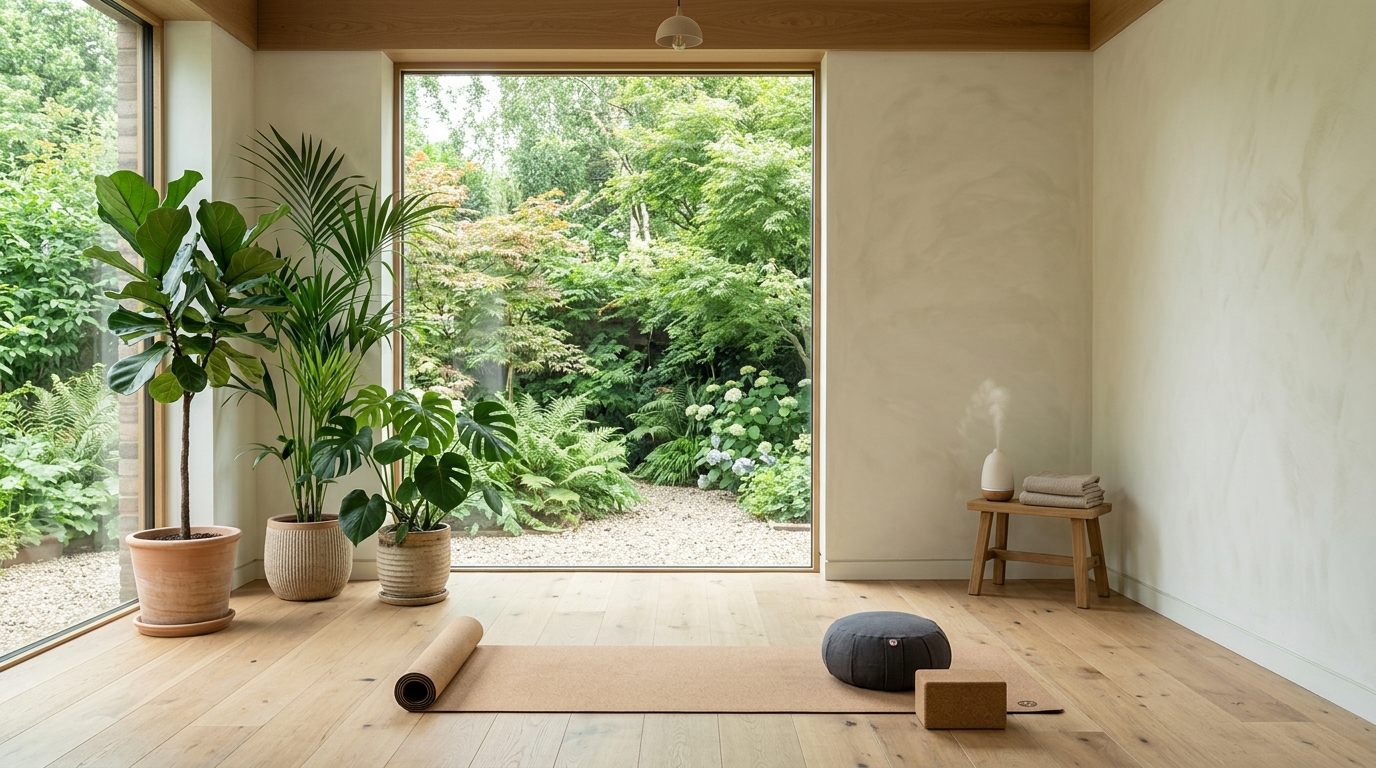
The most prominent trend in home wellness is the deep integration of biophilic design principles. Human beings possess an innate, biological connection to nature, and bringing the outdoors inside is proven to lower heart rates, reduce blood pressure, and alleviate anxiety. In a wellness space, biophilia goes beyond a single potted plant on a windowsill. It involves creating an immersive natural experience within a minimalist, clean framework.
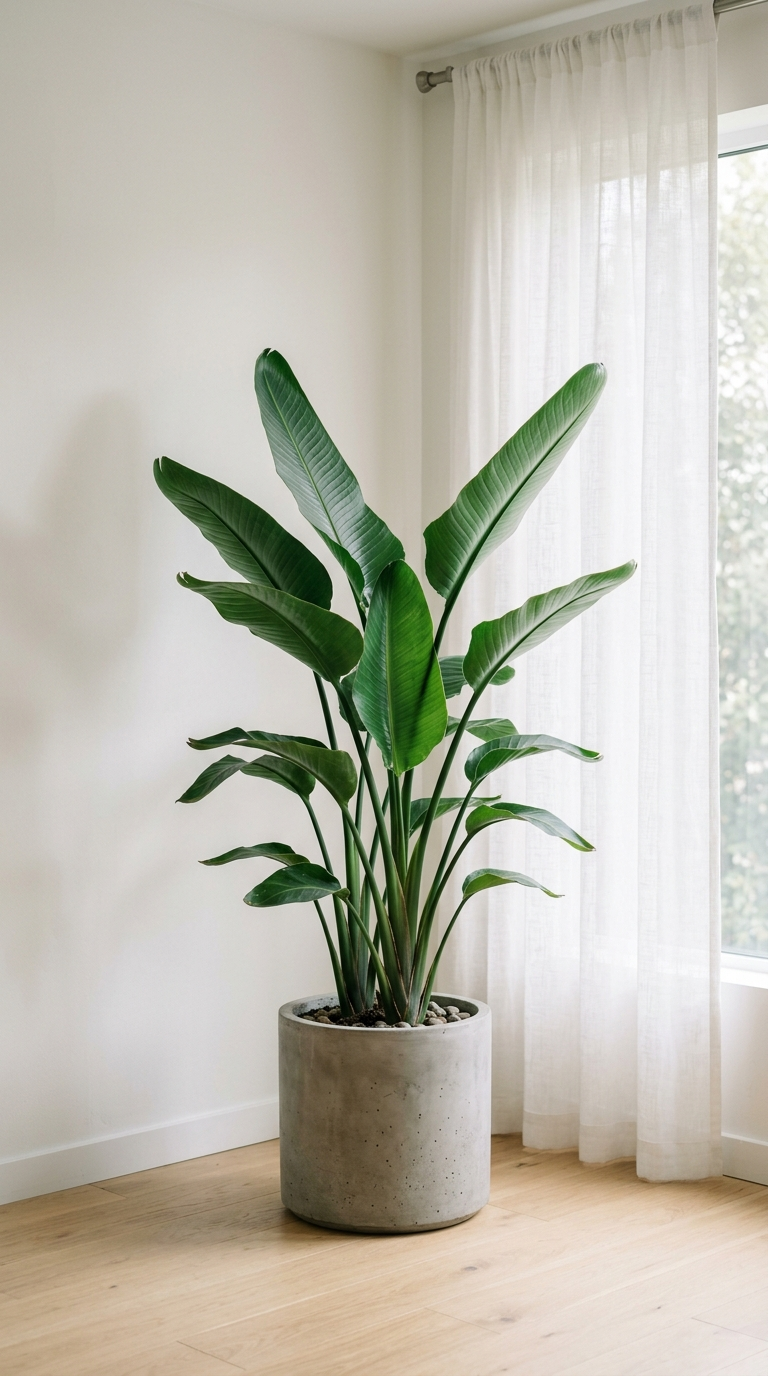
Embrace expansive, unobstructed windows that allow natural sunlight to flood the room and offer views of the sky or surrounding greenery. If your space lacks large windows, incorporate a robust collection of air-purifying indoor plants—such as Peace Lilies, Ferns, and tall Bamboo Palms—arranged in simple, unadorned clay or stone planters. Utilize natural, untreated materials for your finishes. A floor laid with wide-plank, light matte oak or natural cork provides a soft, warm surface for yoga or stretching, connecting your bare feet to organic textures. The color palette should mimic the subtle hues of the earth: soft sage greens, warm sand tones, and the airy whites of clouds, completely avoiding jarring or synthetic colors.
Trend 2: Dedicated Meditation Nooks and Floor Living
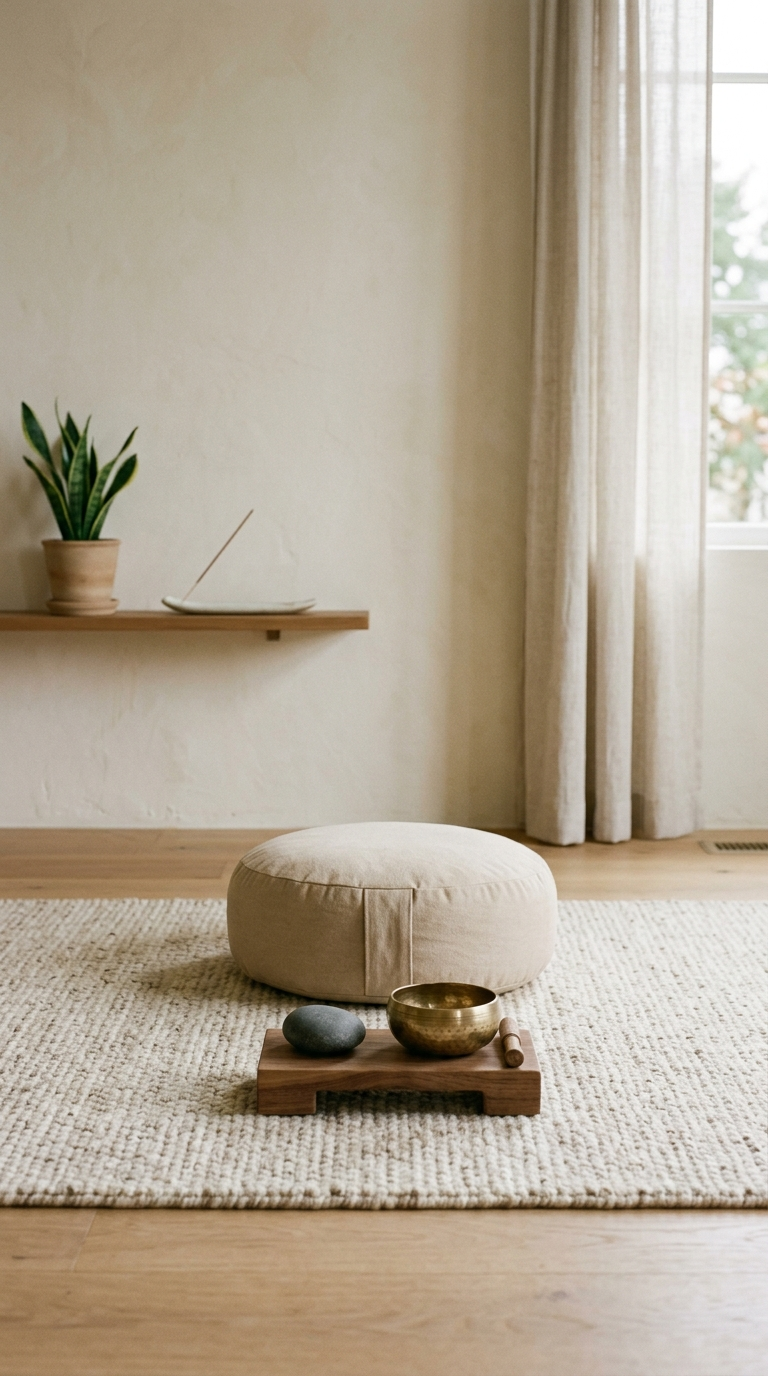
As mindfulness practices become a daily staple for many, creating a dedicated meditation nook has become a central feature of the wellness room. This trend embraces the concept of ‘floor living’—moving away from high, formal furniture in favor of low-profile seating that grounds you physically and mentally. The minimalist aesthetic is perfectly suited for this, utilizing clean lines and uncluttered surfaces.
Central to this nook is the meditation cushion or ‘zafu,’ paired with a soft, supportive floor mat (‘zabuton’). Choose these in natural fabrics like organic cotton or linen in soothing, neutral tones. Surrounding the seating area, keep decor incredibly minimal to avoid distracting the eye. A small, low-profile wooden altar or a sleek stone tray can hold a few intentional items: a beautifully crafted singing bowl, a smooth piece of clear quartz, or a simple ceramic incense burner. The goal is to create a physical space so serene and uncluttered that your mind instinctively follows suit, finding stillness the moment you sit down.
Trend 3: Acoustic Serenity and Soundscapes
Visual minimalism is crucial, but true tranquility also demands auditory minimalism. The intrusion of street noise, humming appliances, or echoing voices from other rooms can instantly shatter a moment of deep relaxation. Advanced wellness spaces are now prioritizing acoustic serenity, utilizing design elements that actively absorb and dampen unwanted noise while enhancing soothing soundscapes.
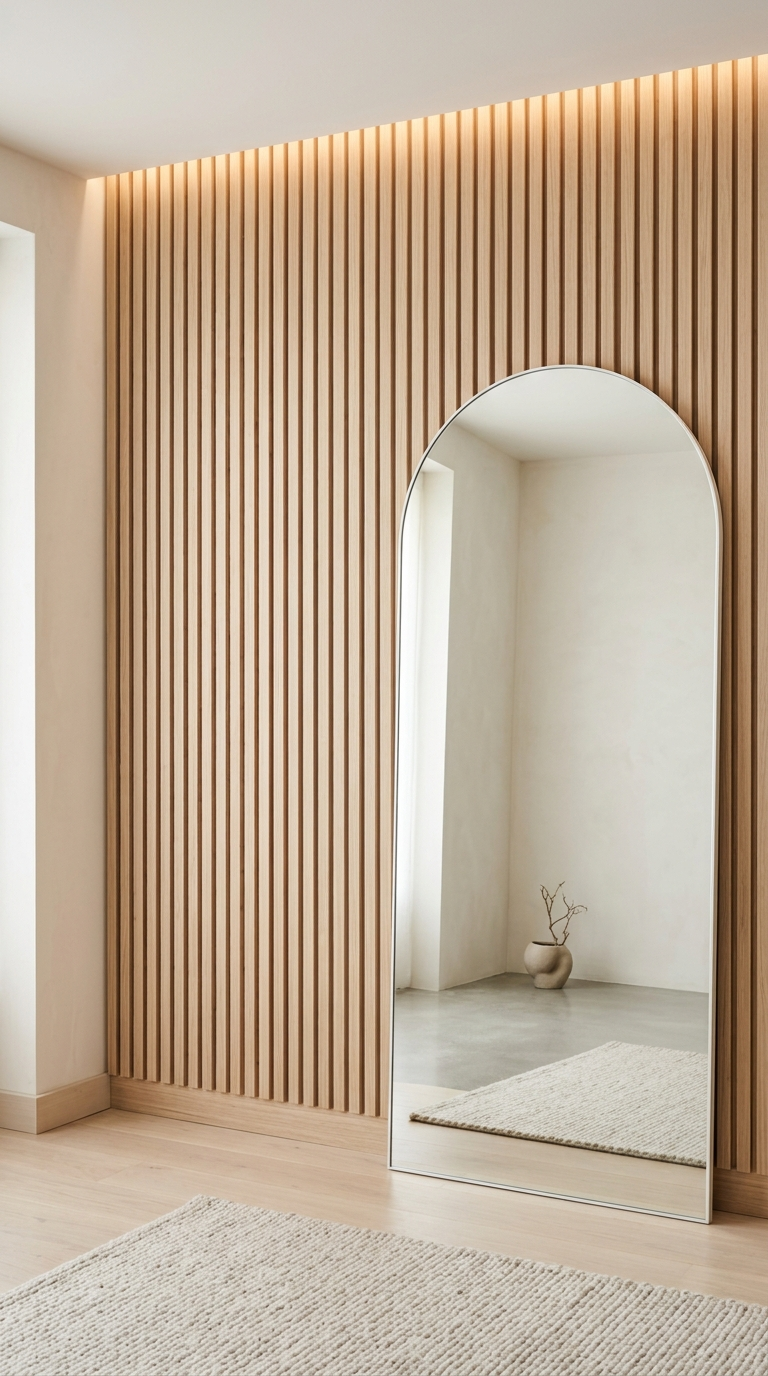
To achieve this, incorporate subtle, aesthetically pleasing sound-absorbing materials. Heavy, floor-to-ceiling linen curtains not only soften the light but also muffle exterior noise. Thick, natural wool rugs provide a plush surface while drastically reducing echo. Some minimalist spaces are even incorporating slatted wood acoustic wall panels, which look incredibly sleek and modern while effectively breaking up sound waves. Once the room is hushed, introduce your own calming soundscape. A high-quality, minimalist smart speaker hidden discreetly can play soft ambient music, binaural beats, or nature sounds, enveloping you in a protective bubble of acoustic peace.
Trend 4: Chromotherapy and Circadian Lighting
Lighting in a wellness space must be entirely adaptable, moving away from harsh, static overhead fixtures to intelligent systems that support the body’s natural circadian rhythms and mood. The trend of chromotherapy (color light therapy) is gaining massive traction, allowing you to alter the color temperature of your room to support different states of being.
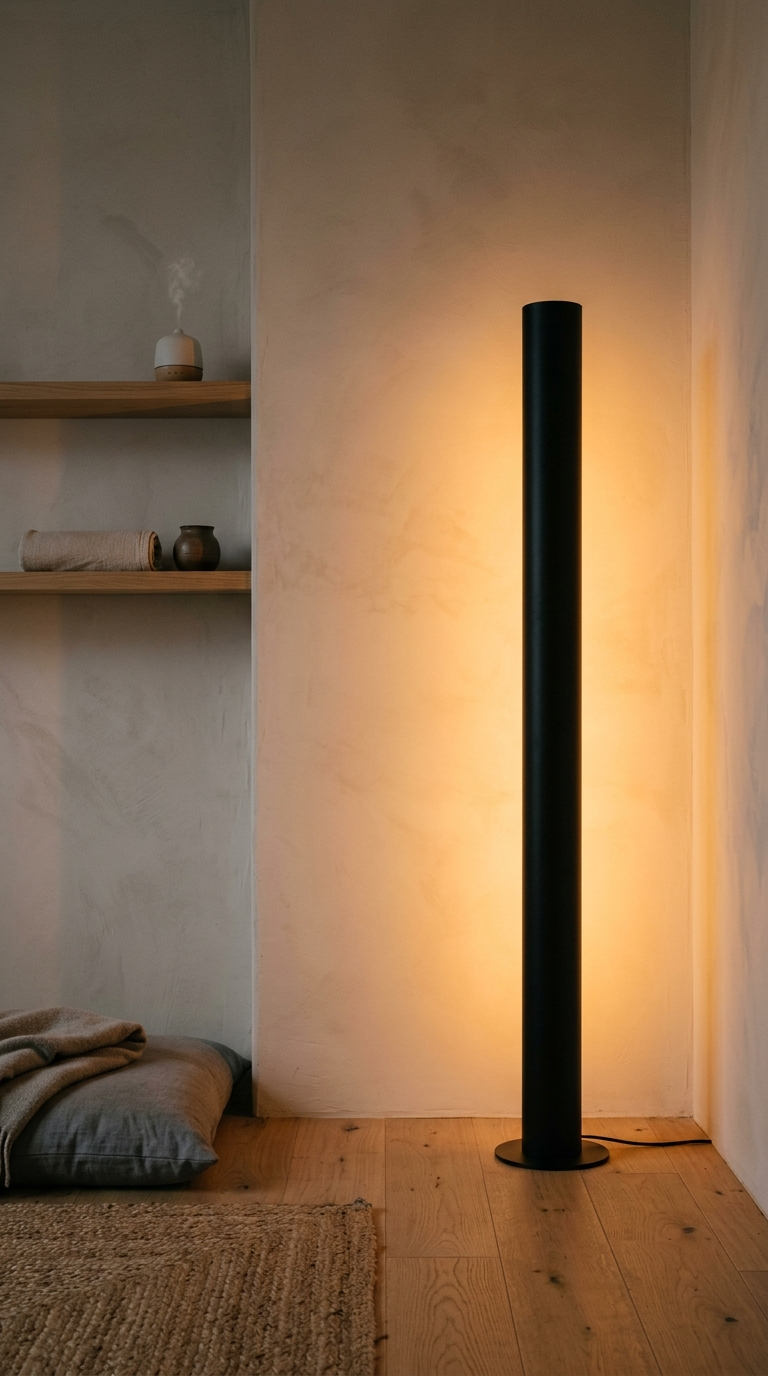
During an energetic morning yoga flow, the lighting should be bright and mimic the cool, blue-white light of dawn to stimulate wakefulness and focus. However, during an evening restorative stretch or meditation, the lighting must shift to a warm, amber glow, simulating a sunset and triggering the brain’s production of melatonin. Implement hidden LED strip lighting behind floating wall panels or under a low bench to create a soft, indirect wash of light on the walls. Minimalist, geometric floor lamps with smart bulbs allow you to dial in the exact hue and brightness you need, ensuring the environment is perfectly attuned to your physical and emotional requirements at any given moment.
Trend 5: Tactile Minimalism and Organic Textures
Finally, a successful minimalist wellness space must never feel cold or clinical. It achieves warmth and comfort through the meticulous layering of organic, tactile textures. When visual clutter is removed, the sense of touch becomes heightened. Every surface your body interacts with should feel soothing, natural, and luxurious in its simplicity.
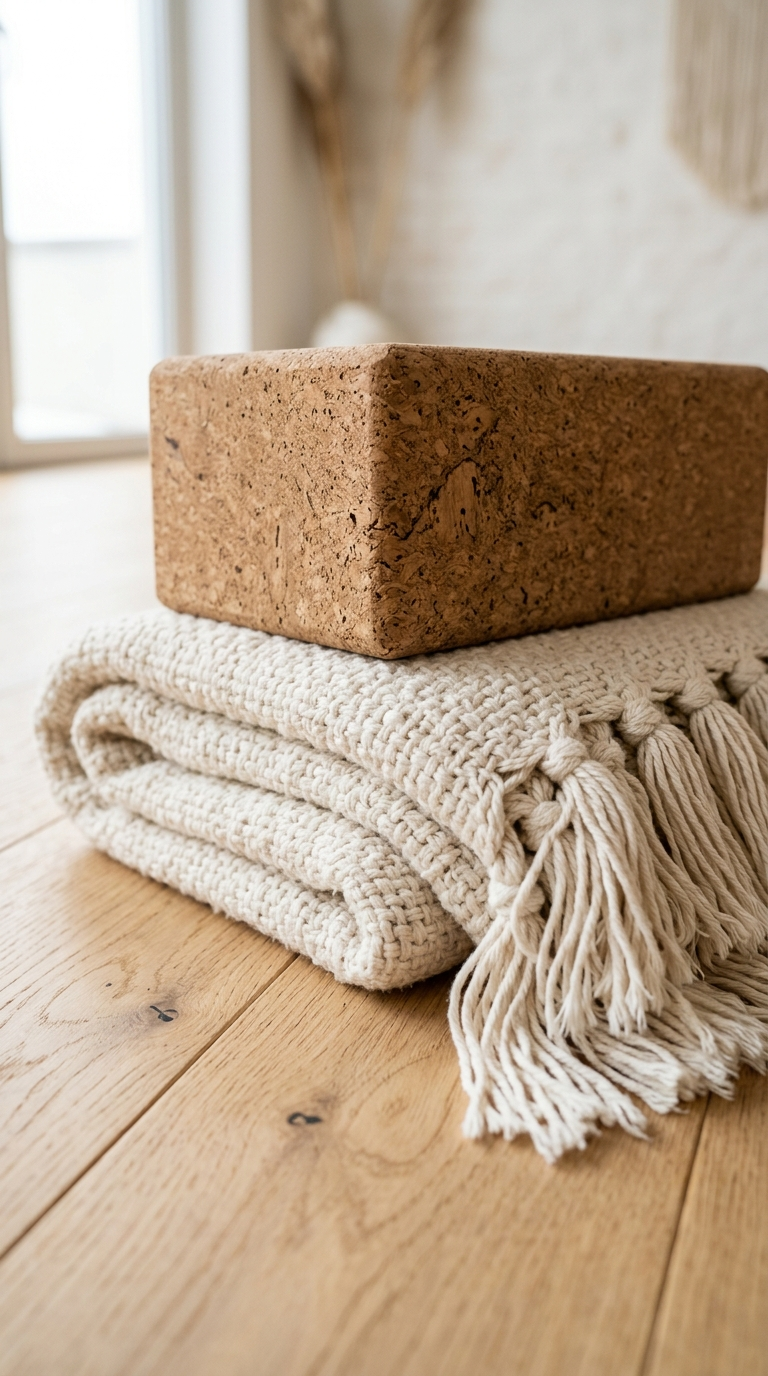
Invest in high-quality, natural fiber props. Swap out bright, synthetic foam yoga blocks for smooth, sustainable cork blocks. Choose a yoga mat made from natural tree rubber. Have a stack of incredibly soft, woven organic cotton or alpaca wool blankets neatly folded in a simple woven basket for use during savasana or deep relaxation. Even the walls can possess texture; a subtle, lime-wash paint finish provides a soft, suede-like appearance that feels profoundly earthy and calming compared to standard flat paint. By surrounding yourself with these pure, organic textures, your wellness space becomes a true minimalist sanctuary, offering a profound daily retreat for the body and the mind.
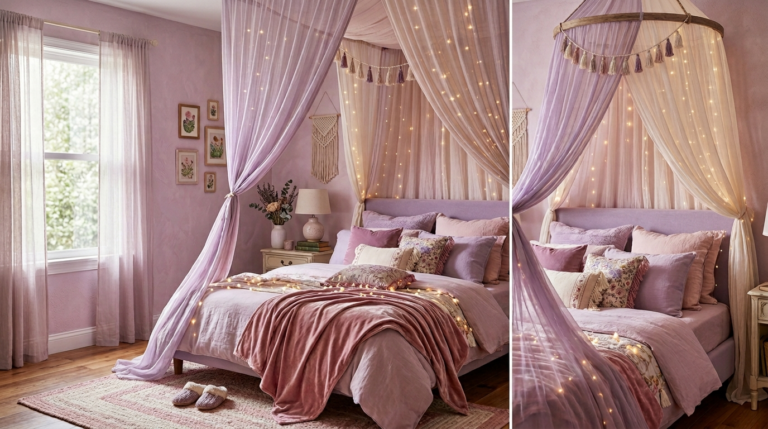
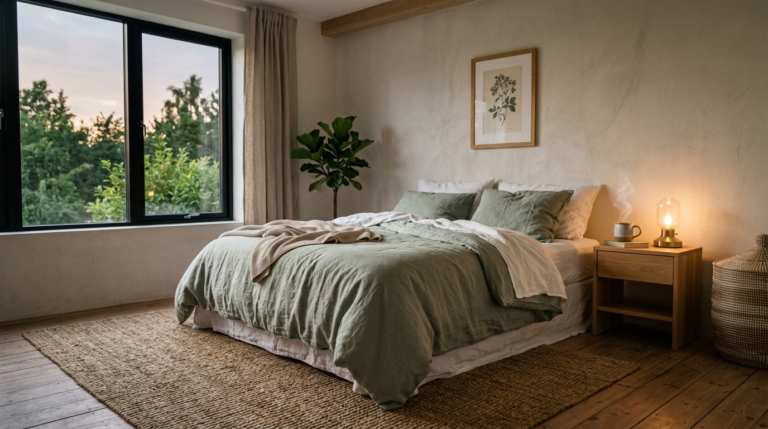
Learn how to design a serene and imaginative bedroom sanctuary with whimsical touches, cozy layers, and personal details that turn your space into a peaceful retreat you never want to leave.
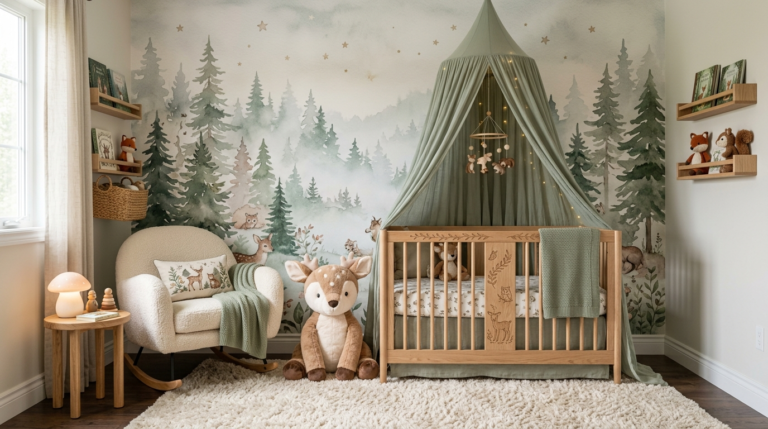
Step into a magical woodland realm with our whimsical forest nursery DIY showcase. Learn how to craft a dreamy, imaginative space your little one will adore.
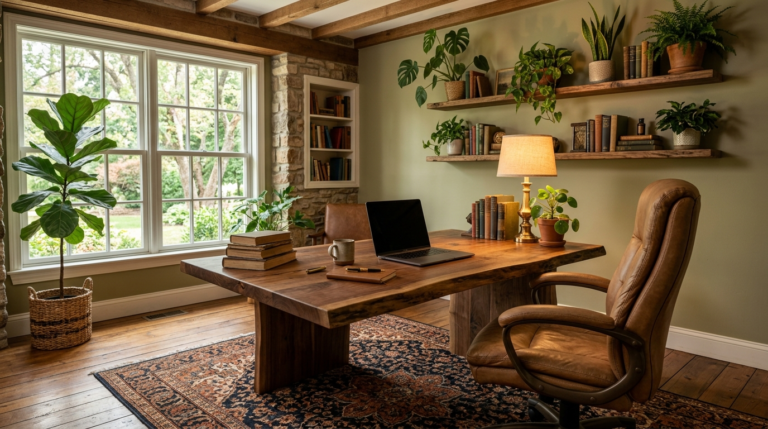
Create a workspace you actually want to use. These cozy home office ideas will boost your focus, enhance your comfort, and elevate your daily productivity.
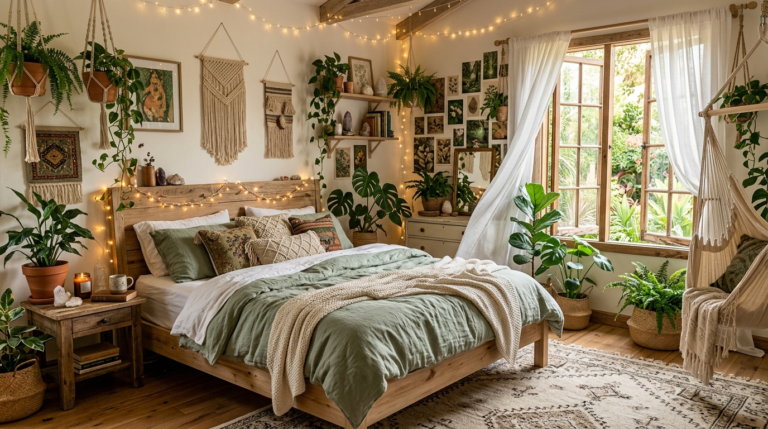
Create the ultimate relaxing sanctuary with these dreamy summer bedroom ideas, blending bohemian textures, soft lighting, and a soothing sage green palette.
Indulge in 15 luxurious bedroom ideas that elevate your space to a five-star retreat. From sumptuous textiles to dramatic lighting and thoughtful details, create a bedroom that feels like a daily escape.