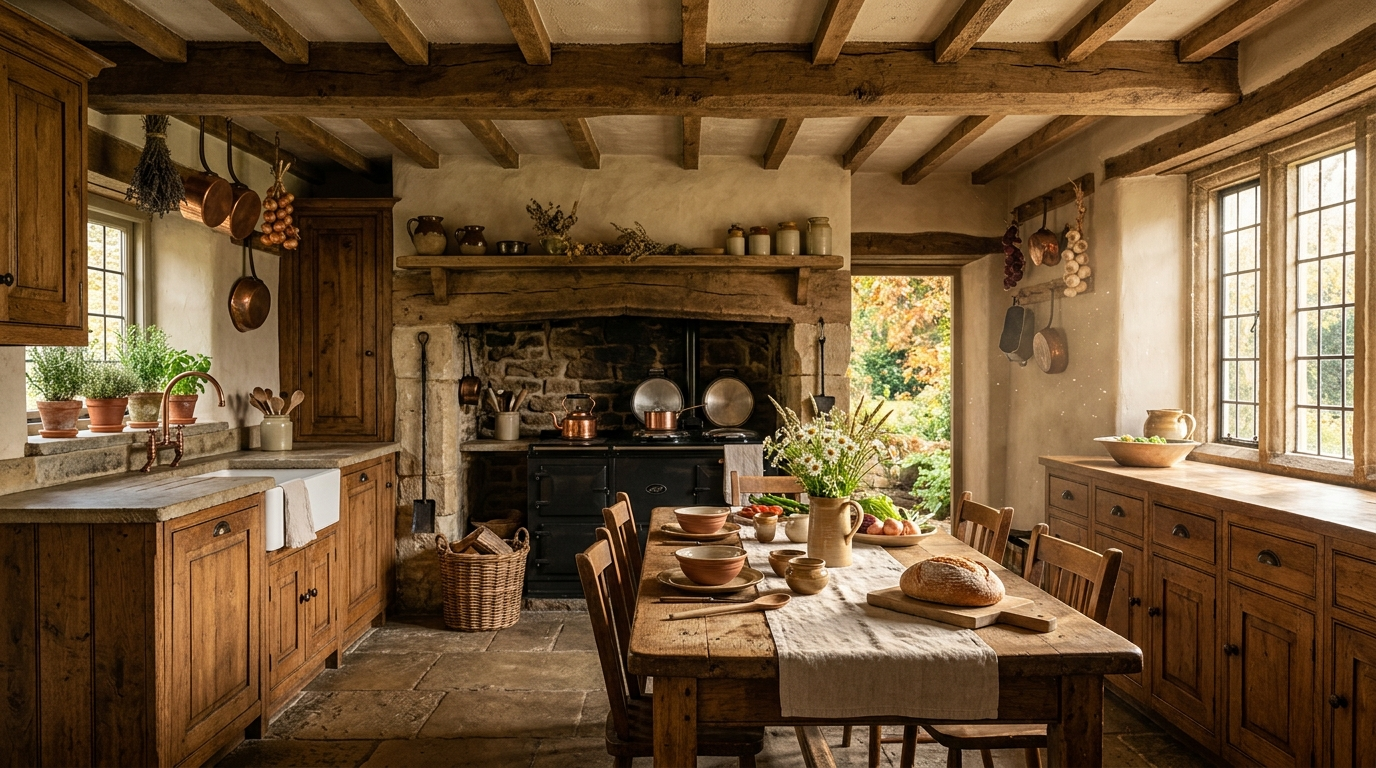
There is a profound, grounding comfort found within the walls of a truly rustic and traditional kitchen. Far removed from the cold, clinical feel of ultra-modern culinary spaces, these kitchens serve as the beating heart of the home, radiating warmth and enduring character. The aesthetic relies heavily on the honest beauty of natural materials—weathered wood, rugged stone, and patinated metals. This narrative explores the deeply inviting elements that make up rustic traditional kitchens, guiding you through the textures, colors, and architectural details that create a space feeling both historically rich and incredibly cozy.
The Soul of Reclaimed Wood
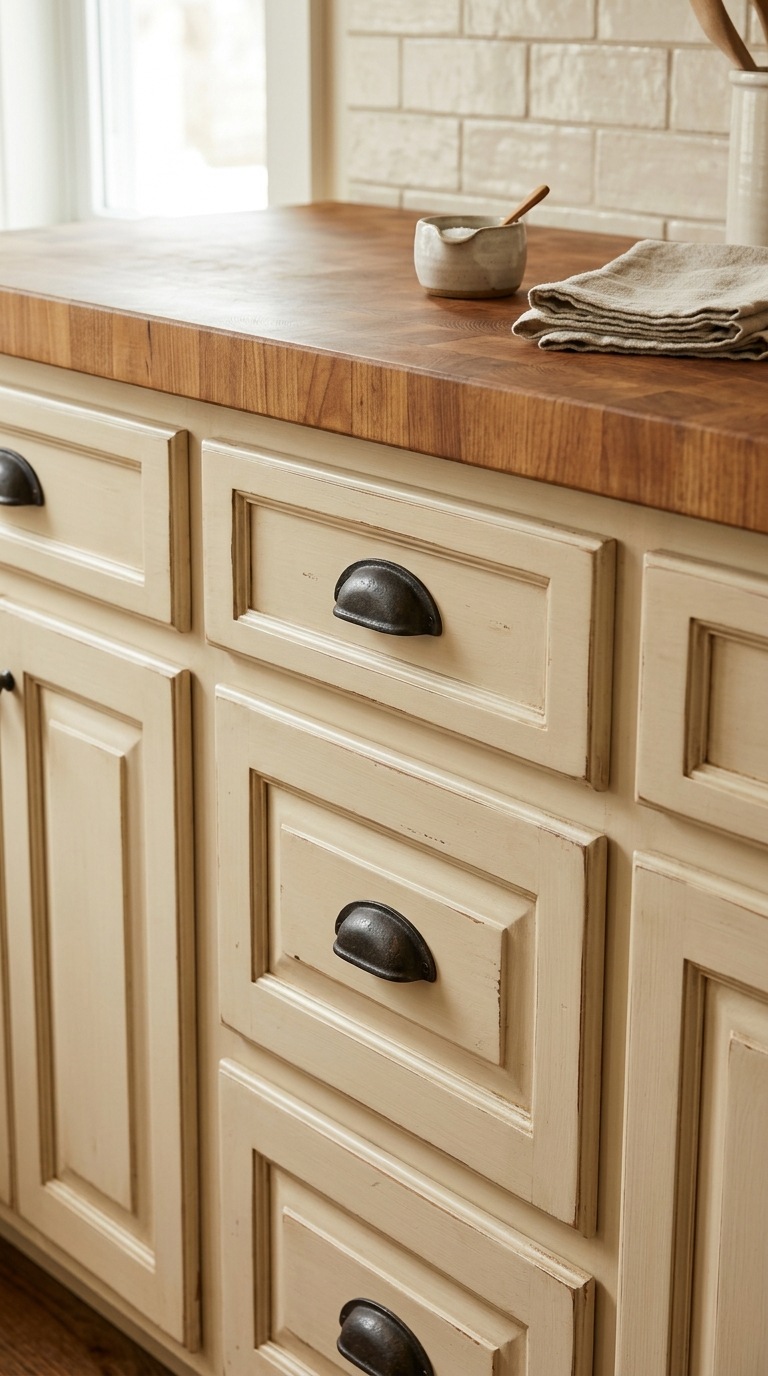
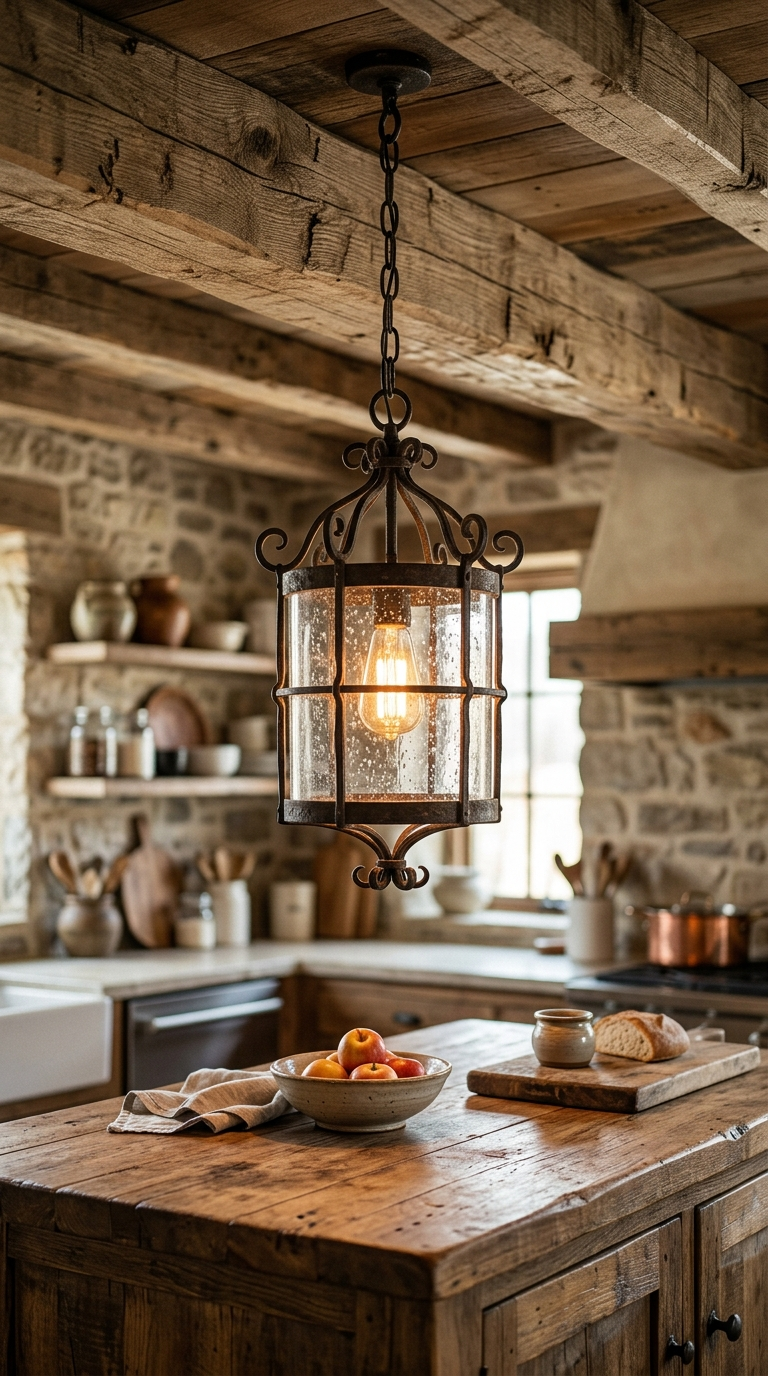
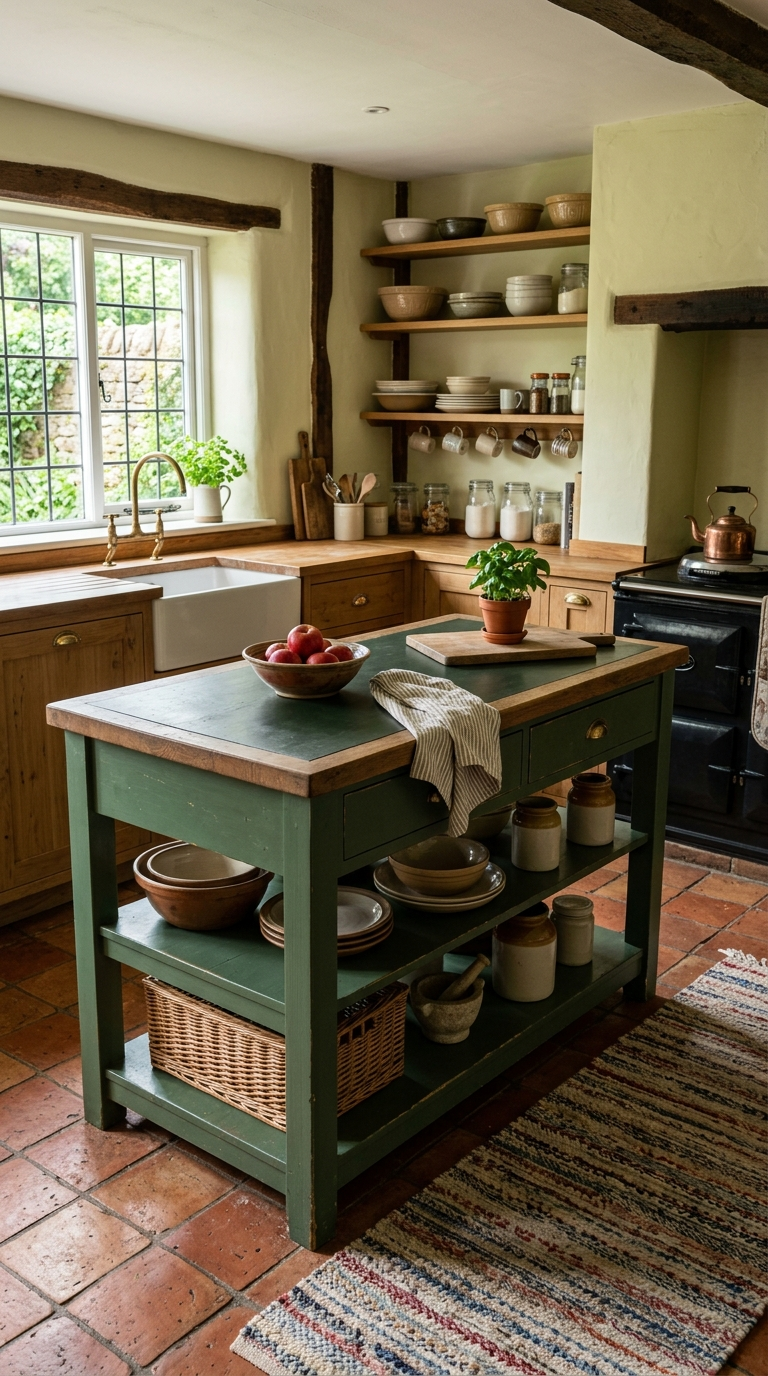
The cornerstone of any rustic kitchen is the prominent use of wood, particularly reclaimed or distressed timber. This isn’t about perfect, high-gloss finishes; it’s about celebrating the imperfections, the knots, and the grain that tell a story of age and use. Exposed wooden ceiling beams are a signature architectural feature, instantly lowering the visual ceiling to create a more intimate, enveloping atmosphere. Cabinetry in a traditional rustic kitchen often features raised panels, beadboard detailing, or even simple shaker styles finished in warm, honeyed oak, rich walnut, or distressed, painted finishes that allow the wood underneath to peek through. A heavy, solid wood farmhouse dining table placed right in the center of the kitchen acts as the ultimate gathering spot, inviting family and friends to linger over long meals.
The Anchor of Natural Stone
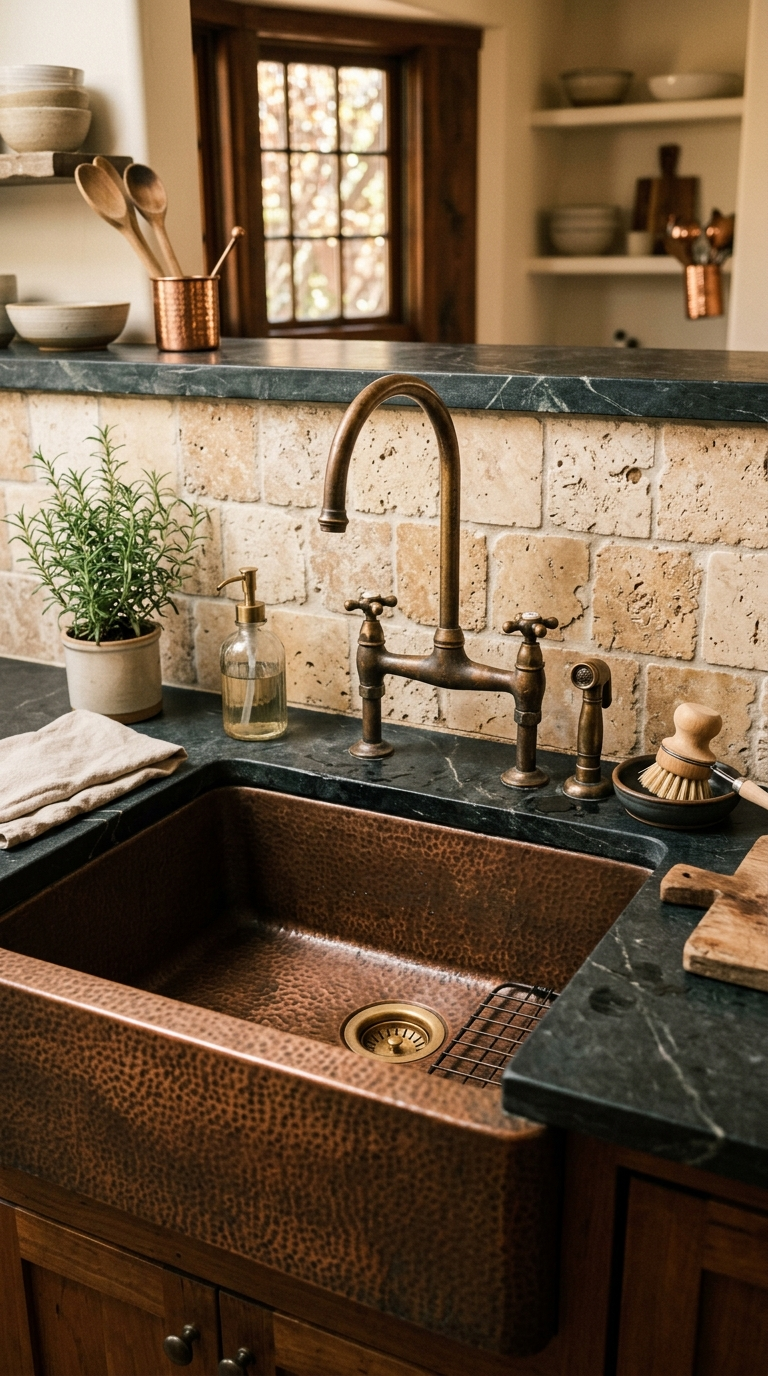
Contrasting and complementing the warmth of wood is the cool, enduring strength of natural stone. Stone elements provide a tactile, historic quality to the space. One of the most striking applications is a stone surround for the stove or oven, creating an alcove that mimics an old-world cooking hearth. For flooring, uneven flagstone, tumbled travertine, or richly colored terracotta tiles offer durability and an earthy aesthetic that only looks better with age and foot traffic. Countertops in honed granite, soapstone, or butcher block are favored over highly polished surfaces, contributing to the matte, textured feel that defines the cozy rustic style. A deep, apron-front fireclay or hammered copper farmhouse sink completes the traditional, hardworking look.
Vintage Accents and Patinated Metals
The magic of a rustic kitchen lies in its details, specifically the hardware and fixtures. Shiny chrome has no place here; instead, the focus is on metals that show their age. Oil-rubbed bronze, unlacquered brass that has developed a dark patina, iron, and hammered copper are the metals of choice. Cabinet knobs, drawer pulls, and exposed hinges in these finishes add visual weight and authenticity. Lighting fixtures play a crucial role; think wrought iron chandeliers, copper pendant lights with a verdigris finish, or vintage-inspired glass lanterns. These elements not only provide necessary illumination but also act as jewelry for the room, reinforcing the traditional, collected-over-time narrative.
A Palette Rooted in Nature
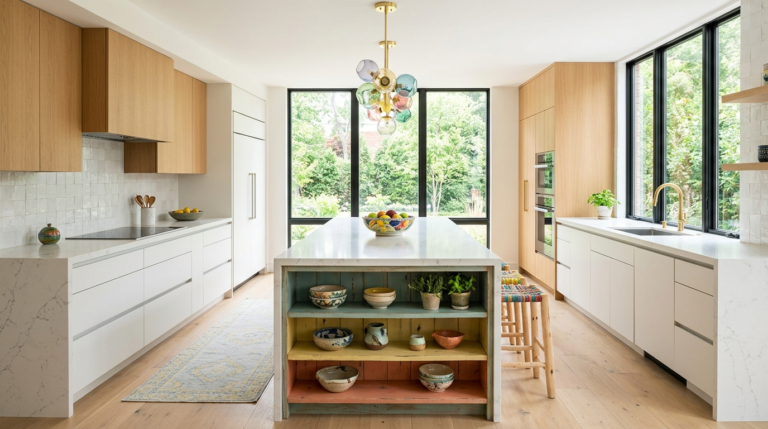
The color palette of a rustic traditional kitchen is drawn directly from the surrounding landscape. It relies heavily on earthy, muted tones that evoke a sense of calm and history. Creams, warm whites, and soft taupes often serve as the base colors for walls or painted cabinetry, preventing the heavy wood and stone elements from making the room feel too dark. Deep, forest greens, muted terracotta reds, and rich mustard yellows can be used as accent colors on a kitchen island, inside open shelving, or through textiles. This organic color scheme harmonizes the varying textures in the room, tying the stone, wood, and metal together into a cohesive, inviting whole.
Open Shelving and Displayed Cookware
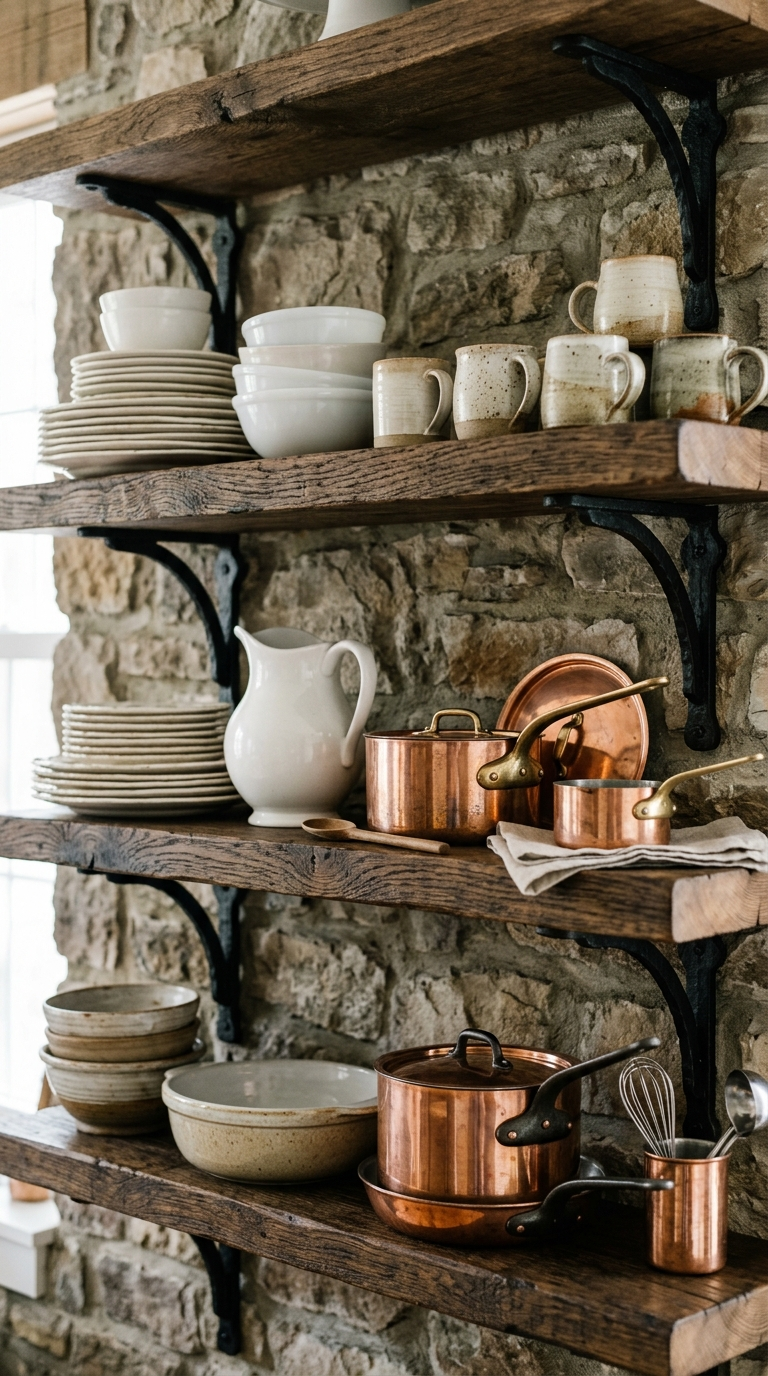
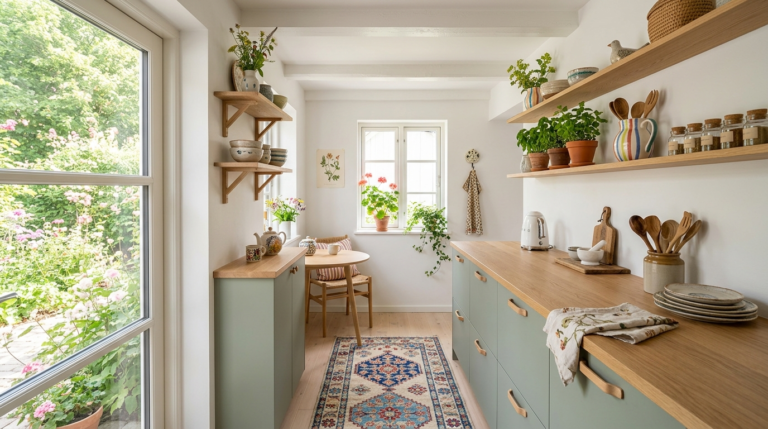
A traditional rustic kitchen is meant to look like it is actively used and loved. Open shelving, often made from thick slabs of rough-hewn wood supported by iron brackets, replaces some upper cabinetry. This provides an opportunity to display beautiful, functional items. Stacks of ironstone plates, vintage ceramic bowls, and clear glass jars filled with dry goods add color and texture to the walls. Hanging pots and pans from an iron rack above the island or stove is a classic rustic touch that is both practical and decorative. Displaying copper cookware, in particular, adds a brilliant, warm gleam that enhances the cozy atmosphere of the space.
Conclusion: A Kitchen That Hugs You
Designing a rustic and traditional kitchen is an exercise in creating comfort. By embracing the tactile qualities of reclaimed wood and natural stone, selecting patinated fixtures, and sticking to an earthy color palette, you build a space that feels timeless. It is a kitchen that rejects the sterile in favor of the soulful. When you walk into a beautifully executed rustic kitchen, you should immediately feel welcomed, grounded, and ready to put a kettle on the stove. It is, quite simply, a room that feels like home.
Avoid the most frequent pitfalls in modern kitchen design. Learn how to correct issues with layout, lighting, storage, and materials to create a space that is both stunning and genuinely functional for years to come.
Discover the most common kitchen decor mistakes and learn how to fix them. From lighting to layout, transform your culinary space into a functional dream.
Dive into a showcase of whimsical yet sophisticated DIY projects for modern kitchens. From custom lighting to unique storage solutions, get inspired to add personality and charm to your contemporary cooking space.
Maximize your small kitchen space with clean, minimalist storage solutions. From clever cabinetry to hidden compartments, organize your kitchen effortlessly.
Discover the future of kitchen and dining design. From warm minimalism to integrated social spaces, explore the top interior trends defining the home this year.