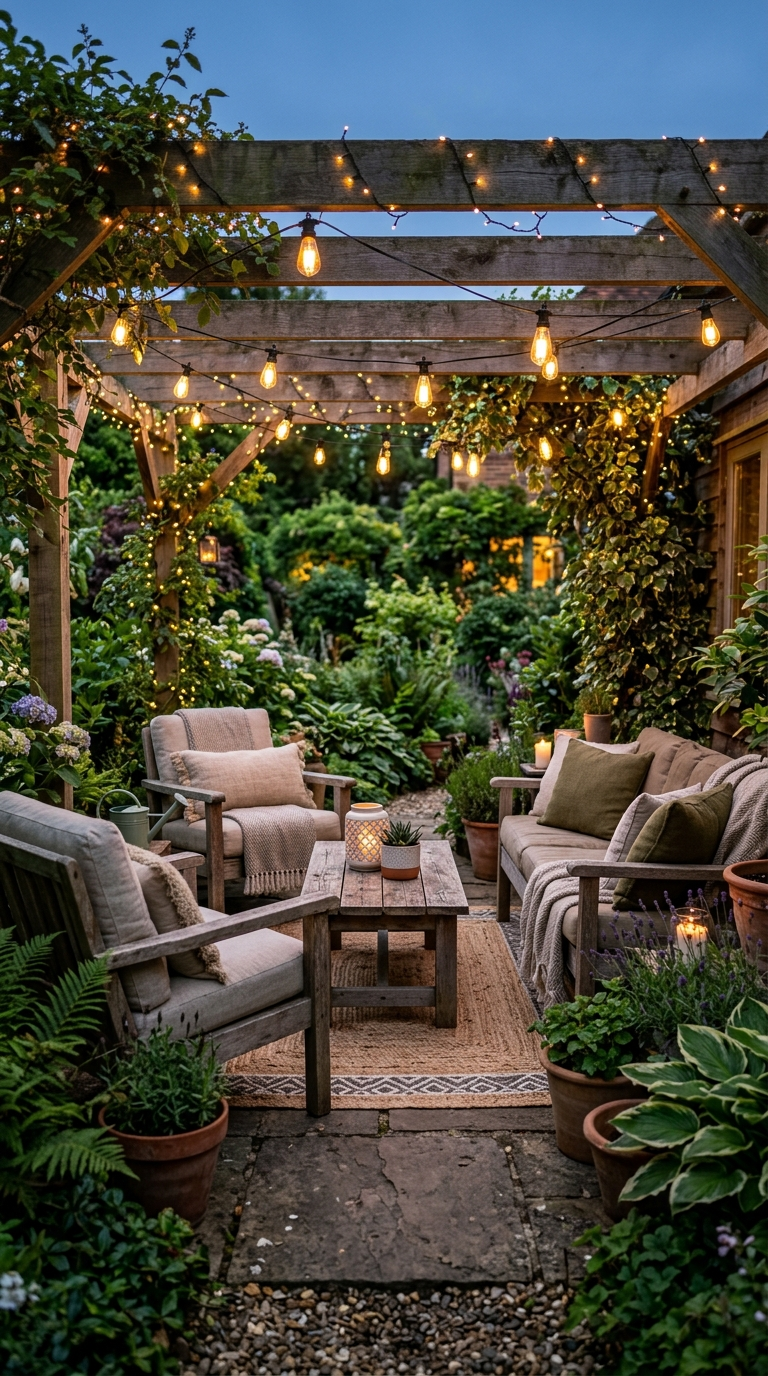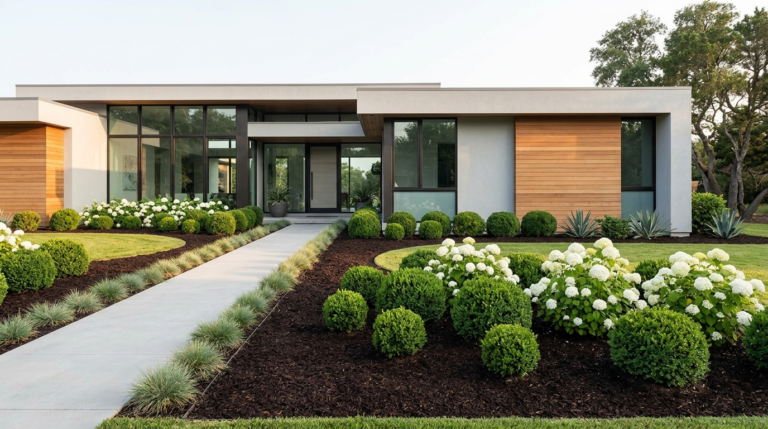
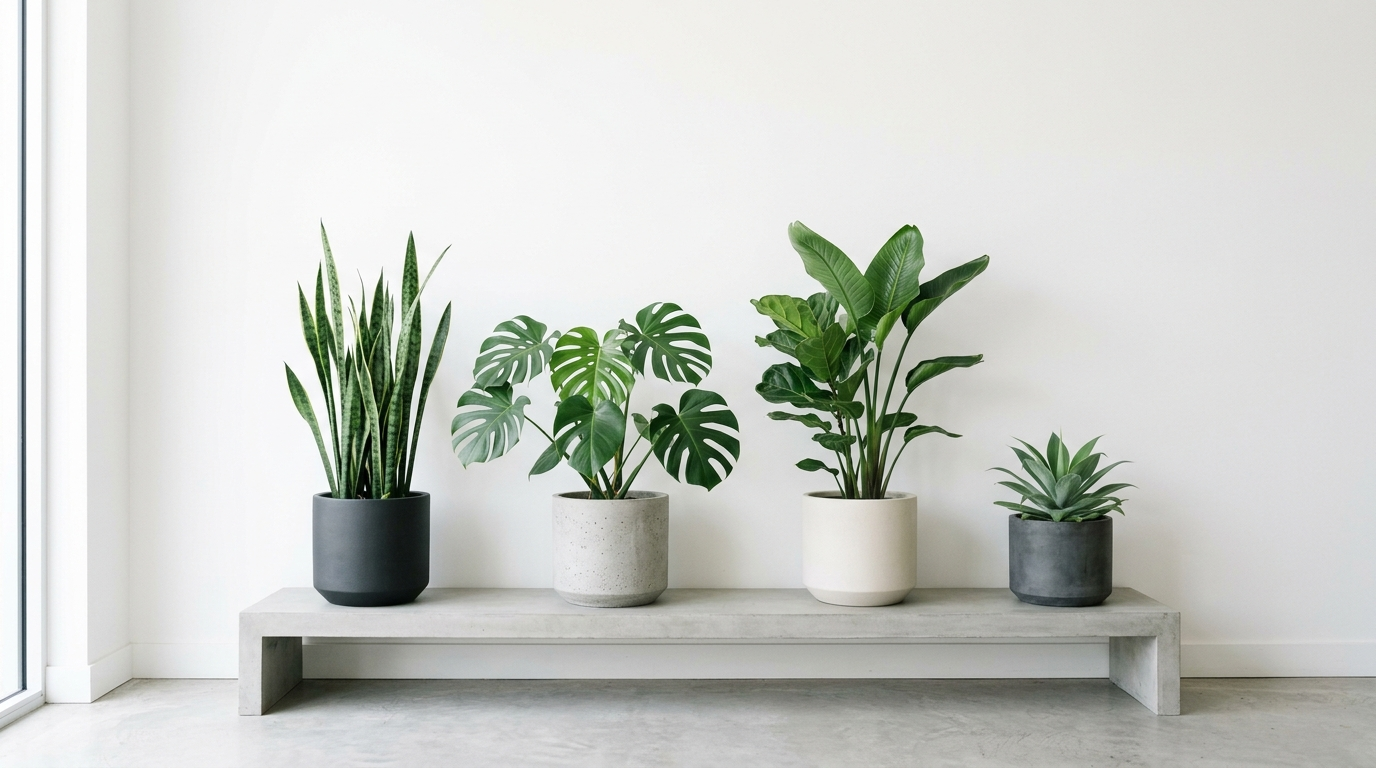
Indoor gardening in small spaces has become one of the most rewarding ways to bring nature indoors and create a sense of calm in modern homes. A minimalist approach ensures that plants become the true stars of the room without overwhelming limited square footage. Clean lines, thoughtful placement, and a restrained color palette allow greenery to breathe and thrive. In this comprehensive guide, we walk you through every step of designing, planting, and maintaining a beautiful minimalist indoor garden that fits beautifully into apartments, studios, or compact homes. Whether you have a sunny windowsill or a dim corner, these techniques will help you succeed.
Step 1: Assess Your Space, Light, and Lifestyle
Begin by observing your available space for several days. Note the direction of windows, how many hours of direct or indirect sunlight each area receives, and any temperature fluctuations near heating vents or air conditioners. Minimalist gardens succeed when plants are matched perfectly to their environment, reducing stress and maintenance. Measure your surfaces carefully and consider both horizontal and vertical opportunities. Think about your daily routine: do you have time for daily misting or prefer drought-tolerant varieties that forgive occasional neglect? This honest assessment forms the foundation of a garden that will actually thrive rather than become another source of guilt.
Next, evaluate humidity levels and airflow. Kitchens and bathrooms often provide higher humidity that benefits many tropical plants, while living areas may be drier. Use a simple hygrometer if needed. Minimalist design favors negative space, so resist the urge to fill every surface. Instead, select a few statement plants and let their sculptural forms create visual impact. This restrained approach prevents the cluttered look that can make small rooms feel even smaller. Document your findings in a simple notebook or phone notes app so you can refer back when choosing specific plants and containers later in the process.
Step 2: Choose the Right Plants for Minimalist Impact
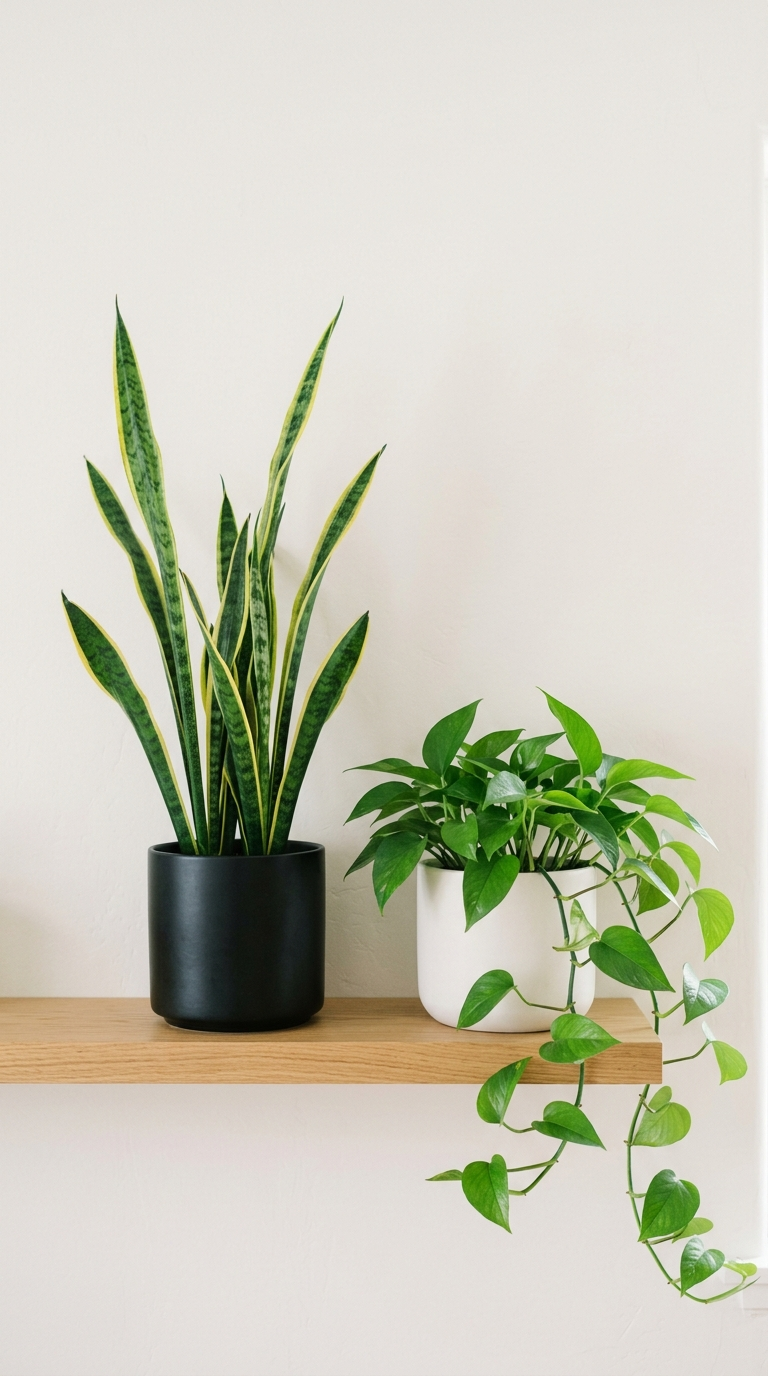
Select plants with strong architectural shapes, interesting leaf textures, or elegant trailing habits that look beautiful even when viewed from a distance. Snake plants, fiddle leaf figs, monstera deliciosa, and ZZ plants offer bold silhouettes that command attention without needing companions. For variety in height and movement, include a few trailing options like pothos, string of pearls, or philodendron. Limit your palette to five to seven plant varieties maximum to maintain the clean, curated feel. Choose healthy specimens from reputable nurseries and inspect leaves and roots carefully before purchasing. Avoid plants that require frequent pruning or have messy habits that would disrupt the minimalist aesthetic you are creating.
Consider growth habits and mature sizes carefully. A plant that looks perfect in a 6-inch pot today may outgrow its space in a year. Research each species’ expected size and choose accordingly. Group plants with similar care needs together so you can water and feed them efficiently. This also creates pleasing micro-compositions on shelves or plant stands. Remember that in a minimalist garden, every plant earns its place through beauty, health, and ease of care. If a plant struggles repeatedly, it may be better to replace it with a more suitable variety rather than fighting nature in a small space.
Step 3: Select Containers and Create Visual Harmony
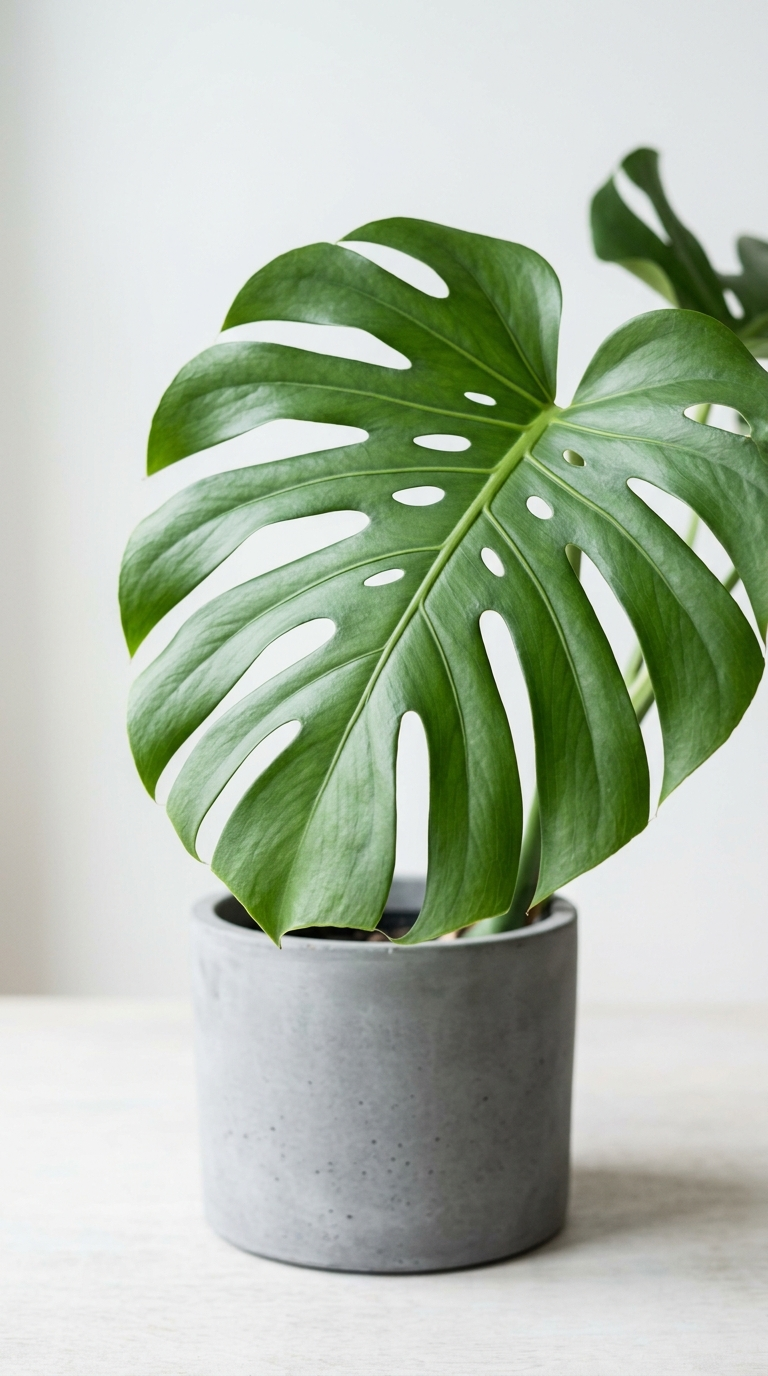
Minimalist containers emphasize form and material over decoration. Matte ceramic, concrete, terrazzo, and simple metal pots in neutral tones of white, black, gray, and warm beige create a sophisticated backdrop that lets foliage shine. Choose pots with drainage holes or plan to use cachepots with inner liners. Vary heights and diameters slightly to create subtle rhythm without chaos. A collection of three to five pots in similar finishes but different proportions often looks more intentional than a mismatched assortment. Consider self-watering planters for busy lifestyles or hard-to-reach shelves. The goal is quiet luxury: containers that support the plants without competing for attention.
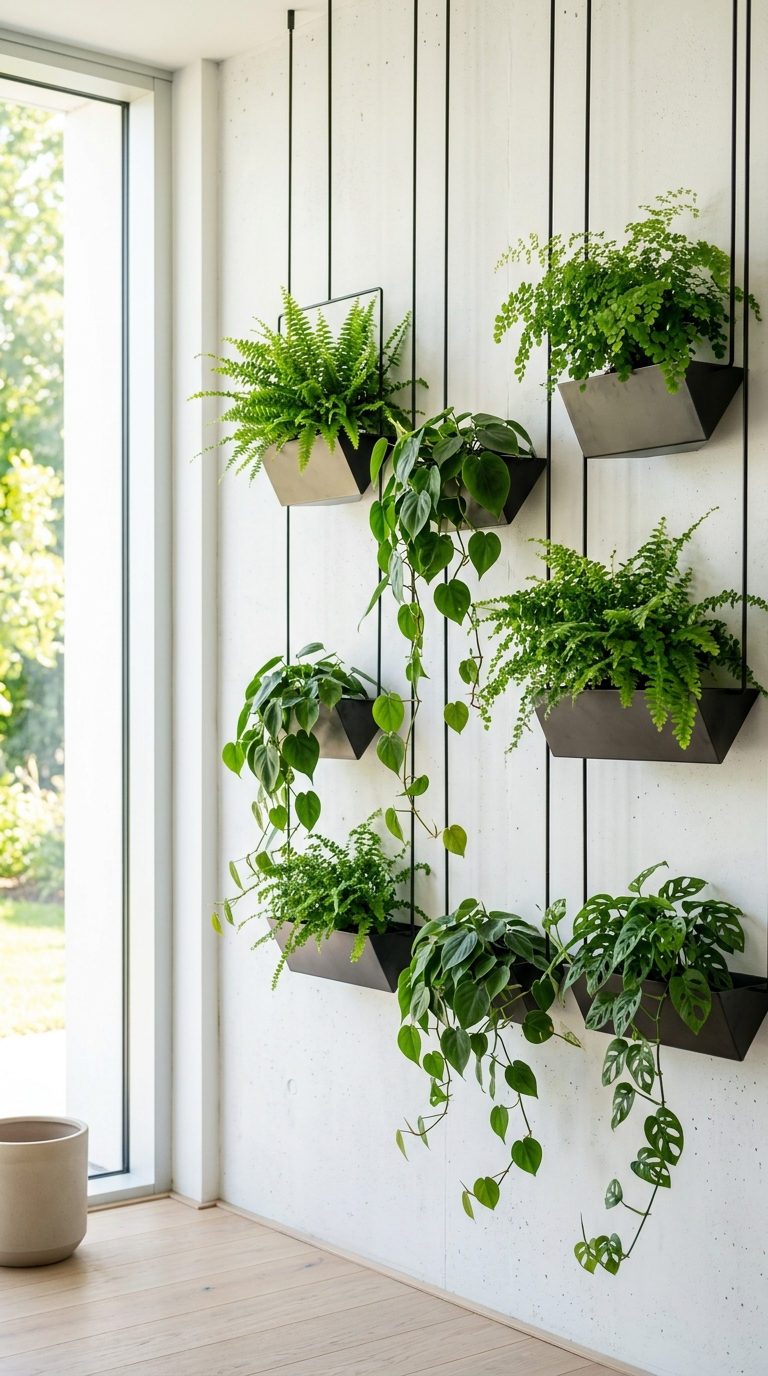
Think beyond traditional pots. Wall-mounted planters, hanging vessels, and slim plant stands can add dimension while keeping floor space clear. Use trays or saucers in matching materials to catch drips and create cohesive vignettes. When arranging multiple plants, follow the rule of odds and vary heights so the eye travels naturally across the composition. Leave generous breathing room between pieces. This negative space is what gives minimalist gardens their signature calm and elegance. Clean containers regularly with a soft cloth to maintain their pristine appearance and prevent water spots or dust buildup that would detract from the clean aesthetic.
Step 4: Master Lighting and Vertical Solutions
Good lighting is non-negotiable for healthy plants and beautiful photography of your garden. Supplement natural light with full-spectrum grow lights if needed, especially in winter or north-facing rooms. Choose sleek, minimalist fixtures that mount on walls, clip to shelves, or stand discreetly behind plants. Position lights to highlight interesting leaf shapes and textures rather than flooding the entire area. Vertical gardening techniques such as wall grids, hanging rails, and tiered stands multiply your planting area without consuming floor space. These solutions are particularly valuable in studios and small apartments where every square inch matters. Install systems securely and consider weight limits when loading with soil and plants.
Rotate plants periodically so all sides receive even light and growth remains balanced. This also prevents one side from becoming leggy or pale. Use a simple turntable or just remember to spin each pot a quarter turn every week or two. In minimalist spaces, even the lighting equipment should feel intentional and sculptural rather than utilitarian. Many modern grow lights now come in elegant designs that double as decor when not in active use. Experiment with placement until you find the sweet spot where plants thrive and the overall composition remains visually calm and balanced.
Step 5: Establish Simple Care Routines and Long-Term Success
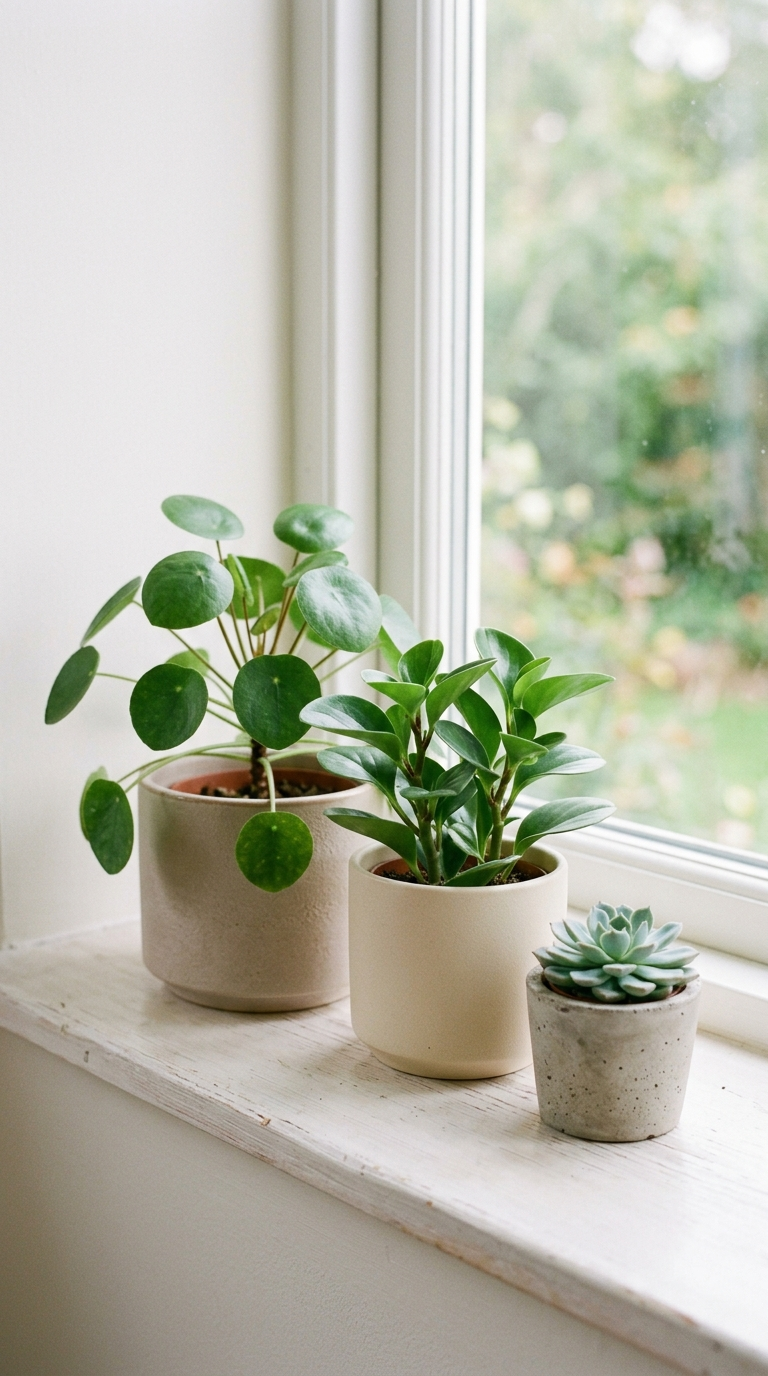
Minimalist gardens thrive on consistency rather than complexity. Create a simple care calendar based on each plant’s needs. Group plants by watering frequency so you can tend to several at once. Use room-temperature filtered water and water thoroughly until it drains from the bottom, then allow the soil to dry appropriately before the next watering. Wipe leaves gently with a damp cloth every few weeks to keep them dust-free and photosynthesizing efficiently. This small habit dramatically improves plant health and appearance. Feed with a balanced, diluted liquid fertilizer during the growing season according to package directions. Prune only when necessary to maintain shape, and always use clean, sharp tools to prevent disease.
Monitor for pests regularly, especially when introducing new plants. Early detection and treatment with neem oil or insecticidal soap keeps problems from spreading. In a small space, one infested plant can quickly affect neighbors. Keep a small kit with basics like gloves, scissors, and a spray bottle handy for quick maintenance sessions. Celebrate the quiet joy of watching your garden evolve through the seasons. A well-tended minimalist indoor garden brings daily moments of peace and connection to nature that far outweigh the small amount of time invested in its care. Over time, you will develop an intuitive sense for what your plants need, making the routine even more effortless and rewarding.
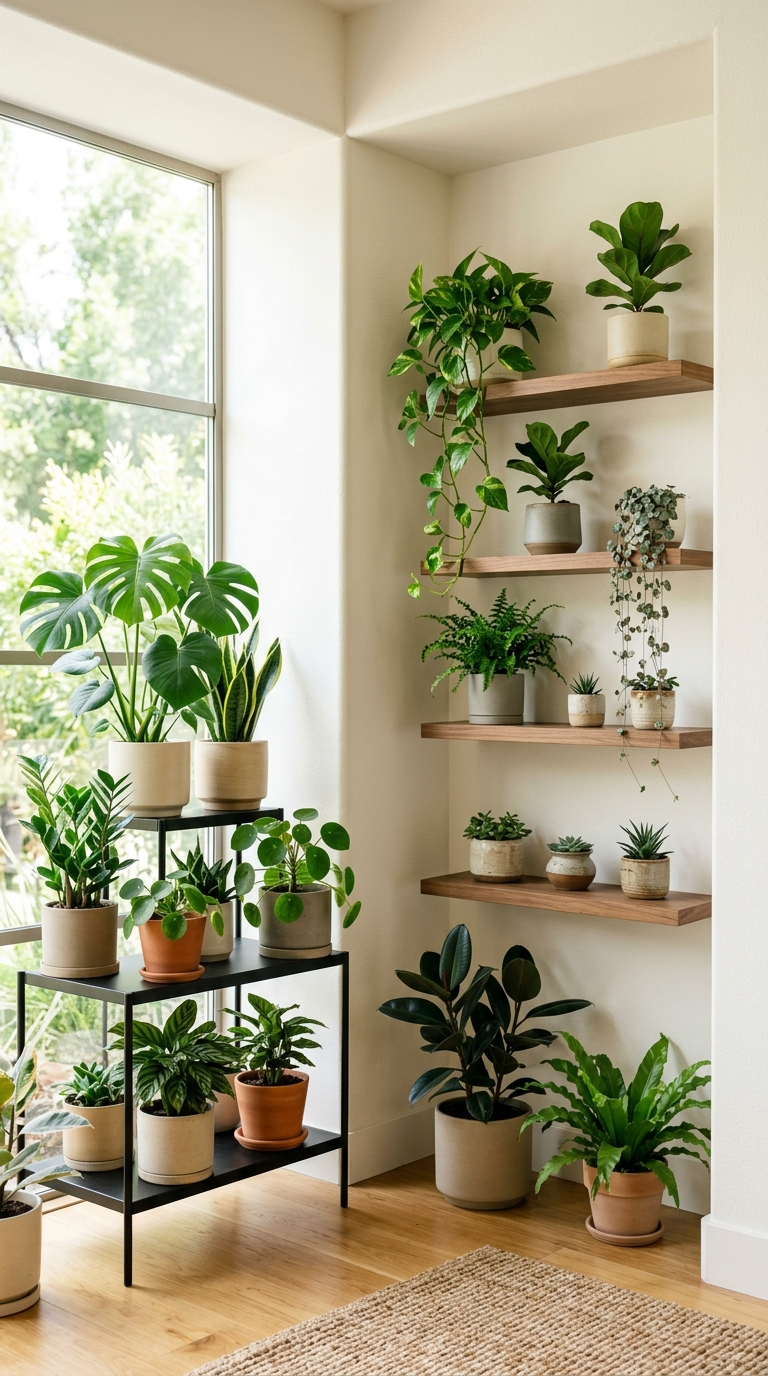
Creating a thriving minimalist indoor garden in a small space is both an art and a science. By thoughtfully assessing your environment, choosing the right plants and containers, optimizing light, and establishing gentle care routines, you can enjoy a living, breathing extension of your home that brings beauty, calm, and a touch of nature to everyday life. Start small, stay consistent, and let your garden grow with you. The result will be a serene green sanctuary that feels both intentional and alive.