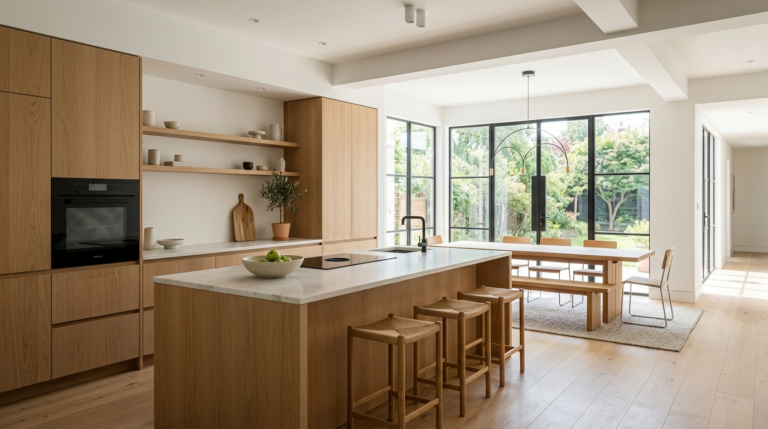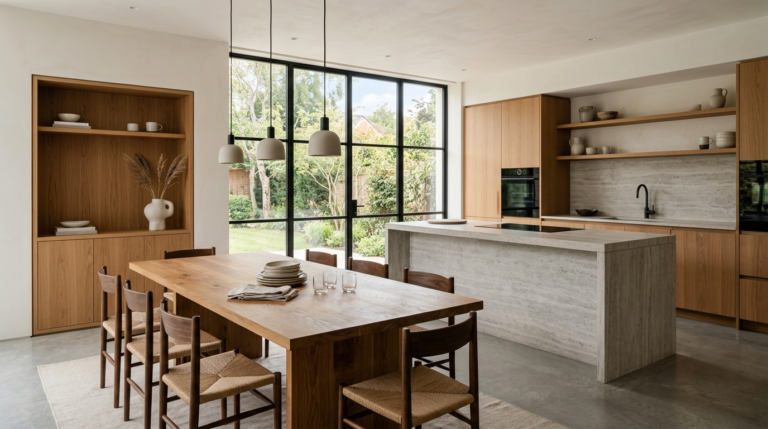
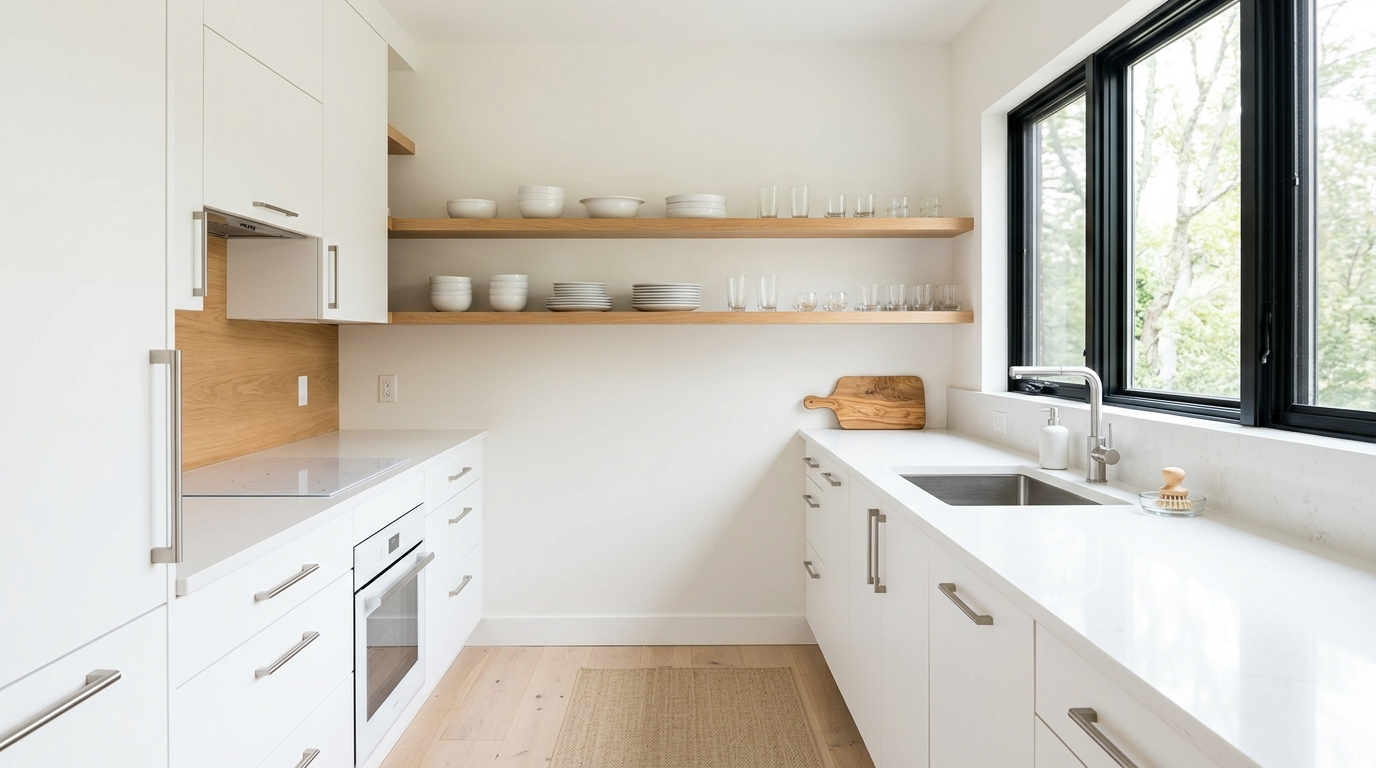
Small kitchens present unique challenges, but with thoughtful planning and clever solutions they can become some of the most efficient and charming spaces in your home. Whether you live in an apartment, condo, or cozy cottage, maximizing every square inch is both an art and a science. This step-by-step guide walks you through proven strategies to create a kitchen that works beautifully for cooking, entertaining, and daily life. From assessing your current layout to implementing vertical storage and choosing the right tools, you will discover how to turn limitations into opportunities for creativity and style. The goal is a kitchen that feels open, functions seamlessly, and brings you joy every time you step inside.
Step 1: Assess, Declutter and Measure Your Space Thoroughly
Begin by emptying every cabinet, drawer and shelf. Sort items into keep, donate, and discard piles. Be ruthless — if you have not used something in over a year and it is not a special occasion piece, it probably does not belong in a small kitchen. Once cleared, measure your space carefully: wall heights, cabinet depths, floor area, and window locations. Note the location of plumbing, electrical outlets, and any awkward corners or low ceilings. This detailed assessment reveals hidden opportunities such as unused wall space above cabinets or the potential for a slim rolling cart. Many homeowners discover they can reclaim 30 percent more usable storage simply by removing unused items and rethinking vertical real estate.
Step 2: Maximize Vertical Storage with Shelves, Racks and Hooks
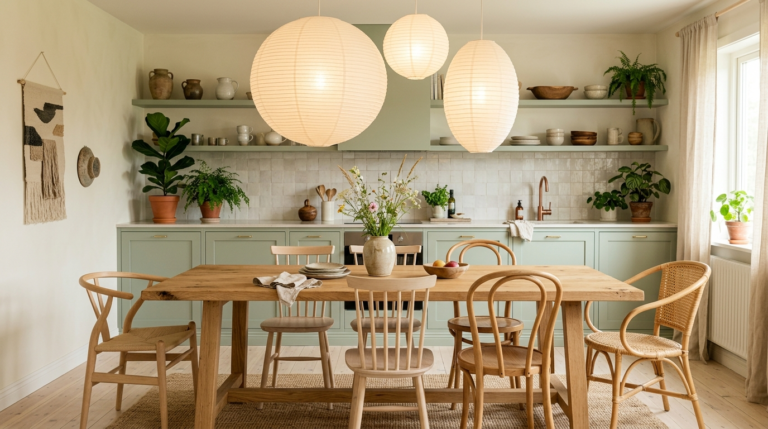
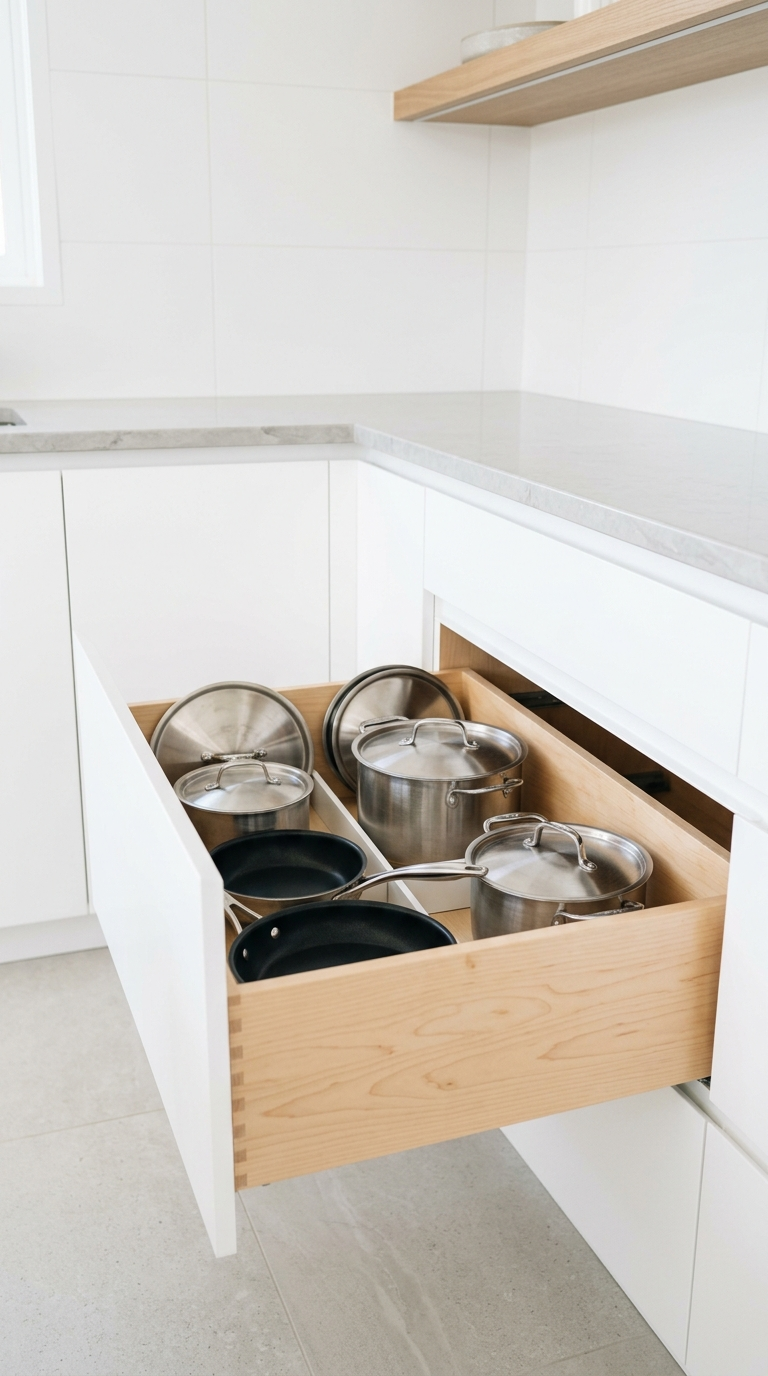
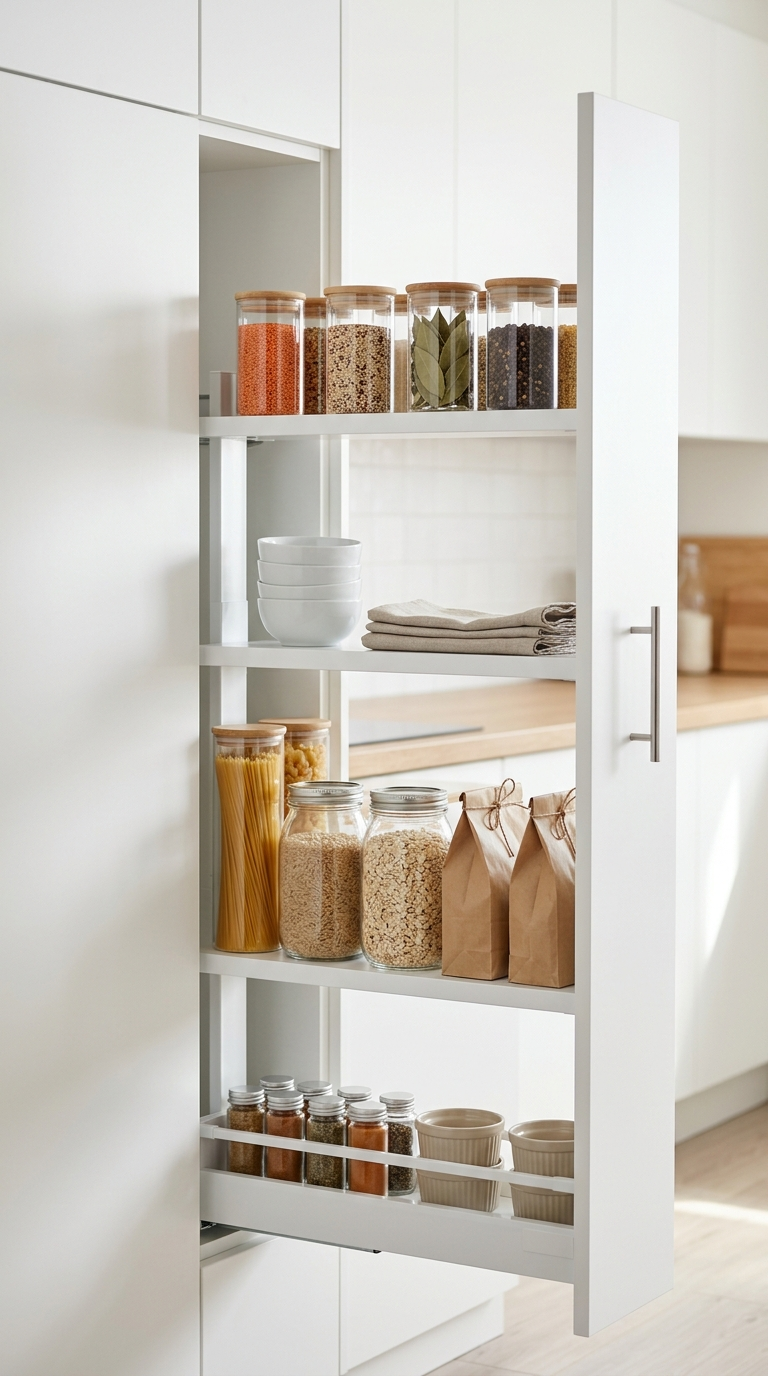
In small kitchens, floor space is precious, so look upward. Install open shelving above counters for everyday dishes and glassware. Use wall-mounted magnetic knife strips, hanging pot racks, and adhesive hooks for towels and lightweight tools. Consider a slim pantry cabinet that fits between appliances or a tall narrow rolling pantry unit. Ceiling-height cabinets with pull-down shelves or deep drawers on heavy-duty glides make the most of every inch. The key is to keep frequently used items within easy reach while storing seasonal or rarely used pieces higher up. This approach not only increases storage capacity dramatically but also creates visual interest and an airy feel when styled thoughtfully.
Step 3: Choose Multi-Functional Furniture and Appliances
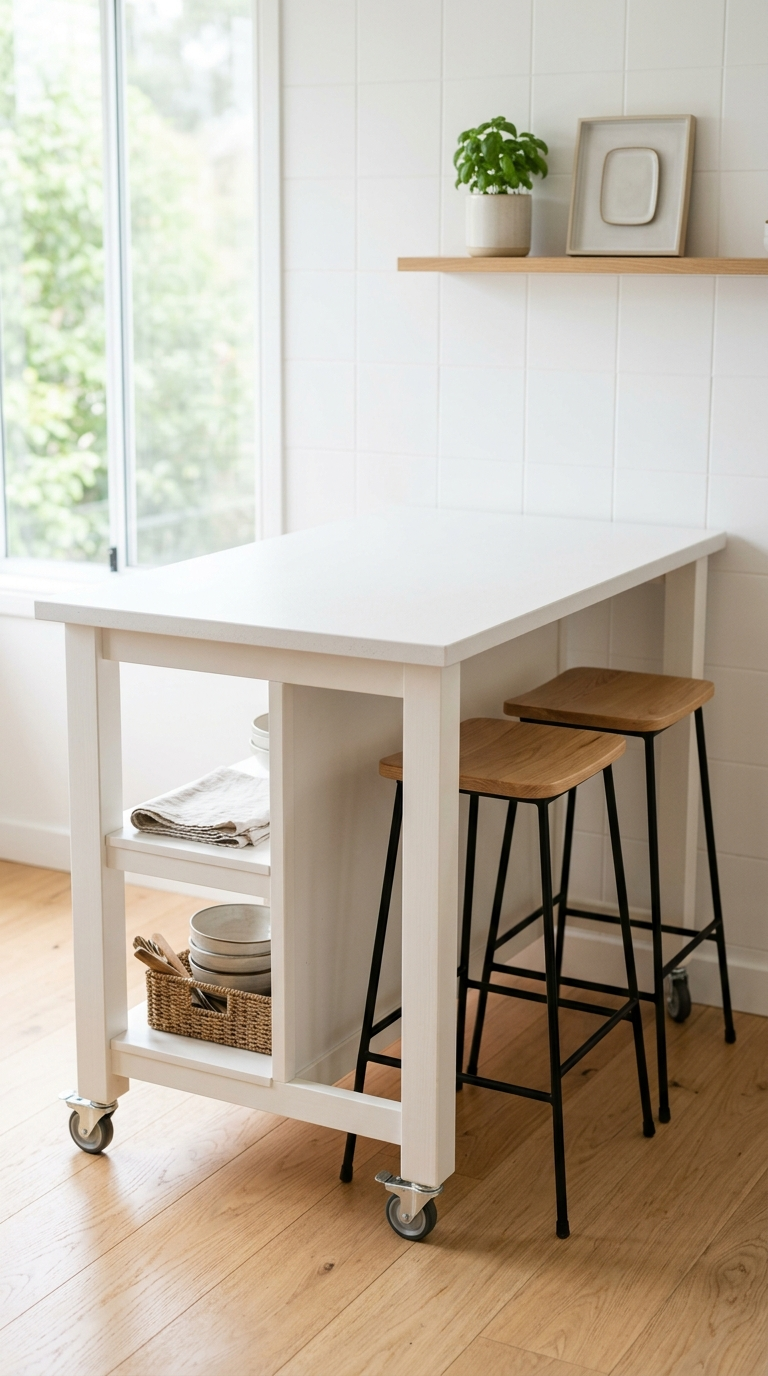
Every piece in a small kitchen should earn its place by serving multiple purposes. Opt for a kitchen island on wheels that can double as extra counter space, dining table, or storage unit. Choose appliances that combine functions such as a microwave-convection oven or a refrigerator with bottom freezer drawer that offers more flexible storage. A slim dishwasher drawer or a sink with integrated drainboard saves valuable inches. When selecting furniture, look for pieces with built-in storage like banquettes with lift-up seats or stools that tuck completely under the counter. These thoughtful choices prevent the cramped feeling that comes from too many single-purpose items competing for space.
Step 4: Implement Smart Storage Solutions and Organizers
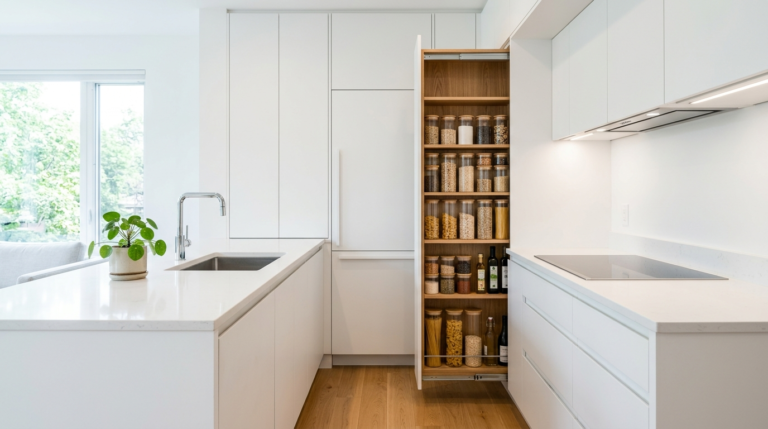
Invest in high-quality organizers that fit your specific cabinet dimensions. Pull-out shelves and drawers bring items from the back of deep cabinets into view. Use tiered organizers for spices and canned goods, drawer dividers for utensils, and clear stackable containers for pantry staples. Door-mounted racks for spices or cleaning supplies utilize often wasted space. For drawers, consider custom inserts or inexpensive bamboo organizers. Label everything clearly so family members can maintain the system. The initial investment in good organizers pays for itself quickly through reduced frustration and faster meal preparation. A well-organized small kitchen often feels larger and more pleasant to work in than a disorganized larger one.
Step 5: Optimize Your Workflow with the Work Triangle
The classic work triangle of sink, stove, and refrigerator remains relevant even in small spaces. Arrange these three key zones so you can move between them efficiently without crossing your own path. In very small kitchens, consider a galley layout or an L-shape that maximizes counter space between zones. Keep prep areas clear and well-lit. Place frequently used items like oils, salt, and cutting boards near the stove or prep counter. Store everyday dishes close to the dishwasher or drying area. This thoughtful zoning reduces unnecessary steps and makes cooking a pleasure rather than a chore. Even tiny kitchens can feel spacious when the workflow is optimized.
Step 6: Use Light Colors, Reflective Surfaces and Strategic Lighting
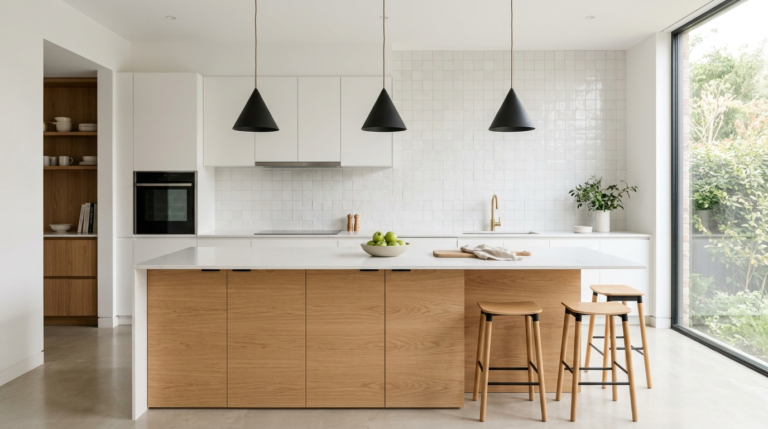
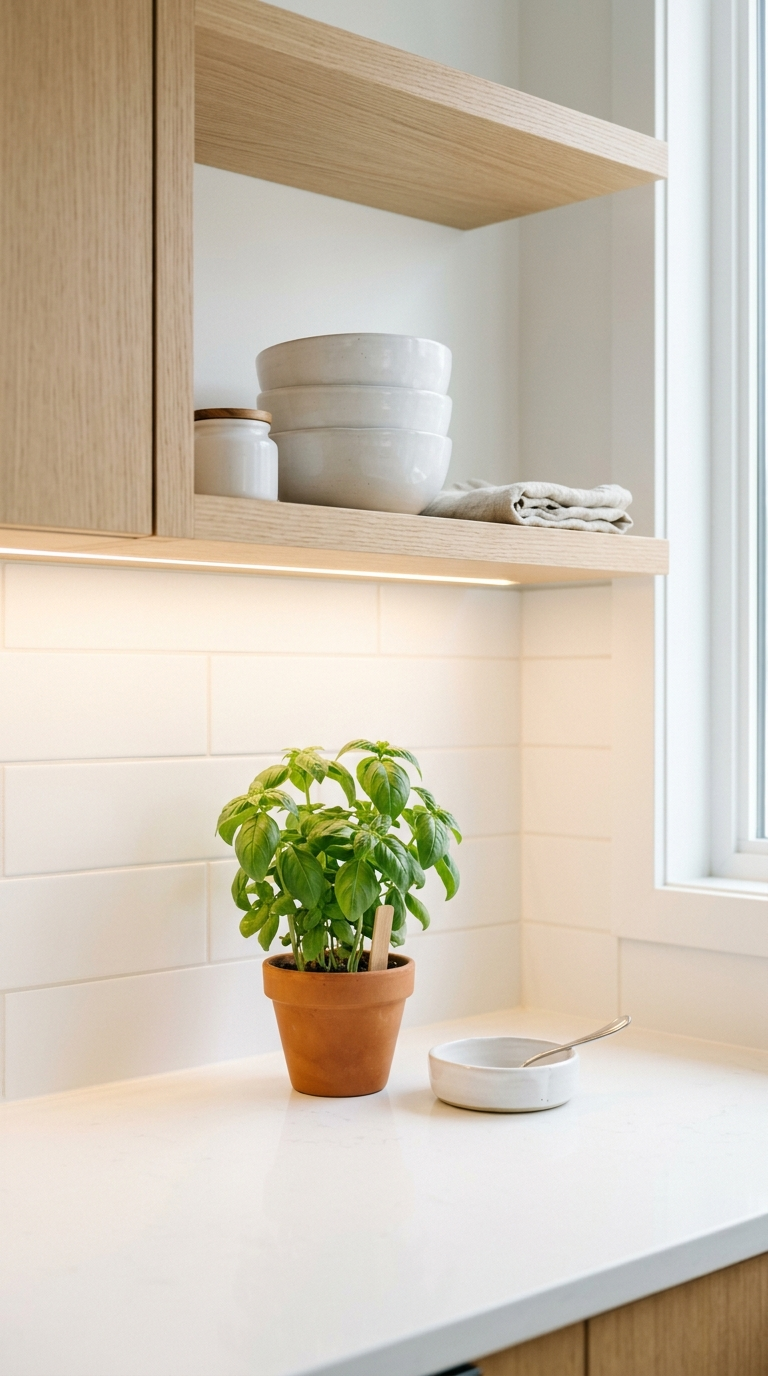
Light colors and reflective surfaces visually expand small spaces. Paint cabinets a soft white, light gray, or warm off-white. Choose countertops in light tones or with subtle veining. Incorporate glass-front cabinets or open shelving to avoid heavy visual weight. Add under-cabinet LED lighting and a statement pendant or two to brighten dark corners. Mirrors or glossy backsplashes bounce light around the room. These design choices make the kitchen feel brighter, airier, and significantly larger without moving any walls. Natural light should be maximized with sheer window treatments or none at all if privacy allows.
Step 7: Incorporate Hidden and Creative Storage Hacks
Think beyond traditional cabinets. Toe-kick drawers beneath base cabinets provide hidden storage for flat items like baking sheets. A narrow pull-out pantry between the refrigerator and wall can hold a surprising amount of groceries. Use the space above upper cabinets for decorative baskets or seasonal items if ceiling height allows. Consider a fold-down table attached to a wall for extra prep or dining space when needed. Magnetic strips on the side of the refrigerator or inside cabinet doors hold small metal items. These creative hacks often make the difference between a cramped kitchen and one that feels thoughtfully designed and functional.
Step 8: Establish Daily Maintenance Habits for Lasting Order
Even the most brilliantly organized small kitchen requires daily habits to stay that way. Commit to a five-minute evening reset: load the dishwasher, wipe counters, and return items to their homes. Keep a small basket for mail and papers that tends to accumulate on counters. Train family members to put items away immediately after use. Once a week, do a quick pantry and fridge audit to prevent expired items from lingering. These small consistent actions prevent the buildup that makes small spaces feel overwhelming. When maintenance becomes habit, your kitchen stays beautiful and efficient with minimal effort.
By following these eight detailed steps, you can transform even the smallest kitchen into a space that feels spacious, functions beautifully, and brings daily joy. The combination of smart storage, efficient workflow, thoughtful design choices, and consistent habits creates a kitchen that works as hard as you do. Remember that small kitchens often become the heart of the home precisely because their compact nature encourages connection and creativity. Start with the steps that address your biggest pain points, and enjoy watching your kitchen evolve into a space you love.