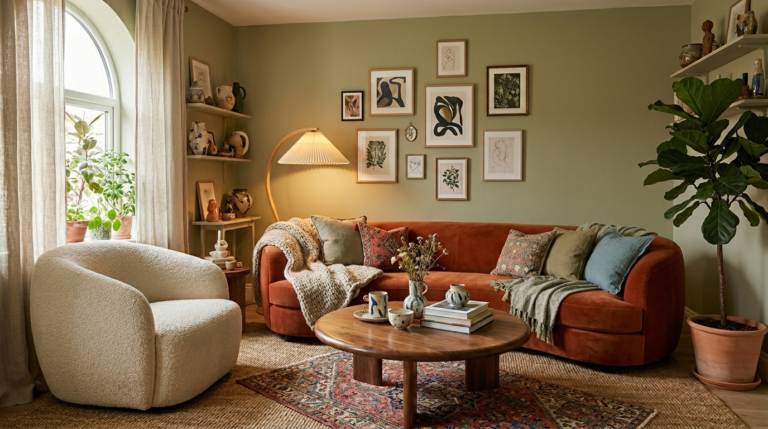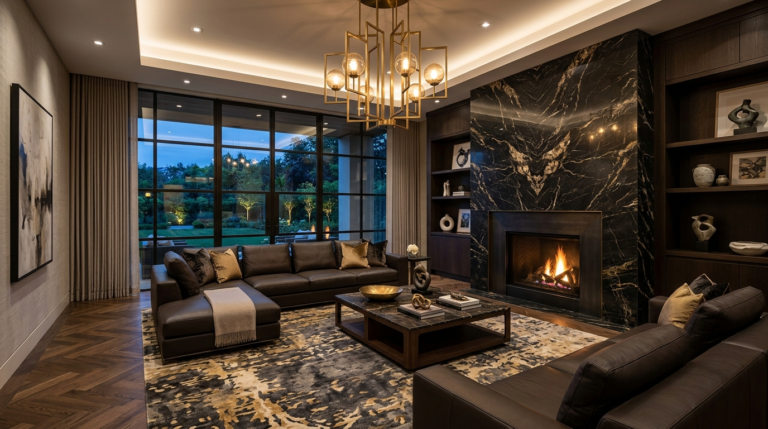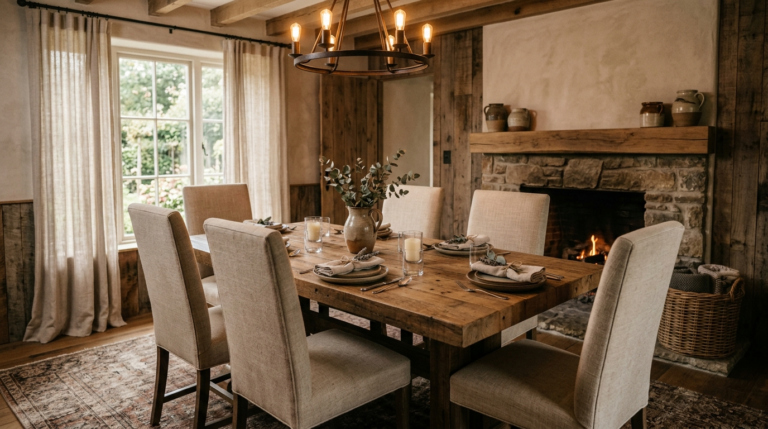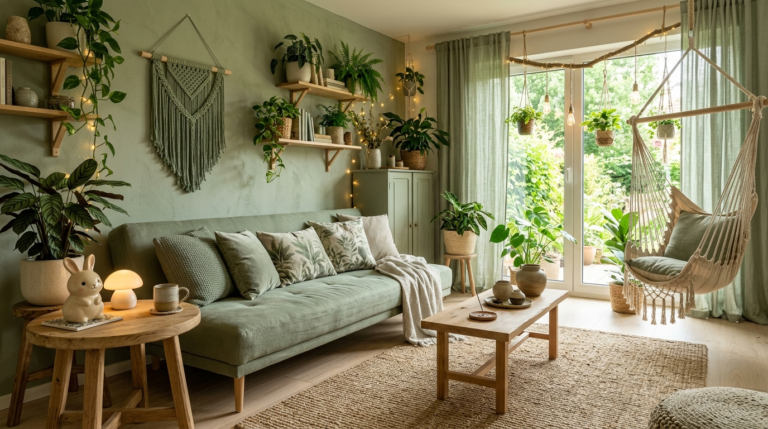
There is something magical about a well-designed entryway or hallway. These transitional spaces are the first impression guests receive and the daily threshold you cross between the outside world and your private sanctuary. Too often they become afterthoughts — cluttered catch-alls or dark, forgotten corridors. Yet when approached with intention, they become some of the most rewarding rooms to design. An elegant entryway welcomes you home with warmth and order. A beautiful hallway can feel like a quiet gallery or a gentle transition that prepares your mind for rest or activity. This narrative journey explores how to transform these often overlooked spaces into areas that feel both beautiful and deeply functional.

The Threshold Experience: First Impressions Matter
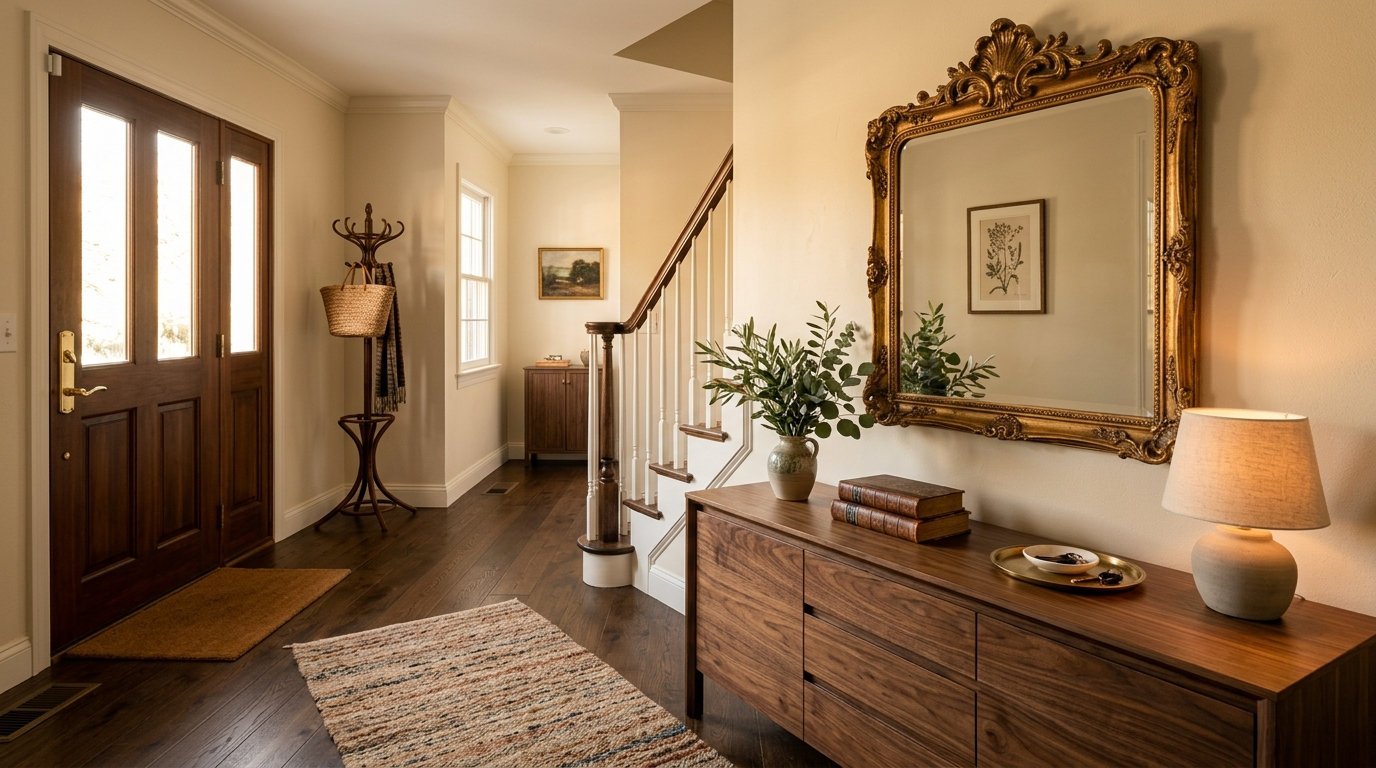
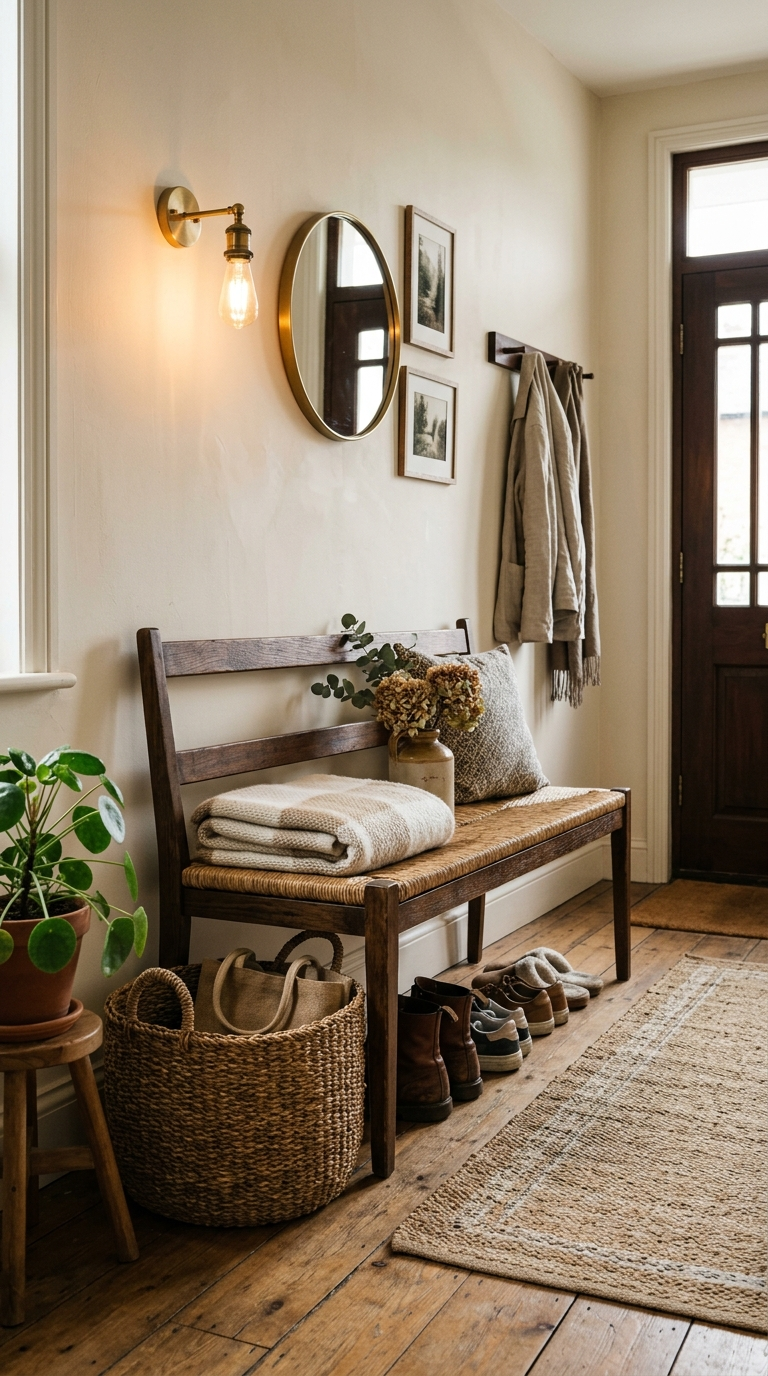
The moment you step through the front door should feel like an exhale. A well-considered entryway achieves this through a careful balance of welcome and order. Begin with a console table or bench that offers a place to set keys, mail, and bags. Above it, a mirror reflects light and makes the space feel larger while providing a final check before you leave. A small tray for everyday essentials keeps surfaces tidy. Lighting is crucial — a warm wall sconce or pendant creates an inviting glow that flat overhead lighting cannot match. Even in the smallest entry, a single beautiful object — a vase with fresh or dried stems, a sculptural piece, or a framed piece of art — can establish the personality of your entire home.
Hallways as Quiet Galleries and Gentle Transitions
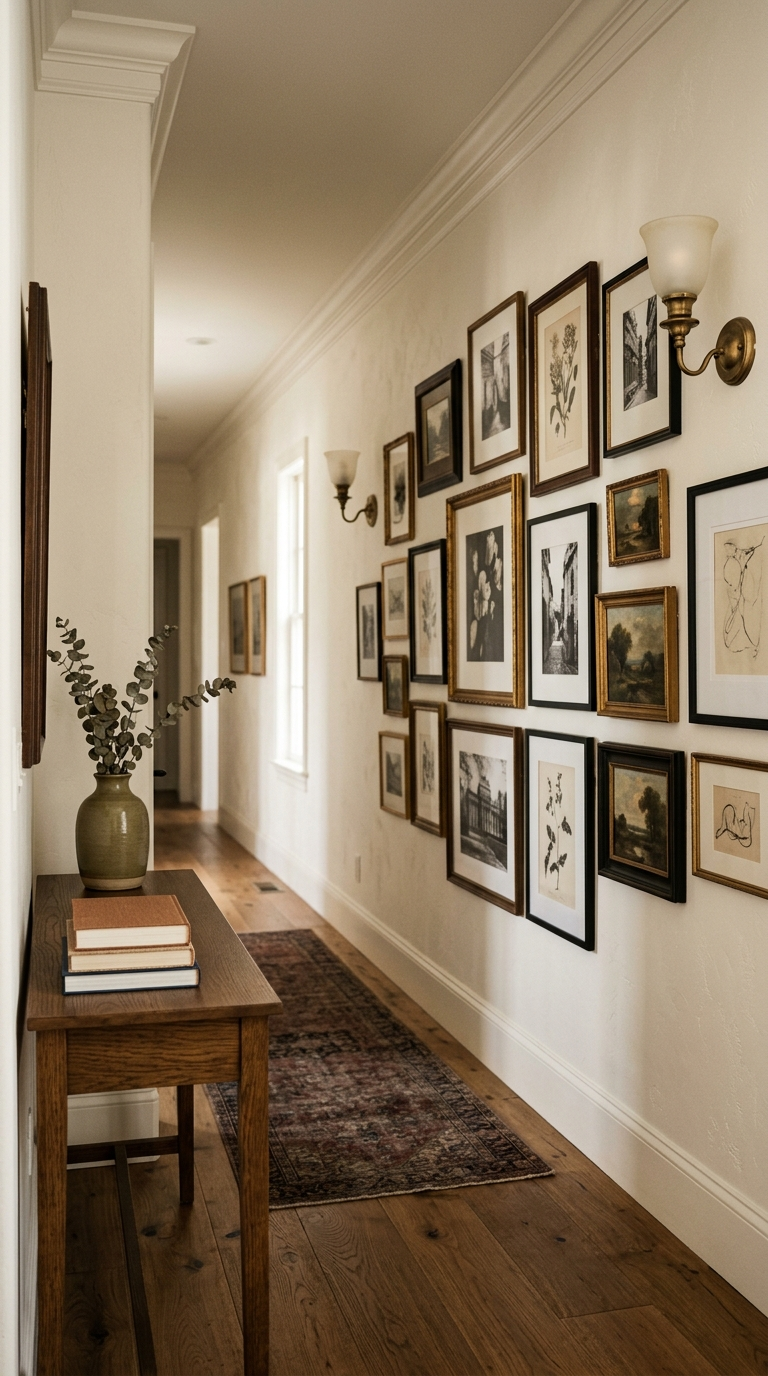
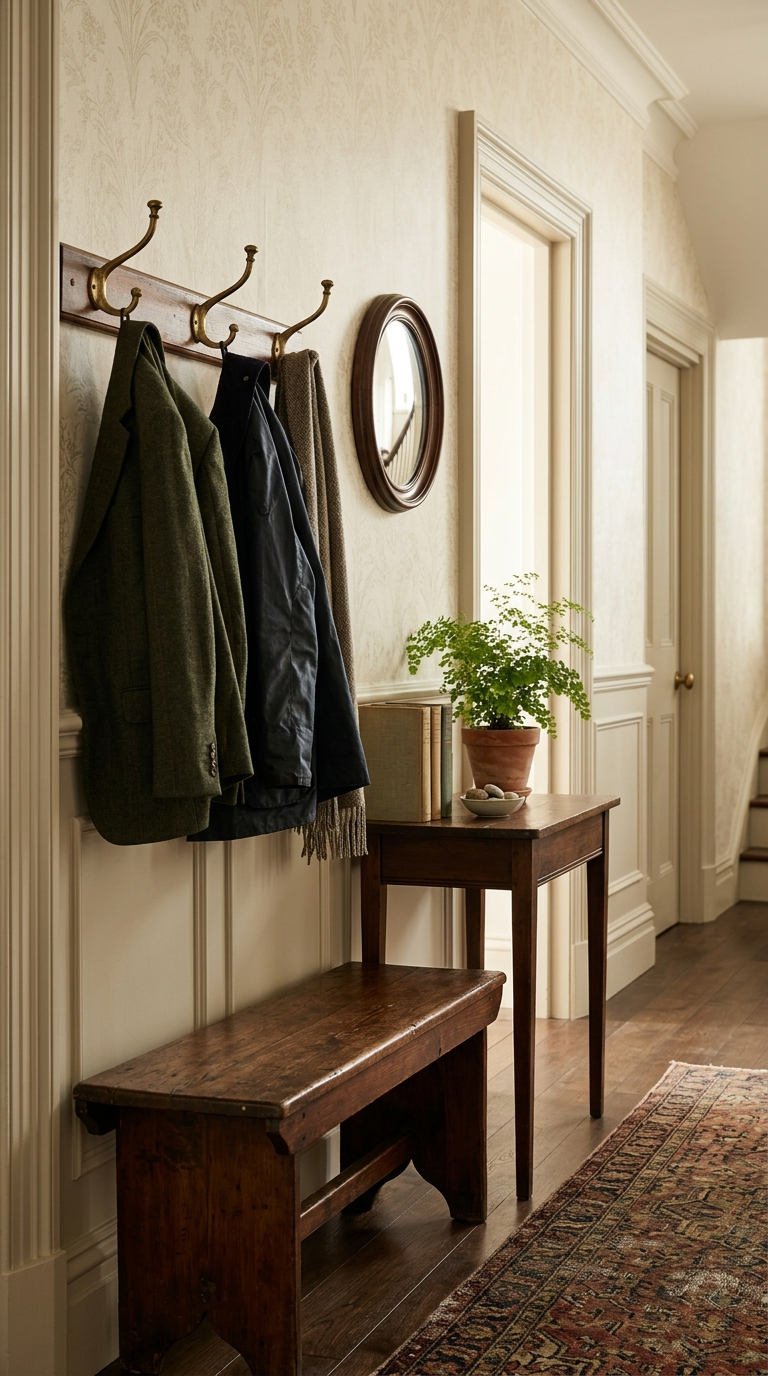
Hallways need not be merely corridors to pass through. When treated as miniature galleries, they become spaces of quiet pleasure. Consider a thoughtful arrangement of framed photographs or art that tells your family story. A slim console with a lamp and a rotating selection of books or objects adds layers of interest. In longer hallways, vary the rhythm with occasional seating or a small table that invites pause. Lighting should be layered — wall sconces at regular intervals create a rhythm and eliminate the tunnel effect of a single overhead fixture. The goal is a space that feels intentional rather than leftover, a gentle transition that prepares you for the room you are entering.
Storage That Disappears Yet Serves Beautifully
Entryways and hallways must handle the practical realities of daily life: coats, shoes, bags, umbrellas, mail, and keys. The most successful designs hide this functionality within beauty. A built-in bench with storage underneath or a slim cabinet with doors keeps clutter out of sight. Wall-mounted hooks in a pleasing arrangement or hidden behind a door provide accessible hanging without visual chaos. For shoes, a shallow cabinet or attractive basket system prevents the dreaded pile by the door. The key is to design storage that feels like furniture rather than utilitarian afterthoughts. When storage is beautiful, family members are more likely to use it consistently.
Layering Texture, Light and Personal Details
What elevates a good entryway or hallway into an exceptional one is the layering of sensory details. A textured runner softens footsteps and adds warmth underfoot. A small bench upholstered in a durable yet beautiful fabric invites you to sit while removing shoes. Natural elements — a bowl of river stones, a small plant that thrives in lower light, or a branch arrangement — bring life into the space. Personal details matter enormously: a tray that holds your grandmother’s keys, a small dish from travels, or a piece of art that makes you smile every time you pass. These touches transform a functional space into one that feels like home.
Lighting That Welcomes and Guides
Lighting in transitional spaces is often neglected, yet it has enormous impact on how a space feels. Avoid relying solely on harsh overhead fixtures. Instead, layer ambient, task, and accent lighting. A warm pendant or chandelier in the entry creates a focal point and welcoming glow. Wall sconces along a hallway provide both beauty and safe navigation at night. Consider dimmers everywhere so you can adjust the mood from bright morning energy to soft evening calm. If natural light is limited, mirrors strategically placed opposite windows or light sources amplify brightness dramatically. The right lighting turns even a windowless hallway into a pleasant experience rather than a dark tunnel.
Creating Flow Between Spaces
Great entryways and hallways do more than stand alone; they create a sense of flow throughout the home. Consider how the colors, materials, and mood you establish at the entrance echo or contrast with adjacent rooms. A cohesive thread — perhaps a consistent wood tone, a signature color in small doses, or a particular style of lighting — ties everything together. At the same time, these spaces can offer a moment of visual rest between busier rooms. The best transitional spaces feel both connected to the rest of the home and distinct enough to mark a shift in energy or purpose.
Seasonal Styling and Ongoing Care
One of the joys of entryways and hallways is how easily they accept seasonal changes. A simple swap of the arrangement on your console — autumn branches, winter evergreens, spring blossoms, or summer greenery — keeps the space feeling fresh and connected to the natural world. Because these areas are high-traffic, they benefit from regular attention. A quick weekly reset to clear mail, straighten shoes, and dust surfaces keeps them looking intentional. The most beautiful entryways are not static showrooms but living spaces that evolve gently with the seasons and the rhythms of your household.
When you invest care in your entryways and hallways, you create daily moments of beauty and order that ripple through your entire home. These spaces set the tone for how you experience coming home and how guests feel when they arrive. They remind you, every single day, that your home is a place of welcome — both for others and for yourself. The art of welcoming begins at the threshold.