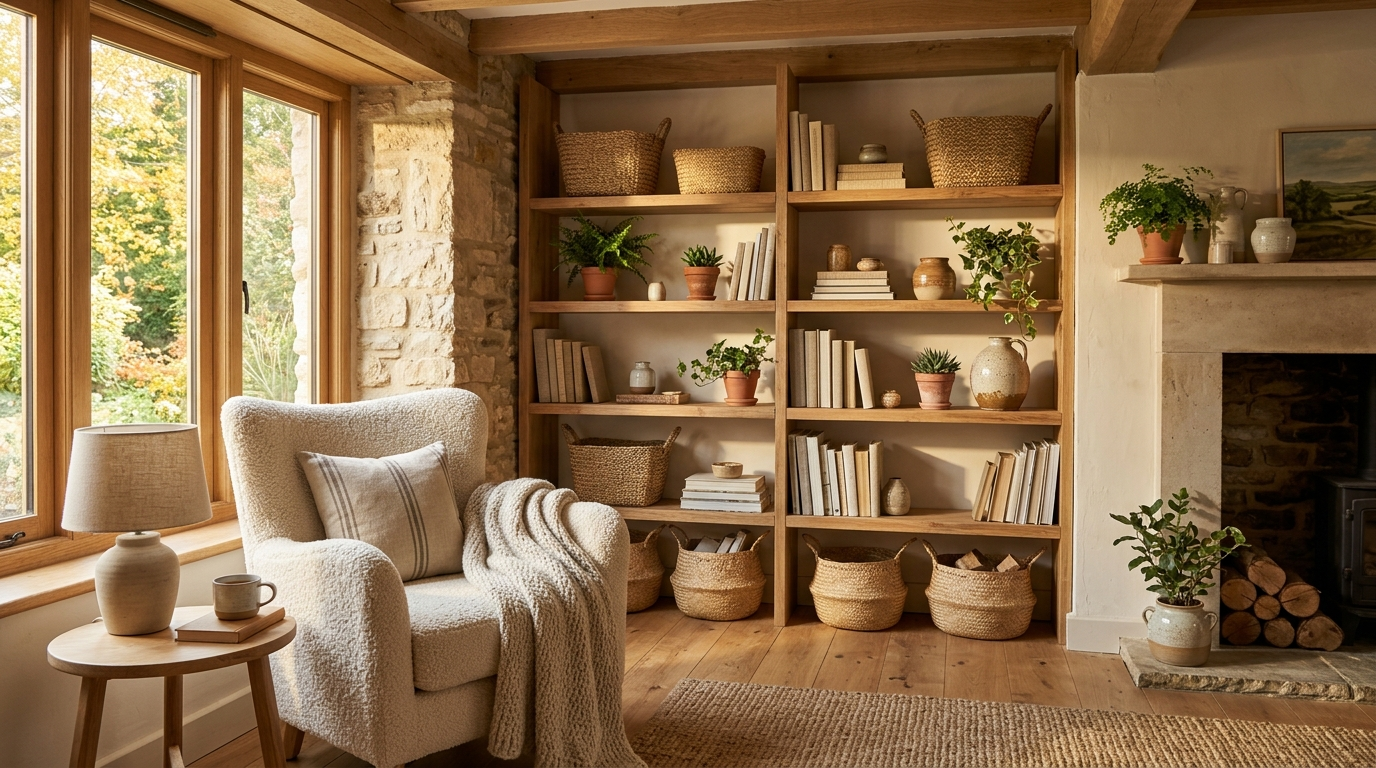
Decluttering your home is one of the most impactful changes you can make for your mental health and daily productivity. Clutter has been linked to increased stress levels and decreased focus, making it essential to develop habits that keep your space tidy and intentional. In this comprehensive guide, we explore 15 powerful decluttering habits that go beyond one-time cleanups. These are sustainable practices that, when integrated into your lifestyle, create lasting results. Whether you’re dealing with a small apartment or a family home, these strategies are adaptable and effective. From the moment you wake up to your evening wind-down, there are opportunities to maintain order without feeling overwhelmed. The key is consistency and starting with small, manageable changes that compound over time. By the end of this article, you’ll have a clear roadmap to transform your living environment into a peaceful sanctuary that supports your best life.

1. Adopt the One-In, One-Out Rule for Sustainable Balance
This foundational habit is simple yet transformative. Whenever you acquire a new item, whether it’s clothing, a kitchen tool, or a decorative piece, you must remove one existing item from your home. This prevents the gradual buildup of possessions that often leads to clutter. It encourages thoughtful purchasing decisions and helps maintain equilibrium in your storage spaces. For instance, if you purchase a new pair of shoes, take the time to go through your shoe collection and select one pair to donate or sell. The beauty of this rule lies in its flexibility; it can be applied to any category and adjusted based on your lifestyle. Families with growing children find it particularly useful for managing outgrown clothes and toys. Over months and years, this habit keeps your home from becoming overwhelmed with unused items and fosters a more minimalist approach to consumption. Many people report feeling lighter and more in control after implementing this consistently.
To make it even more effective, pair it with a ‘waiting period’ for new purchases. If you see something you want, wait 48 hours before buying. This reduces impulse buys that often contribute to clutter. Additionally, keep a donation box in a convenient location so that the ‘out’ part of the equation is seamless. When the box is full, take it to a local charity or schedule a pickup. This closes the loop and makes the habit rewarding as you see the positive impact on others. Remember, the goal is not perfection but progress. Even if you occasionally slip, the overall trend toward balance will benefit your home’s energy and your peace of mind.
2. Create a Daily 10-Minute Reset Routine
Consistency beats intensity when it comes to home maintenance. Instead of waiting for weekends to do massive cleanups, develop the habit of a short daily reset. Spend just 10 minutes each evening walking through your main living areas and returning items to their designated homes. This could include fluffing pillows, clearing coffee tables, loading the dishwasher, and putting away toys or work items. The magic of this habit is that it prevents small messes from becoming large projects. A 10-minute investment daily can save hours of weekend cleaning. Choose a time that works with your schedule, perhaps right after dinner or before your favorite show. Make it enjoyable by playing upbeat music or lighting a favorite candle. Over time, this becomes second nature, and your home will always feel guest-ready and calm. For those with busy schedules or young children, this habit is a lifesaver as it keeps chaos at bay without requiring large blocks of time.
3. Use the ‘Does It Spark Joy’ Method Mindfully
Popularized by Marie Kondo, this question remains a powerful tool for decluttering. However, to turn it into a habit, apply it regularly during routine activities. As you fold laundry, ask yourself if each piece brings you joy or serves a purpose. When organizing a drawer, be honest about items that no longer fit your current life or style. This mindful approach prevents sentimentality from keeping unnecessary items. It’s not about discarding everything; it’s about curating a collection that truly supports and delights you. For items that don’t spark joy but are necessary, find ways to make them more pleasant, like using beautiful storage solutions. This habit shifts your relationship with possessions from accumulation to intentional selection. Many who practice it report greater satisfaction with what they own and less desire to shop for more. It also helps identify patterns in what you keep versus what you let go, informing future purchases.
4. Designate a Home for Everything
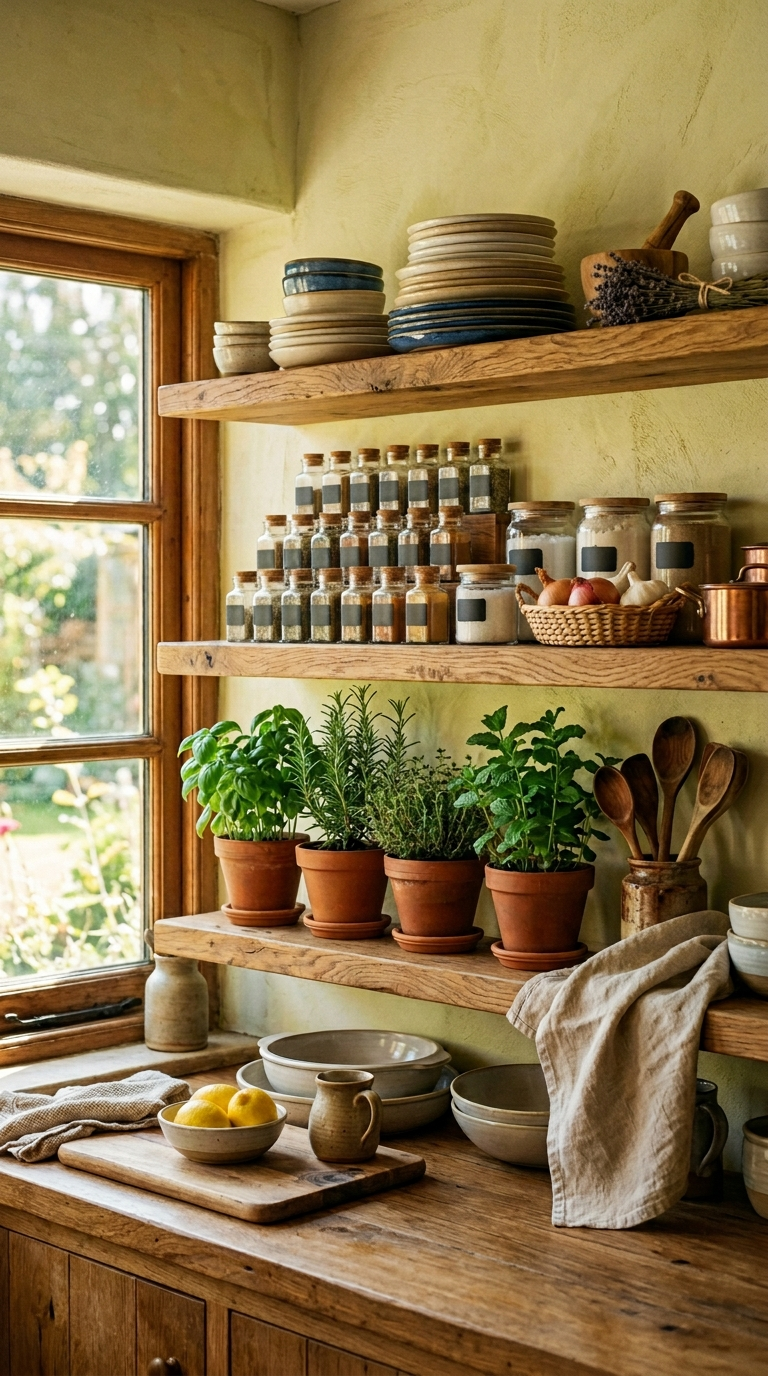
One of the biggest causes of clutter is items without a designated place. Make it a habit to assign a specific home for every category of belonging in your house. Use drawer dividers, shelf organizers, labeled bins, and hooks to create clear systems. When everything has a place, it’s easier to put things away and notice when something is out of place. This habit extends to mail, keys, chargers, and even seasonal items. Spend one weekend setting up these systems, then maintain them daily. The initial effort pays off exponentially as tidying becomes a quick task rather than a hunt for missing items. For small homes, vertical storage and multi-functional furniture are key. This principle also applies to digital clutter – organize your computer files and phone apps similarly. A place for everything reduces visual noise and mental load significantly.
5. Practice the ‘Five-Minute Rule’ for Quick Wins
If a task takes less than five minutes, do it immediately. This habit prevents small chores from piling up into overwhelming projects. Hang up your coat when you come in, put dishes in the dishwasher right after use, sort mail as soon as it arrives, and wipe spills when they happen. These micro-habits keep your home in a constant state of order. They also build momentum; completing small tasks gives you the energy and motivation to tackle larger ones. The five-minute rule is especially useful for busy professionals and parents who feel they never have time for cleaning. By integrating these quick actions into your existing routines, like during commercial breaks or while waiting for water to boil, you maintain order without dedicated cleaning sessions. Over weeks, these tiny efforts create a noticeably cleaner and more organized environment.
6. Schedule Weekly ‘Clutter Audits’ by Zone
While daily resets handle surface level mess, weekly audits address deeper organization. Dedicate 20-30 minutes each weekend to one zone of your home – the pantry one week, the linen closet the next, or under the bathroom sink. During the audit, remove everything, clean the space, and only return items that are used regularly and in good condition. This habit catches items that have crept in or are no longer needed. It also allows you to reorganize as your needs change. Keeping a checklist of zones ensures you rotate through the entire house over a couple of months. Many people find that these audits become almost meditative, providing a sense of control and accomplishment. They also prevent the ‘out of sight, out of mind’ problem where clutter hides in cabinets and drawers.
7. Cultivate a Gratitude Practice for What You Own
Decluttering is not just about removal; it’s about appreciation for what remains. Develop the habit of expressing gratitude for your belongings during organization sessions. As you handle each item, acknowledge its purpose or the joy it brings. This positive framing makes letting go of excess easier because you’re focusing on abundance rather than scarcity. It also reduces the urge to acquire more, as you realize how much you already have that serves you well. Some people keep a gratitude journal specifically for their home, noting beautiful moments or useful items. This mindset shift is crucial for long-term success because it addresses the emotional roots of clutter accumulation. When you love and care for what you have, you’re less likely to treat your space as disposable or temporary.
8. Involve the Whole Family in Organization Habits
For households with multiple people, decluttering habits must be shared to be sustainable. Create family systems where everyone participates in maintaining order. Assign age-appropriate chores, have weekly family clean-up times with music and snacks, and model the behaviors you want to see. Teach children the one-in-one-out rule with their toys and clothes. Make organization fun by using colorful labels and storage that kids can access independently. When the whole family is on board, the home stays organized with less effort from any one person. It also teaches valuable life skills and reduces arguments about mess. Start with small wins, like everyone putting their shoes in the designated spot, and build from there. The collective effort creates a culture of respect for shared spaces.
9. Use Visual Cues and Checklists for Accountability
Habits stick better when supported by external cues. Create visual reminders like a ‘reset checklist’ posted on the fridge or a beautiful notebook for tracking daily organization tasks. Use phone alarms for your 10-minute reset or apps designed for habit tracking. Visual progress, such as before-and-after photos of organized spaces, can be incredibly motivating. Some people use a ‘clutter jar’ where they put a coin or note every time they successfully declutter an item, turning it into a rewarding game. These cues and trackers make the abstract goal of ‘being organized’ concrete and measurable. They also help during busy periods when motivation wanes; the system carries you through. Experiment with what works for your personality – some prefer digital tools, others analog beauty.
10. Reflect and Adjust Your Systems Seasonally
As life changes, so should your organization systems. Make it a habit to review your decluttering strategies at the start of each season. What worked in winter may need adjustment for summer activities and gear. Perhaps your entryway needs a different setup for rain boots versus snow boots. This reflective practice ensures your habits remain relevant and effective. It also provides an opportunity to celebrate progress and identify areas for improvement. Many people find that seasonal resets coincide with natural transitions like back-to-school or holiday prep, making them timely and purposeful. Keep a simple journal of what systems are working and which need tweaking. This meta-habit of reflection turns good intentions into evolving, personalized practices that truly fit your life.
Building decluttering habits is a journey, not a destination. Start with one or two that resonate most with your current challenges and lifestyle. As they become second nature, layer in more. Remember that perfection is not the goal; a home that feels good to live in is. These 15 habits, practiced with patience and self-compassion, will gradually transform your space and, by extension, your daily experience of life. The calm you create on the outside will reflect inward, bringing greater peace and clarity. If you’re ready to take the next step, consider which area of your home needs attention first and begin there today. Your future self will thank you for the organized, serene environment you’ve created.